The Great Unconformity: Solving the Mystery of Earth’s Missing Billion Years of Geological History

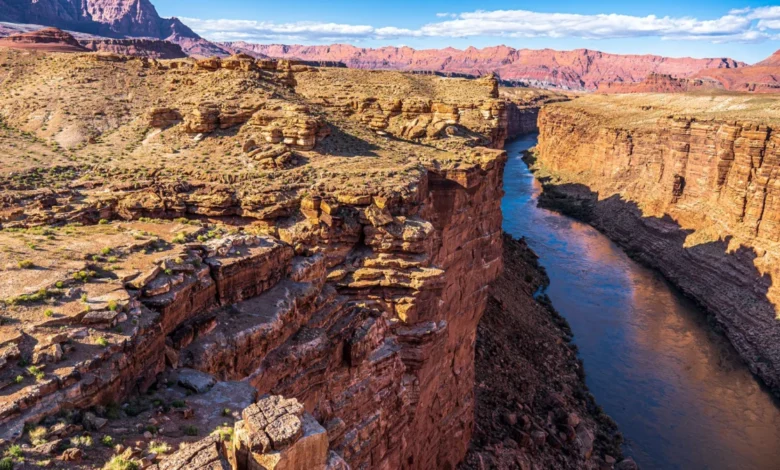
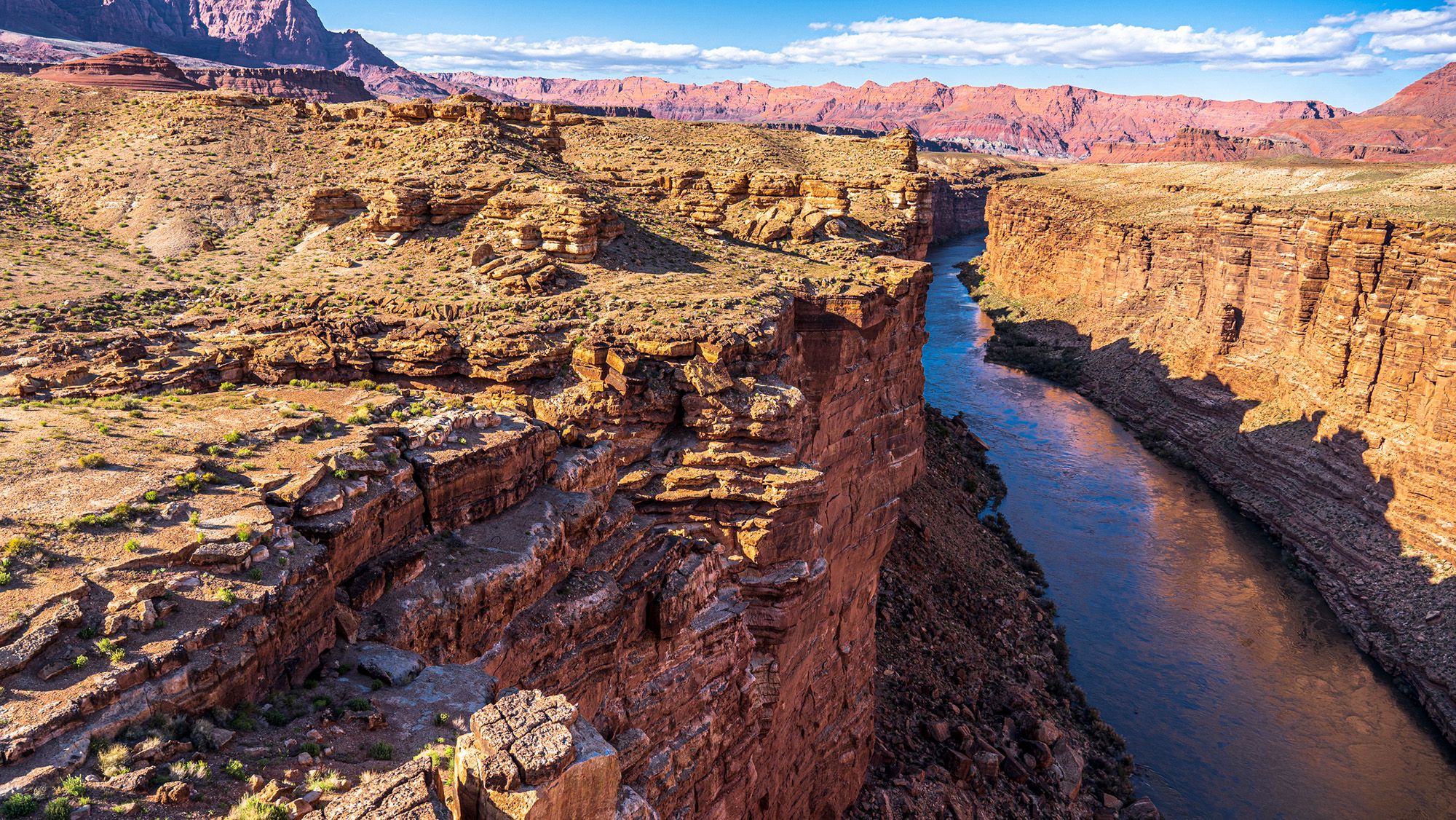
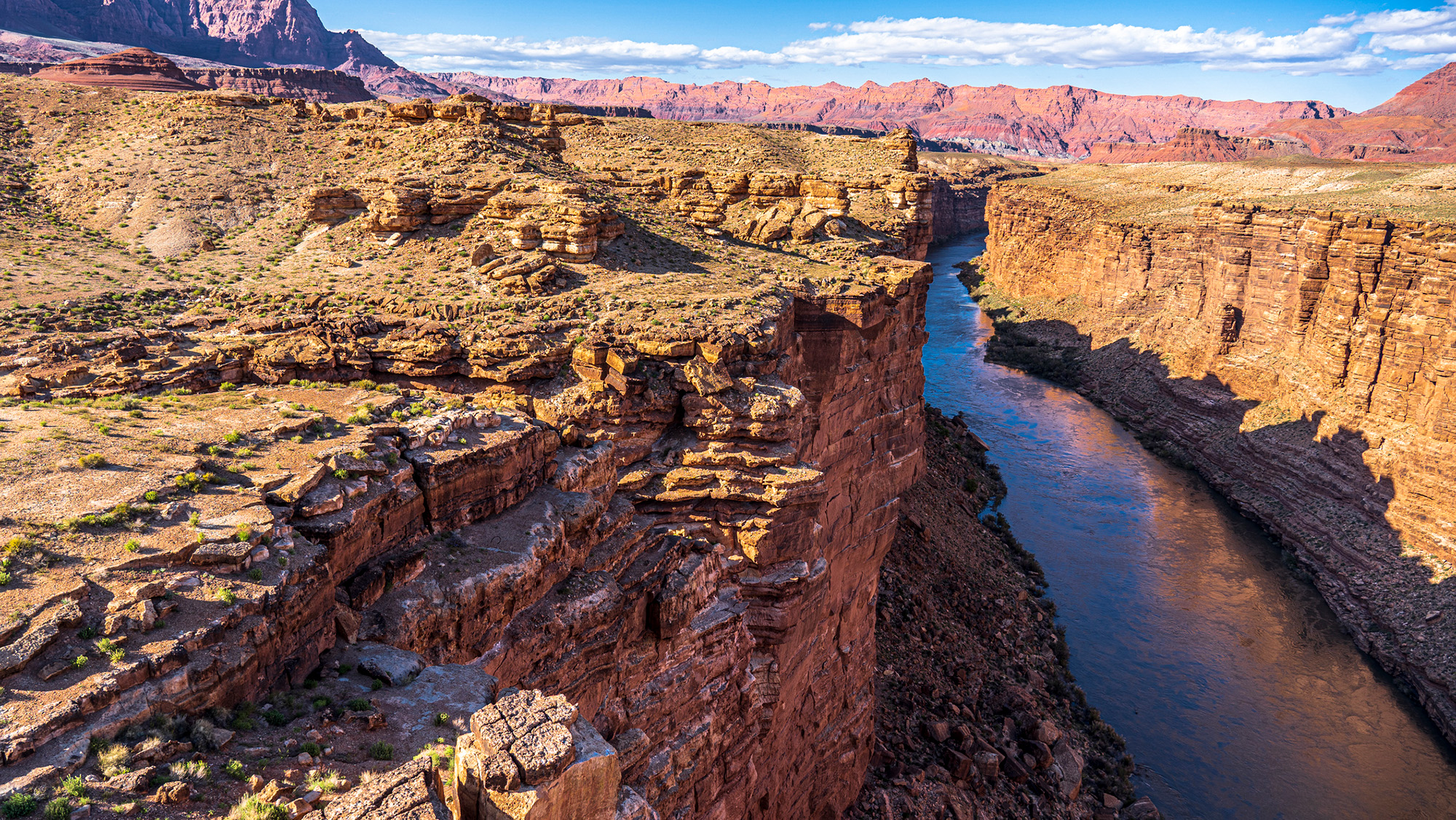
The Grand Canyon, a majestic chasm carved by the Colorado River, serves as one of the most profound geological classrooms on Earth. Yet, beneath its towering cliffs of sedimentary rock, a silent enigma exists that has puzzled geologists for over a century: the Great Unconformity. This profound break in the geological record represents a period of time—stretching upwards of 1.2 billion years—where vast layers of rock that should have been deposited simply do not exist. This gap is not merely a local anomaly of the American Southwest; it is a global phenomenon that marks a transformative epoch in the history of our planet.
Defining the Geological Gap
In the language of stratigraphy, an unconformity is a surface of contact between two groups of unconformable strata, representing a hiatus in the geological record. The "Great" Unconformity is distinct because of its massive temporal scale. In the Grand Canyon, it is visually striking: ancient Precambrian basement rocks, some dating back nearly 1.8 billion years, are topped abruptly by the Tapeats Sandstone, which was deposited during the Cambrian period roughly 500 million years ago.
Between these two layers, the rock record—which should contain the accumulation of sediment from nearly a billion years of Earth’s history—is missing. This period, roughly spanning from 1.2 billion to 500 million years ago, encompasses a time when the Earth underwent radical climate shifts, the assembly and breakup of supercontinents, and the early evolution of complex life.
A Chronology of Discovery
The concept of the unconformity was first championed by James Hutton, the father of modern geology, in the late 18th century at Siccar Point in Scotland. Hutton observed that the vertical layers of older rock were truncated by horizontal layers of younger stone, realizing that the earth was far older than previously assumed.
In the United States, the Grand Canyon’s Great Unconformity became the poster child for this geological mystery. Throughout the 19th and 20th centuries, scientists identified similar gaps across every continent, confirming that this was a planetary-scale event rather than a localized tectonic fluke.
The timeline of the missing years is generally categorized by three primary hypotheses:
- The Snowball Earth Hypothesis: During the Neoproterozoic era (approximately 720 to 635 million years ago), Earth may have been entirely encased in ice. Glacial erosion during this period could have scoured away massive amounts of existing sedimentary rock, effectively erasing the record.
- Supercontinent Cycles: The assembly and subsequent fragmentation of the supercontinent Rodinia caused massive tectonic upheaval. This activity likely forced the crust to rise, exposing existing rock to intense erosion by wind and water before it could be buried and preserved.
- Marine Transgression: As the supercontinent broke apart and global temperatures rose, rising sea levels flooded the exposed, eroded landmasses, depositing the Cambrian sediments we see today.
Supporting Data and Scientific Analysis
Recent geochemical analysis has provided new insights into why this gap exists. Researchers have utilized thermochronometry—a method that tracks the cooling of minerals—to determine the thermal history of the rocks beneath the unconformity. Data suggests that the basement rocks were buried under kilometers of crustal material that were stripped away during the "missing" interval.
Calculations indicate that in some regions, upwards of 3 to 5 kilometers of rock were removed. If this erosion occurred globally, it suggests that the "missing time" was not a period of silence, but a period of violent geological transformation. Furthermore, isotopes found in the younger, overlying Cambrian rocks show a spike in certain minerals, such as calcium and magnesium, which experts argue could have been the result of the massive erosion of the continental crust into the oceans.
Implications for the Evolution of Life
The timing of the Great Unconformity is not coincidental. It aligns almost perfectly with the "Cambrian Explosion," a period beginning approximately 541 million years ago when life on Earth diversified rapidly.
Some biologists and geologists suggest that the massive erosion event described above may have played a direct role in this biological bloom. As the land was stripped of its surface layers, billions of tons of minerals, nutrients, and dissolved ions were washed into the global oceans. This influx of nutrients may have acted as a chemical trigger, providing the necessary conditions for primitive life forms to evolve into more complex, shelled organisms. In this light, the "missing" rock record is not just a gap in history; it is the physical catalyst for the biodiversity we see today.
Official Perspectives and Academic Debate
While the scientific community generally agrees on the mechanism of erosion, the debate remains vigorous regarding the specific triggers. A 2019 study published in the Proceedings of the National Academy of Sciences argued that the "Snowball Earth" glaciation was the primary culprit. However, other researchers maintain that tectonic activity associated with the breakup of Rodinia was a more significant contributor.
Dr. Rebecca Flowers, a prominent geologist at the University of Colorado Boulder, has noted that the Great Unconformity is likely not a single event, but a "patchwork of unconformities" that occurred at different times and in different ways across the globe. This perspective has shifted the conversation from searching for a single "global killer" of the rock record to acknowledging the complexity of Earth’s shifting crustal systems.
Broader Impact on Our Understanding of Earth
The existence of the Great Unconformity forces geologists to confront the limitations of the rock record. It serves as a reminder that the history of our planet is not a continuous, readable book, but a series of fragmented chapters with entire volumes missing.
For the public, the Grand Canyon’s unconformity is a visceral representation of deep time. It forces observers to grapple with the idea that the ground beneath their feet has been recycled, eroded, and reformed over eons. It underscores the dynamic nature of the planet; the Earth is not a static object but a living, changing system where mountains rise and fall, and the very ground we stand on is merely a temporary snapshot of a much longer, hidden narrative.
Looking Toward Future Research
Future research is now focused on high-resolution mapping of the unconformity surface using satellite imagery and advanced seismic scanning. By comparing the exact chemical composition of the rock directly above and below the gap in various locations, scientists hope to piece together the specific atmospheric and tectonic conditions that existed during the late Neoproterozoic.
Furthermore, international cooperation in drilling projects—some targeting the deep ocean floors where the unconformity may also be preserved—could reveal more about how global sea levels behaved during this transition. As technology improves, the "missing" billion years may eventually be reconstructed, not by finding the missing rocks, but by interpreting the chemical signatures left behind in the sediments that survived the great purge.
Ultimately, the Great Unconformity is one of the most important stories in geology. It bridges the gap between the ancient, mysterious Earth of the Precambrian and the recognizable, life-filled world of the Cambrian. It reminds us that our planet’s history is a story of constant change, where destruction is often the prerequisite for creation, and where the most significant events in our history are often hidden in plain sight.
Related posts: