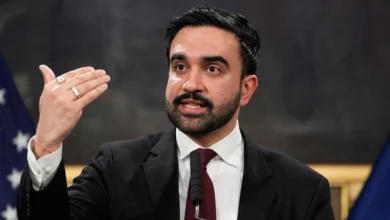
Jeanine Pirro Details DC Crime Reduction, Fraud Prosecution Efforts Amid White House Scrutiny Over Youth Sentencing Laws

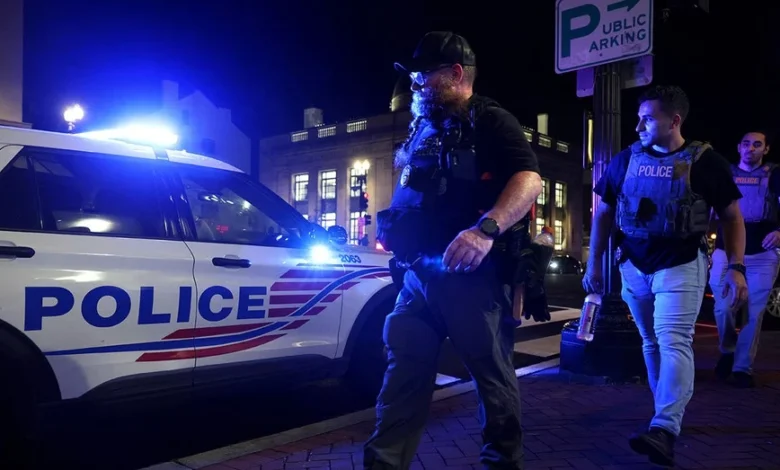
Washington, D.C. — A recent judicial decision in the District of Columbia has ignited a fierce national debate regarding juvenile and youth sentencing guidelines, pitting federal prosecutors and the White House against local judicial discretion. The case centers on 19-year-old Darius Drew, who was released on probation despite firing more than 20 rounds into a residential Northwest Washington neighborhood, wounding a young boy playing basketball.
The ruling has drawn sharp rebukes from federal authorities, who point to the incident as a prime example of systemic flaws in local sentencing laws. The controversy unfolds against the backdrop of an aggressive federal law enforcement campaign in the nation’s capital, spearheaded by President Trump’s Safe and Beautiful Task Force, which aims to reverse years of escalating urban crime through targeted sweeps, increased prosecutions, and strict law-and-order policies.
The Chronology of the Shooting and Arrest
The events leading up to the high-profile judicial clash began in May, shaking a quiet Northwest Washington residential community and drawing an immediate, high-priority response from local and federal law enforcement agencies.
On May 11, surveillance equipment and neighborhood acoustic monitoring devices captured the initial moments of violence. According to federal court documents and prosecutorial evidence, Darius Drew rode a Lime bicycle into a residential alley before pulling out a firearm and opening fire on a parked motor vehicle. The ShotSpotter gunfire detection system registered approximately 10 rounds fired during this initial volley.
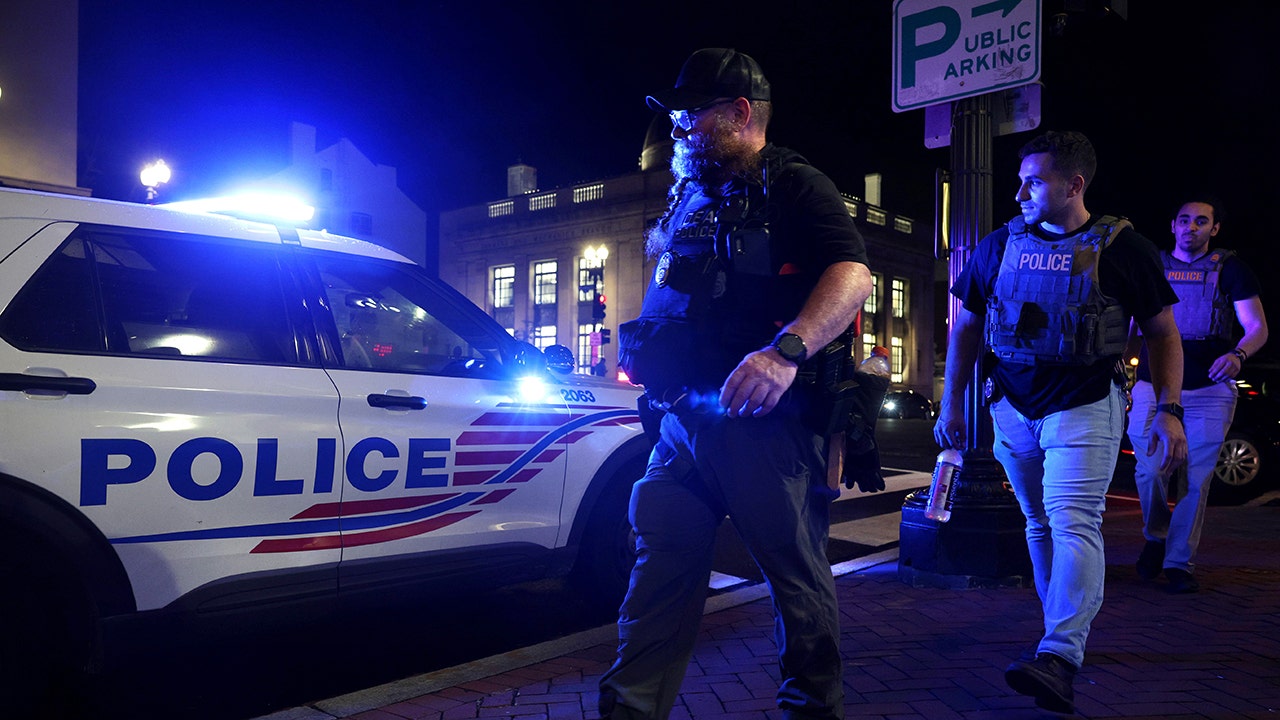
Moments later, Drew redirected his firearm toward a nearby residential property. Stray gunfire struck a young boy who was playing basketball at a local recreation center, inflicting a leg wound that required medical attention. By the time the barrage ended, investigators determined that Drew had discharged more than 20 rounds of ammunition into a populated neighborhood.
Law enforcement quickly launched a comprehensive investigation utilizing street-level surveillance and forensic evidence. On May 22, federal and local authorities executed a search warrant at Drew’s residence. Inside his bedroom, investigators recovered two illegal firearms, ammunition caches, and significant quantities of suspected narcotics and marijuana. Drew was promptly taken into custody and charged with multiple offenses, including aggravated assault and carrying a pistol without a license.
The Controversial Plea and Sentencing
Following his arrest, Drew remained incarcerated for nearly six months awaiting trial. On August 10, he formally entered a guilty plea to charges of aggravated assault and carrying a pistol without a license.
During the sentencing phase, federal prosecutors pressed for a prison term of five years, arguing that the severity of the offense—indiscriminate mass shooting in a residential area resulting in injury—demanded a substantial period of incarceration to ensure public safety and serve as a deterrent.
However, D.C. Superior Court Judge Jennifer Di Toro ultimately rejected the prosecution’s recommendation. Over the vehement objections of the U.S. Attorney’s Office, Judge Di Toro granted Drew sentencing relief under the District of Columbia’s Youth Rehabilitation Act (YRA). The judge suspended a two-year prison sentence and instead imposed 18 months of supervised probation. Drew was released from custody on Friday, having served roughly six months behind bars since his initial May arrest.

White House and Federal Prosecution Backlash
The decision to release Drew on probation triggered immediate condemnation from the highest levels of the federal government. White House officials wasted no time denouncing the sentence as a manifestation of systemic leniency within the local judicial framework.
"The case illustrates the insanity of Washington, D.C.’s soft-on-crime policies that allow adults to receive just a slap on the wrist for dangerous crimes like firing twenty rounds of ammunition into the community," said White House spokeswoman Lauren Bis in a statement provided to digital media outlets.
Bis further commended federal intervention efforts, noting that despite local legislative hurdles, the administration’s public safety initiatives continue to target violent offenders. "It is remarkable that even with these types of radical policies in place, President Trump’s Safe and Beautiful Task Force has been able to drive down violent crime in our nation’s capital," Bis added.
U.S. Attorney for the District of Columbia Jeanine Pirro has similarly been vocal about the dangers posed by the current structure of the YRA. Pirro, who assumed office following her swearing-in ceremony in the Oval Office in May, has made criminal justice reform and aggressive prosecution central pillars of her tenure.
Pirro previously addressed the D.C. Council in an August 6 letter, explicitly warning lawmakers about the statutory loopholes created by the expansive interpretation of the Youth Rehabilitation Act. In that correspondence, Pirro highlighted a comparable case involving another 19-year-old defendant who pleaded guilty to offenses carrying mandatory minimum sentences of five years, yet walked away with probation following a brief four-month pre-trial jail stint after shooting a victim in the chest aboard a Metrobus.

"This sentence was a legal sentence only because he was sentenced under the YRA," Pirro wrote at the time, arguing that the legislation in its current form severely undermines public safety by prioritizing blanket leniency over proportional accountability.
Understanding the Youth Rehabilitation Act
Enacted to provide a pathway for young offenders to reform without ruining their long-term employment and housing prospects, the District of Columbia’s Youth Rehabilitation Act has become a flashpoint for legal scholars, lawmakers, and law enforcement officials.
Originally designed for youthful lawbreakers, the D.C. Council significantly expanded the statute in 2018. Under the current iteration of the law, eligible defendants who commit crimes before turning 25 can receive sentences well below statutory mandatory minimums. Furthermore, successful completion of probation or a modified sentence can allow offenders to have their criminal convictions legally set aside or expunged. While murder and the most severe sexual assault offenses are legally excluded from YRA eligibility, a vast array of violent crimes—including aggravated assault, armed robbery, and weapons offenses—remain covered.
Data compiled by the U.S. Attorney’s Office for the District of Columbia underscores the sweeping reach of the statute. According to federal prosecutors, an astonishing 96% of defendants under the age of 25 who received felony sentences in D.C. Superior Court between 2022 and 2024 were legally eligible for sentencing consideration under the YRA.
Legal analysts and prosecutors argue that this broad eligibility threshold ties the hands of judges who might otherwise impose stiff custodial sentences, while critics contend it effectively normalizes violent behavior by shielding young adult offenders from meaningful penal consequences. Conversely, civil rights advocates and local defense attorneys maintain that the statute is a vital mechanism for rehabilitation, asserting that long-term incarceration rates among young adults often exacerbate recidivism rather than curb it.
Broad Federal Intervention and Crime Reduction Metrics
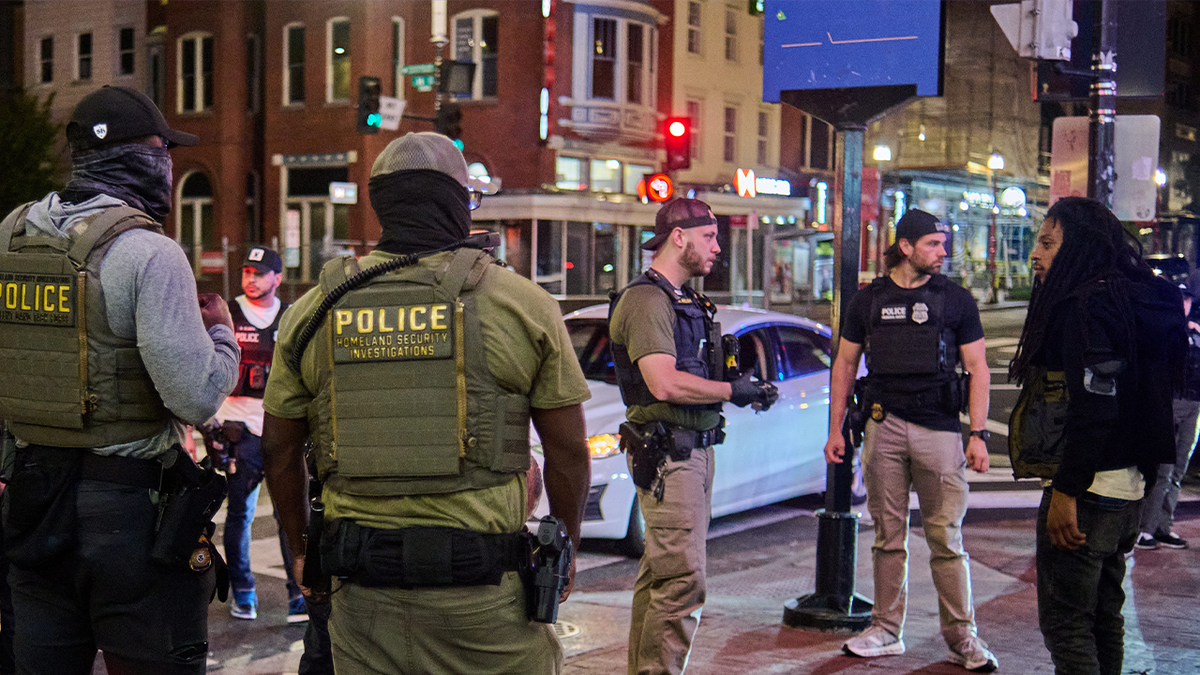
The controversy surrounding Drew’s sentencing unfolds against a broader canvas of federal intervention in municipal affairs. On August 11, the administration enacted sweeping measures to combat urban violence, effectively federalizing aspects of the district’s security apparatus and deploying specialized federal task forces.
According to federal law enforcement metrics, President Trump’s Safe and Beautiful Task Force has driven substantial operational successes across the capital. Since the initiative’s inception in August, federal law enforcement agents have executed more than 1,914 targeted arrests. Wider cumulative statistics released by federal agencies indicate that operations under the federal blitz have resulted in thousands of detentions, contributing to a reported decline in homicides and a measurable surge in violent crime arrests compared to previous years.
U.S. Attorney Pirro has consistently attributed these positive public safety indicators—including a reported 20% reduction in overall violent crime within Washington, D.C.—to proactive federal prosecutions, aggressive indictment strategies, and the dismantling of sophisticated criminal rings. Pirro has pointed to several high-profile victories, including the successful prosecution of a Dominican national involved in a $1 million unemployment fraud scheme and the conviction of a former Federal Reserve advisor who leaked sensitive information to foreign intelligence operatives.
However, federal officials maintain that the gains achieved by the task force remain vulnerable as long as local sentencing statutes permit violent felons to return to the streets swiftly. Pirro and her office continue to advocate for legislative revisions that would lower the age of criminal responsibility, eliminate sentencing loopholes for repeat violent offenders, and ensure that individuals who commit heinous acts face commensurate custodial penalties.
As local lawmakers, judicial authorities, and federal prosecutors grapple with the legal parameters of the Youth Rehabilitation Act, the Darius Drew case remains a central case study in the ongoing national debate over criminal justice reform, public safety, and the balance between rehabilitation and accountability in America’s cities.
Related posts: