Is It Time To Move On From Pizza Hut? Customers Have Been Flocking To A Cheaper Chain For Years

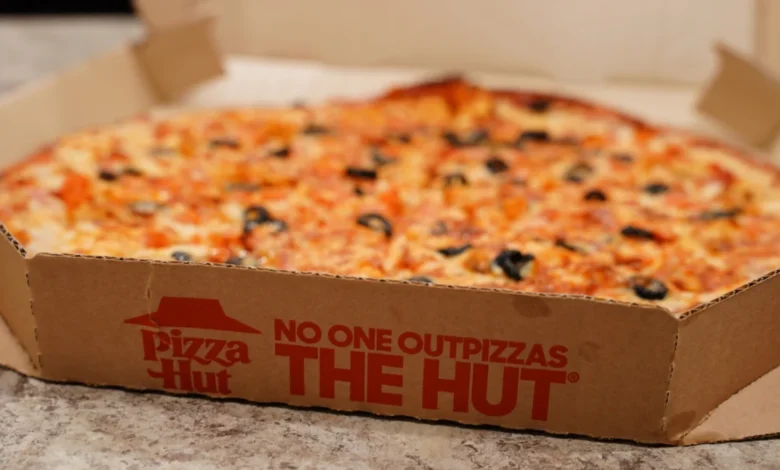
The fast-food landscape in the United States has undergone profound transformations over the past two decades, driven by economic pressures, shifting consumer habits, and the rapid evolution of the quick-service restaurant (QSR) sector. Among the hardest hit by these macroeconomic and cultural shifts are legacy sit-down and delivery pizza chains. Once a dominant fixture of American suburban life, Pizza Hut has experienced a noticeable slide in public perception, with an increasing number of patrons voicing their dissatisfaction online and in community forums. As diners navigate persistent inflation and rising menu costs, many have abandoned the brand in favor of a simpler, drastically more affordable competitor: Little Caesars.
This shift highlights a broader crisis of value within the fast-food industry. While Pizza Hut has historically maintained a prominent position on culinary rankings—including favorable historical placements on Tasting Table’s popular chain indexes—contemporary consumer sentiment tells a starkly different story. Today, diners frequently criticize the chain for escalating prices that no longer align with product quality. Consequently, a significant migration of budget-conscious consumers has turned Little Caesars into a dominant force in value-driven convenience dining.
Nostalgia Meets Discontent: The Evolution of Pizza Hut
To understand the current friction between Pizza Hut and its customer base, it is necessary to examine the brand’s historical trajectory. Founded in Wichita, Kansas, in 1958 by brothers Dan and Frank Carney, Pizza Hut revolutionized the American casual dining experience. During the 1970s, 1980s, and 1990s, the company built its empire not merely on pizza, but on the dine-in experience.
For generations of consumers, Pizza Hut restaurants were community hubs. Locations featured distinctive red-roof architecture, dimly lit dining rooms, salad bars, jukeboxes, and arcade games. The "Book It!" reading incentive program further cemented the brand’s cultural footprint among school-aged children.
However, the turn of the millennium marked a strategic shift. Facing rising real estate costs, shifting consumer preferences toward delivery and carryout, and intense competition from digitally savvy rivals like Domino’s, Yum! Brands (Pizza Hut’s parent company since 1997) began aggressively pivoting away from the traditional dine-in model. Hundreds of sit-down restaurants were closed, downsized, or converted into delivery-and-carryout-only storefronts.
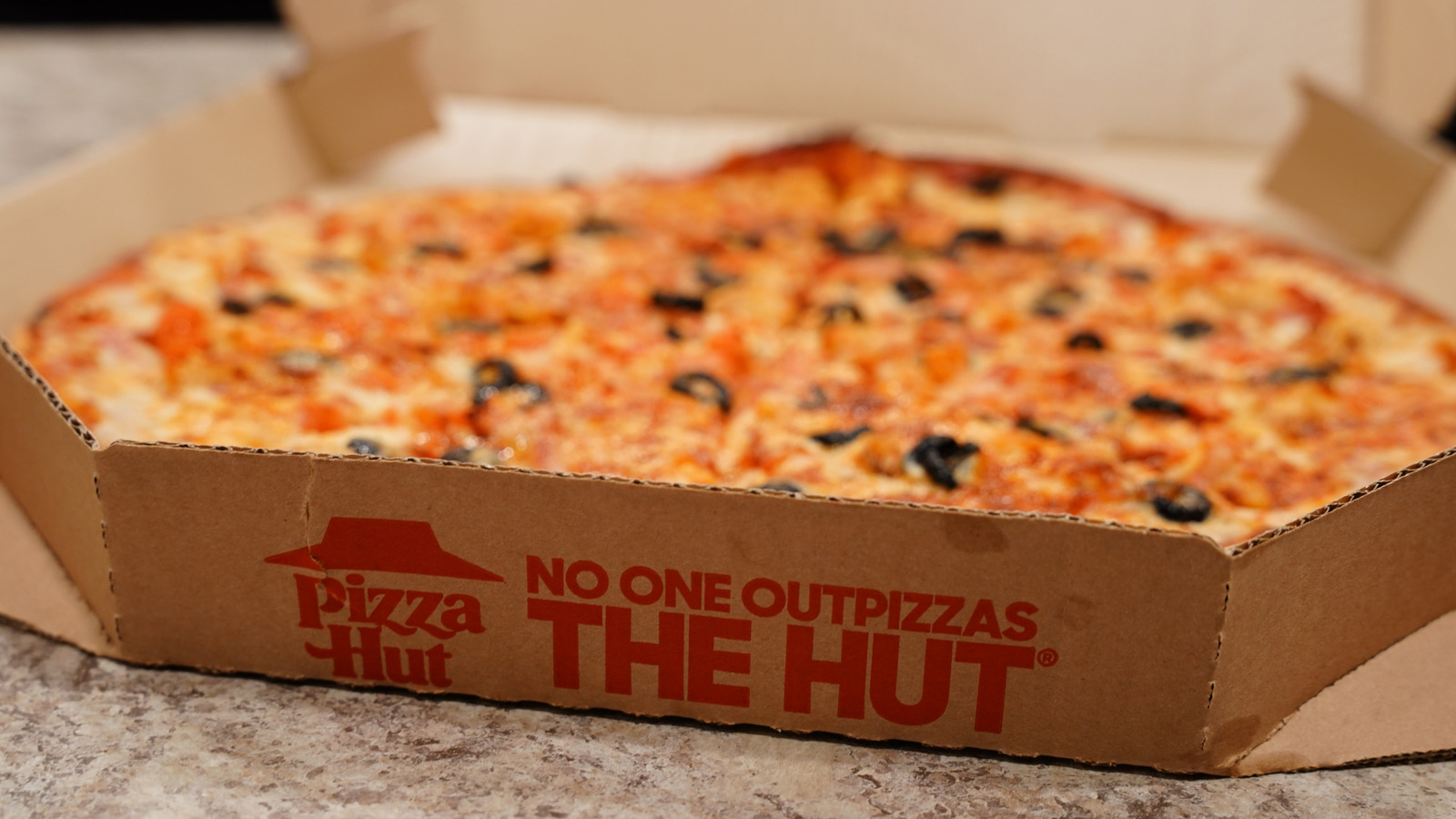
With the removal of the arcade games, salad bars, and sit-down dining rooms, critics argue that Pizza Hut lost its unique identity. On modern online forums such as Reddit, disgruntled consumers frequently reminisce about the pre-2000 era, claiming that the quality of the ingredients, the texture of the crust, and the overall dining experience have deteriorated significantly. Commenters often note that contemporary Pizza Hut offerings fail to justify their premium price points, leading to a profound sense of alienation among long-time loyalists.
The Rise of Little Caesars and the Quest for Value
While Pizza Hut restructured its business model to focus on streamlined delivery and premium-priced specialty pies, Little Caesars pursued a radically different path. Founded in Garden City, Michigan, in 1959 by Mike and Marian Ilitch, the chain carved out a distinct market niche centered on extreme affordability and operational efficiency.
Little Caesars revolutionized the industry in 2004 with the introduction of its "Hot-N-Ready" model, which allowed customers to walk into a store and purchase a freshly made pepperoni pizza immediately, without placing an advance order or waiting for delivery. This frictionless, low-cost model proved exceptionally resilient during economic downturns.
As inflationary pressures peaked in the 2020s, reducing household purchasing power across the United States, Little Caesars solidified its reputation as a leading value option. Consumer sentiment analyses reveal that many modern diners view Little Caesars not merely as a budget alternative, but as a superior economic proposition compared to its legacy competitors.
Discussions across social media platforms frequently highlight the stark price disparities between major chains. A standard large pizza from Pizza Hut can often cost double the price of a comparable carryout option from Little Caesars. For budget-conscious families and college students, this cost differential outweighs minor variations in gourmet flavor profiles. Furthermore, some consumers note an ironic nostalgic loop, arguing that current iterations of Little Caesars products taste remarkably similar to the classic, unpretentious pizza styles popularized by chains like Pizza Hut during the late 20th century.
Quality Debates and Market Polarization
Despite its surging popularity among thrifty consumers, Little Caesars is not immune to criticism. The chain’s ultra-low price points are achieved through high-volume, standardized production methods that occasionally draw negative reviews. Detractors frequently complain about inconsistencies across locations, citing issues such as undercooked dough, sparse toppings, and lower-tier ingredients compared to artisanal or mid-tier delivery competitors.
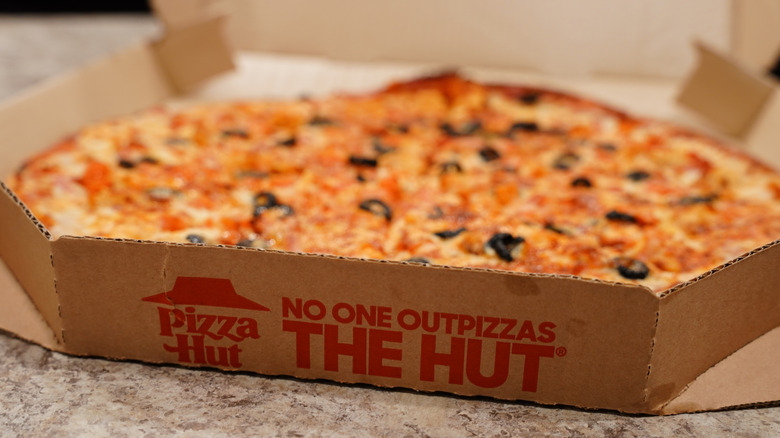
Culinary purists and dedicated loyalists of brands like Domino’s and Pizza Hut remain steadfast in their preference for higher-quality cheese blends, specialized crust styles, and diverse menu options. For these consumers, the compromises required to achieve Little Caesars’ low price points are simply too high.
This polarization reflects a wider bifurcation within the American fast-food market. Consumers are increasingly divided into two distinct camps: those prioritizing convenience, premium ingredients, and gourmet flavor profiles regardless of cost, and those prioritizing absolute financial value in the face of broader economic constraints.
Broader Implications and Industry Trends
The migration of customers from Pizza Hut to Little Caesars serves as a micro-case study for the broader fast-food sector. As consumer price sensitivity increases due to prolonged inflation, housing cost increases, and stagnant median wages, legacy brands that attempt to operate in a mid-tier pricing purgatory face severe headwinds.
When a restaurant chain raises prices to protect profit margins without a corresponding increase in perceived food quality or service, it risks alienating its core demographic. To counteract these trends, major quick-service chains have increasingly turned to digital loyalty programs, promotional value bundles, and app-exclusive discounts to retain price-sensitive consumers. However, as independent online discourse demonstrates, promotional band-aids are often insufficient to reverse decades of perceived declines in quality and brand identity.
Ultimately, whether consumers choose to abandon legacy giants like Pizza Hut for ultra-affordable alternatives like Little Caesars—or bypass commercial fast food entirely in favor of home cooking—the modern dining public is exercising greater scrutiny than ever before. For restaurant executives and corporate strategists, the message from the marketplace is clear: in an era of heightened economic anxiety, value remains the ultimate currency.