The enduring popularity of the Sloppy Joe as a staple of American comfort food has seen a resurgence in domestic culinary trends, driven by a renewed focus on simple, cost-effective, and high-yield family meals. Originating as a variation of the loose meat sandwich in the early 20th century, the dish has evolved from its regional roots in Iowa and the Midwest into a ubiquitous item in both school lunch programs and home kitchens. Recent data from consumer food indices suggests that interest in "classic comfort" meals has increased by 15% since 2022, as households seek to balance inflation-sensitive grocery budgets with the demand for palatable, child-friendly nutrition.
Historical Context and Culinary Evolution
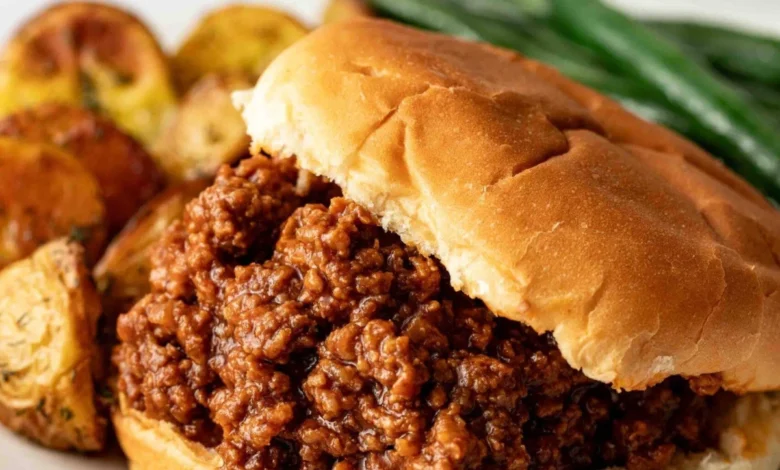
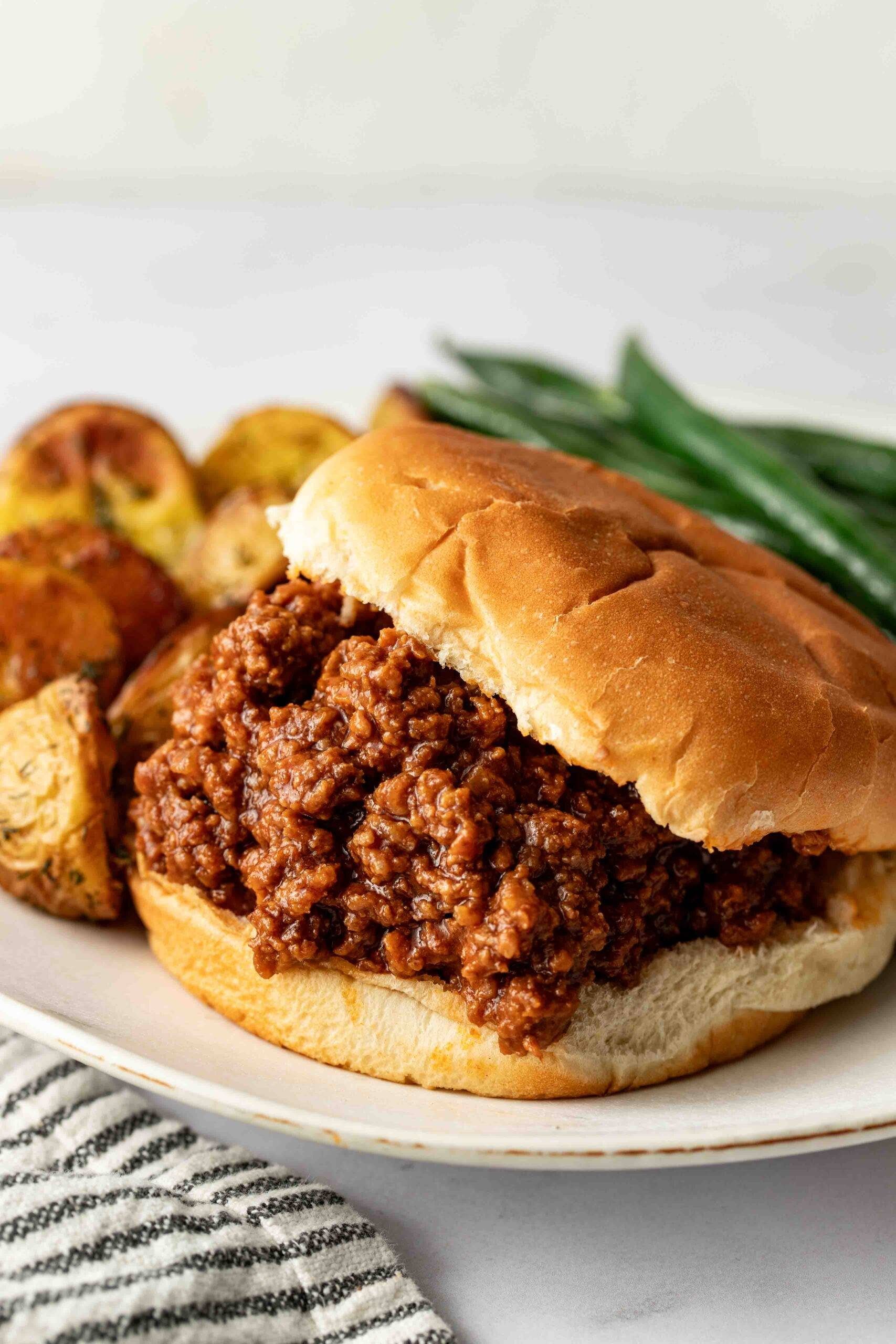
The Sloppy Joe is traditionally characterized by ground beef, onions, sweetened tomato sauce, and various seasonings, served on a hamburger bun. While its precise origin remains a subject of historical debate, most food historians point to the "loose meat" sandwich—popularized in Sioux City, Iowa, in the 1930s—as the primary ancestor of the modern dish.
Over the decades, the recipe has been streamlined by commercial canned sauce manufacturers, yet a recent trend toward "scratch-made" versions—using specific ratios of BBQ sauce, ketchup, and savory aromatics—has gained significant traction. This shift is largely attributed to parents who, despite wanting to replicate the familiar, nostalgic taste of school cafeteria fare, are increasingly concerned about the ingredient transparency of mass-produced, shelf-stable sauces.

The Methodology of Modern Preparation
A refined, contemporary approach to the Sloppy Joe involves a departure from the traditional inclusion of diced fresh aromatics, such as onions or peppers, in favor of a smoother, more uniform texture. Culinary experts note that this "uncluttered" texture profile is often more acceptable to younger palates, which may reject the intermittent crunch of poorly cooked vegetables.
The modern, optimized preparation process generally follows a standardized professional workflow:
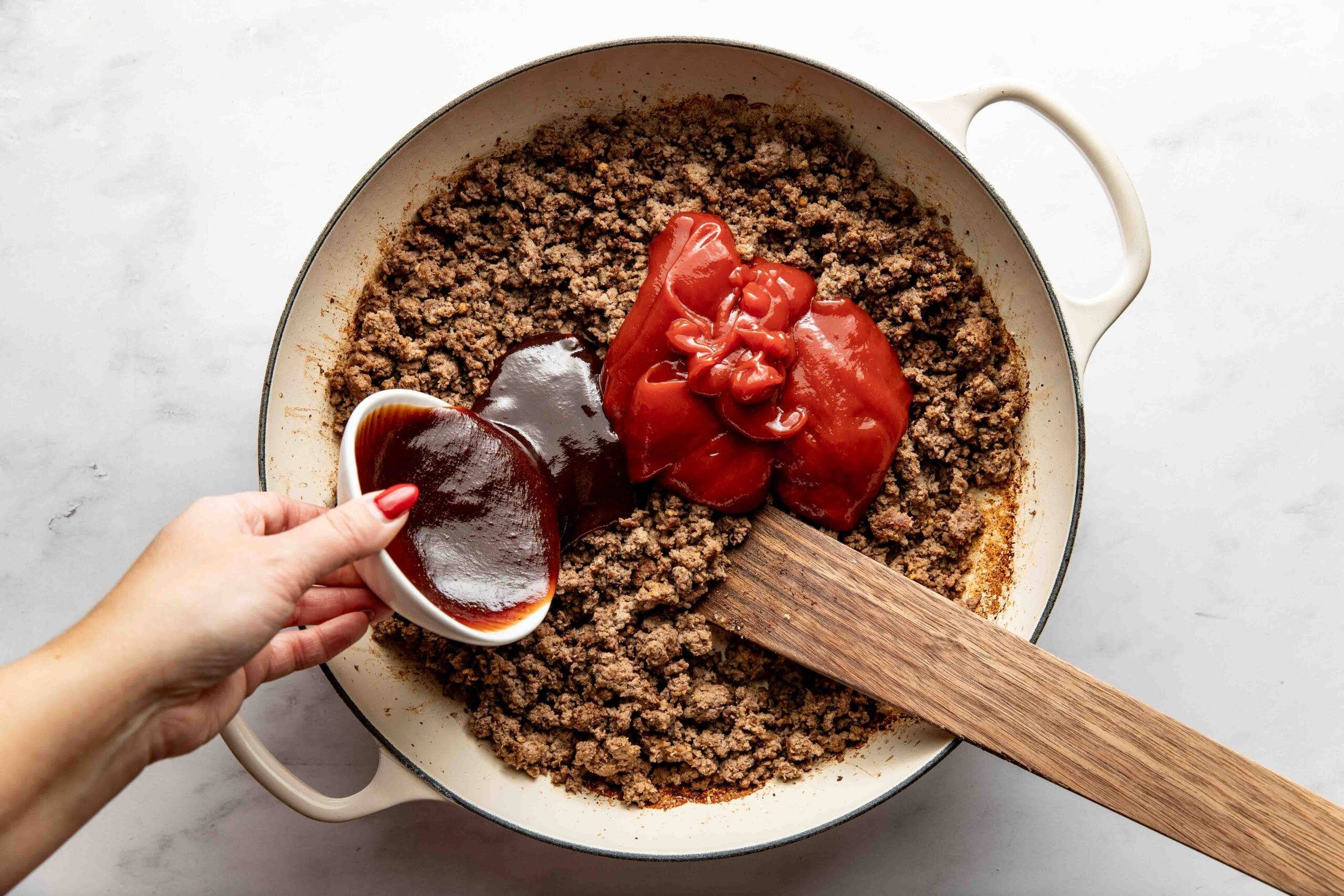
- Protein Foundation: The ground beef is seared in a heavy-bottomed pan or Dutch oven, allowing for the Maillard reaction to occur—the chemical process that creates a deep, golden-brown crust. This browning step is critical for developing the base flavor profile.
- Flavor Integration: Instead of complex spice blends, chefs are increasingly utilizing high-quality beef bouillon and concentrated umami agents like BBQ sauce and ketchup to achieve a balance of sweetness and acidity.
- Simmering and Reduction: A crucial, often overlooked step is the reduction phase. Allowing the mixture to simmer for 30 to 60 minutes facilitates the caramelization of sugars within the sauce, resulting in a glossy, thickened consistency that adheres to the meat rather than soaking into the bun.
Economic and Practical Implications
The rise of the "school-style" Sloppy Joe at home represents a broader shift in the home-cooking landscape. With the rising cost of living, families are prioritizing ingredients that offer high versatility. Ground beef remains one of the most cost-effective sources of protein per ounce, and the simplicity of the Sloppy Joe—which requires minimal specialized equipment—makes it an ideal candidate for meal planning.
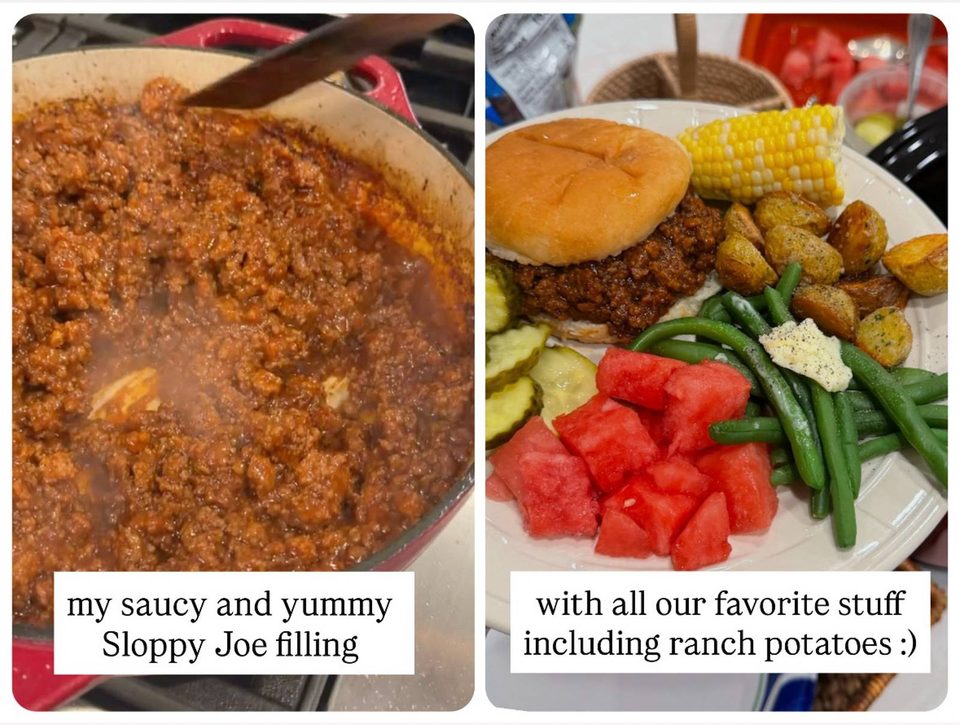
Furthermore, the integration of side dishes like seasoned potatoes, often referred to as "Ranch Potatoes," adds a layer of nutritional satiety that elevates the meal from a simple sandwich to a balanced dinner. The addition of dry ranch seasoning—a blend of buttermilk powder, garlic, onion, and dried herbs—to roasted potatoes has become a signature pairing, reflecting the modern preference for "high-impact, low-effort" flavoring agents.

Nutritional Perspectives
While the classic Sloppy Joe is often criticized for its sugar content due to the use of ketchup and BBQ sauce, nutritional analysts suggest that the home-cooked version allows for greater moderation. By adjusting the ratio of acidity (vinegar/tomato base) to sugar (molasses/syrup base), home cooks can significantly reduce the glycemic load of the meal.
Furthermore, the substitution of fresh vegetables in the sauce for a side of green beans or a salad provides the necessary fiber and micronutrients that are often absent in the traditional sandwich-only configuration. The inclusion of Greek yogurt and mayonnaise-based dipping sauces for potatoes—a common modern pairing—also introduces a source of probiotics and protein that complements the carbohydrate-heavy main course.

The Role of Institutional Influence
The phenomenon of children requesting specific dishes that they first encountered in school settings is a well-documented aspect of developmental psychology and food sociology. School nutritionists report that familiar, consistent flavor profiles in cafeteria food create a sense of psychological comfort. When a parent successfully replicates this "school-style" recipe at home, it serves to bridge the gap between the child’s academic environment and their home life, reinforcing positive associations with mealtime.
Industry professionals suggest that this trend is likely to continue as more parents seek to emulate the "comfort" of public institutional food while ensuring the quality of ingredients is superior to that of bulk-processed alternatives.
Future Outlook for Comfort Food
The long-term impact of this culinary movement suggests that the "Sloppy Joe" will remain a staple for the foreseeable future. As the industry moves toward simplified, flavor-dense preparations, the focus will likely remain on the "low-friction" cooking model—where recipes are designed to be forgiving, adaptable, and easily scaled for families.
The successful adaptation of the school-lunch classic into a home-cooked, elevated dish demonstrates that even the most humble, non-fancy recipes can command high levels of demand when they successfully hit the markers of texture, flavor, and nostalgia. For the modern household, the Sloppy Joe is no longer just a budget-friendly lunch; it is a reliable, high-satisfaction solution that meets the diverse needs of both children and adults in an increasingly fast-paced world.

In summary, the transition from institutional, mass-produced meals to intentional, home-prepared versions of the same dishes reflects a broader societal shift toward valuing family time and culinary transparency. By stripping away unnecessary complexity and focusing on the core elements—high-quality protein, balanced sauces, and thoughtful pairings—home cooks are successfully reclaiming a classic American staple. As long as the demand for comforting, accessible, and kid-friendly dinners persists, the Sloppy Joe will undoubtedly retain its position as a cornerstone of the American dinner table.