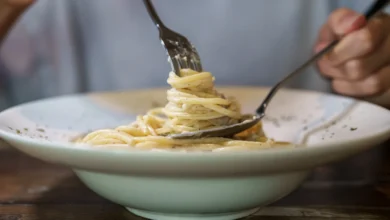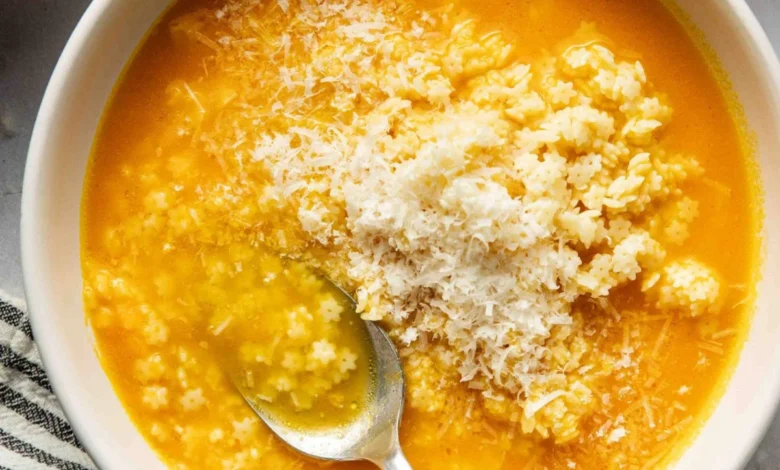
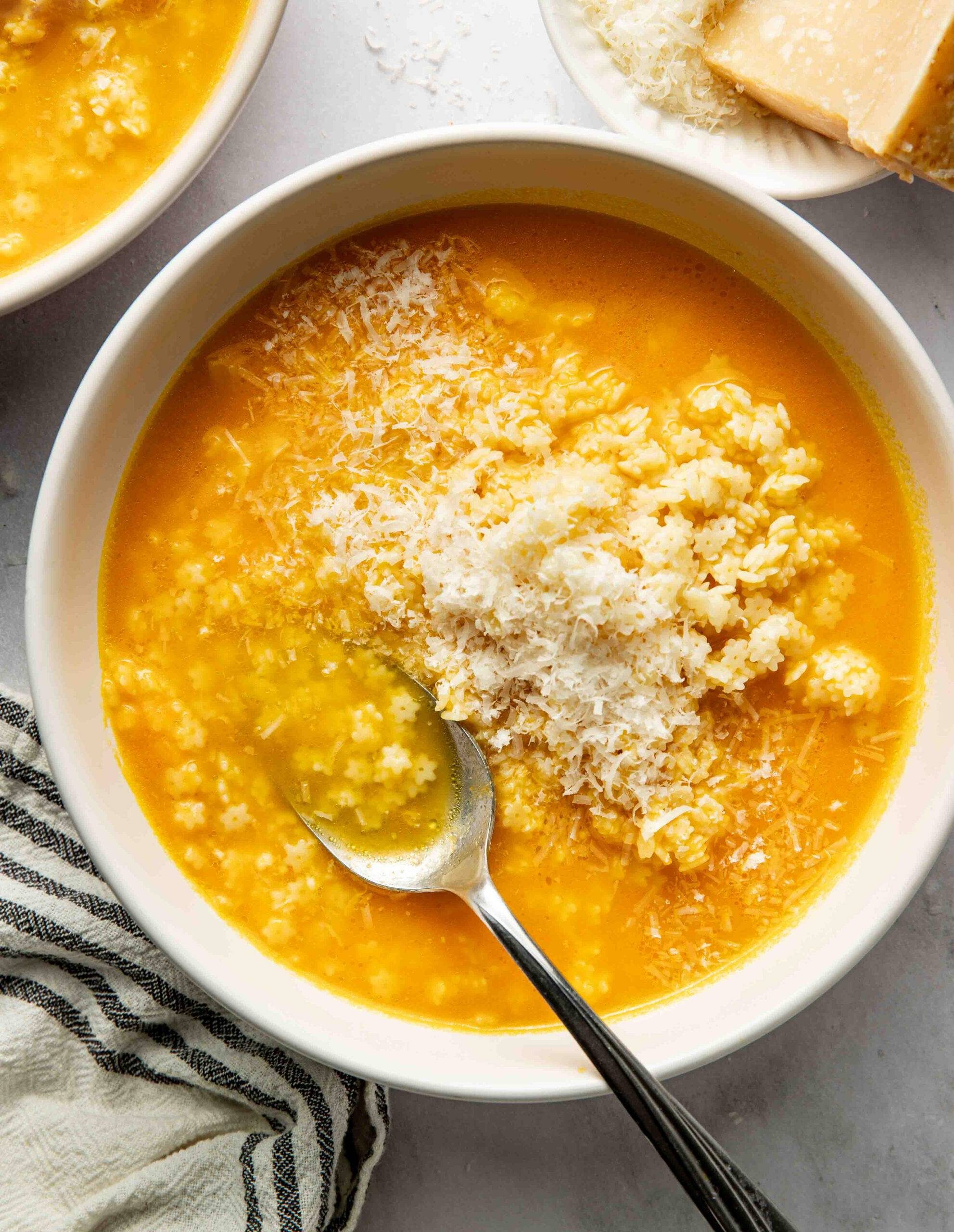
The culinary world has recently seen a significant surge in the popularity of "pastina," a traditional Italian comfort dish consisting of tiny, star-shaped pasta served in a savory broth. Often referred to by the colloquial moniker "Italian Penicillin," this simple preparation has transitioned from the private kitchens of Italian households to a global phenomenon, gaining notable traction on social media platforms and within mainstream food culture. The dish is fundamentally categorized as a therapeutic, nutrient-dense, and easily digestible meal, frequently prepared for individuals recovering from illness or seeking physiological and emotional comfort.
Historical Context and Cultural Significance
The term "pastina" refers specifically to the size and shape of the pasta—typically stars, small spheres, or tiny alphabets—designed to be cooked quickly and consumed easily. Historically, Italian families have utilized pastina as a staple "sick-day" meal for generations. Its cultural utility is rooted in the concept of "cucina povera" (peasant cooking), which relies on simple, accessible ingredients—pasta, broth, and cheese—to create satisfying nourishment.
The classification of the dish as "Italian Penicillin" underscores its historical reputation as a functional food. While it lacks clinical medicinal properties, its high moisture content, electrolyte-rich broth, and simple carbohydrates provide essential hydration and energy for those experiencing a diminished appetite due to illness. The dish serves as a culinary equivalent to the chicken noodle soup tradition in North American households, representing a universal approach to convalescence through warm, savory liquids.

The Mechanism of Preparation
The modern preparation of pastina soup involves a methodical approach to maximizing flavor extraction from basic components. Professional culinary techniques, often adopted by home cooks, suggest a two-fold process: the creation of a concentrated broth followed by the integration of the starch.
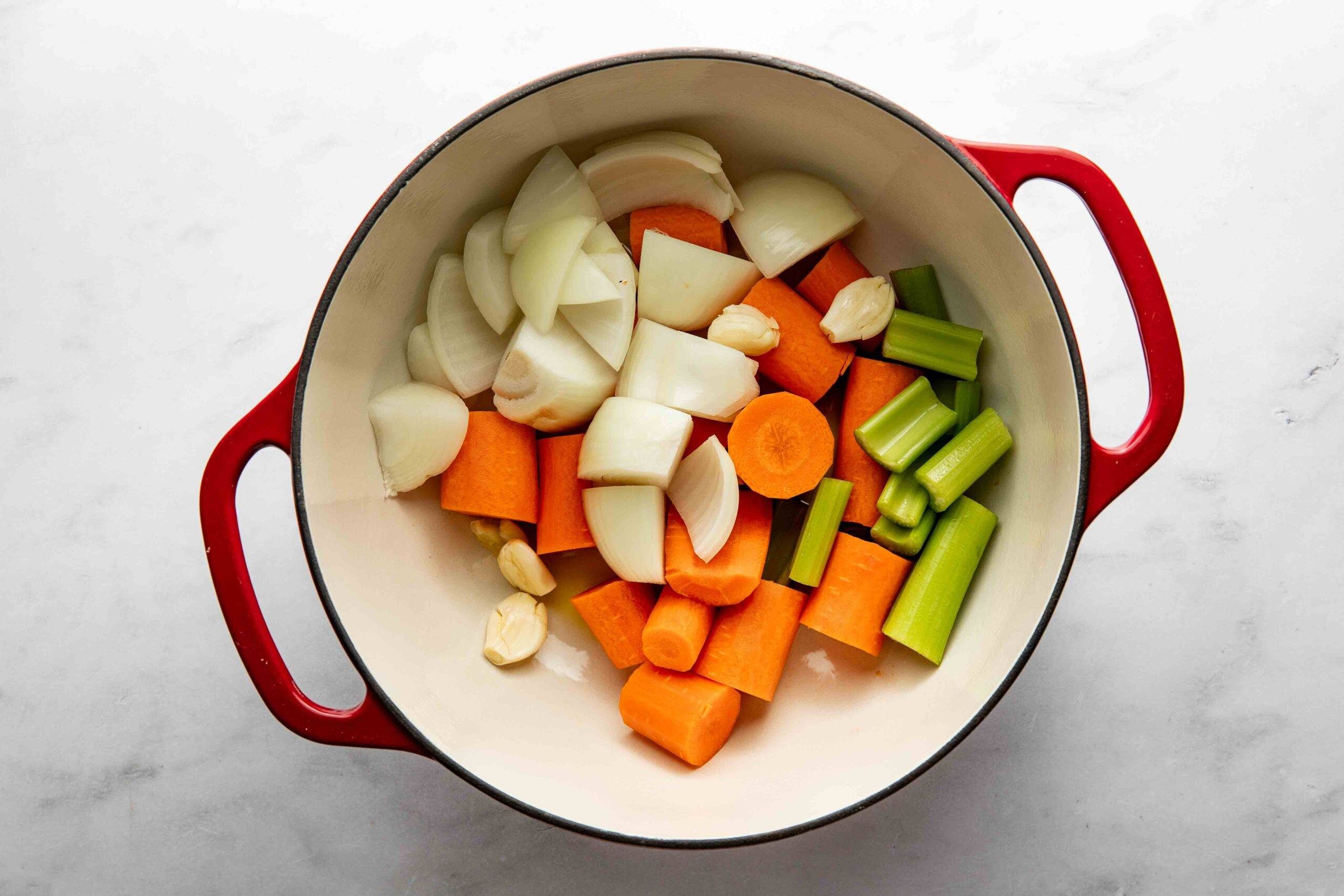
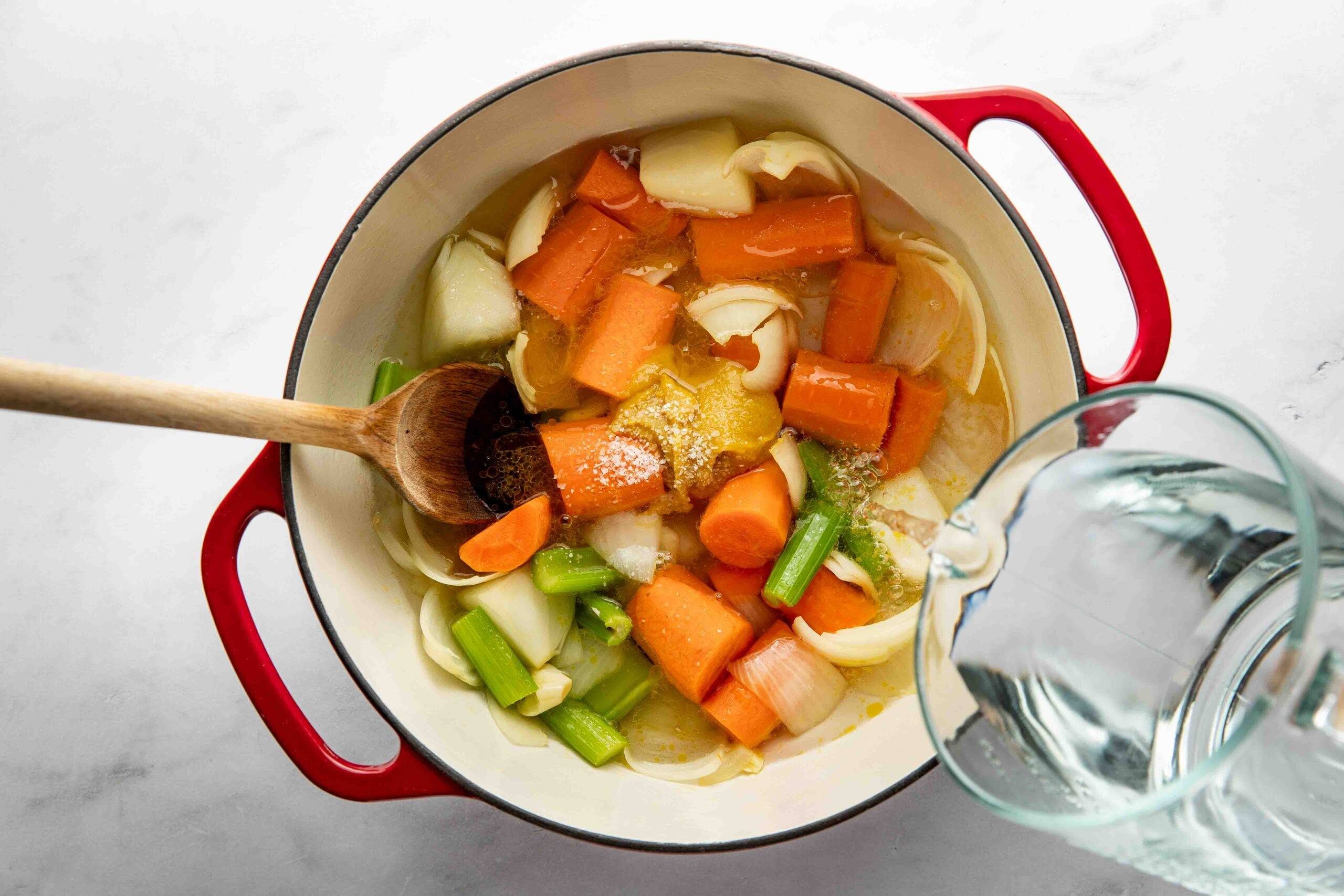
The initial stage involves the sautéing of aromatic vegetables—such as carrots, onions, and celery—in olive oil. This process, known as sweating, serves to release the essential oils and sugars within the vegetables, providing a complex foundation for the broth. Following this, the addition of a high-quality bouillon or bone-based liquid is essential for protein content. Many contemporary adaptations utilize "Better Than Bouillon" or similar concentrated bases to achieve a depth of flavor that is typically associated with long-simmered stocks, effectively bypassing the hours of boiling traditionally required.
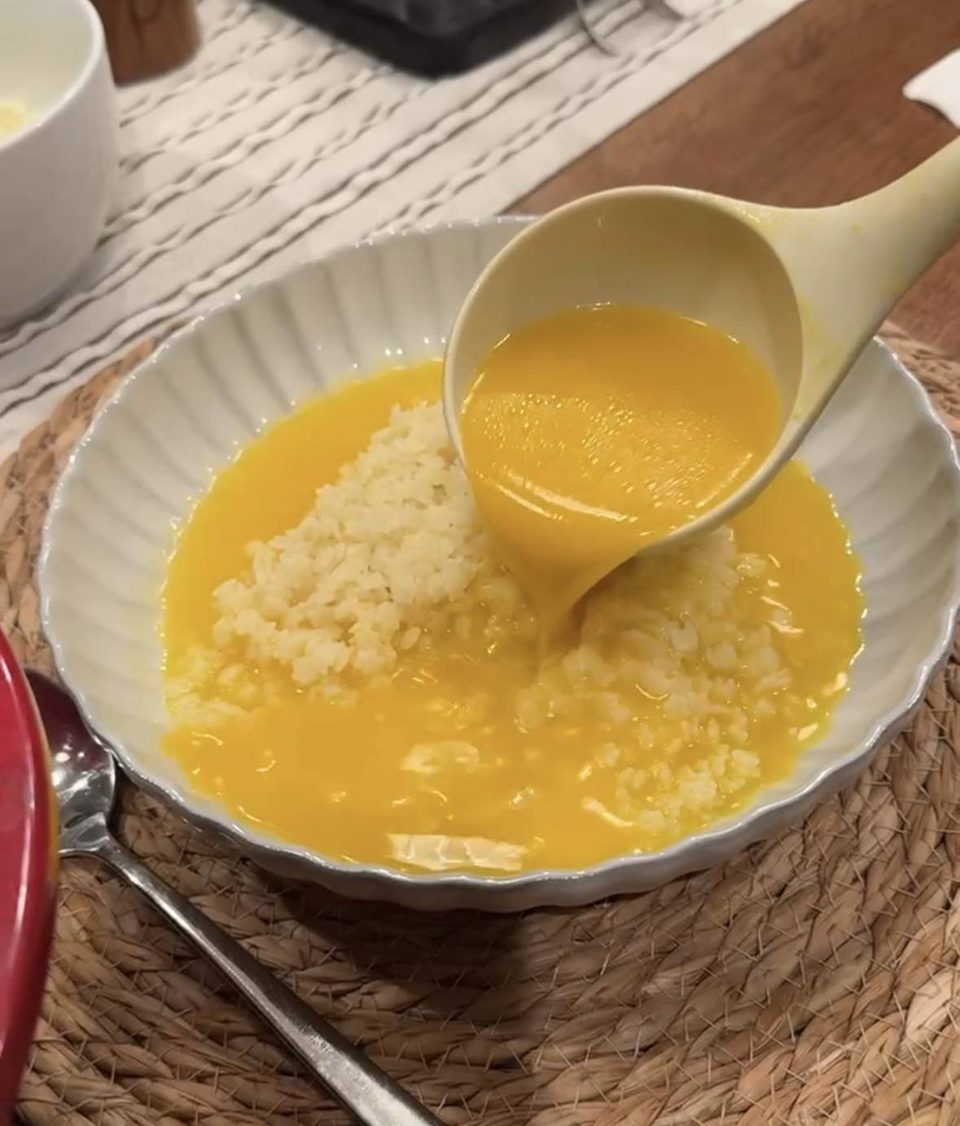
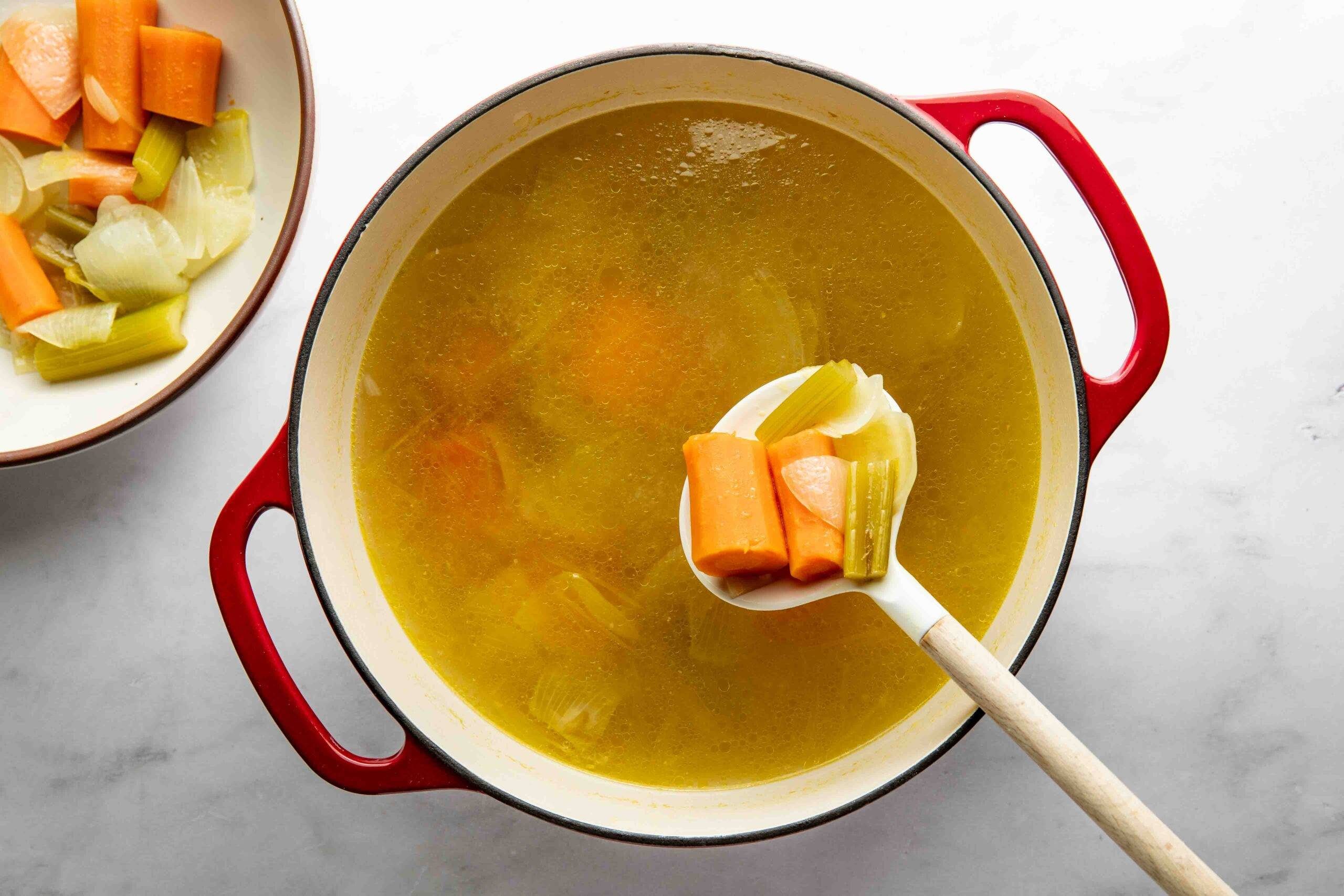
A distinct step in the preparation involves the removal and subsequent blending of the cooked vegetables. By pureeing the solids and reintroducing them into the broth, the cook creates a velouté-like texture, which provides a more substantial mouthfeel without requiring heavy creams or thickeners. The final assembly involves the rapid boiling of the star-shaped pasta directly in the broth, ensuring that the starches are absorbed into the liquid, which further enriches the consistency. The addition of freshly grated Parmesan cheese serves to balance the salt content and adds a necessary fatty component, enhancing the overall satiating effect of the meal.
The Role of Social Media in Culinary Trends
The resurgence of pastina is inextricably linked to the rapid dissemination of food trends via digital platforms like TikTok. Over the past three years, the platform has hosted a significant increase in content creators sharing "nostalgia recipes." This digital archive of domestic rituals has allowed the once-insular practice of making pastina to reach a global audience.

Data from food blogging analytics indicates that searches for "simple comfort soups" peak during seasonal flu outbreaks, with a marked correlation between influenza reporting and recipe engagement. The "Italian Penicillin" tag has served as a unifying linguistic anchor for this trend, allowing users to categorize their own family traditions under a recognized, searchable, and authoritative header. This phenomenon demonstrates how digital media can revitalize traditional culinary practices, effectively codifying cultural knowledge that might otherwise remain localized.
Nutritional and Physiological Implications
From a dietary perspective, pastina soup offers several advantages for individuals suffering from acute illness. When the immune system is under strain, the body requires significant hydration and easily accessible glucose. The simplicity of pastina minimizes the digestive load on the gastrointestinal tract, making it an ideal "bland" diet option.
- Hydration: The high broth-to-pasta ratio ensures that the consumer receives a significant volume of fluids, which is critical for those managing fevers or viral infections.
- Digestibility: Small-format pasta provides complex carbohydrates that break down quickly, providing steady energy without causing digestive distress.
- Electrolyte Balance: The use of vegetable or chicken-based bouillon provides essential sodium and minerals, which help restore balance in dehydrated individuals.
- Psychological Benefit: Beyond the physical, the "comfort food" aspect of the dish triggers a dopamine response associated with nostalgia and domestic care, which can be beneficial in managing the psychological fatigue associated with recovery.
Analysis of Current Market Trends
The increased interest in pastina has had a ripple effect on the retail market. Grocery retailers, particularly those focusing on international or specialty goods, have noted a higher velocity of sales for small-format pasta shapes. Furthermore, the reliance on high-quality broth bases has fueled growth in the premium stock and bouillon sector.
Industry analysts suggest that this trend is part of a broader "back-to-basics" movement in food consumption. Following a period of global health crises, consumers are increasingly seeking recipes that are transparent, ingredient-focused, and restorative. The "Italian Penicillin" trend aligns with a shift away from processed, high-sodium convenience meals toward "home-made" alternatives that offer the same convenience but with higher perceived health benefits.
Comparative Culinary Landscapes
While pastina occupies a specific niche, it shares commonalities with other global convalescent soups. For instance, the Japanese Okayu (rice porridge) and the East Asian Congee serve similar purposes: providing warmth, hydration, and energy through a simple grain-based, savory medium. The primary distinction of the Italian approach is the inclusion of cheese and the aromatic base, which aligns with the Mediterranean flavor profile.
The preference for pastina over traditional chicken noodle soup in many households can be attributed to the "effort-to-reward" ratio. Chicken noodle soup often requires the handling of raw poultry, longer simmering times, and a greater number of ingredients. In contrast, the pastina model allows for a "quick-fix" approach that delivers similar physiological benefits in a fraction of the time, making it significantly more accessible for individuals who are too fatigued to engage in complex culinary labor.
Conclusion: The Lasting Impact of Traditional Remedies
The enduring appeal of pastina lies in its simplicity and its ability to bridge the gap between medicine and sustenance. As modern medicine continues to provide the clinical framework for treating illnesses, the role of "comfort foods" remains a vital component of the recovery process. Whether viewed as a cultural heirloom or a trending social media topic, the dish serves as a testament to the power of basic ingredients and the importance of traditional, restorative cooking in maintaining both physical and mental well-being.
As households continue to navigate seasonal health challenges, it is highly probable that the "Italian Penicillin" will remain a staple in the modern pantry. The integration of high-quality broth bases and the ease of preparation ensure that this traditional meal will continue to serve as a reliable, comforting, and scientifically sensible solution for the challenges of recovery in the 21st century.