Quietly Transforming Conservation: Volvo Electric Heavy Equipment Deployed in National Wildlife Refuge System for the First Time

The intersection of industrial infrastructure development and ecological preservation has long been a contentious space. Traditionally, undertaking construction projects within protected natural habitats meant introducing the disruptive elements of the modern industrial age: the pungent odor of diesel exhaust, the sharp staccato of combustion engines, and the deep, low-frequency rumble of heavy machinery. For decades, conservationists and wildlife management agencies accepted these acoustic and chemical disturbances as an unavoidable cost of improving public access and maintaining park infrastructure.
However, a milestone project currently underway at Virginia’s Occoquan Bay National Wildlife Refuge is signaling a decisive shift in how heavy civil works can be executed in ecologically sensitive environments. For the first time in the history of the United States National Wildlife Refuge System, battery-powered, zero-emission heavy construction machinery is being utilized to build public amenities. Spearheaded by the U.S. Fish and Wildlife Service (USFWS), this initiative relies on advanced electric equipment manufactured by Volvo Construction Equipment (Volvo CE) to construct a new, fully ADA-accessible trail system.
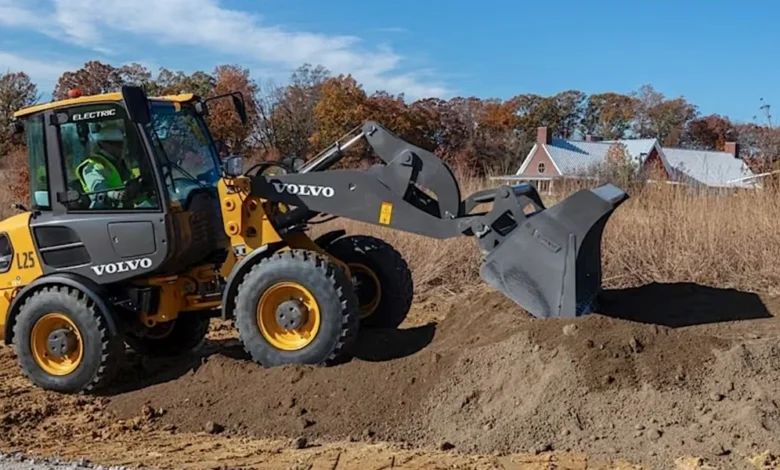
By replacing conventional diesel-powered loaders and excavators with the ECR25 Electric compact excavator and the L25 Electric compact wheel loader, the project aims to drastically reduce the human footprint during the construction phase. Supported by portable solar-charging infrastructure, this endeavor represents a potential blueprint for future infrastructure projects within protected federal lands, proving that expanding public access to nature no longer has to come at the immediate expense of the wildlife that calls it home.
Main Facts of the Occoquan Bay Infrastructure Project
Situated along the shores of the Potomac and Occoquan rivers, the Occoquan Bay National Wildlife Refuge spans approximately 644 acres of diverse ecosystems, including tidal marshes, rich wetlands, native grasslands, and maturing hardwood forests. These varied habitats serve as a crucial sanctuary for a wide array of wildlife species, including red foxes, river otters, ospreys, bald eagles, and numerous migratory bird and reptile populations, such as painted turtles.

The primary objective of the current USFWS initiative is to enhance human engagement with this delicate ecosystem by improving physical accessibility. Specifically, the project centers on the construction of a half-mile-long, ADA-compliant trail that loops around a prominent scenic pond within the refuge. This path is engineered to accommodate wheelchair users, strollers, and visitors with mobility impairments, ensuring that the natural beauty of the refuge is open to a broader demographic of the public.
To bring this vision to life without causing undue distress to local fauna, the project utilizes two key pieces of machinery from Volvo CE’s expanding electric portfolio:
- The L25 Electric Compact Wheel Loader: This machine is tasked with heavy lifting, material transport, and grading duties. It is currently laying down the foundational aggregate and surface materials required to create the smooth, stable, and durable half-mile path around the pond.
- The ECR25 Electric Compact Excavator: Operating alongside the wheel loader, this compact excavator is deployed for precision earthmoving tasks. Its responsibilities include digging and shaping critical drainage trenches to manage runoff around the pond, as well as assisting in the installation of a new wooden viewing platform that extends directly over the water, offering visitors immersive wildlife-viewing opportunities.
Crucially, neither of these machines emits local exhaust emissions, nor do they generate the piercing noise pollution characteristic of standard diesel engines. Operating at a fraction of the noise level of their internal-combustion counterparts, the Volvo electric units allow construction to proceed in close proximity to sensitive wildlife habitats with minimal behavioral disruption to local species.
The Technological Backbone: Zero-Emission Power and Solar Charging
The integration of electric heavy machinery into a remote wetland environment presents unique logistical challenges, chief among them being the reliable supply of electrical energy. Heavy construction tasks demand substantial energy throughput, and deploying charging infrastructure in a protected wildlife refuge where grid access is limited requires innovative engineering solutions.
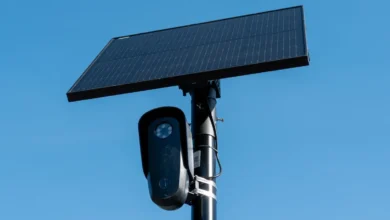
To solve this puzzle, the project incorporates a portable, off-grid solar-powered charging system supplied by Beam Global. The EV ARC (Electric Vehicle Autonomous Renewable Charger) system operates entirely independently of the electrical grid. Equipped with integrated photovoltaic solar panels that track the sun throughout the day and robust energy storage batteries, the unit generates and stores clean electricity on-site.

This self-contained solar charging station refuels the L25 wheel loader and ECR25 excavator during operational downtimes, ensuring that the entire construction workflow remains emissions-free from "well to wheel." By pairing electric construction assets with mobile solar generation, the USFWS and Volvo CE have effectively eliminated the need for diesel generators or long, disruptive electrical tie-ins, cementing the project’s status as a net-zero operational achievement.
Chronology and Strategic Partnership
The deployment at Occoquan Bay did not happen overnight; it represents the culmination of years of research, commercial development, and strategic alignment between federal conservation goals and corporate sustainability targets.
Over the past several years, Volvo CE has systematically transitioned from conceptual designs to commercializing a robust lineup of electric compact machinery. As global markets increasingly prioritize decarbonization, the manufacturer has tested its electric fleet across various demanding environments, ranging from municipal infrastructure projects in Europe to commercial landscaping applications in New Zealand and municipal school upgrades in Massachusetts.
The partnership between Volvo CE and the U.S. Fish and Wildlife Service took shape as both organizations recognized an opportunity to pilot these emerging technologies within the federal land management sector. Discussions leading up to the project focused on identifying a suitable site where environmental sensitivity was paramount, making Occoquan Bay an ideal candidate due to its high volume of visitors and rich ecological diversity.
Official Statements and Corporate Perspective

The collaboration has drawn high-level praise from corporate leadership, who view the deployment as a pivotal proof-of-concept for the broader construction industry.
"We are excited to partner with the US Fish and Wildlife Service on this project to demonstrate Volvo’s commitment to lowering emissions and working to build the future we all want and need," said Dr. Ray Gallant, Vice President of Product Management and Productivity at Volvo CE. "Projects like the one at the Occoquan Bay National Wildlife Refuge give a glimpse of how electric machines can create a more climate-friendly future for the construction industry."
From the perspective of federal land managers, the transition to electric machinery aligns directly with long-standing mandates to protect and preserve natural resources while simultaneously fulfilling the agency’s mission to connect Americans with the great outdoors. By mitigating the acoustic and chemical impacts of civil works, the USFWS is setting a new standard for how federal infrastructure maintenance and capital improvement projects should be executed in sensitive ecosystems.
Broader Impact and Industry Implications
The successful deployment of electric construction equipment within the National Wildlife Refuge System carries significant implications for the broader heavy equipment and civil engineering sectors. As environmental regulations tighten and public expectations shift toward sustainability, contractors and public agencies are under mounting pressure to reduce their carbon and noise footprints.
Historically, the construction sector has been among the most difficult industries to decarbonize due to the immense power requirements of heavy machinery and the remote, off-grid locations where much of the work takes place. Compact machines like the Volvo L25 and ECR25 represent the vanguard of electrification because their duty cycles and power profiles align well with current battery technologies. Urban construction, indoor demolition, night-time road maintenance, and now ecological restoration are prime use cases where zero-emission, low-noise machinery delivers immediate, tangible benefits.

Furthermore, the integration of mobile solar charging infrastructure demonstrates that electrification is viable even in remote, off-grid settings. This capability dispels one of the primary criticisms leveled against electric commercial fleets—namely, the dependence on robust local electrical grids that may not exist in rural or protected areas.
Looking forward, the success of the Occoquan Bay project is expected to pave the way for wider adoption of electric machinery across other federal, state, and municipal park systems. As land management agencies observe the operational efficiency, reliability, and environmental compatibility of these machines firsthand, demand for zero-emission alternatives in conservation engineering is poised to grow.
Ultimately, the initiative at Occoquan Bay National Wildlife Refuge proves that industrial progress and environmental stewardship are not mutually exclusive. By embracing modern electrification technologies, project stakeholders have demonstrated that human infrastructure can be built in harmony with nature, ensuring that the wild spaces of today remain preserved, accessible, and tranquil for generations to come.