Global Energy Markets Face Severe Instability as Multiple Geopolitical Conflicts Intersect with Rapid Transportation Electrification

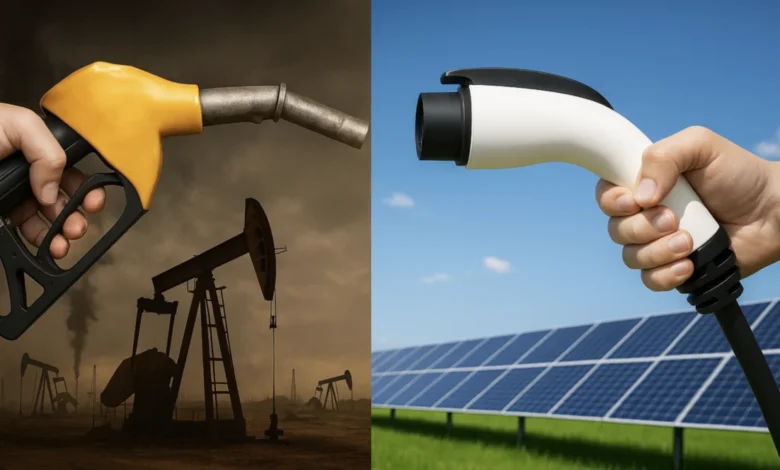
The architecture of global energy security is undergoing a profound structural test as a convergence of geopolitical conflicts directly threatens nearly half of the world’s petroleum supply. From the Middle East and Eastern Europe to Latin America, approximately 43 percent of global crude oil originates from regions experiencing active hostilities or severe political blockades. These persistent disruptions have pushed traditional market models into uncharted territory, forcing financial institutions and energy analysts to acknowledge a fundamental breakdown in conventional supply-demand predictability. Yet, despite the widespread turmoil affecting maritime trade routes and refining capacities, the electric vehicle sector and broader green energy transitions remain entirely decoupled from the root causes of these crises, offering a clear technological pathway away from fossil-fuel dependency.
Chronology of Active Petroleum Chokepoint Disruptions
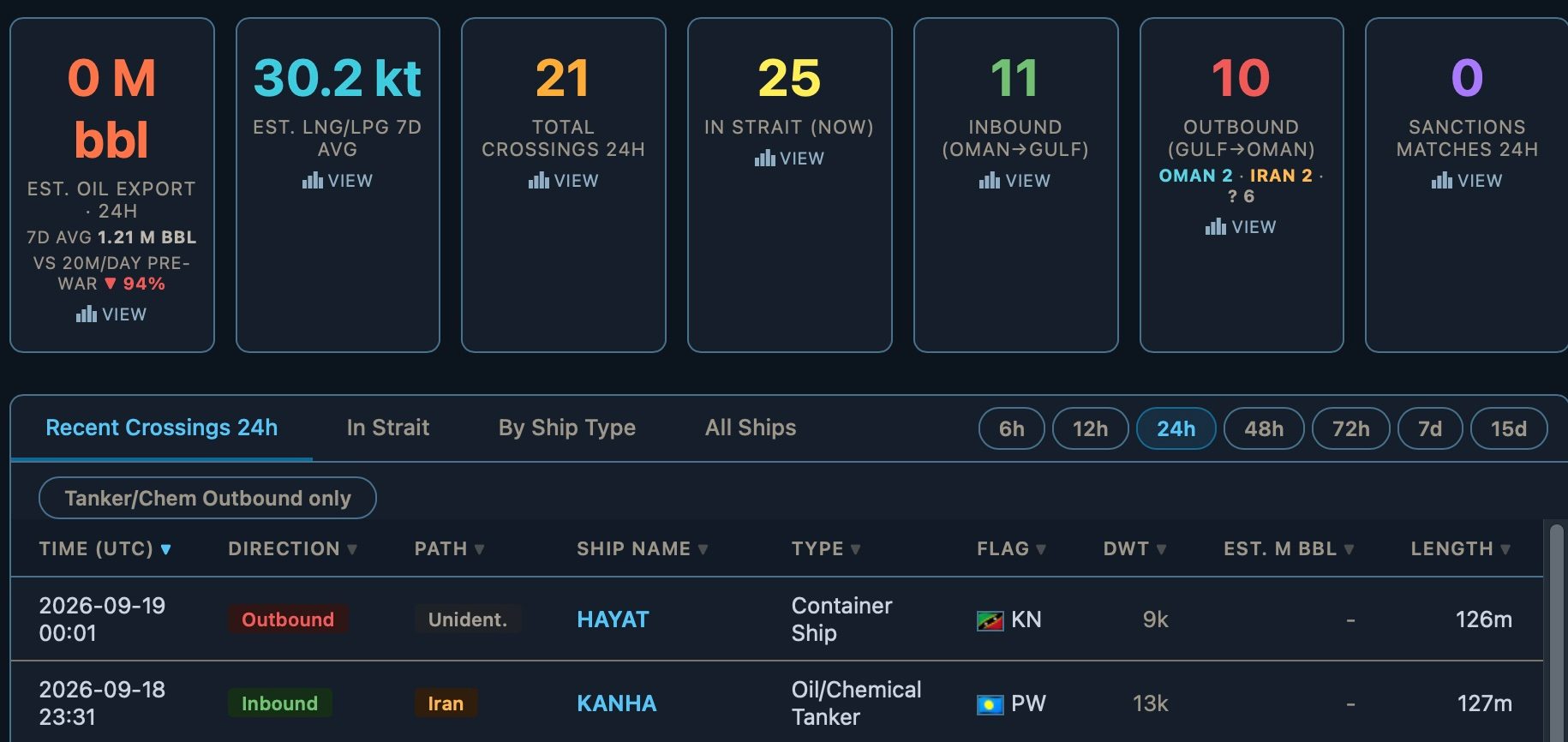
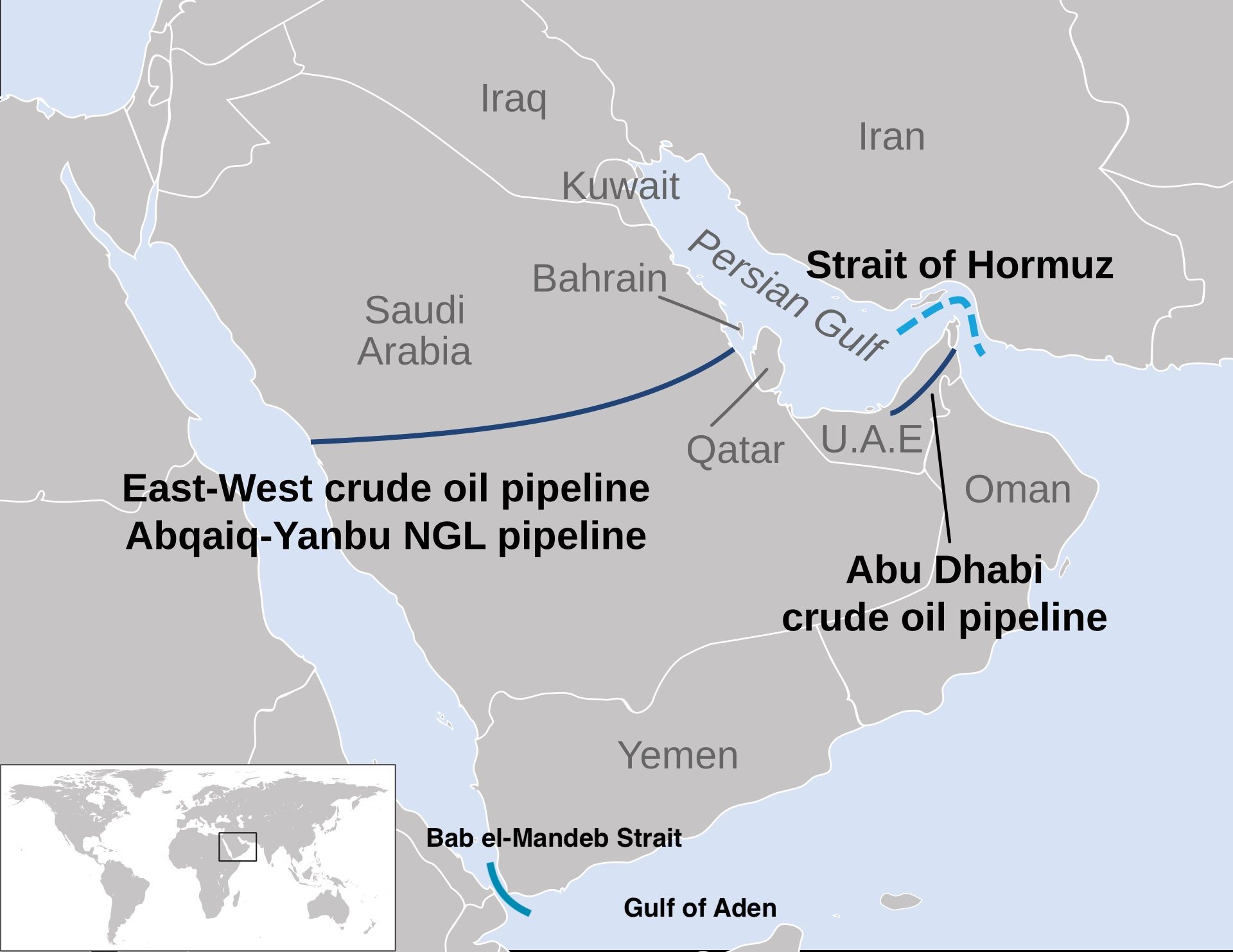
The contemporary crisis in maritime energy logistics began to crystallize in early 2025, when military escalations effectively shuttered the Strait of Hormuz, a critical maritime corridor through which approximately one-fifth of the world’s petroleum historically flowed. Following initial military engagements involving regional and international state actors, the government of Iran declared the narrow strait closed to commercial ship traffic. Over the subsequent six months, maritime monitoring data indicated that cargo transit through the passage had slowed to a nominal trickle, creating immediate anxiety regarding global fuel availability.
Compounding these maritime bottlenecks, regional instability expanded across the Arabian Peninsula. Saudi Arabia’s vital East-West crude oil pipeline—a strategic asset originally constructed during the 1980s to bypass maritime vulnerabilities in the Persian Gulf—was forced offline following a drone strike on a key pumping station. The attack, attributed to Houthi forces operating in Yemen, highlighted the extreme vulnerability of overland transportation infrastructure. Furthermore, Houthi activity near the Bab-el-Mandeb strait, which connects the Red Sea to the Gulf of Aden and accommodates roughly nine percent of global seaborne oil shipments, prompted international naval defense pacts to safeguard commercial vessels, stretching military and logistical resources across dual maritime fronts.
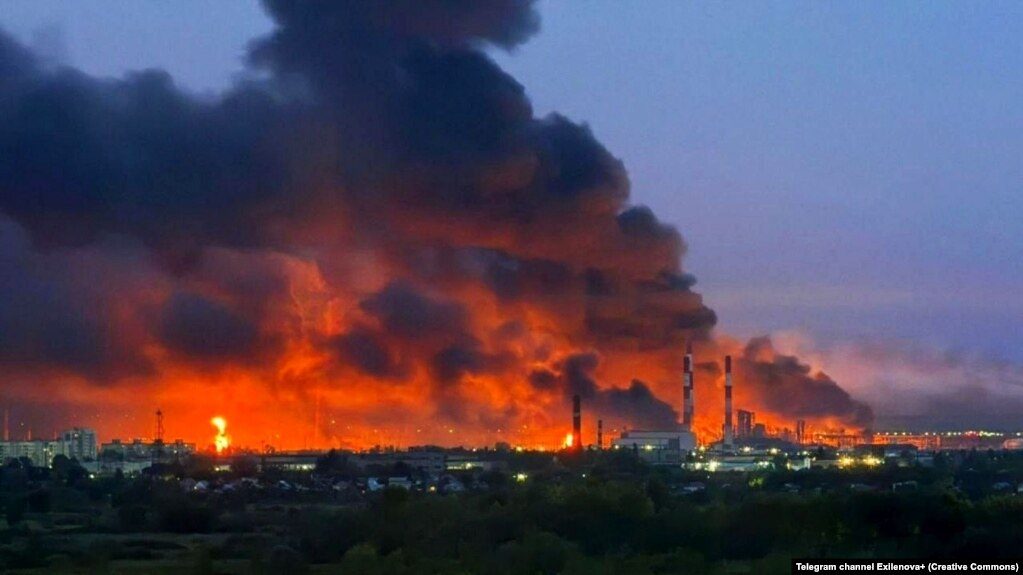
Simultaneously, the protracted conflict in Eastern Europe has fundamentally transformed Russia’s role as a primary energy exporter. Following the 2014 annexation of Crimea and the subsequent 2022 full-scale invasion of Ukraine, international sanctions severely restricted Russian hydrocarbon exports. More recently, strategic drone campaigns targeting domestic refining infrastructure have successfully degraded Russia’s processing capabilities. Industry reports indicate that Russian refining capacity has dropped significantly below domestic consumption levels, with dozens of major processing facilities sustaining structural damage. Consequently, long-term stability has eroded across multiple additional fronts, including prolonged political friction and localized security force shutdowns at key petroleum fields in Libya, as well as contested government transitions and newly imposed maritime restrictions affecting oil distribution in Venezuela and Cuba.
Quantitative Impact on Global Supply and Refining Infrastructure
The cumulative effect of these localized crises has severely restricted effective global petroleum output. Market analysts note that the loss of predictable throughput across the Strait of Hormuz, combined with diminished Russian refining capacity and pipeline sabotage in Saudi Arabia, has tightened inventories to historic lows. Major financial institutions, including JP Morgan’s commodities research division, have publicly admitted an inability to model traditional market endgames, citing unprecedented volatility and systemic unpredictability in petroleum futures.
To mitigate immediate price shocks for consumers, industrialized nations have aggressively drawn down their strategic petroleum reserves. However, months of sustained reliance on these emergency buffers have depleted strategic stockpiles to critical thresholds. China, possessing the world’s largest strategic petroleum reserve and representing a dominant share of global consumption, has faced intense market pressure as domestic reserves recede. Earlier in the year, a sharp contraction in Chinese oil imports—driven largely by the rapid acceleration of domestic electric vehicle adoption—effectively insulated international markets from an immediate, catastrophic price spike. Analysts noted that the displacement of petroleum demand achieved by Chinese EV integration offset an enormous volume of potential crude deficits, temporarily stabilizing global price indices. However, as domestic inventories thin, the potential return of major consuming nations to active spot markets threatens to renew upward pressure on crude and diesel benchmarks, which have already touched record highs in several Western economies.
The Decoupling of Electrified Transportation from Fossil-Fuel Conflicts
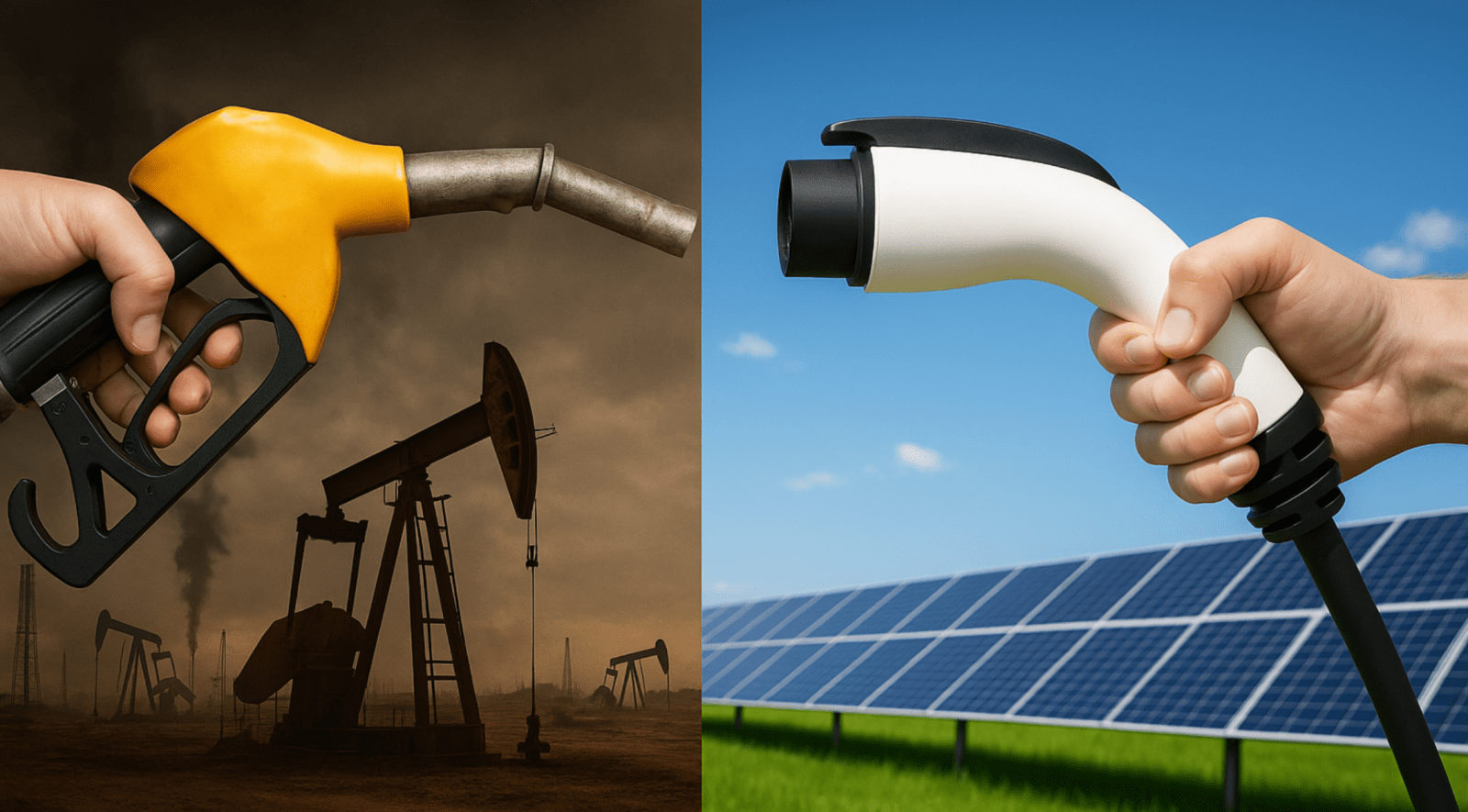
As traditional supply chains encounter structural failures, macroeconomic data underscores a widening divergence between fossil-fuel reliance and electrified mobility. The vast majority of global petroleum consumption is dedicated to light-duty and commercial surface transportation. Conversely, electrical grids draw power from diversified, localized generation sources—including nuclear, hydro, wind, solar, and regional natural gas reserves—that are structurally isolated from maritime chokepoint blockades.
Furthermore, the raw material inputs required for battery electric vehicles contrast sharply with the perpetual extraction cycle demanded by internal combustion engines. While an average gasoline-powered passenger vehicle consumes tens of thousands of pounds of refined petroleum over its operational lifespan, modern EV batteries utilize finite, highly recyclable minerals deployed in substantially lower per-vehicle mass quantities. Industry data demonstrates that battery recycling infrastructure is scaling rapidly, establishing a circular supply chain that stands in stark opposition to the linear, burn-and-deplete model of fossil fuels. Energy efficiency metrics further favor electrification; electric powertrains operate at approximately four times the energy efficiency of internal combustion engines, significantly reducing overall energy throughput requirements per passenger mile.
Global Policy Shifts and Market Realignments
Faced with severe fossil-fuel supply restrictions and escalating geopolitical friction, sovereign states are increasingly accelerating alternative energy deployments out of immediate economic and national security necessity. In Russia, domestic shortages and refinery disruptions have catalyzed an unprecedented surge in electric vehicle adoption, with sales doubling over a three-month period following targeted infrastructure strikes. Similarly, Cuba has responded to strict maritime energy blockades by executing a rapid transition toward distributed solar power and electrified municipal transport fleets, aiming to achieve long-term energy self-sufficiency.

In North America, trade tensions between the United States and Canada have prompted cross-border reassessments of pipeline integration and hydrocarbon dependency. While traditional trade agreements are undergoing friction, policy adjustments in Canada have opened domestic markets to advanced electric vehicle imports, fostering consumer competition and accelerating the transition toward zero-emission transportation alternatives. Meanwhile, European economies continue to pivot aggressively toward electrical heating via heat pumps and expanded renewable grid integration to mitigate historical vulnerabilities associated with imported fossil gas and oil.
Industrial Implications and the Geopolitical Balance of Manufacturing
The accelerating global transition toward electrification has triggered a significant reallocation of industrial capital. As international demand for zero-emission vehicles soars, manufacturing leadership has increasingly concentrated in regions heavily invested in battery and EV production supply chains. Analysts emphasize that while certain legacy automotive markets have experienced policy friction or protectionist lobbying efforts aimed at delaying foreign competition, global consumer demand continues to pull production capacity toward high-tech, cost-competitive electric platforms.

Financial markets and energy conglomerates face mounting pressure as the structural transition approaches critical adoption thresholds. With nearly half of global crude production inextricably linked to geopolitical conflict zones, the economic argument for maintaining legacy petroleum infrastructure is being actively challenged by the operational resilience, cost-effectiveness, and security benefits of electrified transportation. As strategic reserves dwindle and traditional risk-modeling frameworks fail to account for systemic instability, the long-term viability of petroleum-based mobility is facing an inevitable market correction, with the global economy steadily aligning around scalable, domestic, and electrified energy solutions.
Related posts: