Hong Kong Researchers Unveil AI-Powered Blood Test Capable of Predicting Serious Cardiovascular Disease Decades in Advance

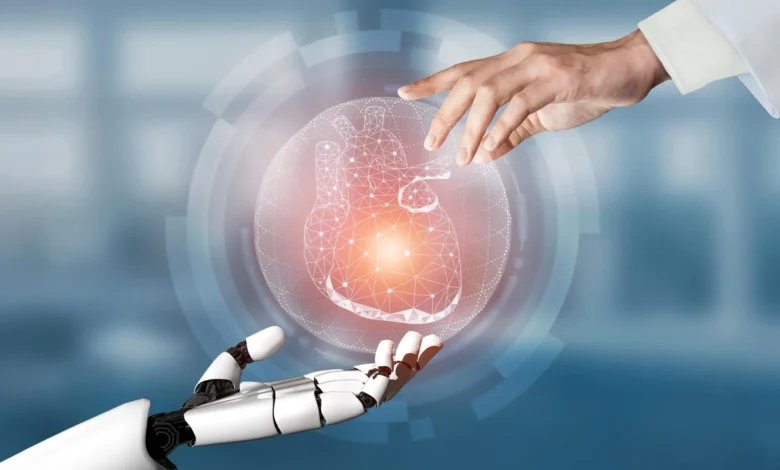
Researchers at the LKS Faculty of Medicine of the University of Hong Kong (HKUMed) have achieved a significant breakthrough in cardiovascular health, developing an artificial intelligence tool that promises to predict serious cardiovascular problems many years, even up to 15, before symptoms manifest. This innovative system, named CardiOmicScore, leverages a single blood test to provide a comprehensive future risk assessment for six major cardiovascular diseases (CVDs), marking a potential paradigm shift from reactive treatment to proactive prevention.
The groundbreaking findings, published in the esteemed scientific journal Nature Communications, detail how CardiOmicScore integrates multiomics data—genomics, proteomics, and metabolomics—with advanced deep learning algorithms. This sophisticated approach allows the AI to analyze a vast array of biological signals within a blood sample, offering a far more nuanced and predictive insight into an individual’s cardiovascular health than traditional risk assessment methods.
A New Era of Cardiovascular Risk Prediction
Cardiovascular diseases continue to represent a global health crisis, holding the grim distinction of being the leading cause of death worldwide. In 2022 alone, these conditions were responsible for an estimated 19.8 million fatalities, underscoring the urgent need for more effective early detection and prevention strategies.
Current clinical practice for assessing cardiovascular risk typically relies on a combination of well-established factors. These include a patient’s age, blood pressure readings, smoking history, cholesterol levels, and other routine clinical measurements. While these indicators are invaluable for providing a snapshot of a person’s current health status, they often fail to capture the subtle, nascent biological changes that occur deep within the body long before any outward symptoms become apparent. This delay can mean that individuals at high risk may not be identified until the window of opportunity for effective preventive interventions has already begun to narrow, limiting the potential impact of lifestyle modifications or medical treatments.
Complementary to clinical assessments, genetic risk tests offer another avenue for estimating an individual’s predisposition to developing certain diseases. Polygenic risk scores, for instance, aggregate the cumulative effects of numerous genetic variants into a singular measure of inherited susceptibility. However, the inherent limitation of genetic scores is that a person’s genetic makeup is largely immutable, established at birth. Consequently, these scores cannot fully account for the dynamic and immediate changes influenced by a myriad of external and internal factors. These include critical lifestyle choices such as diet and exercise, the natural process of aging, the presence of underlying illnesses, and exposure to various environmental influences—all of which profoundly impact an individual’s health trajectory.
CardiOmicScore was conceived precisely to address this critical gap, aiming to provide a more current, dynamic, and comprehensive picture of the intricate biological processes occurring within the body. By analyzing proteins and metabolites, which are direct indicators of cellular activity and metabolic state, the AI can detect early warning signs of disease development that might be missed by static genetic predispositions or less sensitive clinical markers.
The Power of Multiomics and Artificial Intelligence
The development of CardiOmicScore represents a significant advancement in the application of multiomics and artificial intelligence in healthcare. The HKUMed team employed deep learning techniques to meticulously integrate several layers of biological information. This multiomics approach, by definition, draws data from diverse fields of biology, including genomics (the study of genes), proteomics (the study of proteins and their functions), and metabolomics (the study of small molecules or metabolites involved in biological processes).
Genomics provides the foundational blueprint of an individual’s genetic predispositions. Proteomics delves into the complex world of proteins, the workhorses of the cell, which execute a vast array of essential functions, from catalyzing biochemical reactions to providing structural support and signaling pathways. Metabolomics, on the other hand, examines the dynamic landscape of metabolites – the small molecules produced as the body breaks down food, generates energy, and responds to various physiological and pathological states.
To build and train their predictive model, the researchers meticulously analyzed extensive population-scale data sourced from the UK Biobank, a comprehensive resource containing detailed genetic and health information from over half a million participants. The CardiOmicScore model was trained to analyze an impressive 2,920 circulating proteins and 168 metabolites that were measured in blood samples from these participants. This comprehensive analysis allows the AI to construct a highly detailed snapshot of an individual’s current biological state. These molecular signatures can sensitively reflect subtle alterations in immune system activity, metabolic pathways, and vascular health, often preceding the emergence of any discernible clinical symptoms.
Professor Zhang Qingpeng, an Associate Professor in the Department of Pharmacology and Pharmacy at HKUMed and a key figure in the research, articulated the significance of this multi-layered approach. "Genes determine where we start – they define our baseline health risk," Professor Zhang explained. "However, proteins and metabolites reflect our current physical health. Our AI tool is designed to decode these complex molecular signals, enabling doctors and patients to identify risks much earlier, which can potentially change the trajectory of disease through timely lifestyle modifications and early prevention." This statement highlights the critical distinction between fixed genetic predispositions and the dynamic biological state captured by proteins and metabolites, emphasizing the AI’s role in bridging this information gap.
Predicting Six Major Cardiovascular Diseases
The efficacy of CardiOmicScore was rigorously tested and validated, demonstrating a remarkable ability to translate complex molecular measurements into personalized estimates of cardiovascular risk. The results indicated that the system significantly outperformed conventional polygenic risk scores in predicting future cardiovascular events. Furthermore, the model’s predictive accuracy saw a notable enhancement when traditional clinical information, such as age and gender, was incorporated into the analysis, underscoring the synergistic power of combining multiomics data with established clinical factors.
The CardiOmicScore model was specifically designed to assess the risk of six major cardiovascular diseases:
- Coronary Artery Disease (CAD): This condition involves the narrowing or blockage of the coronary arteries, which supply blood to the heart muscle, often leading to angina or heart attacks.
- Stroke: Occurs when the blood supply to part of the brain is interrupted or reduced, preventing brain tissue from getting oxygen and nutrients, leading to brain cell death.
- Heart Failure: A chronic condition where the heart muscle doesn’t pump blood as well as it should, affecting the body’s ability to receive adequate blood flow.
- Atrial Fibrillation (AFib): An irregular and often rapid heart rhythm that can lead to blood clots in the heart, increasing the risk of stroke and other heart-related complications.
- Peripheral Artery Disease (PAD): Characterized by narrowed arteries that reduce blood flow to the limbs, most commonly the legs, causing pain and discomfort.
- Venous Thromboembolism (VTE): A serious condition involving dangerous blood clots that form in a vein, which can break off and travel to other parts of the body, such as the lungs (pulmonary embolism).
Crucially, for individuals identified as being at high risk, CardiOmicScore demonstrated the capability to flag elevated cardiovascular risk as far as 15 years before the emergence of any clinical symptoms. This extensive predictive horizon offers an unprecedented opportunity for early intervention.
Shifting the Paradigm: From Treatment to Proactive Prevention
The development of CardiOmicScore is emblematic of a broader, transformative shift occurring within the field of precision medicine. Historically, medical interventions have often been reactive, addressing diseases once they have taken hold. However, the advent of advanced technologies like multiomics analysis and AI is enabling a more proactive approach, focusing on identifying and mitigating risks before they can escalate into serious health problems.
While traditional genetic risk assessments provide a relatively static estimate of inherited susceptibility, multiomics tools offer a more dynamic and nuanced perspective. By continuously monitoring biological signals that naturally fluctuate over time, these tools can track an individual’s evolving health status and response to various internal and external influences.
The implications of this research are profound. In the near future, a routine blood draw could potentially yield a highly detailed risk profile encompassing multiple cardiovascular diseases simultaneously. This comprehensive information would empower both patients and clinicians with valuable lead time, allowing for the timely implementation of targeted lifestyle modifications, more frequent and precise monitoring, or the initiation of specific preventive therapies.
Professor Zhang’s vision extends beyond individual patient care, emphasizing the societal benefits of such predictive capabilities. "We aim to leverage technology to identify and prevent diseases before they develop," he stated. "By shifting health management from reactive treatment to proactive prediction and intervention, we aim to create a lasting impact for both public health and individual patient care." This forward-looking perspective underscores the potential for CardiOmicScore and similar technologies to not only improve individual health outcomes but also to alleviate the immense burden of cardiovascular disease on global healthcare systems.
Broader Implications and Future Directions
The success of CardiOmicScore in integrating multiomics data with AI for predictive diagnostics has far-reaching implications for the future of healthcare. This breakthrough validates the potential of sophisticated biological profiling for anticipating disease. It suggests that similar AI-driven, multiomics-based approaches could be developed for a wide range of other complex diseases, including various cancers, neurodegenerative disorders, and metabolic conditions.
The research team’s meticulous approach, utilizing the extensive UK Biobank dataset, provides a robust foundation for further refinement and validation of the CardiOmicScore. Future research will likely focus on expanding the predictive capabilities to encompass an even wider spectrum of cardiovascular conditions and potentially other chronic diseases. Further studies will also be crucial to integrate CardiOmicScore into clinical workflows, ensuring that healthcare providers can effectively interpret and utilize the AI-generated risk assessments to inform patient care.
The economic implications are also substantial. By enabling early intervention and prevention, technologies like CardiOmicScore have the potential to significantly reduce the long-term healthcare costs associated with managing advanced cardiovascular diseases. This includes fewer hospitalizations, reduced need for complex and expensive treatments, and improved quality of life for individuals who can avoid or delay the onset of debilitating conditions.
Moreover, the ethical considerations surrounding such predictive technologies will undoubtedly be a focal point as they move towards broader clinical application. Ensuring data privacy, equitable access to these advanced diagnostic tools, and clear communication with patients about their predictive risk profiles will be paramount to their responsible implementation.
The HKUMed team’s pioneering work represents a significant leap forward in our ability to understand and combat cardiovascular disease. By harnessing the power of artificial intelligence and the intricate language of our own biology, CardiOmicScore offers a hopeful glimpse into a future where diseases are detected and managed long before they have the chance to inflict their most severe damage.
About the Research Team
This landmark study was spearheaded by Professor Zhang Qingpeng, an Associate Professor within the Department of Pharmacology and Pharmacy at HKUMed. Professor Zhang also holds a significant role at the HKU Musketeers Foundation Institute of Data Science (IDS), highlighting the interdisciplinary nature of this research. The primary authorship of the published paper belongs to Luo Yan, a researcher affiliated with the HKU IDS, who played a crucial role in the data analysis and model development. The collaborative efforts of these researchers and their respective institutions have paved the way for a revolutionary approach to cardiovascular health management.