The Hidden Synergy of Low Testosterone and Fructose: How Hormones and Diet Fuel the Global Fatty Liver Crisis

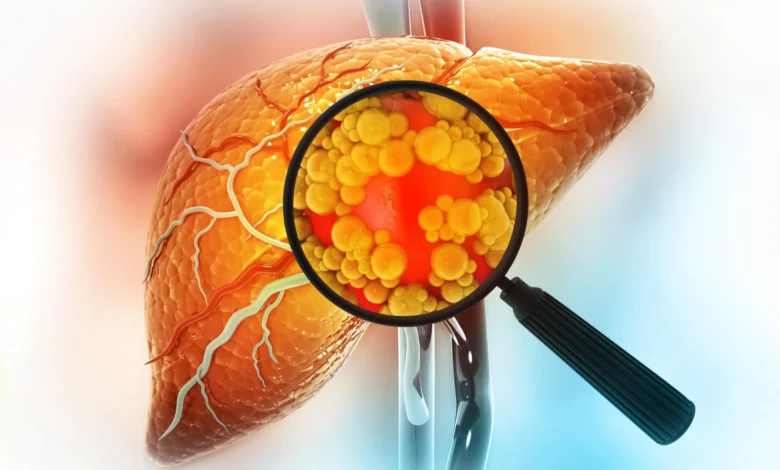
Metabolic dysfunction-associated steatotic liver disease (MASLD) has emerged as one of the most pervasive global health challenges of the twenty-first century, currently impacting approximately forty percent of adult men worldwide. Characterized by the pathological accumulation of fat within hepatic tissue, this condition ranges from simple steatosis to severe non-alcoholic steatohepatitis (NASH), which can ultimately progress to cirrhosis, liver failure, and hepatocellular carcinoma. While modern medicine has long recognized obesity, type 2 diabetes, sedentary lifestyles, and excessive dietary intake as primary drivers of this epidemic, the complex biochemical intersections between endocrine health and nutritional components remain an area of intense scientific investigation. Recent clinical observations have established a strong correlation between low testosterone levels in men and an elevated risk of metabolic disorders, including MASLD. However, the precise molecular mechanisms by which diminished hormonal profiles interact with modern dietary habits—specifically the widespread consumption of fructose via sugary beverages and ultra-processed foods—have largely eluded researchers until now.
Addressing this critical gap in medical literature, a team of researchers from the Graduate School of Agriculture, spearheaded by graduate student Hiroki Takahashi and Associate Professor Naoki Harada, undertook a comprehensive study to examine the synergistic effects of reduced testosterone and high fructose intake on hepatic architecture and function. Their findings, published in the prestigious American Journal of Physiology-Endocrinology and Metabolism, shed startling new light on the pathogenesis of fatty liver disease, pointing toward an unexpected culprit: the gut microbiome. By identifying how hormonal deficiencies and specific dietary sugars collaborate to alter intestinal bacterial communities and metabolic byproducts, this research opens unprecedented avenues for targeted therapeutic interventions and dietary strategies aimed at mitigating one of modern medicine’s most stubborn metabolic threats.
Understanding the Chronology and Experimental Architecture
The genesis of this research project lies in the escalating urgency to decode multi-factorial metabolic syndromes where individual risk factors appear to compound exponentially. Recognizing that epidemiological data frequently point to a concurrent rise in hypogonadism (low testosterone) and high-fructose diets among male patients presenting with MASLD, the research team structured a rigorous, multi-variable animal study to isolate these variables and observe their systemic interactions.
The investigation commenced using a cohort of standardized, eight-week-old male laboratory mice. To accurately mimic human physiological states characterized by varying hormonal levels and dietary exposures, the researchers established a protocol dividing the murine subjects into six distinct experimental cohorts. Half of the subjects underwent surgical castration to induce a state of testosterone deprivation, while the remaining subjects underwent a sham operation to serve as hormonal controls. Following this initial surgical phase, the cohorts were further subdivided based on dietary and therapeutic interventions, resulting in six specific experimental groups: Sham/Control, Sham/Fructose, Sham/Fructose plus Antibiotics, Castration/Control, Castration/Fructose, and Castration/Fructose plus Antibiotics.
The inclusion of antibiotic-treated groups was a deliberate methodological choice designed to test the direct involvement of the gut microbiome. By administering broad-spectrum antibiotics, the researchers could selectively suppress intestinal bacterial populations, allowing them to observe whether microbiome-mediated pathways were strictly necessary for any observed pathological changes. Over the subsequent weeks, subjects receiving the fructose intervention were exposed to controlled, elevated levels of the sugar, mirroring the dietary profiles of populations consuming high quantities of sweetened beverages and processed foods.
Upon the conclusion of the exposure period, the research team executed a multi-layered diagnostic evaluation. They harvested and weighed liver tissues to assess macroscopic changes, performed histological examinations of hepatic cells to quantify lipid droplet accumulation, and analyzed blood plasma for systemic metabolic markers. Furthermore, to capture the intricate dynamics of the gastrointestinal tract, the team collected organic acids from the cecum and conducted thorough metagenomic sampling of gut bacteria. This comprehensive analytical framework allowed the investigators to map the cascading physiological consequences of low testosterone and fructose consumption from the gut to the liver.
Data Analysis and the Discovery of a Dangerous Combination
The empirical data yielded by Takahashi, Harada, and their colleagues revealed a striking narrative of metabolic synergy. When evaluated in isolation, either low testosterone or high dietary fructose produced only modest, statistically limited changes in liver triglyceride levels and overall hepatic architecture. However, when these two factors converged within the same physiological system, the resulting pathology was vastly magnified.
Mice subjected to both reduced testosterone levels and high fructose consumption developed significantly heavier livers compared to control groups, driven by a massive accumulation of hepatic fat. This accumulation confirmed that hormonal deficiency sensitizes the liver to the lipogenic effects of dietary fructose. Interestingly, when the researchers examined the cohorts that had received broad-spectrum antibiotics alongside the fructose and castration treatments, the increase in liver weight was markedly attenuated. This quantitative reduction provided the first major clue that the gut microbiome was not merely a passive bystander, but an active participant in driving liver fat accumulation.
Further biochemical profiling of the cecum contents revealed significant elevations in pyruvate—an essential intermediate compound in cellular energy metabolism—among the mice exposed to both reduced testosterone and high fructose. Concurrently, high-throughput sequencing of the gut microbiome demonstrated distinct, quantifiable shifts in bacterial composition within these doubly-exposed subjects. The structural alteration of the microbial community directly correlated with the accumulation of intestinal pyruvate, suggesting a mechanistic chain reaction originating in the gut and culminating in the liver.
Decoding the Hidden Mechanism: The Gut-Liver Axis
To transition from correlation to causation, the research team designed a secondary set of in vitro experiments utilizing mouse-derived primary hepatocytes. This cellular isolation allowed the scientists to observe the direct impact of the identified metabolic byproducts on liver cells in a controlled environment free from systemic confounding variables.
Explaining the breakthrough discovery, lead investigator Hiroki Takahashi noted that the shifts in gut microbiota driven by the combination of low testosterone and fructose led directly to elevated levels of pyruvate within the intestine. When the researchers introduced this pyruvate to primary hepatocytes alongside fructose, they observed a profound synergistic reaction. Pyruvate and fructose worked in tandem to actively promote neutral lipid accumulation within the hepatocytes, accelerating the rate at which liver cells stored fat.
This revelation highlights the critical importance of the gut-liver axis in metabolic disease. The human gastrointestinal tract hosts trillions of microorganisms that play a fundamental role in metabolizing dietary components, modulating immune responses, and regulating systemic energy balance. When hormonal shifts such as testosterone depletion alter the composition of this microbiome, the resulting microbial dysbiosis can change the metabolic output of the gut. In this specific context, altered bacterial populations increased the production and availability of pyruvate. When this excess intestinal pyruvate entered the portal circulation alongside absorbed dietary fructose, it overwhelmed the liver’s metabolic buffering capacity, turning a standard nutritional load into a potent driver of steatosis.
Implications for Clinical Practice and Public Health
The publication of these findings in the American Journal of Physiology-Endocrinology and Metabolism arrives at a critical juncture for global healthcare systems grappling with the economic and clinical burdens of metabolic liver disease. With MASLD affecting upwards of 40% of adult men globally—and serving as a primary risk factor for type 2 diabetes and cardiovascular events—identifying novel preventive and therapeutic targets is an absolute necessity.
Currently, the clinical management of MASLD relies heavily on lifestyle modifications, including caloric restriction, increased physical activity, and weight loss. However, patient compliance with long-term dietary changes remains notoriously low, and pharmacological treatments specifically approved for reversing fatty liver disease are limited. The insights generated by Takahashi and Harada offer a compelling rationale for expanding therapeutic horizons toward microbiome modulation and targeted metabolic inhibition.
By demonstrating that pyruvate acts as a crucial accelerator of lipid accumulation in the presence of fructose and hormonal deficits, the study highlights specific enzymatic and metabolic pathways that could be interrupted pharmaceutically. Furthermore, the data suggests that dietary interventions designed to limit fructose intake may be doubly critical for men presenting with hypogonadism or age-related testosterone decline, as their endocrine status inherently lowers their physiological threshold for developing fructose-induced steatosis.
Official Responses and Future Scientific Directions
While the medical community has welcomed the study as a sophisticated molecular mapping of the gut-liver axis, related clinical specialists emphasize the necessity of translating these murine findings into human trials. Endocrinologists and hepatologists note that while animal models provide invaluable mechanistic clarity, human metabolic pathways—influenced by complex variables such as genetics, wider dietary patterns, and diverse environmental exposures—require rigorous human validation before clinical guidelines can be fundamentally rewritten.
Responding to the broader implications of the research, Associate Professor Naoki Harada outlined the laboratory’s future roadmap. Going forward, the research team aims to clarify the precise molecular mechanisms by which pyruvate promotes triglyceride accumulation at the cellular level. By isolating the exact enzymatic pathways responsible for this synergy, the team hopes to pioneer the development of novel therapeutic drugs capable of blocking fat storage in the liver. Concurrently, Harada emphasized the establishment of evidence-based preventive methods through targeted dietary interventions, which could soon provide clinicians with customized nutritional protocols for at-risk male patients.
As researchers continue to decode the intricate signaling networks connecting hormones, diet, and the microbiome, studies like this underscore the profound interconnectedness of human physiological systems. What begins as an endocrine deficiency or a dietary indiscretion can cascade through the gut microbiome, ultimately altering hepatic metabolism in ways that threaten long-term health. By illuminating these hidden pathways, modern science moves closer to comprehensive, multi-targeted solutions capable of turning the tide against the global fatty liver epidemic.