In the fiercely competitive landscape of American fast-food chains, where culinary innovation often drives marketing campaigns, a recent comprehensive food critique suggests that simplicity remains the ultimate winner. Following a rigorous evaluation of thirteen distinct taco varieties from Del Taco—ranging from complex street-style corn tortilla options to flatbread-wrapped specialty items—food reviewers have concluded that the brand’s namesake menu item, simply called "The Del Taco," reigns supreme. This evaluation not only underscores consumer preference for traditional flavor profiles but also highlights the enduring appeal of well-executed classic fast food over novelty items.
The Anatomy of a Classic Fast-Food Item
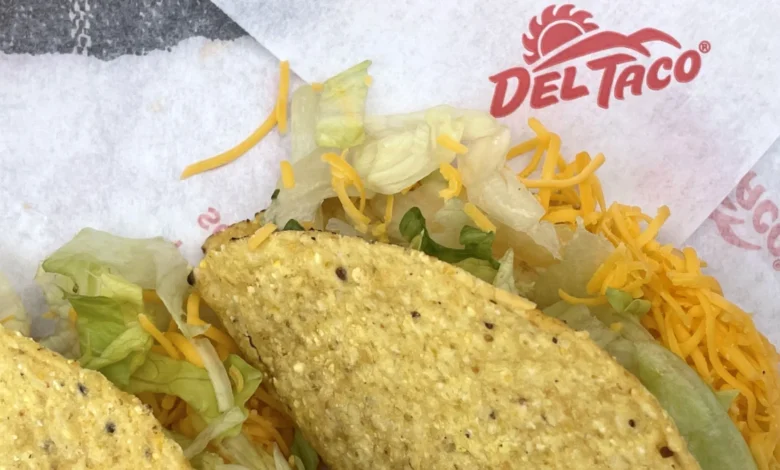
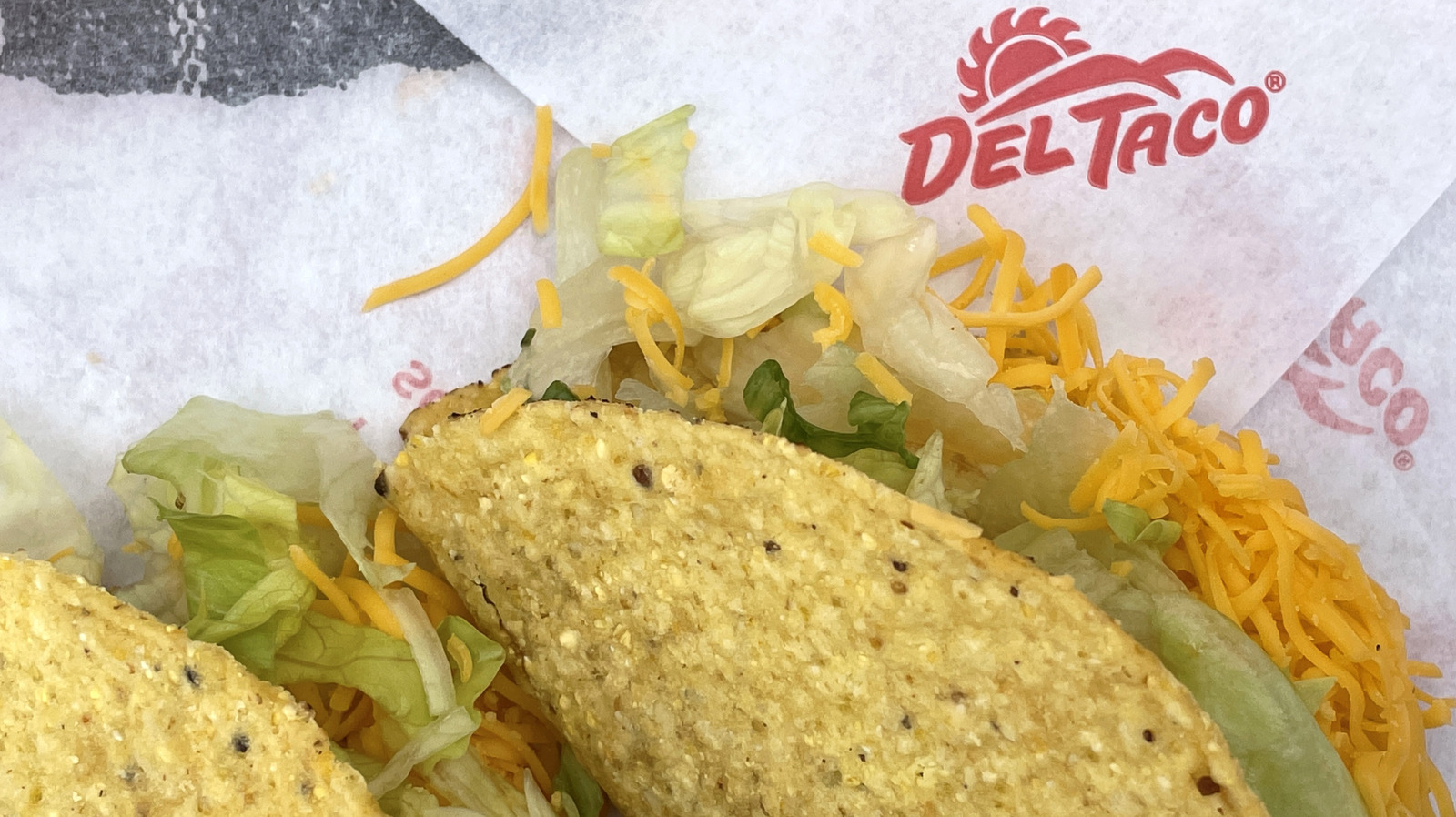
Priced under three dollars, The Del Taco delivers a structurally sound and texturally diverse culinary experience that outscores its more expensive or creatively ambitious counterparts. The taco features a traditional crunchy corn shell packed generously with seasoned ground beef, house-grated cheddar cheese, crisp shredded lettuce, and freshly diced tomatoes.
While it shares structural similarities with the chain’s lower-priced Snack Taco, The Del Taco offers a significantly higher volume of ingredients, creating a hearty portion that often spills over into its paper wrapper. Food critics testing the menu noted specific markers of quality that elevated the item above the competition:
- The Shell: Crafted from corn, the shell maintains an earthy flavor profile and a sturdy crunch that does not disintegrate upon the first bite, successfully holding its structural integrity throughout the meal.
- The Protein: The seasoned ground beef is thoroughly cooked and seasoned without unpleasant gristle, fatty pockets, or undesirable textures commonly associated with budget-tier fast-food proteins.
- The Produce: Unlike competing chains that rely on pre-shredded commercial cheese blends, Del Taco utilizes cheddar cheese that is grated in-house, paired with crisp, clean lettuce and ripe tomatoes that provide a necessary moisture and textural balance.
During the comparative tasting panel, reviewers noted that while several specialty tacos required diners to pick out unappealing components or suffered from poor ingredient distribution, The Del Taco was consumed entirely, praised for its harmonious balance of savory, fresh, and crunchy elements. Furthermore, the item’s versatility allows for extensive customization, with patrons frequently opting to add crinkle-cut fries, proprietary secret sauce, sour cream, guacamole, pico de gallo, or extra beef.
Historical Context and the Evolution of Mexican-American Fast Food
To understand the dominance of The Del Taco, it is necessary to examine the historical trajectory of Mexican-American fast-food chains in the United States. Founded in 1964 in Yuma, Arizona, by Ed Hackbarth and David Jameson, Del Taco emerged during a formative era for drive-thru dining. The original menu was remarkably straightforward, featuring 19-cent tacos, tostadas, and fries, with cheeseburgers added shortly thereafter to appeal to a broader American palate.
Over the subsequent decades, the fast-food Mexican segment evolved dramatically, largely defined by the aggressive national expansion of rival Taco Bell, which was acquired by PepsiCo in 1978 and later spun off into Yum! Brands. While Taco Bell leaned heavily into marketing-driven innovations—such as the Doritos Locos Tacos, Crunchwraps, and periodic rotations of limited-time promotional items—regional competitors like Del Taco maintained a hybrid identity centered on fresh preparation methods, such as grating real cheddar cheese daily and grilling chicken on-site.
This operational philosophy has historically positioned Del Taco as a regional powerhouse, predominantly concentrated in the Western United States, though it has pursued steady geographic expansion. The recent elevation of The Del Taco in comparative food journalism reflects a broader consumer nostalgia and a growing appreciation for brands that resist over-complicating their core menus in pursuit of viral social media trends.
Consumer Sentiment, Regional Disparities, and Market Rivalries
The ongoing debate between the merits of Del Taco and its primary competitor, Taco Bell, represents one of the most enduring rivalries in American fast food. Online forums, social media channels, and food blogs frequently feature passionate consumer discourse regarding ingredient quality, value, and taste profiles.
In public commentary across platforms like YouTube and Reddit, advocates for Del Taco consistently point to the freshness of the ingredients as the decisive factor. Reviewers frequently highlight the texture of Del Taco’s lighter, airier cheddar cheese and the distinct flavor profile of its hot sauce packets as superior to mass-produced alternatives. Quotes from dedicated patrons often emphasize a preference for the made-to-order feel of Del Taco’s hard-shell offerings compared to standardized fast-food assembly lines.
However, this loyalty also highlights significant logistical challenges for the brand. Unlike ubiquitous national chains with tens of thousands of storefronts, Del Taco’s footprint remains regional. With roughly 600 locations primarily anchored in California and select Western states, a vast portion of the American population lacks direct access to the brand. This geographic limitation has turned visits to Del Taco into localized culinary excursions for travelers and expatriated Westerners living in unserved regions, further elevating the cult status of items like The Del Taco.
Economic Value and Industry Implications
From an economic perspective, The Del Taco serves as a case study in menu engineering and consumer value propositions. In an inflationary economic environment where fast-food prices have risen significantly across all major segments, the sub-$3 price point of a substantial, protein-rich taco represents a high-value proposition for budget-conscious consumers.
Industry analysts note that maintaining high-quality perception at a low price point is a critical driver of customer frequency and brand loyalty. When consumers experience inflation fatigue, they scrutinize the ratio of cost to quality. By preserving the core recipe of The Del Taco—relying on traditional ingredients without cutting corners on in-house cheese grating or beef quality—the chain has managed to protect its reputation as a value leader without sacrificing product integrity.
Furthermore, the triumph of a traditional hard-shell taco over contemporary street-style corn tortillas or heavily engineered novelty items sends a clear signal to product development teams across the fast-food industry. While experimental menu items are effective tools for temporary marketing buzz and capturing early-adopter interest, foundational classics remain the emotional and financial anchor of legacy quick-service restaurant brands.
Conclusion and Broader Market Outlook
The recognition of The Del Taco as the premier item on its parent menu validates a conservative yet effective operational strategy: execution matters more than novelty. By focusing on ingredient freshness, structural durability, and balanced flavor profiles, the chain has sustained a loyal consumer base that fiercely defends its regional favorite against national behemoths.
As the quick-service restaurant industry continues to navigate shifting consumer preferences, supply chain pressures, and economic fluctuations, the enduring popularity of The Del Taco demonstrates that foundational fast-food classics, when executed with care and consistency, will continually outperform fleeting culinary trends. For consumers fortunate enough to live within the brand’s geographic footprint, the humble crunchy taco remains an untouchable standard in American fast food.