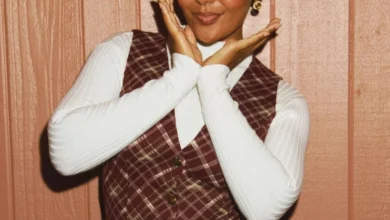
Chris Colfer Reflects on the Enduring Legacy of Glee and the Healing Power of Reconnecting with Darren Criss


The cultural phenomenon that was Ryan Murphy’s musical dramedy Glee remains a polarizing yet monumental chapter in television history. More than a decade after the series concluded its six-season run, the impact of its narrative choices and the personal experiences of its cast continue to surface. Recently, actor Chris Colfer, who portrayed the trailblazing character Kurt Hummel, opened up about the complexities of his tenure on the show and the profound emotional resonance of a recent onstage reunion with his former co-star, Darren Criss.
On October 18, the atmosphere inside London’s Royal Albert Hall shifted from a standard concert experience to a moment of significant pop-culture nostalgia. Darren Criss, known for his portrayal of Blaine Anderson—Kurt Hummel’s on-screen romantic partner—welcomed Colfer to the stage for a surprise duet of “Baby It’s Cold Outside.” The song, which served as a signature track for the pair’s “Klaine” relationship during the series’ second season, prompted an overwhelming response from the audience. For Colfer, the standing ovation that followed was far more than a simple applause for a television reunion; it was a corrective experience for years of internalized professional and personal pressure.
The Weight of Representation and Industry Pressure
To understand the gravity of Colfer’s recent reflection, one must consider the media landscape in 2009. When Glee premiered, the portrayal of queer characters on mainstream network television was significantly more restricted than it is today. As Kurt Hummel, a fashion-forward, openly gay teenager navigating the complexities of a conservative Ohio high school, Colfer became a beacon of visibility for LGBTQ+ youth worldwide. However, the external pressures placed upon the young actor were immense.
In previous interviews, including a 2024 appearance on The View, Colfer revealed that he was explicitly discouraged from disclosing his sexual orientation during the early stages of his career. He was advised that doing so would effectively terminate his prospects in the industry. The dichotomy between the character he was playing—a boy who bravely navigated the consequences of coming out—and the reality of his own professional life created a period of forced concealment. Colfer noted that while he attempted to navigate these directives, his own natural mannerisms and voice made the "hiding" process impossible, leading to a compromise where he was urged to simply remain silent on the matter of his personal life to ensure career longevity.
A Timeline of Cultural Impact and Personal Growth
The trajectory of Glee from a breakout hit to a cultural lightning rod provides context for why the recent London performance was so "healing" for Colfer.
- 2009: Glee debuts on Fox, introducing audiences to Kurt Hummel. The character is immediately lauded for his vulnerability and resilience against bullying.
- 2010: The show reaches peak cultural saturation. Chris Colfer receives a Golden Globe Award for Best Supporting Actor, cementing his status as a breakout star.
- 2010–2015: The "Klaine" relationship becomes a central pillar of the series, drawing millions of viewers and fostering a massive, dedicated fan base.
- 2015: Glee airs its series finale. In the years following, the show faces scrutiny regarding its production environment and the treatment of its cast members, as well as the tragic loss of core cast members Cory Monteith, Mark Salling, and Naya Rivera.
- 2024: Colfer speaks openly about the industry-wide homophobia he faced during his early years on the show.
- October 2026: The surprise reunion at the Royal Albert Hall serves as a public reconciliation with the legacy of the show, shifting the narrative from past trauma to shared appreciation.
The Resurgence of the Glee Brand
The timing of this reunion is particularly significant given the recent announcement that Disney+ and Hulu have greenlit a reboot of the Glee franchise. As news of the project broke just days after the London concert, the industry began speculating on the viability of reviving a show that was so uniquely tied to its specific moment in time.
The original series, which aired 121 episodes, was a pioneer in integrating musical numbers into a narrative structure, a format that influenced a generation of streaming content. However, the series also dealt with the challenges of sudden fame and the intense scrutiny of the early social media era. With a reboot now in development—reportedly featuring the return of original cast member Lea Michele—the producers face the difficult task of balancing the nostalgia that fuels interest in the franchise with the necessity of evolving the storytelling for a contemporary audience.
Colfer has been notably cautious regarding his involvement in this new iteration. While he has confirmed that discussions have taken place regarding the possibility of reprising the role of Kurt Hummel, his commitment remains non-committal. In a recent appearance on the Obsessed: The Podcast, he expressed a measured interest, noting that he had heard potential story concepts that struck him as "funny" and conceptually sound. His hesitation is understandable; for an actor who endured significant personal hardship while defining the character, the decision to return involves weighing the merits of artistic closure against the potential for reviving past tensions.
Analysis: The Evolution of Queer Representation
The emotional weight of Colfer’s recent comments underscores a broader shift in how the entertainment industry handles queer talent. During the Glee era, the "don’t ask, don’t tell" policy was an unspoken industry standard. Today, the conversation has moved toward authentic representation and the protection of actors’ well-being.
The "healing" Colfer described is indicative of a disconnect that often occurs between an actor’s internal experience of a role and the external, public perception of it. While audiences saw Kurt Hummel as a symbol of progress, Colfer was simultaneously navigating the limitations imposed by the very industry that profited from that progress. The standing ovation at the Royal Albert Hall functioned as a bridge, allowing the audience to acknowledge the importance of the character while providing the actor with a validation that was perhaps missing during the show’s original run.
Broader Implications for Future Reboots
The Glee reboot serves as a case study for the current trend of "revisiting" early 2010s hits. As streaming services compete for subscriber retention, the data-driven approach to reviving intellectual property often overlooks the human element—the actors who lived through the pressures of those shows.
If the production of the new Glee series is to succeed, it will likely require a different approach to duty of care and cast support than its predecessor. The fact that Colfer is engaging in these discussions with a sense of guarded optimism suggests that there is a path forward for the franchise, provided the creative team respects the lessons learned by its original stars.
As the industry waits for further updates on the reboot, the focus remains on the legacy of the original. For fans, the reunion of Colfer and Criss was a moment of pure nostalgia. For those within the industry, it stands as a testament to the fact that while the characters on screen may be fictional, the lives of the actors who portray them are deeply affected by the environments they inhabit. The story of Kurt Hummel is far from over, but it is clear that for Chris Colfer, the narrative has shifted from one of survival to one of ownership.
Related posts: