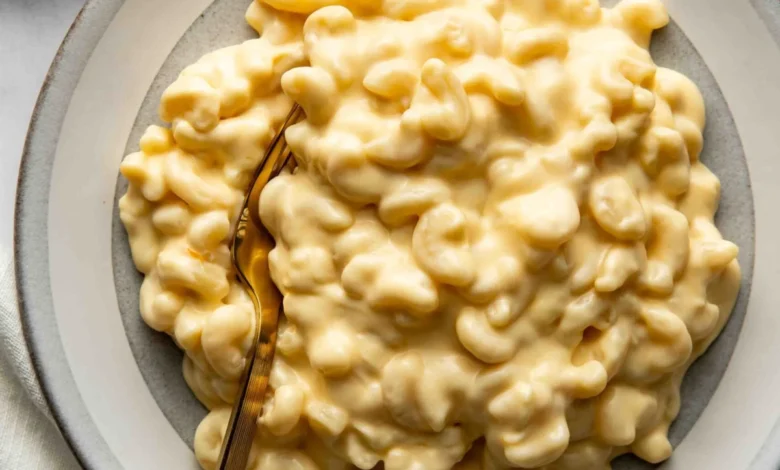
The demand for high-quality, crowd-pleasing comfort food has driven a resurgence in sophisticated, home-cooked, stovetop-prepared pasta dishes. Among these, the "party-scale" stovetop mac and cheese has emerged as a preferred solution for event hosts looking to balance culinary quality with logistical efficiency. By utilizing a foundational béchamel technique—the classic French mother sauce—culinary enthusiasts are finding that they can produce a velvety, professional-grade cheese sauce that maintains its consistency even when prepared for large gatherings of 25 or more individuals.
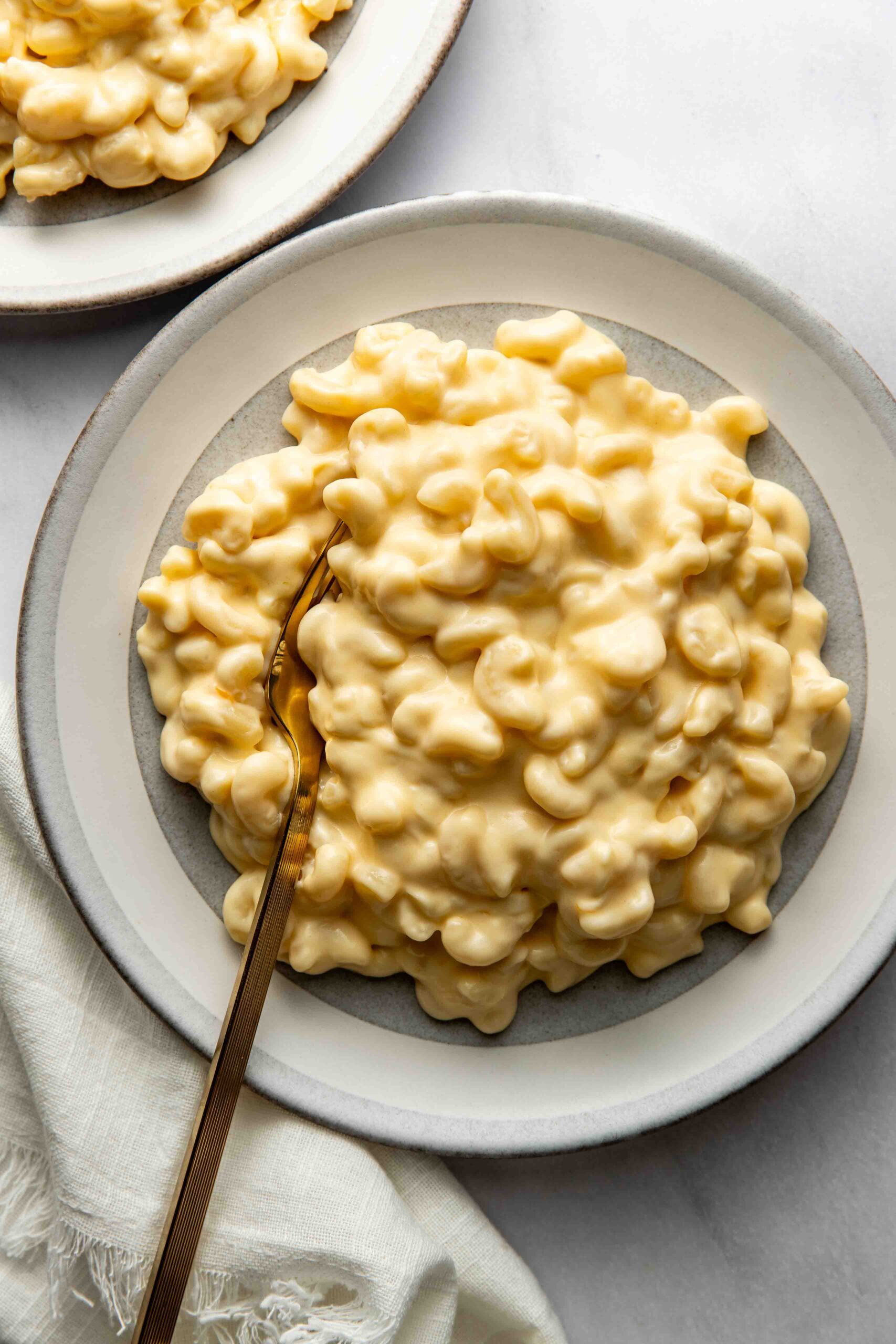
The Origin and Context of the Event
The recent popularity of this specific recipe traces back to a community-driven charity initiative held this past summer. The event, which centered on a 50-mile cycling campaign intended to raise awareness and funds for amphibian conservation, necessitated a catering strategy that could provide substantial, high-calorie, and satisfying nourishment for a large group of participants upon their arrival.
Event organizers sought a menu that was both logistically manageable and universally appealing. The resulting decision to serve a large-batch stovetop mac and cheese proved to be a strategic success. The dish served as the primary meal for 25 attendees, demonstrating that complex, scratch-made pasta dishes do not necessarily require the time-intensive constraints of baked casserole versions, which often lose their moisture during prolonged holding times in warming trays.

Technical Methodology: The Béchamel Foundation
The professional success of this dish relies on the precise execution of a roux-based sauce. A roux, which is a mixture of equal parts flour and fat—in this case, butter—serves as the thickening agent for the dairy base.
- Roux Preparation: The process begins by melting butter and whisking in flour until the mixture is bubbly and slightly toasted, indicating the starch has been cooked out.
- Dairy Incorporation: The gradual addition of milk and cream is a critical phase. By adding the liquid in increments and whisking continuously, the cook prevents the formation of clumps, resulting in a smooth, stable emulsion.
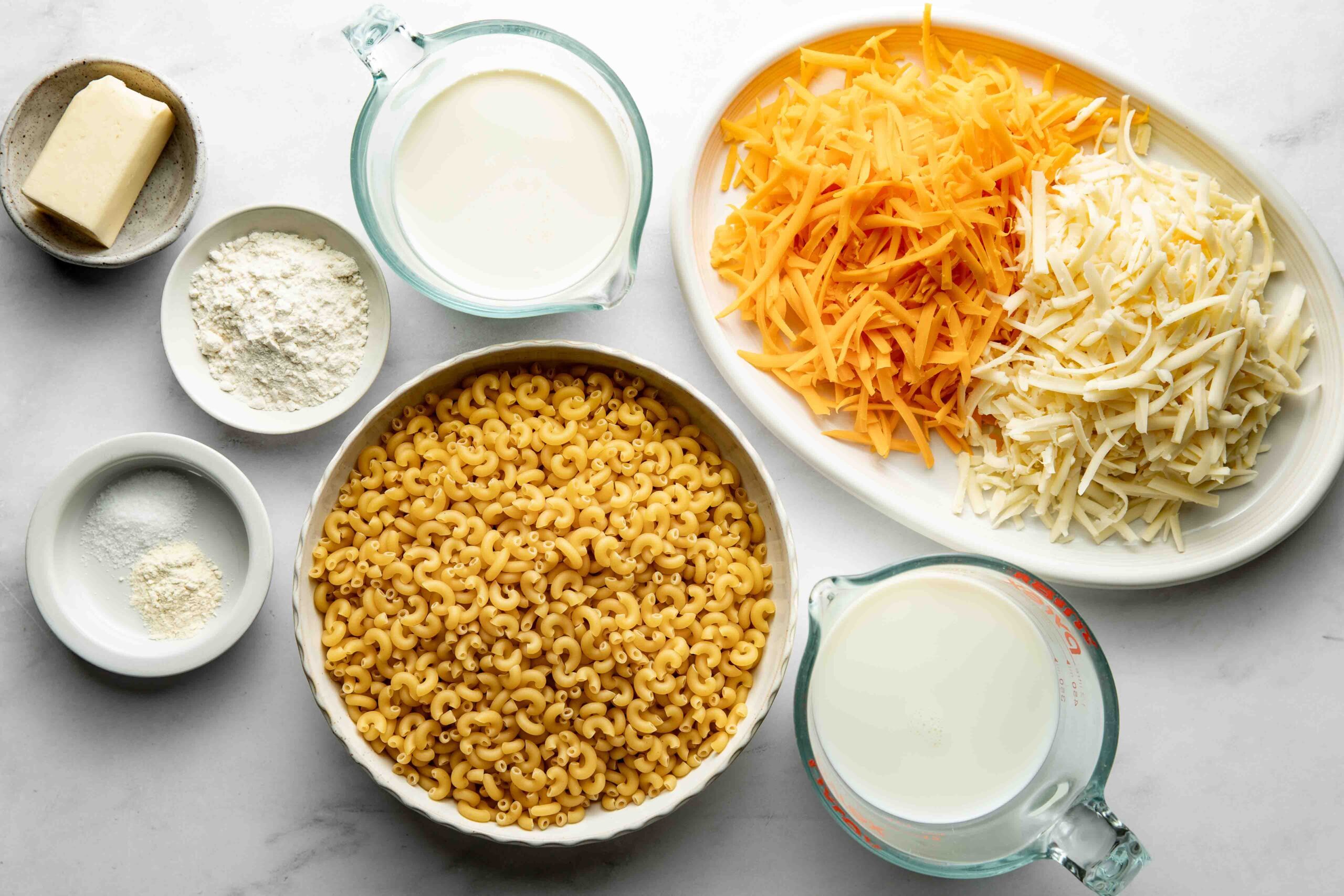
- Cheese Integration: The choice of cheese is a significant variable. Culinary experts recommend a blend of high-melting-point cheeses, such as a sharp cheddar combined with Gruyere. The inclusion of Gruyere is particularly notable for its high moisture content and nutty flavor profile, which contributes to the "Panera-style" velvety texture often sought in commercial food production.
- Final Assembly: To maintain the ideal consistency, the cooked pasta is folded into the sauce just before service. The addition of warm water is a professional technique used to adjust the viscosity of the sauce, ensuring it remains "loose" and creamy rather than clumping or drying out as it cools.
Logistics and Scaling for Large Gatherings
One of the primary challenges of event catering is the timing of food preparation. To address this, many professional and home caterers adopt a staged approach. By breaking the recipe into distinct phases, the labor is spread out over several hours or days.
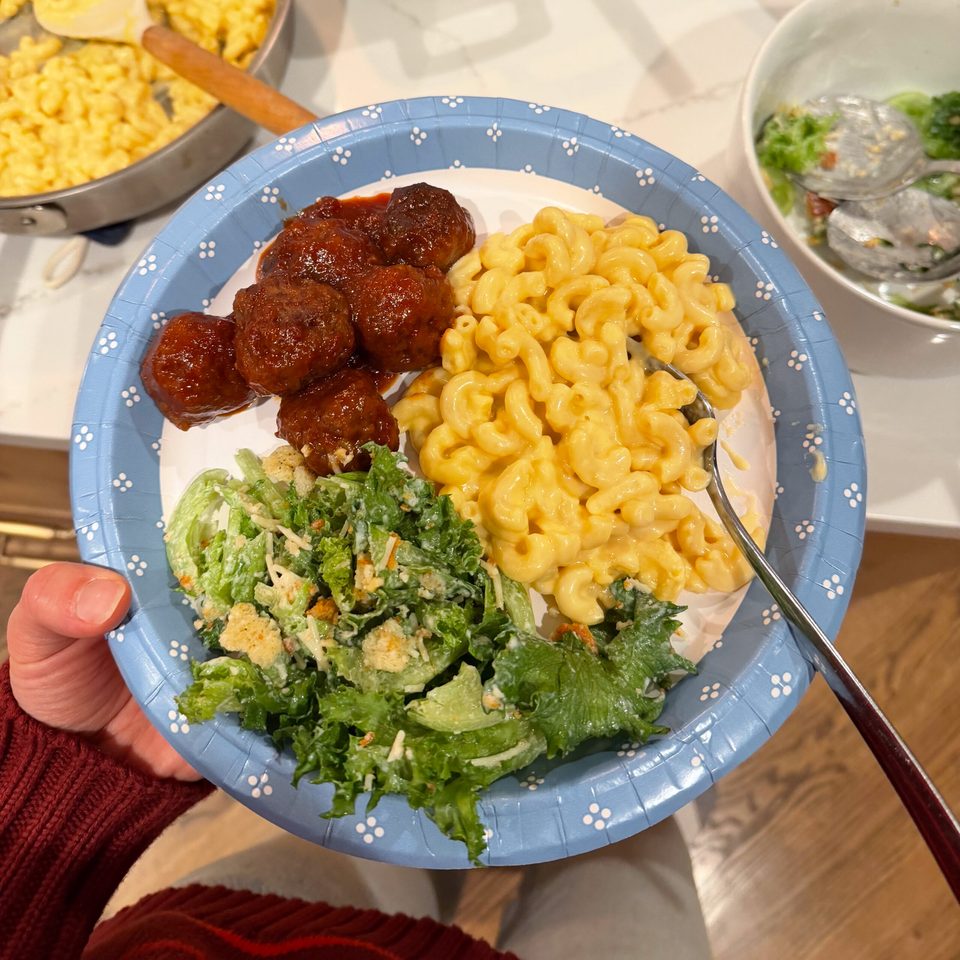
- Preparation Phase: Noodles are boiled to an al dente state and set aside. Simultaneously, the cheese is grated to ensure rapid melting, and the béchamel base is fully developed.
- Storage and Reheating: The base sauce can be refrigerated, provided it is reheated with care. Adding a small amount of liquid during the reheating process is essential to re-emulsify the fats and starches that may have set during storage.
- Service: The final assembly—melting the cheese into the warm béchamel and folding in the noodles—is performed at the last possible moment. This ensures that the temperature of the dish is optimal and the texture remains uniform for all guests.
Data on Comfort Food Trends
Market analysis indicates that "comfort foods" like mac and cheese remain a staple in both private and commercial event planning. Data suggests that these dishes possess a high "hedonic value," meaning they are associated with positive psychological states and social bonding. In the context of large-scale events, providing a familiar, high-quality dish like mac and cheese can significantly improve attendee satisfaction.
Furthermore, the shift toward "stovetop" methods reflects a broader trend in home cooking: the move away from oven-baked variants that often require longer preparation times and result in a drier product. Stovetop methods allow for immediate control over the moisture content, providing a more consistent experience for a large number of people.

Broader Implications for Culinary Practices
The success of this recipe in a group setting highlights a shift in how amateur cooks approach event hosting. There is a clear move toward professional techniques—such as the systematic use of a béchamel and the strategic use of high-quality, pre-blended cheese—to achieve results that rival high-end fast-casual establishments.
The scalability of this dish offers an efficient solution for organizations and individuals hosting gatherings. By standardizing the prep-work and focusing on the chemical stability of the sauce, hosts can mitigate the risks of "broken" or separated cheese sauces, which are common failures in large-batch cooking. The incorporation of ingredients from accessible, high-quality retailers, such as Trader Joe’s or ALDI, further democratizes the ability to create high-end culinary outcomes on a modest budget.
Conclusion and Future Considerations
The "party mac and cheese" model serves as a case study for how simple, classic ingredients can be elevated through proper technique. As the trend toward communal, home-cooked dining continues to gain traction, the focus remains on dishes that offer both reliability and sensory appeal. The ability to prepare a large volume of food that does not sacrifice texture for quantity is a valuable skill in modern social and charitable settings.
Future adaptations of this dish may include the exploration of alternative cheese blends or the integration of dietary-inclusive options, such as gluten-free pasta or plant-based dairy substitutes, provided the fundamental chemistry of the roux-based sauce is respected. For now, the combination of a well-executed béchamel and high-quality cheese remains the gold standard for those tasked with feeding a crowd. Whether for a post-cycling charity event or a casual dinner party, the objective remains the same: the delivery of a comforting, consistent, and high-quality culinary experience.