Beaver Moon 2026: When to see a full ‘supermoon’ rise this week, and another on Christmas Eve

Understanding the Mechanics of a Supermoon
To understand why the upcoming Beaver Moon is categorized as a "supermoon," one must look to the mechanics of the lunar orbit. The moon does not travel in a perfect circle around the Earth; instead, its path is elliptical. Throughout its monthly cycle, the moon reaches two key points: perigee, its closest point to Earth, and apogee, its farthest point.
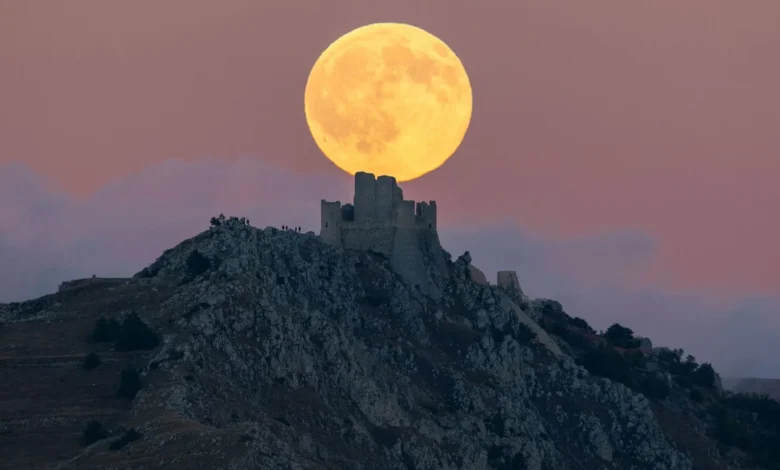
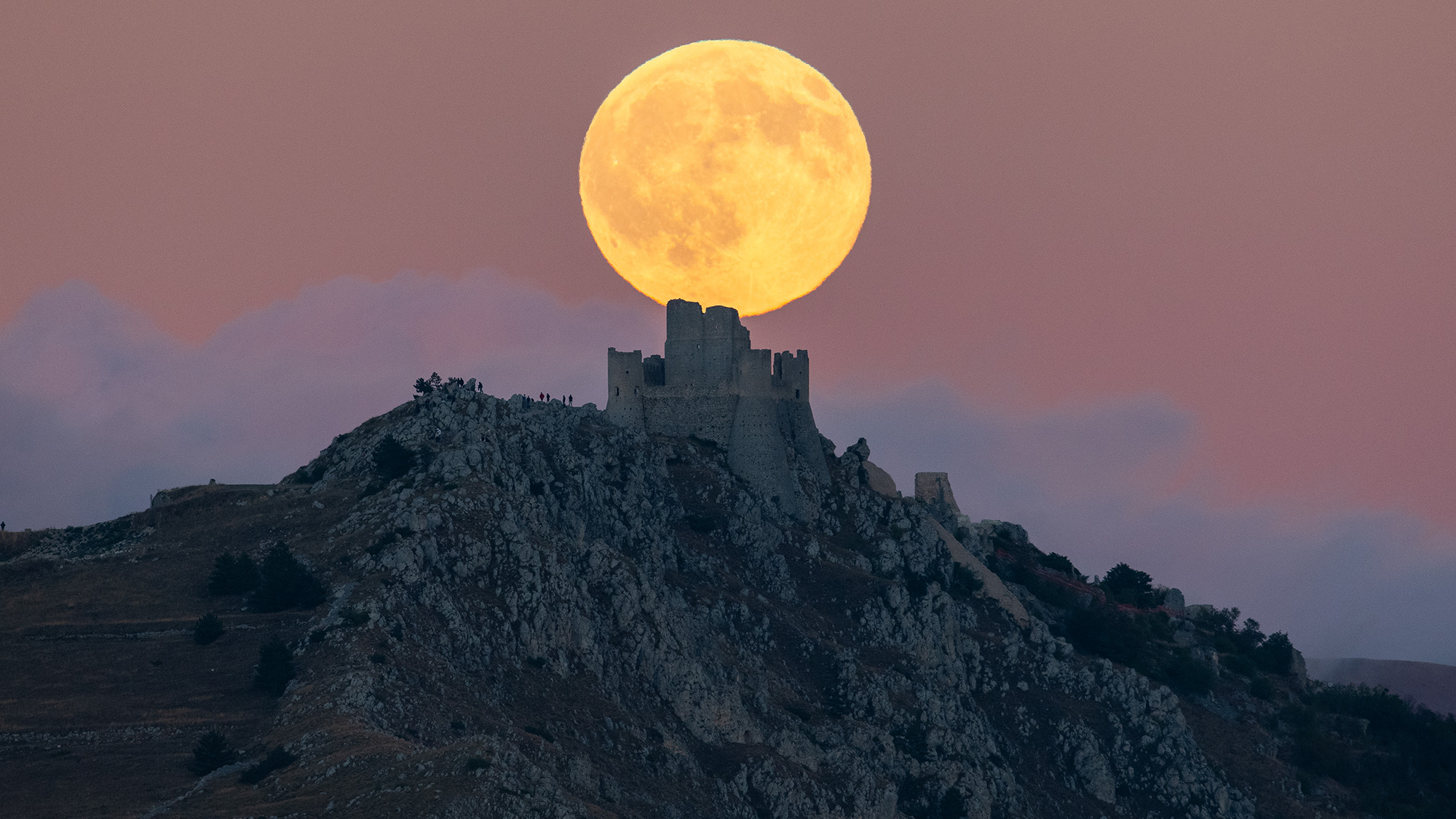
A supermoon occurs when a full moon coincides with the moon’s arrival at perigee. Because the moon is physically closer to our planet, it appears roughly 14% larger and 30% brighter in the night sky than a full moon occurring at apogee. While the term "supermoon" is not an official astronomical designation—it was coined by astrologer Richard Nolle in 1979—it has become the standard vernacular used by NASA and the scientific community to describe this specific phenomenon. The Nov. 24 event initiates a high-energy period for lunar observation, where the gravitational influence of the moon is slightly stronger due to its proximity to the Earth.
The Significance of the Beaver Moon
The name "Beaver Moon" is rooted in historical traditions, primarily those of Native American tribes and early colonial settlers. According to the Old Farmer’s Almanac, this designation was used because it signaled the time of year when beavers were actively preparing for winter, constructing their lodges and storing food. It also served as a critical indicator for hunters that the time to set traps for beaver pelts—needed to provide warm clothing for the impending winter months—had arrived.
Beyond its cultural history, the November moon marks the transition toward the winter solstice. As the Northern Hemisphere tilts away from the sun, the nights grow longer, providing an extended window for lunar observation. For observers in the Northern Hemisphere, the moon will appear to rise higher in the sky than it does during summer months, as it traces an arc that mimics the sun’s lower path during the winter.
A Three-Month Chronology of Lunar Proximity
The event on Nov. 24 is not an isolated occurrence but rather the start of a rare celestial chain. Astronomers have identified a specific alignment occurring over the final quarter of 2026:
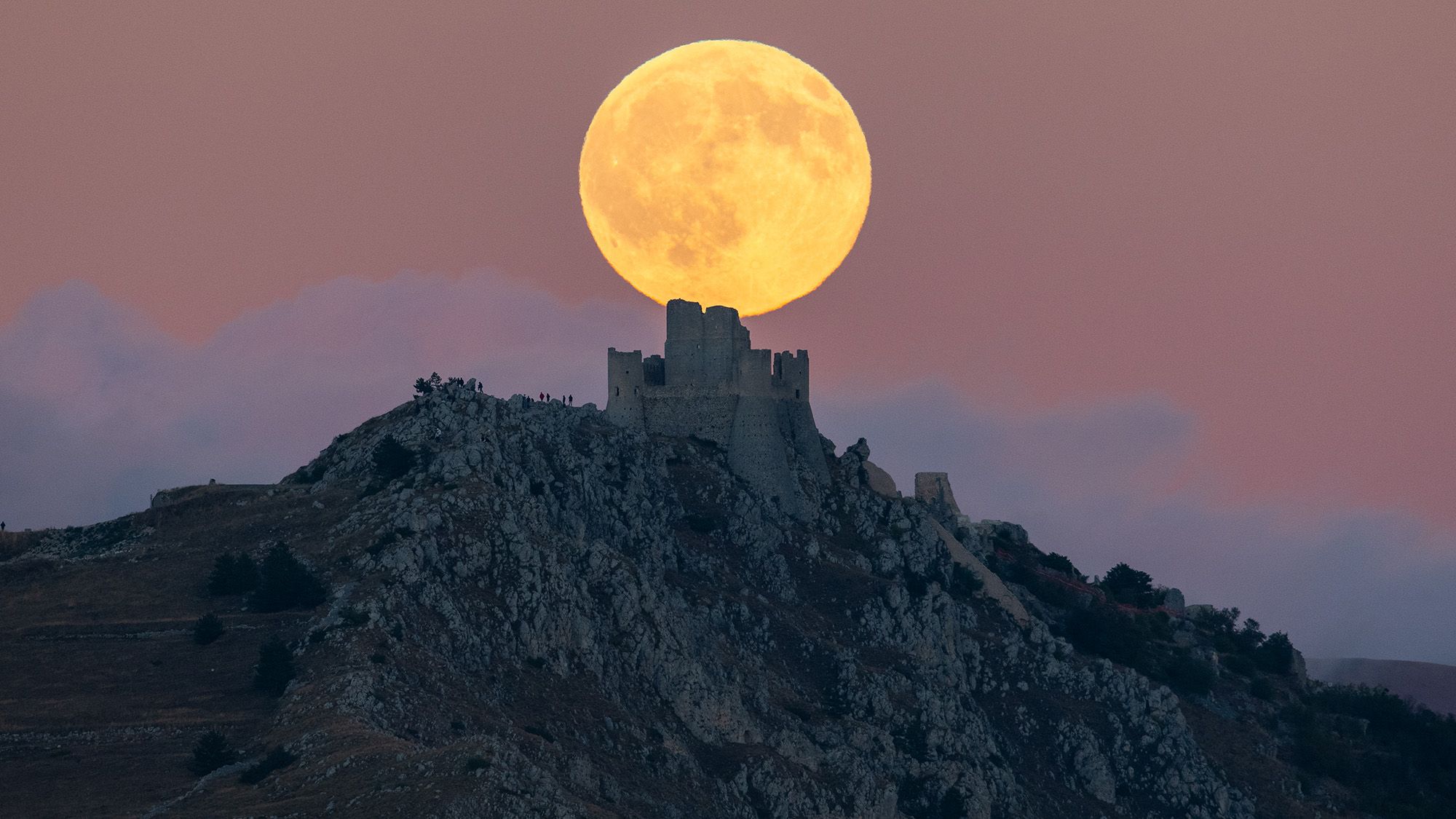
- November 24, 2026: The first of three supermoons. While not the most extreme of the set, it marks a noticeable increase in the moon’s apparent diameter.
- December 2026: The "Christmas Supermoon." This will be the highlight of the series. Because the moon reaches perigee almost simultaneously with its full phase, it will reach a distance from Earth not seen in nearly a decade.
- January 2027: The final supermoon of the sequence. While slightly further away than the December iteration, it remains within the threshold of "super" classification, completing a rare trifecta of large-moon sightings.
This sequence provides a unique opportunity for researchers to capture high-resolution imagery and data on lunar surface features, as the increased proximity allows for better definition of craters and lunar maria (the dark plains formed by ancient volcanic eruptions).
Supporting Data and Observational Tips
For those planning to view the Nov. 24 event, timing is essential. The moon will reach its peak fullness at dusk. Because of the "moon illusion"—a psychological phenomenon where the moon appears larger when it is near the horizon compared to when it is high in the sky—viewers are encouraged to watch the moon as it rises.
While the illusion is a product of the human brain comparing the moon to terrestrial objects like trees or buildings, the physical reality of the supermoon adds a genuine layer of increased size. To maximize the experience, experts suggest moving away from urban light pollution. Even with the moon’s inherent brightness, the contrast against a dark, rural sky will allow for a more dramatic observation of the lunar landscape.
Implications for Tides and Environmental Impacts
The increased gravitational pull of a supermoon is a subject of significant interest for oceanographers and coastal planners. Because the moon is closer to Earth during its perigee, its tidal force is amplified. While a supermoon alone does not cause catastrophic events, it does result in "perigean spring tides."
Coastal regions may experience higher-than-average high tides and lower-than-average low tides during this period. In areas prone to flooding, local authorities often monitor these dates closely. The combination of the November supermoon and the subsequent December peak means that coastal communities should be prepared for more pronounced tidal fluctuations throughout the end of 2026.
The Scientific Perspective: Why It Matters
For professional and amateur astronomers, the coming months represent a "golden age" for lunar study. Dr. Elena Vance, a theoretical astrophysicist, notes that "the proximity of the moon during this three-month window allows for a unique comparative analysis. By observing the lunar surface under these specific conditions, we can better understand the interplay between lunar libration—the slight ‘wobble’ of the moon—and our viewing angle from Earth."
Furthermore, the public interest generated by these events serves as an entry point for science communication. Organizations such as the International Dark-Sky Association (IDA) often utilize these dates to advocate for the reduction of artificial light, emphasizing that the best way to enjoy a celestial event is in an environment where the natural night sky is preserved.
Conclusion and Looking Ahead
The Nov. 24 Beaver Moon is more than just a calendar marker; it is a reminder of the dynamic, ever-changing relationship between the Earth and its only natural satellite. As the first of three supermoons, it sets the stage for a period of heightened interest in the night sky.
Observers should be aware that while the visual difference between a standard full moon and a supermoon can be subtle to the untrained eye, the cumulative effect of three consecutive events offers a rare chance to witness the mechanics of our solar system in action. Whether one is a seasoned astrophotographer or a casual observer, the late autumn sky of 2026 promises a spectacle of natural beauty, driven by the rhythmic, elliptical dance of the moon.
As we approach the final weeks of 2026, the focus will inevitably shift toward the December event, which stands to be one of the most photographed lunar occurrences of the decade. Until then, the Beaver Moon offers a quiet, brilliant prelude to a spectacular end-of-year conclusion.