Cucumber Salad with Sesame and Rice Vinegar Becomes an Unexpected Culinary Focus After Nearly Two Decades of Omission

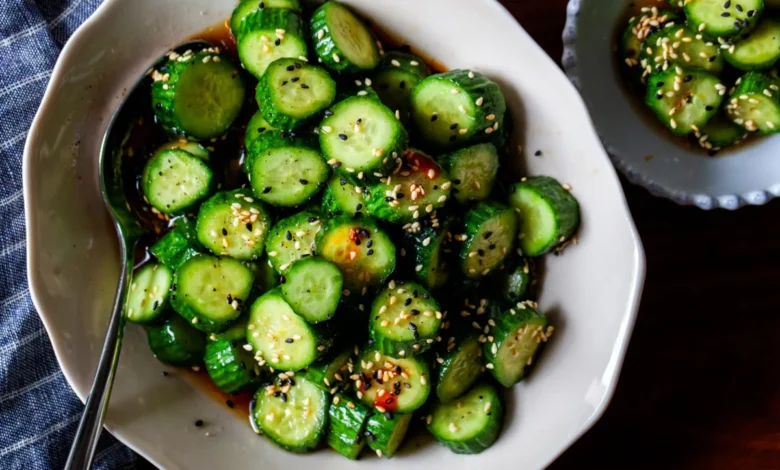
The enduring popularity of simple home-cooked meals has brought renewed attention to the culinary habits of long-running food publications, specifically regarding staple vegetables that frequently appear on domestic tables yet rarely receive dedicated recipe features. Cucumbers, recognized globally for their high water content, textural crunch, and versatility across diverse flavor profiles, have occupied a paradoxical position in contemporary home cooking literature. Despite being consumed multiple times a week in countless households—particularly during periods of elevated seasonal temperatures—they have historically been underrepresented in formalized recipe archives. Culinary authorities attribute this gap not to a lack of consumer interest, but rather to the casual, improvisational nature of cucumber preparation, which typically bypasses the rigorous testing and refinement processes applied to more complex dishes.
To address this notable absence, food writers and recipe developers have recently formalized a standard template for a weeknight cucumber salad heavily influenced by Japanese culinary traditions. This development highlights a broader shift toward minimalist, highly accessible cooking methods that prioritize efficiency without sacrificing dietary satisfaction or flavor complexity.

Origins and Evolution of the Recipe
The newly popularized home-cooking staple draws its primary inspiration from sunomono, a traditional Japanese category of dishes whose name translates directly to "vinegared things." Historically, sunomono encompasses a wide variety of raw vegetables and seafood that have been lightly cured or marinated in a sweet and tangy dressing predominantly composed of rice vinegar.
While authentic preparations often incorporate sugar to balance the acidity, contemporary adaptations frequently streamline the ingredient list to better suit fast-paced modern lifestyles. In the standard weeknight variation now gaining traction, the sweet element is omitted, and the preparation method is significantly accelerated. Rather than adhering to prolonged marination schedules, the process relies on a brief salting phase—ranging from as little as ten minutes to upwards of an hour—which draws out excess internal moisture through osmotic pressure. This moisture deficit creates a porous cellular structure within the cucumber slices, allowing them to rapidly absorb the subsequent application of rice vinegar, sesame oil, soy sauce, and aromatics.
Culinary Context and Domestic Integration
In modern domestic settings, this style of cucumber salad serves as a functional accompaniment to a wide array of Asian-inspired dishes, including stir-fries, noodle bowls, and pan-fried dumplings. Nutritionists and culinary analysts note that dishes characterized by high hydration and crisp textures provide an essential sensory contrast to heavy or carbohydrate-dense comfort foods.

Furthermore, the operational logistics of the recipe make it an ideal candidate for batch preparation. Culinary tests indicate that the salted and dressed cucumbers maintain structural integrity and palatability when stored in refrigerated environments for two to three days. Over time, the extended contact with the acidic dressing initiates a mild pickling process, altering both the texture and depth of flavor without compromising food safety standards, provided standard refrigeration temperatures are maintained.
Community Engagement and Philanthropic Initiatives
Alongside the dissemination of culinary recipes, prominent online food platforms frequently leverage their established digital footprint to coordinate large-scale philanthropic campaigns. A notable example concurrent with the recent focus on seasonal cooking is the annual launch of the Classroom Wishlist Project. This organized effort connects educators in need of fundamental classroom supplies—such as writing instruments, paper, and instructional books—with public donors via crowdsourced digital spreadsheets.
Background context on educational funding reveals that teachers across numerous jurisdictions frequently allocate substantial portions of their personal finances to secure basic materials required for daily instruction. Initiatives like the Classroom Wishlist Project aim to mitigate this financial burden by centralizing resource requests and facilitating direct contributions from community members. Analysts tracking charitable giving observe that tying philanthropic calls to lifestyle and cooking platforms effectively mobilizes large, geographically dispersed audiences, translating everyday digital engagement into tangible material support for public educational infrastructure.

Broader Nutritional and Economic Implications
The resurgence of interest in basic vegetable preparations reflects broader economic and nutritional trends observed within contemporary consumer markets. As economic pressures influence household food budgets, consumers increasingly seek out ingredients that offer a high yield per unit cost. Cucumbers consistently rank among the most economically efficient produce items available in major retail markets, offering substantial volume and caloric hydration at a minimal financial outlay.
From a nutritional perspective, reliance on high-water-content vegetables aligns with public health recommendations emphasizing the consumption of fresh produce to maintain adequate hydration and micronutrient intake. Agricultural data indicates steady year-round availability of cucumbers, sustained by diverse domestic growing regions and international supply chains, ensuring that recipes dependent on the vegetable remain resilient against seasonal price spikes or supply chain disruptions.
Future Outlook for Digital Recipe Archives
The formal documentation of casual, everyday dishes marks a transitional phase in how culinary content is curated and presented to the public. As digital archives expand past twenty years of accumulated material, curators face the challenge of reconciling complex, meticulously tested baking projects with the spontaneous, unrecorded habits that define the majority of domestic meal preparation. The formalization of the sesame and rice vinegar cucumber salad suggests a future where culinary platforms increasingly validate everyday kitchen routines, bridging the gap between high-complexity gastronomy and the practical realities of daily home economics.