
FBI Security Crisis Deepens as Hackers Breach National Crime Information Database, Raising Officer Safety Alarms

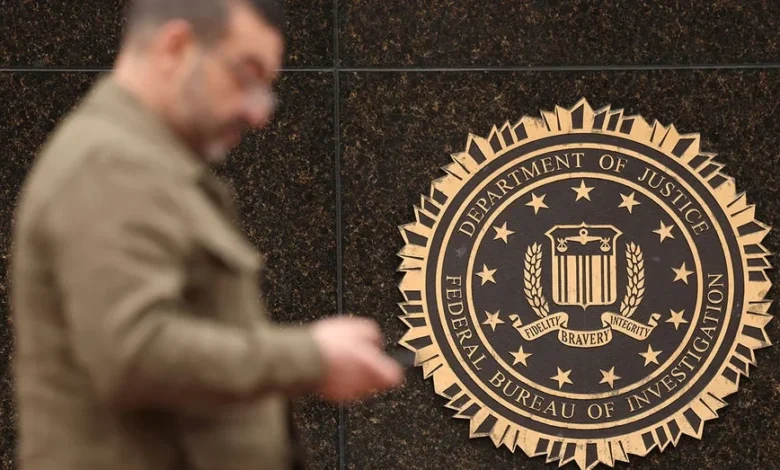
The Federal Bureau of Investigation is facing an escalating digital security crisis following a sophisticated cyberattack on its National Crime Information Center (NCIC). This breach represents the second major cybersecurity incident to compromise the bureau within a matter of months, triggering urgent investigations and drawing sharp concern from national security experts, law enforcement officials, and federal legislators.
The intrusion into a database that serves as a fundamental operational tool for hundreds of thousands of law enforcement officers across the United States has exposed severe vulnerabilities in federal digital architecture. While investigators scramble to determine the full scope of the breach and assess whether critical criminal data was compromised or maliciously altered, the incident has reignited a national conversation regarding the protection of vital domestic security infrastructure against an increasingly aggressive landscape of cyber threats.
The Threat to Law Enforcement in the Field
The primary anxiety surrounding the NCIC breach centers not on the theft of classified documents or sensitive counterintelligence secrets, but rather on the immediate, tangible danger posed to police officers conducting routine traffic stops and field investigations.
The NCIC functions as the central nervous system for American law enforcement. It serves as an electronic clearinghouse of criminal justice information that is accessible in real-time to patrol cars via approximately 56 state and territorial terminals. Officers rely on this vast repository to check active warrants, review criminal histories, verify missing children alerts, track suspected gang members, and screen for known terrorists or violent offenders.
According to Jason Pack, a retired FBI supervisory special agent with extensive experience in cybercrime and public information, the nightmare scenario for incident response teams is the possibility that malicious actors may have altered records within the database.
"What they worry about is if any of this data has changed, then it might affect officers’ safety on the side of the road," Pack noted in an analysis of the breach. If a violent fugitive’s record were wiped clean to display no active warrants, or if a routine traffic stop involving a dangerous suspect yielded a false negative in the patrol car’s terminal, the consequences for responding law enforcement personnel could prove fatal.
Although preliminary assessments by investigators indicate no definitive proof that records have been altered or that the system has suffered a complete operational outage, the mere vulnerability of such an essential pipeline has forced federal agencies into a state of high alert.
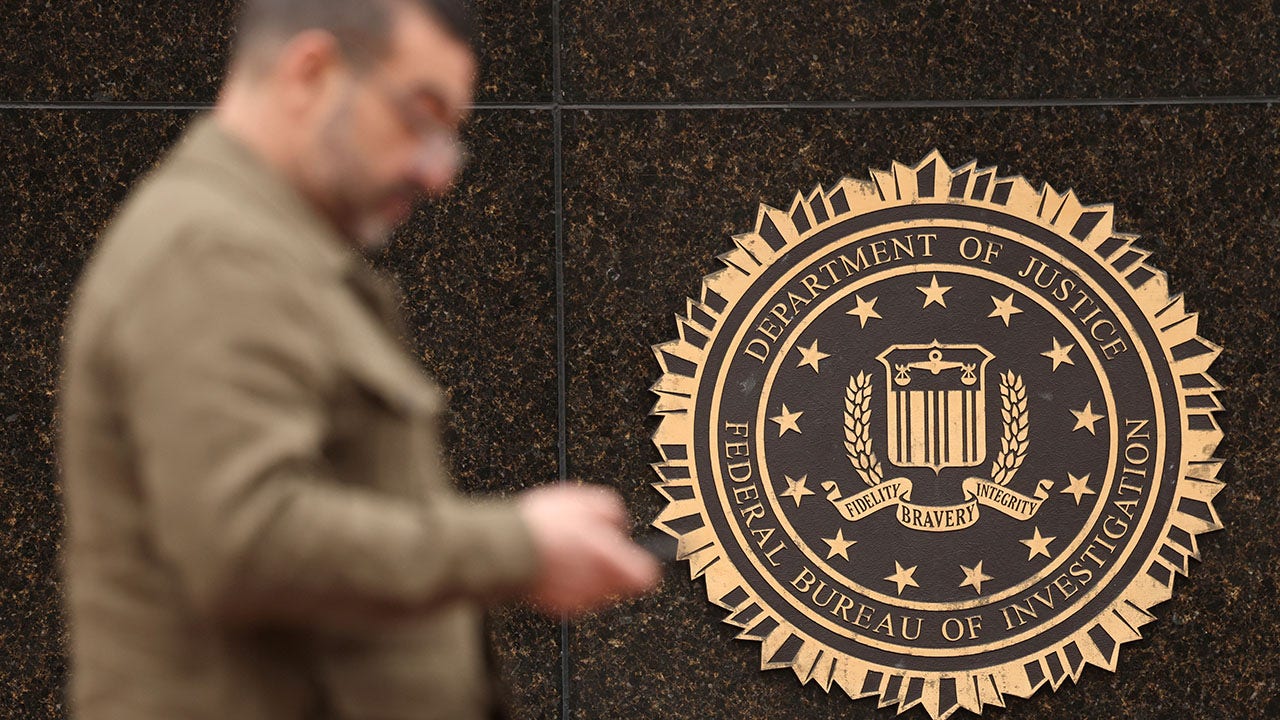
Anatomy of the Breach and Investigatory Hurdles
According to multiple sources familiar with the matter, hackers successfully penetrated the NCIC infrastructure, prompting a comprehensive forensic examination by the bureau’s specialized cyber incident response teams.
Investigating a breach of this magnitude requires untangling a complex web of digital evidence. Cybersecurity professionals are currently scrutinizing IP logs, metadata, and authentication protocols to pinpoint how the intruders bypassed security perimeters. Investigators are evaluating three primary vectors of entry: whether attackers exploited a compromised set of credentials among the system’s user base of more than 100,000 authorized personnel, whether a state-level terminal served as the weak link, or whether the infiltration occurred through a compromised third-party vendor.
The challenge is magnified by the blistering pace of modern cyber operations. Pack observed that criminal networks and state-sponsored syndicates are increasingly weaponizing artificial intelligence to conduct reconnaissance, map networks, and probe for vulnerabilities at "machine speed."
"You have this cat and mouse game where cybersecurity experts are trying to patch the vulnerabilities that they find," Pack explained. "They’re looking for their own vulnerabilities at the same time, they have to play defense against the criminals who are out there trying to steal information or do harm to our systems. I think we’re just seeing now this speed of these intrusions ramp up a lot."
Political and Institutional Fallout
The compromise of the NCIC database did not occur in a vacuum; it arrives on the heels of a troubling pattern of security failures within the federal government.
In September, the notorious extortion and hacking collective known as ShinyHunters successfully breached an FBI job portal website. The group subsequently claimed to have exfiltrated personal data belonging to bureau employees. While the exact source of that portal breach remains officially undetermined by the FBI, the incident severely damaged perceptions of the bureau’s internal digital hygiene.
The string of high-profile security lapses has drawn swift political reaction. President Donald Trump, speaking during an interview on Saturday morning, acknowledged the severity of the situation. Responding to questions regarding the infiltration, Trump stated that he had "just heard" about the intrusion, adding candidly, "I will say that it’s not good. I don’t like that."

The timing of the NCIC hack also aligns with broader institutional scrutiny regarding federal cybersecurity preparedness. A recent Government Accountability Office (GAO) report delivered an alarming assessment of federal oversight, revealing that 17 out of 22 evaluated government agencies failed to maintain compliance with established federal cybersecurity regulations. This persistent shortfall in baseline security measures has left critical infrastructure increasingly exposed to foreign and domestic cyber threats.
A Chronology of Escalating Vulnerabilities
The sequence of events leading up to the current FBI investigation highlights a deteriorating defensive posture across federal digital networks:
- September: The extortion group ShinyHunters targets the FBI, breaching a job portal and claiming to have stolen the personal records of bureau employees, initiating months of heightened security reviews within the agency.
- Late Autumn: A Government Accountability Office report exposes systemic compliance failures, finding that the vast majority of major federal agencies fall short of mandated cybersecurity standards.
- Recent Weeks: Federal sources confirm that hackers have successfully breached the National Crime Information Center (NCIC), marking the second major cyberattack against the FBI in recent months.
- Saturday: Retired FBI officials voice public concerns regarding officer safety, while President Trump condemns the breach during a media appearance as investigations into data integrity continue.
Broader Implications for National Security and Public Safety
The breach of the NCIC extends far beyond an IT failure; it strikes at the core of public trust in law enforcement institutions. The database houses sensitive personally identifiable information—including names, dates of birth, and Social Security numbers—pertaining to individuals swept up in the criminal justice system. A data leak of this scale exposes millions of citizens to risks associated with identity theft and targeted fraud.
Furthermore, the incident underscores the vulnerability of hybrid networks that connect federal databases to state, county, and municipal law enforcement agencies. Because the NCIC acts as a decentralized hub feeding information outward to hundreds of thousands of local patrol vehicles, securing the perimeter requires absolute synchronization across thousands of independent municipal police departments, each with varying levels of cybersecurity sophistication.
As the FBI’s incident response teams continue their forensic audit of the system, pressure is mounting from lawmakers, police advocacy groups, and cybersecurity experts for a comprehensive overhaul of federal data protection protocols. Without robust, modernized defenses capable of countering AI-driven attacks, federal law enforcement agencies risk leaving their most vital assets—and the officers on the front lines—dangerously exposed.