Precision Light-Activated Therapy Developed by Nagoya University Researchers Targets Gum Disease While Protecting Beneficial Oral Microbes

A groundbreaking therapeutic approach developed by researchers at Nagoya University in Japan promises to revolutionize the management of periodontitis—a severe and widespread form of gum disease. Published in the Journal of Translational Medicine, the study details a novel method that combines egg yolk-derived antibodies with near-infrared light to selectively eliminate harmful oral pathogens without disrupting the delicate ecological balance of the human mouth. This innovative treatment marks a significant departure from traditional broad-spectrum antimicrobials, offering a targeted alternative that could mitigate the adverse inflammatory side effects long associated with conventional periodontal care.
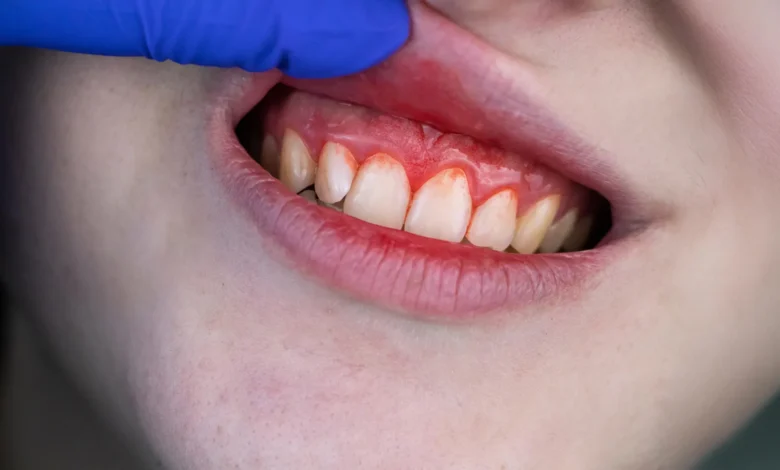
The human oral cavity houses an intricate and diverse ecosystem of microorganisms, many of which are essential for maintaining physiological health. However, this ecological equilibrium is vulnerable to disruption when pathogenic bacteria proliferate. Chief among these threats is Porphyromonas gingivalis (P. gingivalis), a bacterium classified by microbiologists as a keystone pathogen. Despite often making up a small fraction of the total oral microbiome, P. gingivalis exerts an outsized influence. It triggers severe local inflammation, disrupts microbial homeostasis, and drives the destruction of the alveolar bone—the specialized jawbone tissue responsible for anchoring and supporting the teeth. Left unchecked, advanced periodontitis leads to progressive tissue detachment, tooth mobility, and eventual tooth loss.
The Limitations of Conventional Periodontal Interventions
For decades, the standard medical and dental response to periodontitis has relied heavily on broad-spectrum interventions designed to eradicate bacterial loads within the periodontal pockets. These traditional modalities typically encompass systemic or localized antibiotics, mechanical scaling and root planing, and antimicrobial photodynamic therapy (aPDT). While these methods are effective at reducing overall bacterial presence, they suffer from a critical clinical drawback: an inability to distinguish between pathogenic invaders and beneficial resident microbes.
Dr. Kazuhide Sato, a lecturer at Nagoya University and corresponding author of the study, highlighted the shortcomings of current paradigms. "Current treatments for periodontitis, including antibiotics and antimicrobial photodynamic therapy, eliminate both pathogenic and beneficial oral bacteria," Sato explained. "These approaches often disrupt the entire oral microbial ecosystem and can also release lipopolysaccharide, an endotoxin that may exacerbate inflammation."
When broad-spectrum agents indiscriminately kill beneficial bacterial species—such as commensal Streptococcus strains—they create a microbial vacuum that can be rapidly colonized by opportunistic, harmful pathogens. Furthermore, the abrupt destruction of large bacterial populations via traditional methods often causes the massive release of endotoxins, such as lipopolysaccharides (LPS), into the surrounding periodontal tissues. This chemical cascade intensifies host inflammatory responses, paradoxically accelerating the very tissue and bone degradation clinicians aim to prevent.
Adapting Cancer-Fighting Technology for Periodontal Health
Seeking a more refined therapeutic avenue, the Nagoya University research team looked beyond traditional dental pharmacology and borrowed a page from modern oncology. They turned to near-infrared photoimmunotherapy, an advanced cancer treatment modality that utilizes target-specific antibodies linked to photosensitive chemical dyes. When these conjugates bind exclusively to their intended cellular targets and are subsequently illuminated with near-infrared light, the activated dye generates localized phototoxic effects that damage the target without harming surrounding healthy tissue.
To adapt this sophisticated oncology platform for periodontitis, the research team—which included first author Hiroshi Maruyama, Professor Hideharu Hibi, and corresponding authors Sato and Kiyoshi Sakai—engineered a novel technology designated as near-infrared photo-antibacterial targeting therapy (NIR-PAT²).
At the core of NIR-PAT² is the use of IgY antibodies extracted from the egg yolks of domestic hens that have been systematically immunized against P. gingivalis. Utilizing egg yolk antibodies confers a major logistical and economic advantage: avian immunoglobulins can be harvested in large quantities at a fraction of the cost required to produce mammalian monoclonal antibodies. This high scalability and cost-effectiveness position egg yolk-derived therapies as highly promising candidates for commercial development and widespread clinical translation.
Experimental Design and Findings: Precision Destruction of Pathogens
To evaluate the efficacy and safety of NIR-PAT², the Nagoya University researchers conducted a series of controlled experiments utilizing human cell cultures and murine models of periodontitis. They subjected the new therapy to rigorous comparative testing alongside conventional antimicrobial photodynamic therapy and standard antibiotics.
The laboratory phase yielded immediate evidence of the therapy’s high specificity. When introduced to mixed microbial cultures and human gingival cells, the antibody-dye conjugates bound exclusively to P. gingivalis. Commensal bacterial species and healthy human gum tissue remained entirely untouched. Upon subsequent exposure to near-infrared light, the light-activated dye induced localized structural damage restricted to the outer cellular membranes of the targeted pathogens, ultimately leading to cell death.
Detailed microscopic analysis unveiled a vital mechanical distinction between NIR-PAT² and conventional antimicrobial photodynamic therapy. While conventional aPDT forces bacterial cells to lyse and break apart entirely, bacteria treated with the new light-activated antibody approach developed microscopic pores in their outer membranes while largely preserving their overall structural integrity.
This preservation of bacterial morphology carries profound physiological significance. By preventing the explosive cellular fragmentation characteristic of standard treatments, NIR-PAT² minimizes the sudden, massive release of intracellular toxins and lipopolysaccharides into the periodontal tissues, thereby suppressing secondary inflammatory reactions. In assays evaluating human gum cell health, the targeted therapy induced no detectable cellular toxicity and permitted normal cellular healing processes, whereas conventional aPDT caused measurable tissue damage and delayed recovery.
Mitigation of Alveolar Bone Loss in Preclinical Animal Models
Moving from cellular assays to in vivo validation, the research team investigated whether these laboratory observations translated into tangible therapeutic outcomes in living organisms. Using mice induced with periodontitis, the investigators administered the experimental NIR-PAT² treatment and monitored disease progression.
The results demonstrated a statistically significant reduction in alveolar bone loss among the treated mice. Preserving the structural integrity of the jawbone is the primary clinical objective in periodontitis management, as alveolar deterioration is irreversible once advanced. Furthermore, microbiological analysis of saliva samples drawn from the test subjects revealed that the therapy successfully suppressed P. gingivalis populations while leaving beneficial Streptococcus communities intact, thereby maintaining a healthy oral microbial balance.
Conversely, control groups treated with conventional antibiotics or standard photodynamic therapy exhibited widespread eradication of both pathogenic and commensal bacteria, confirming the disruptive nature of older treatment paradigms. "Results demonstrated that, unlike antibiotics or standard light therapy, this approach selectively removes the primary pathogenic species while preserving the remainder of the oral bacterial community," Sato emphasized.
Broader Medical Implications and Systemic Health Connections
While the early preclinical findings are undeniably promising, the researchers acknowledge that periodontitis is a multifactorial disease involving an intricate web of interacting bacterial species. Consequently, eliminating P. gingivalis in isolation represents a critical milestone, but it may not be sufficient to resolve every clinical presentation of the disease across diverse patient populations.
To address this complexity, the Nagoya University team is already charting future research directions. They plan to integrate artificial intelligence (AI) and machine learning algorithms to mine vast, publicly available datasets concerning the human oral microbiome. By mapping the complex metabolic and ecological interactions among various oral microorganisms, the team hopes to identify additional keystone pathogens and secondary targets, paving the way for expanded, multi-target precision therapies.
The implications of this research extend far beyond dental clinics. Over the past two decades, extensive epidemiological and clinical research has illuminated the "oral-systemic connection," establishing robust links between chronic periodontitis and several major systemic chronic conditions, including type 2 diabetes, cardiovascular disease, and rheumatoid arthritis. Chronic oral inflammation and the systemic translocation of periodontal pathogens and their inflammatory byproducts are believed to exacerbate systemic inflammatory loads.
By achieving superior, localized control of gum disease without inducing collateral damage to the microbiome or triggering endotoxin releases, precision therapies like NIR-PAT² could eventually contribute to improved management outcomes for patients suffering from comorbid systemic diseases.
Path to Clinical Trials and Future Outlook
Despite the enthusiasm surrounding the publication in the Journal of Translational Medicine, the therapy remains in the experimental stage. Its safety and efficacy have thus far been established exclusively in controlled laboratory environments and animal models. Translating these findings into human clinical utility will require a phased series of clinical trials to establish optimal dosing, light application parameters, long-term safety profiles, and efficacy in human patients.
Nevertheless, the development of NIR-PAT² represents a conceptual paradigm shift in dental medicine. It points toward a future where managing periodontal disease no longer requires a scorched-earth approach that destabilizes the patient’s entire oral ecosystem. Instead, future dental interventions may rely on smart, highly tailored biologics and biophotonics that neutralize specific threats while preserving the natural microbial harmony essential for lifelong human health.
Related posts: