Burning up: How society can adapt to the escalating health impacts of a warming world

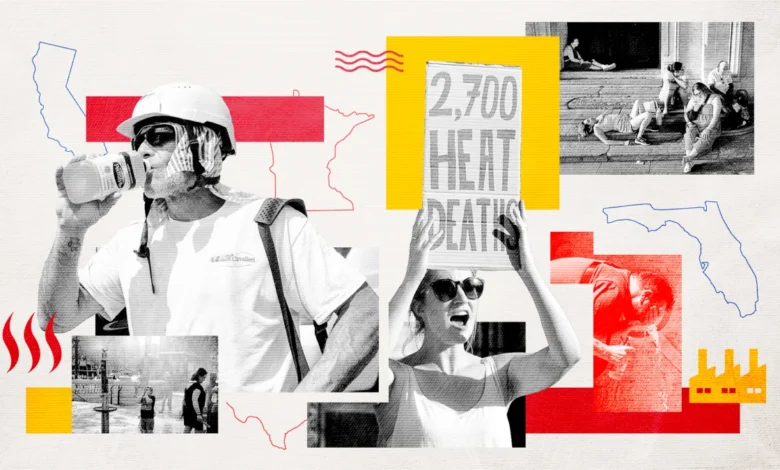
As the global climate shifts, the fundamental biological and environmental conditions that have sustained human health for millennia are undergoing a profound transformation. The rise in global mean temperatures is not merely a meteorological statistic; it is a physiological threat that is altering the way our bodies interact with the environment. Through the ongoing investigative series Burning up, experts are cataloging the multifaceted health consequences of a warming planet, ranging from the immediate dangers of extreme heat exposure and toxic wildfire smoke to long-term concerns regarding food security and the expansion of infectious disease vectors. While the scope of the crisis is vast, researchers and public health officials are increasingly converging on evidence-based, scalable solutions to mitigate these risks and bolster societal resilience.
The Anatomy of a Warming Crisis
The link between anthropogenic climate change and public health is now well-established, with the World Health Organization (WHO) describing climate change as the single biggest health threat facing humanity. The warming of the Earth acts as a threat multiplier, exacerbating existing health vulnerabilities.
In the United States, current climate projections indicate that the number of days with temperatures exceeding 105 degrees Fahrenheit is expected to triple in the coming decades. This rise in frequency and intensity of "heat dome" events poses a critical risk to cardiovascular and respiratory systems. When ambient temperatures exceed the body’s ability to cool itself through perspiration, the risk of heatstroke, dehydration, and multi-organ failure increases significantly, particularly among the elderly, outdoor workers, and marginalized communities with limited access to climate-controlled environments.
Chronology of Environmental Degradation
The acceleration of these impacts follows a well-documented timeline of rising global emissions. Since the industrial era, the accumulation of greenhouse gases in the atmosphere has led to a global temperature increase of approximately 1.1 degrees Celsius above pre-industrial levels.
- 1990s: Early academic studies begin to correlate global warming with increased mortality rates in urban heat islands.
- 2003: A catastrophic European heatwave results in an estimated 70,000 excess deaths, serving as a wake-up call for public health infrastructure.
- 2015: The Paris Agreement marks a global consensus to limit warming, yet health-related climate stressors continue to outpace infrastructure adaptation.
- 2020–2024: The world experiences the warmest years on record, accompanied by unprecedented wildfire seasons in North America and Australia, which brought the issue of particulate matter (PM2.5) air pollution to the forefront of global public health discourse.
Supporting Data: The Rising Toll
The empirical data surrounding climate-related health risks is sobering. Research published in the Lancet Countdown on Health and Climate Change suggests that heat-related deaths in people over 65 have increased by approximately 85% compared to the 1990–1999 baseline. Furthermore, the expansion of wildfire activity has drastically increased the population’s exposure to hazardous smoke. PM2.5 levels from wildfires are particularly dangerous because these microscopic particles penetrate deep into the lungs and enter the bloodstream, triggering systemic inflammation.
Regarding food security, climate change is altering the nutritional density of staple crops. Elevated carbon dioxide levels are linked to lower concentrations of protein, iron, and zinc in crops like wheat and rice. This "hidden hunger" poses a long-term risk to global populations that rely on these staples for primary caloric and nutrient intake. Simultaneously, warming temperatures are expanding the geographical range of disease-carrying insects, such as the Aedes aegypti mosquito, which spreads dengue, Zika, and chikungunya into regions previously protected by colder winter temperatures.
Official Responses and Mitigation Strategies
In response to these systemic threats, public health agencies are shifting from reactive emergency management to proactive, evidence-based adaptation. The CDC and various international health organizations are now prioritizing the following strategies:
- Urban Green Infrastructure: Municipalities are increasingly investing in "cool city" projects, which include the expansion of urban canopies and the installation of reflective roofing materials to mitigate the urban heat island effect.
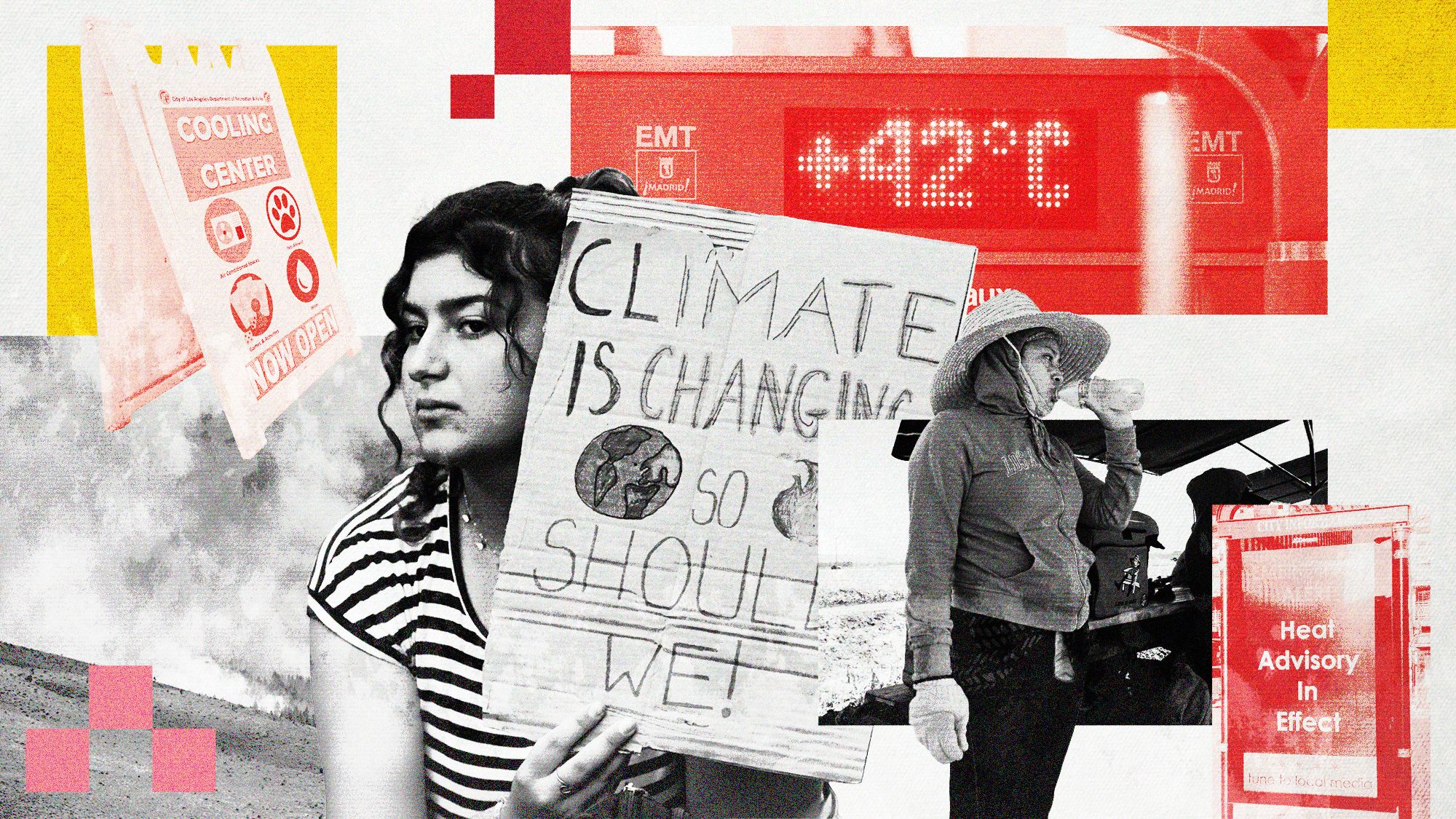
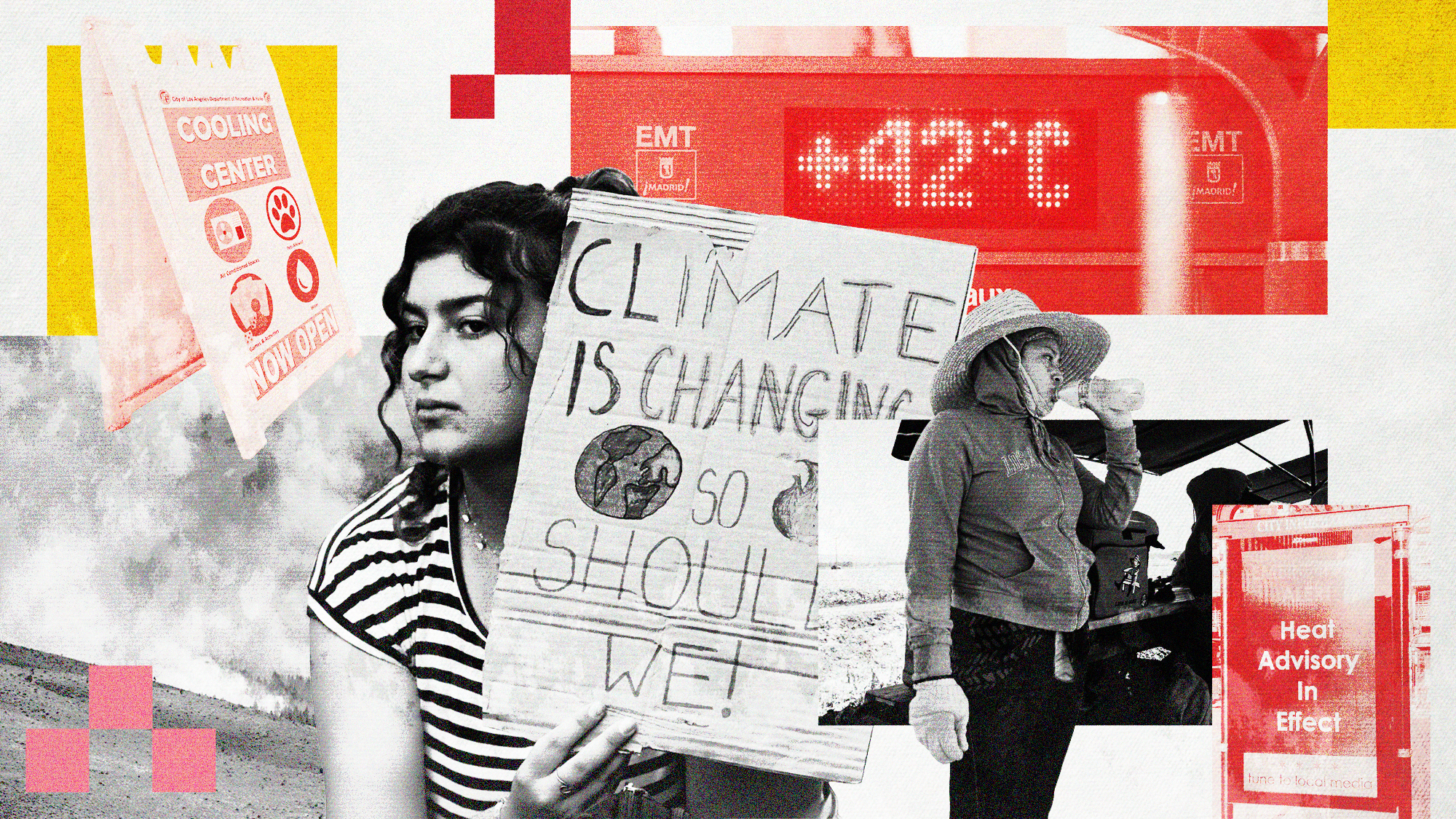
- Early Warning Systems: High-resolution meteorological modeling now allows cities to issue targeted heat-health alerts. These systems are coupled with community-based interventions, such as opening climate-controlled cooling centers and conducting welfare checks on vulnerable residents.
- Air Quality Monitoring: Following the extreme wildfire seasons of recent years, governments are deploying low-cost, real-time air quality sensor networks. These tools allow for more precise public health warnings, helping individuals make informed decisions about outdoor activities and the necessity of high-efficiency particulate air (HEPA) filtration systems.
- Vector Surveillance: Public health departments are strengthening their capacity to monitor the movement of invasive species, implementing early detection programs to prevent the local establishment of tropical diseases in temperate zones.
Broader Implications and Socio-Economic Analysis
The shift toward a climate-resilient society requires more than technological fixes; it necessitates a restructuring of urban planning, healthcare resource allocation, and social support systems. The economic implications of inaction are substantial. The cost of failing to adapt to heat-related productivity losses and the strain on emergency medical services will eventually dwarf the costs associated with proactive infrastructure investment.
Furthermore, there is a clear equity component to this crisis. Lower-income communities often reside in areas with less green space and older, less efficient housing, making them disproportionately vulnerable to both extreme heat and poor air quality. Effective policy must therefore focus on "climate justice," ensuring that resources reach the populations most at risk.
The Road Ahead: Adaptation as a Priority
As noted by climate researchers, the focus of the next decade must be on bridging the gap between scientific knowledge and actionable policy. While global efforts to mitigate greenhouse gas emissions—the primary cause of the warming trend—are essential, adaptation is the immediate necessity for safeguarding human health.
The integration of climate data into medical practice is a significant step forward. Healthcare professionals are increasingly being trained to recognize and treat climate-sensitive conditions, from heat-related illnesses to the exacerbation of asthma caused by poor air quality. By treating the climate crisis as a public health crisis, society can move toward a model of care that is as robust as the environment is volatile.
Ultimately, the goal is to build a "climate-smart" health system. This involves resilient hospital infrastructure that can withstand extreme weather events, sustainable supply chains for essential medications, and a public that is educated on the risks and protective measures available to them. While the challenges posed by a warming world are daunting, the convergence of data, policy, and community-led action provides a viable roadmap for survival and adaptation in an era of unprecedented environmental change. The transition to this new paradigm is not merely an environmental imperative—it is a fundamental requirement for the preservation of human health and global stability.