San Francisco City Attorney Targets Trump Media Over Truth Social Pay-to-Play Subscription Service

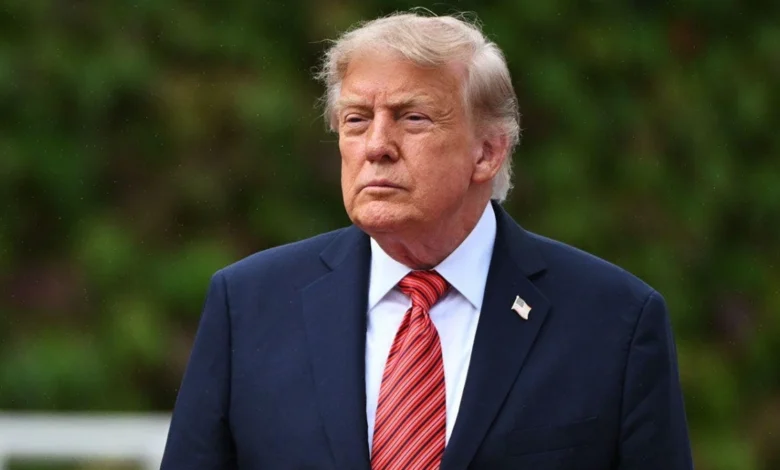
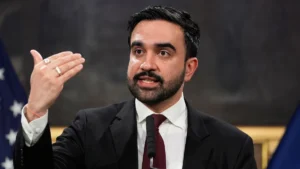
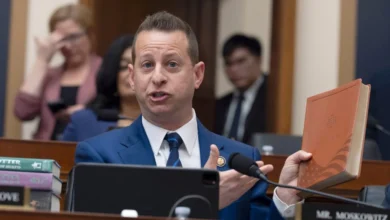
The city of San Francisco has launched a high-stakes legal challenge against President Donald Trump’s social media enterprise, targeting a controversial subscription offering that provides paying customers with early access to the president’s digital statements. San Francisco City Attorney David Chiu formally announced the litigation, contending that the platform’s high-priced tier creates an unearned commercial advantage that distorts public financial markets.
The lawsuit, filed in state court, centers on the "Truth API" service implemented by Trump Media & Technology Group. According to municipal authorities, the program operates as an exclusive conduit, channeling market-moving presidential declarations to wealthy subscribers and high-frequency trading firms seconds before they become accessible to the general public. City officials argue that this practice breaches California’s Unfair Competition Law (UCL), opening the door for sweeping injunctions and significant civil penalties.
The Anatomy of the Truth API Controversy
Launched at the beginning of August, the Truth API subscription service carries a substantial price tag, ranging between $60,000 and $to $100,000 per month. In exchange for this fee, corporate subscribers and institutional investors receive automated, high-speed feeds of posts originating from high-profile accounts on Truth Social, most notably the account belonging to President Donald Trump.
During a press briefing outlining the legal action, City Attorney Chiu characterized the subscription structure as a digital-age pay-to-play mechanism. He emphasized that the financial barrier to entry effectively bars ordinary investors and retail traders from obtaining time-sensitive policy positions, economic commentary, and executive decisions announced via social media.
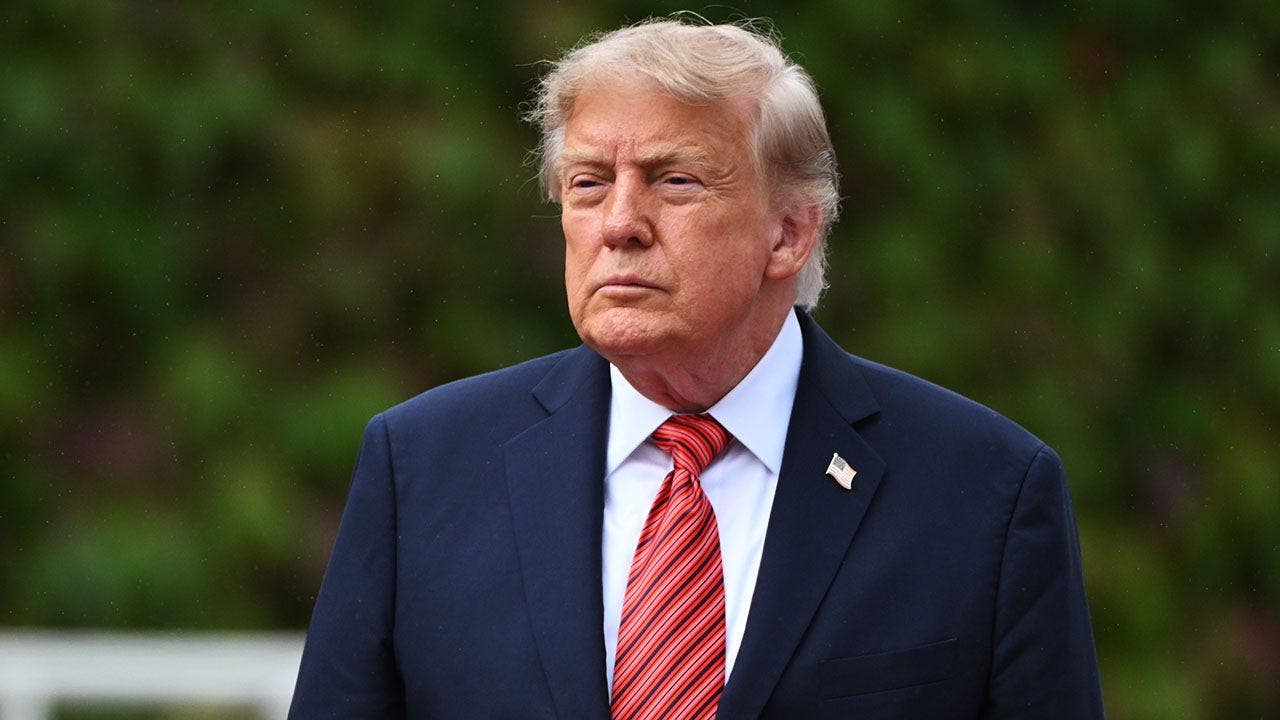
Instead, the primary beneficiaries are sophisticated quantitative trading entities equipped with algorithmic infrastructure capable of parsing and executing trades within microseconds of data receipt. Because presidential communications frequently trigger immediate fluctuations in equities, currency valuations, and commodity prices, critics argue that a microsecond advantage translates directly into substantial financial gain at the expense of un-empowered market participants. Furthermore, municipal attorneys noted that President Trump retains an approximate 41 percent ownership stake in Trump Media, raising direct questions regarding executive entanglement and personal financial enrichment derived from government-adjacent communications.
Chronology of Events and Escalating Legal Scrutiny
The unfolding legal battle represents the convergence of regulatory skepticism, corporate expansion, and constitutional advocacy.
- August 1: Trump Media & Technology Group officially rolls out the Truth API subscription service, establishing the tiered pricing model ranging from $60,000 to $100,000 monthly.
- Late August to September: Financial analysts, ethics watchdogs, and legal scholars begin publicly questioning the market implications of providing preferential access to executive branch statements.
- Monday: San Francisco City Attorney David Chiu officially files the state-level lawsuit under California’s Unfair Competition Law, seeking to halt the API service and impose monetary penalties.
- Monday (Concurrent Filing): Coinciding with the San Francisco filing, a coalition comprising dozens of former federal prosecutors and law enforcement agents submits a legal brief supporting a separate, parallel lawsuit.
- Ongoing: Advocacy organizations, including The Intercept and the Freedom of the Press Foundation, advance their own federal litigation against the platform, asserting constitutional violations under the First and Fifth Amendments.
Corporate and Institutional Responses
Representatives for Trump Media & Technology Group forcefully rejected the legal challenges, issuing a sharp statement that dismissed the municipal lawsuit as politically motivated.
"The People of California should outsource their future lawsuits to AI chatbots who, unlike the left-wing activists masquerading as attorneys who filed this lawsuit, will grasp the basic distinction between public and nonpublic information," a company spokesperson said in a written response to media inquiries.
The defense maintained that the information disseminated through the API remains fundamentally public in nature once published on the platform, arguing that technological aggregation services are common across digital media ecosystems. Corporate defenders assert that enterprises routinely package and sell real-time data feeds for various platforms, ranging from financial news tickers to social media firehoses, without facing municipal or state prosecution.
Meanwhile, federal officials and representatives from The Trump Organization offered limited commentary. A White House spokesperson directed inquiries regarding the corporate platform directly to Trump Media management. Other named parties in the broader legal ecosystem have not yet issued comprehensive public defenses pending formal courtroom proceedings.
Broader Implications for Market Ethics and Executive Governance
The litigation initiated by San Francisco underscores deep-seated anxieties regarding the intersection of modern digital communication, executive power, and financial market regulation. For decades, federal regulators—most notably the Securities and Exchange Commission (SEC)—have refined rules governing the dissemination of corporate and governmental information to ensure a level playing field for all investors.

Historically, the evolution of "Regulation FD" (Fair Disclosure) was designed to prevent publicly traded entities from selectively releasing material information to favored analysts or institutional investors before making it available to the public at large. While executive branch social media accounts have traditionally operated outside standard corporate regulatory frameworks, the monetization of direct presidential feeds introduces unprecedented legal and ethical gray areas.
Legal scholars note that the simultaneous challenges faced by Trump Media—ranging from San Francisco’s Unfair Competition Law claims to the constitutional arguments raised by press freedom organizations—create a multifaceted legal blockade. The federal lawsuit spearheaded by The Intercept and the Freedom of the Press Foundation attacks the service from a different angle, arguing that gating access to official government pronouncements based on financial capacity infringes upon constitutional principles of equal protection and public access to governance.
As the litigation proceeds through California state courts and federal jurisdictions, the outcome could establish critical legal precedents regarding how political figures utilize private platforms for official communications, and whether commercial enterprises can legally monetize preferential access to the mechanics of state power. For financial markets, regulatory agencies, and the digital media landscape, the resolution of this dispute will likely redefine the boundaries of information equity in the digital era.