Zohran Mamdani invited to Manhattan Columbus Day Parade, sparking backlash from Italian-American leaders and community figures

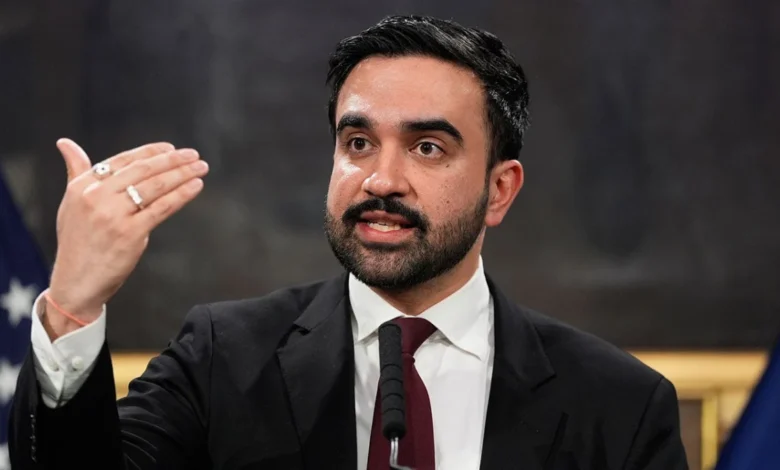
The decision by the Columbus Citizens Foundation to extend an invitation to New York City Mayor Zohran Mamdani to participate in Manhattan’s annual Columbus Day Parade has ignited a fierce controversy across the city. While event organizers defended the move as a constructive attempt to bridge a widening gap between City Hall and the local Italian-American community, prominent community leaders, elected officials, and public figures have fiercely condemned the invitation. Critics point to Mayor Mamdani’s past public opposition to Christopher Columbus and recent city planning oversights as foundational reasons why his presence at the cultural celebration is entirely inappropriate.
The friction highlights ongoing tensions between the current municipal administration and traditional ethnic communities in New York City, casting a shadow over one of the nation’s most prominent celebrations of Italian-American heritage. As preparations for the October holiday continue, the fallout raises broader questions about political outreach, community relations, and the fragile dynamics of cultural representation in the five boroughs.
Origins of the Controversy and Organizer Intentions
The Columbus Citizens Foundation, the non-profit organization responsible for producing and managing the annual Columbus Day Parade in Manhattan, extended the formal invitation to Mayor Mamdani in late September. According to reports, the foundational goal of the invitation was to foster a spirit of cooperation and open a direct dialogue between the executive office of the mayor and the city’s vast Italian-American population.
Christopher Loiacono, president of the Columbus Citizens Foundation, defended the decision by emphasizing a forward-looking strategy of engagement rather than alienation. In statements to local media, Loiacono asserted that cooperation remains the superior path for civic progress and expressed a sincere hope that the mayor’s office would utilize the opportunity to build a constructive, lasting relationship with Italian Americans throughout New York City.
However, this diplomatic rationale failed to placate critics who view the gesture as an unnecessary compromise of core community values. Opponents argue that inviting an official with a documented history of hostility toward the historic figures and symbols central to Italian-American identity undermines the dignity of the parade.
Past Actions and Public Rebukes
The backlash is rooted heavily in previous public statements and social media posts made by Mamdani. Most notably, critics have continuously drawn attention to a 2020 digital post in which Mamdani shared an image of himself making an obscene gesture toward a statue of Christopher Columbus, accompanied by the explicit caption demanding its removal. For millions of Italian Americans, the 15th-century explorer serves as a vital historical bridge connecting their cultural heritage to the founding narrative of the United States, making such displays deeply personal and offensive.
Further compounding the discontent was a recent municipal controversy surrounding an official city immigrant enclave map published earlier this year. The map, which aimed to highlight various historic ethnic neighborhoods across New York City, notably omitted Manhattan’s historic Little Italy. Although the map’s initial framework originated under a previous administration in 2023, the Mamdani administration oversaw its release and subsequent updates. While the mayor’s office eventually moved to rectify the omission by adding Little Italy following swift public outcry, the initial oversight severely damaged trust within the community.
The combination of the map controversy and the historical antagonism toward the Columbus monument created an environment of profound skepticism. Prominent figures within the Italian-American community quickly took to public platforms to voice their outrage.
Mike Crispi, president of the Italian American Civil Rights League, took to social media to excoriate the foundation’s leadership, labeling the invitation a weak and ineffectual move. Crispi argued that Mamdani’s historical expressions of contempt toward the community cannot be undone by political photo opportunities and called upon Italian Americans to mobilize in defense of their cultural preservation. Crispi went a step further, threatening that if the foundation refuses to rescind the invitation, a competing Columbus Day parade could be organized for subsequent years.
Elected officials also joined the chorus of disapproval. New York City Councilwoman Joann Ariola, a Republican representing Queens, publicly questioned the rationale behind Mamdani’s attendance, suggesting that his historical record demonstrates a clear lack of respect for the community’s heritage and cultural contributions. Echoing these sentiments, high-profile public personalities, including actor Robert Davi and conservative radio host Sid Rosenberg, sharply criticized both the mayor and the parade organizers, vowing to boycott the historic event if the invitation stands.
A Pattern of Public Tensions at Major Cultural and Memorial Events
The Columbus Day Parade dispute is not an isolated incident of friction between Mayor Mamdani and distinct communities or traditional New York institutions. Throughout his tenure, the mayor’s public appearances and scheduling decisions have repeatedly become flashpoints for organized opposition and public debate.
Earlier this year, Mamdani’s attendance at the annual September 11 memorial ceremony at Ground Zero provoked substantial controversy. Despite a massive public petition drive that gathered more than 110,000 signatures from victims’ families and concerned citizens urging the mayor to remain away from the solemn proceedings, Mamdani participated in the official commemoration. The move was widely criticized by various family members who felt his political stances and public profile were incompatible with the solemnity of the national day of mourning.
Additionally, the mayor faced scrutiny earlier in the year regarding his decisions surrounding major ethnic and cultural celebrations across Manhattan. Critics have pointed to shifts in traditional attendance patterns and policy stances as indicators of a broader disconnect between City Hall and legacy communities that have anchored the city’s social fabric for generations.
Broader Political and Social Implications
The ongoing dispute surrounding the Columbus Day Parade underscores the complex challenges of urban governance in a city as diverse and politically fractured as New York. For municipal leaders, balancing the progressive priorities of a diverse coalition with the cultural preservation demands of historical constituencies requires delicate diplomacy.
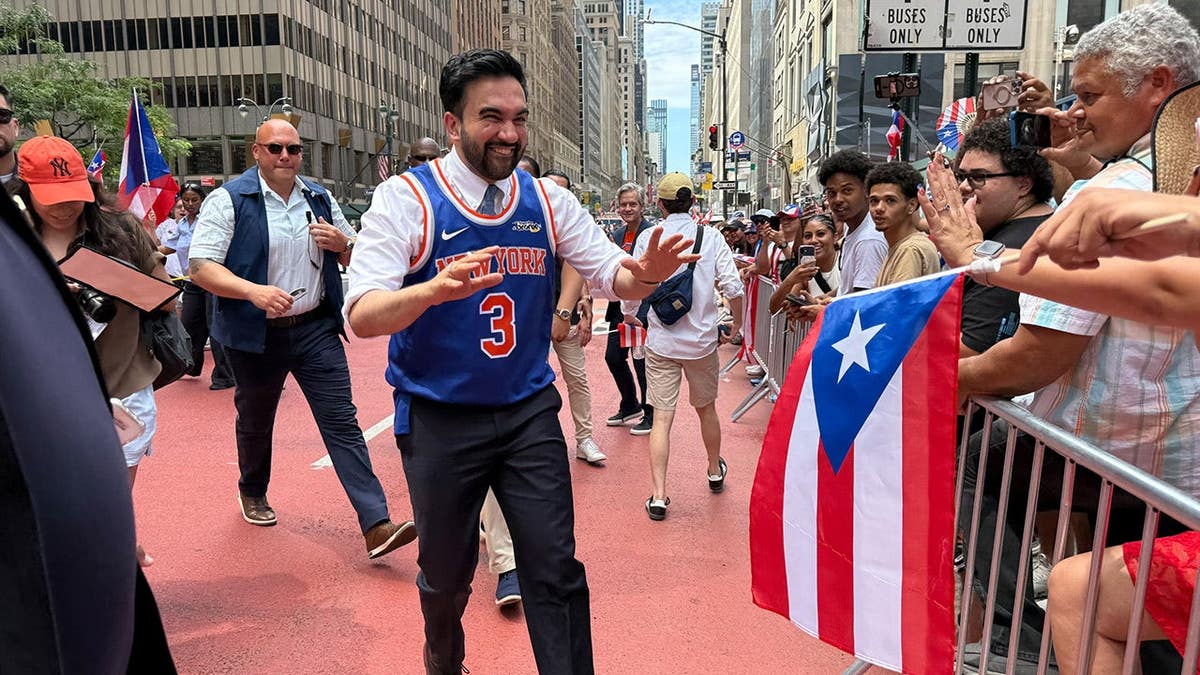
Political analysts note that public optics play a critical role in mayoral longevity. When cultural symbols deeply tied to identity—such as the legacy of Christopher Columbus or the representation of historic neighborhoods like Little Italy—become politicized, the resulting fallout can quickly erode political capital. For the Columbus Citizens Foundation, the situation presents a delicate organizational dilemma: balancing the traditional role of civic inclusion for sitting mayors against the vocal demands of a deeply offended base of constituents and donors.
As the date of the Columbus Day Parade approaches, neither the office of Mayor Zohran Mamdani nor the leadership of the Columbus Citizens Foundation has issued a definitive statement confirming whether the mayor will ultimately accept the invitation and march along Fifth Avenue. The absence of immediate clarification ensures that the controversy will remain a central fixture of local political discourse, serving as a litmus test for the administration’s ability to mend fences with a vital and vocal segment of the New York City populace.