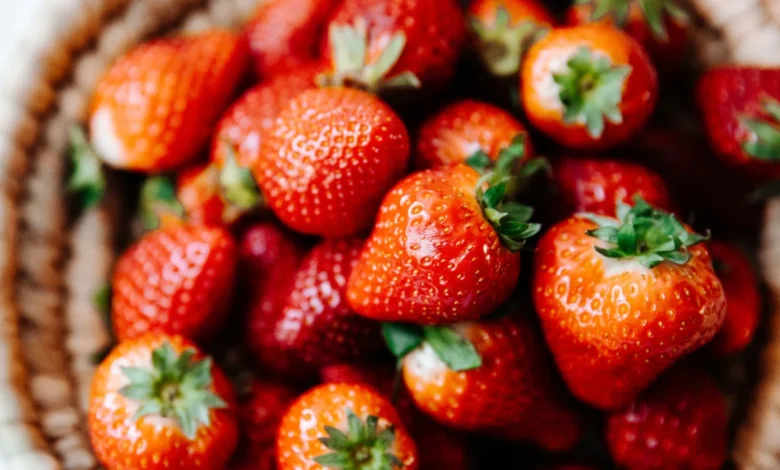
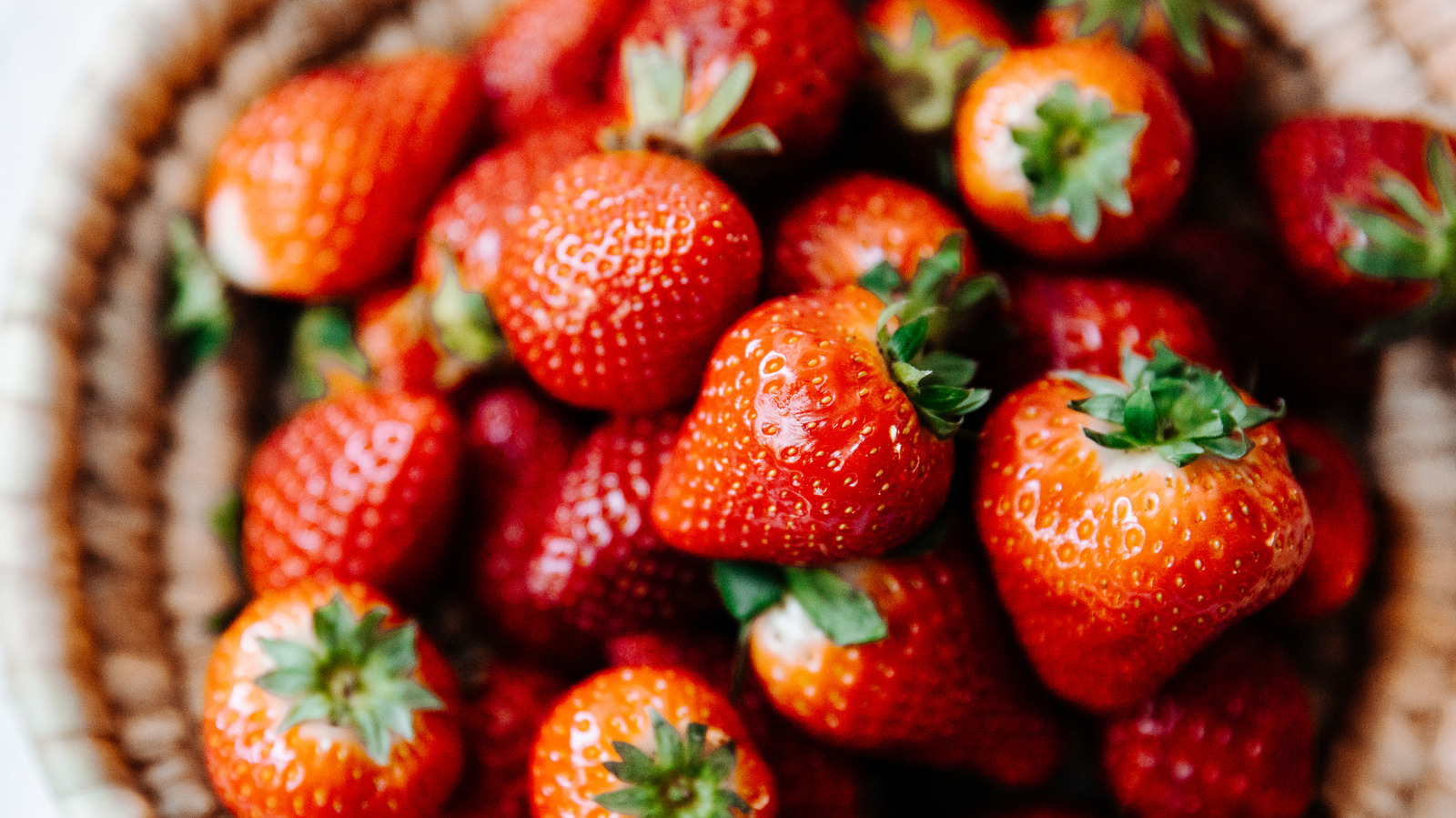
The culinary world has long debated the ultimate methods for enhancing nature’s finest seasonal produce, particularly when it comes to maximizing the inherent sweetness of summer berries. While traditional culinary practices often rely on granulated white sugar, powdered sugar, or heavy cream to elevate fresh strawberries, contemporary food science and culinary experimentation point toward a vastly superior pantry staple: honey. Recent culinary trends and expert evaluations indicate that drizzling raw or varietal honey over fresh strawberries can amplify their perceived sweetness tenfold, creating a complex flavor profile that standard table sugar simply cannot replicate. This pairing bridges the gap between simple home snacking and sophisticated gastronomy, offering both amateur cooks and professional chefs a versatile tool for dessert enhancement, cocktail formulation, and pastry development.
The Chemistry of Flavor: Why Honey Outperforms Granulated Sugar
To understand why honey achieves such a dramatic enhancement in sweetness and flavor complexity, one must examine the chemical composition of strawberries and the unique properties of honey. Strawberries (Fragaria × ananassa) are chemically complex fruits characterized by a delicate balance of natural sugars—primarily fructose, glucose, and sucrose—coupled with significant levels of organic acids, predominantly citric and malic acid. This acidity provides the bright, tart punch characteristic of a fresh berry, but it can sometimes mask the underlying fruit sugars if the fruit is not fully ripe.
When traditional granulated sugar is applied to strawberries, it sits on the surface as a crystalline solid, drawing out moisture via osmosis and creating a simple syrup. While effective at increasing surface sweetness, sucrose provides a flat, one-dimensional sugary flavor profile. Honey, by contrast, is a naturally inverted sugar consisting primarily of fructose and glucose in a liquid matrix, which allows it to coat the strawberry instantaneously and interact synergistically with the fruit’s natural acids. Fructose, which is sweeter than sucrose at cooler temperatures, is present in high concentrations in many honey varieties, naturally heightening the sensory perception of sweetness on the human palate.
Furthermore, honey brings complex volatile compounds derived from the nectar of specific floral sources. Unlike refined sugar, which is stripped of all botanical characteristics during processing, honey retains trace minerals, amino acids, and aromatic compounds. When paired with the tartness of strawberries, the viscous texture of honey slows down the release of flavors across the taste receptors, creating a prolonged, multifaceted tasting experience that registers as exponentially sweeter and more deeply flavored.
A Historical and Culinary Evolution of Sweetening Berries
The practice of adding sweeteners to fruit dates back centuries, evolving alongside the global trade and domestication of agricultural crops. Wild strawberries were harvested across Europe and the Americas for millennia before being cultivated in the 18th century. Historically, before refined sugar became an affordable mass-market commodity during the Industrial Revolution, honey was the primary sweetener available in the Western world. Ancient Romans and Greeks frequently combined seasonal fruits with raw honey, recognizing its dual utility as a sweetener and a natural preservative.
As refined sugar became ubiquitous in the 19th and 20th centuries, it largely displaced honey in everyday dessert preparations due to its neutral flavor profile and lower cost. However, the contemporary culinary landscape has experienced a significant revival of interest in unrefined, artisanal ingredients. Modern food historians and culinary scientists note that the current shift back to honey aligns with a broader consumer preference for minimally processed foods and regional, terroir-driven agricultural products.
Culinary data from gastronomic research organizations highlights a steady year-over-year increase in honey consumption, driven largely by home cooks seeking functional foods with perceived health benefits and complex flavor profiles. This cultural pivot has encouraged experimentation with unexpected pairings, transforming simple snacks like honey-drizzled strawberries into viral phenomena across digital platforms and culinary forums alike.
Navigating the Varietal Spectrum: Choosing the Right Honey
One of the primary advantages of utilizing honey over standard sugar is the immense diversity available to the culinary enthusiast. According to culinary databases, there are over 300 distinct types of honey produced in the United States alone, each deriving its unique color, viscosity, and flavor profile from the specific floral sources visited by the honeybees (Apis mellifera). Selecting the appropriate honey can fundamentally alter the final profile of a strawberry dish.
For a traditional, balanced flavor profile, mild clover or wildflower honey serves as an optimal baseline. These varieties offer a clean, floral sweetness that enhances the natural berry notes without overpowering them. For a more adventurous culinary experiment, specialty honeys introduce contrasting or complementary flavor notes:
- Macadamia Honey: Imparts a rich, buttery, and distinctly nutty undertone that pairs exceptionally well with the earthy notes of ripe strawberries.
- Buckwheat Honey: Characterized by its dark color and robust, molasses-like flavor, it provides a bold contrast to the tart acidity of underripe berries.
- Orange Blossom Honey: Features pronounced citrus aromatics that naturally mirror and amplify the fruit’s inherent brightness.
- Lavender Honey: Introduces subtle herbal and floral complexities, elevating a simple bowl of fruit into an elegant, dessert-tier presentation.
Professional pastry chefs recommend tasting honey independently before application to understand its dominant flavor notes and viscosity, ensuring it complements rather than masks the delicate profile of the fruit.
Culinary Applications Beyond the Simple Drizzle
While a direct drizzle over fresh, sliced strawberries remains the most straightforward method of preparation, the synergy between honey and strawberries extends far into advanced baking, mixology, and savory cooking. Culinary professionals have integrated this pairing into a wide array of recipes, demonstrating its versatility across different meal courses.
Pastries and Baked Goods
In baking, honey acts as a humectant, retaining moisture in doughs and batters while providing a deep, golden crust. Strawberry cornmeal muffins, for instance, benefit immensely from the incorporation of cornmeal’s rustic texture, the tart pop of fresh fruit, and a post-bake honey glaze. Similarly, laminated pastries such as strawberry cheesecake croissants utilize honey-infused fillings to balance the rich, tangy profile of cream cheese.
Beverages and Mixology
The craft cocktail sector has increasingly embraced honey syrups—created by dissolving honey in warm water—as a sustainable, complex alternative to simple syrup. Strawberry honey mojitos represent a prime example of this trend, combining muddled fresh strawberries, mint, white rum, lime juice, and honey syrup. The honey bridges the vegetal notes of the mint with the ripe fruit sugars, creating a balanced and cohesive drink.
Savory Integration and Flavor Enhancements
Culinary experimentation often yields unexpected pairings that elevate basic ingredients. Food science enthusiasts frequently suggest incorporating a small pinch of flaky sea salt alongside the honey-drizzled strawberries. The sodium ions in salt suppress bitterness and enhance the perception of sweetness by interacting with taste receptor cells on the tongue, creating an explosion of flavor. Furthermore, roasting strawberries tossed in honey, a splash of balsamic vinegar, and vanilla bean breaks down the fruit’s cellular walls, concentrating its natural sugars into a rich, syrupy compote suitable for ice cream toppings or yogurt parfaits.
Industry Implications and Economic Impacts on Agriculture
The rising popularity of specialized honey pairings carries tangible economic implications for both the beekeeping and strawberry farming industries. As consumer demand shifts toward premium, artisanal ingredients, local apiaries and berry growers find new opportunities for collaborative marketing and direct-to-consumer sales.
Agricultural economists point out that promoting honey-and-fruit pairings encourages seasonal eating habits, drawing consumer attention to peak harvest windows for both commodities. Beekeepers benefit from increased consumer awareness regarding floral varietals, while strawberry producers can market imperfect or surplus fruit—often destined for waste—as ideal candidates for roasting, preserves, or honey-infused culinary creations.
Furthermore, the trend reflects a broader movement within the food industry toward mindful consumption, where simple, high-quality ingredients are celebrated over highly processed commercial desserts. By highlighting the chemical and sensory interactions between natural foods, modern gastronomy continues to prove that sometimes the most profound culinary innovations require nothing more than opening the kitchen pantry.