The Evolution of the Honeymoon: Modern Trends and Cultural Shifts in Post-Wedding Travel

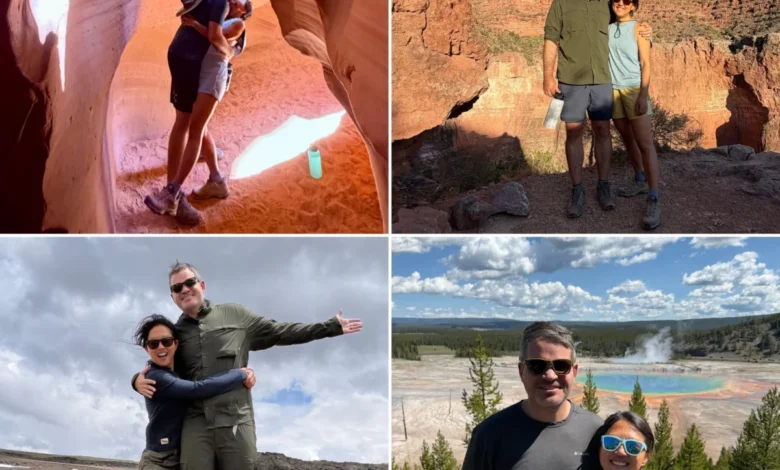
The tradition of the honeymoon—a post-nuptial excursion designed for couples to celebrate their union—has undergone a significant transformation in the 21st century. While historically rooted in the 19th-century British custom of traveling to visit distant relatives who could not attend the wedding, the modern honeymoon has evolved into a diverse spectrum of experiences ranging from luxurious international retreats to unconventional domestic adventures. Recent surveys and anecdotal accounts from couples across the United States reveal that the contemporary honeymoon is no longer defined by rigid expectations of glamour, but rather by a prioritization of shared experiences, decompression, and personal narrative.
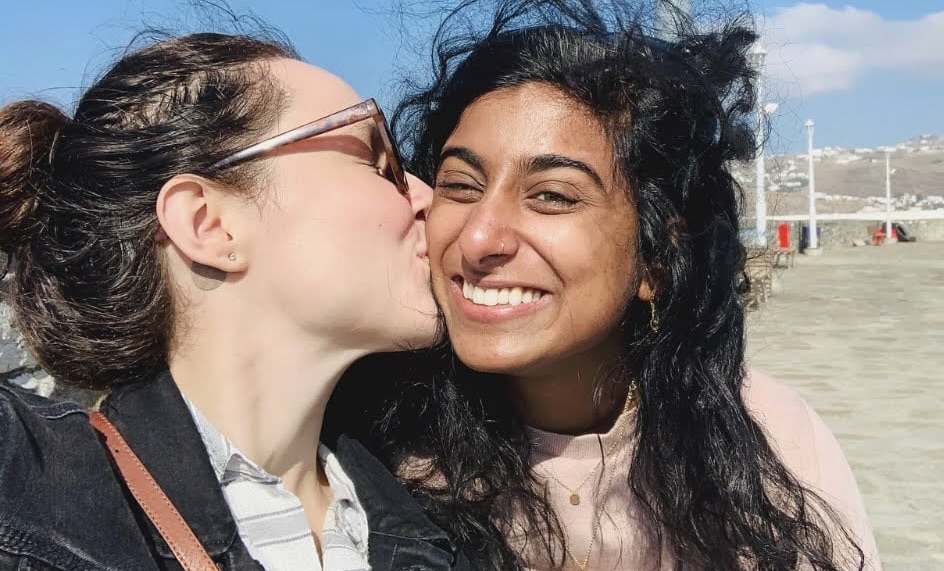
The Changing Landscape of Honeymoon Travel
Recent data indicates that while traditional tropical getaways remain popular, there is a marked increase in "experiential travel." Couples are increasingly selecting destinations that align with their personal hobbies and lifestyle choices. Whether it involves the immersion of film festivals, the ruggedness of cross-country road trips, or the cultural depth of culinary tourism, the focus has shifted from the mere location to the activity itself.
According to industry trends, the average duration of a honeymoon now varies significantly based on the couple’s employment status and budget. However, the psychological function of the trip remains constant: it serves as a critical buffer between the high-stress environment of wedding planning and the return to the routines of daily life. For many, the trip is the first opportunity to "decompress" after months of logistical preparation and family negotiation.
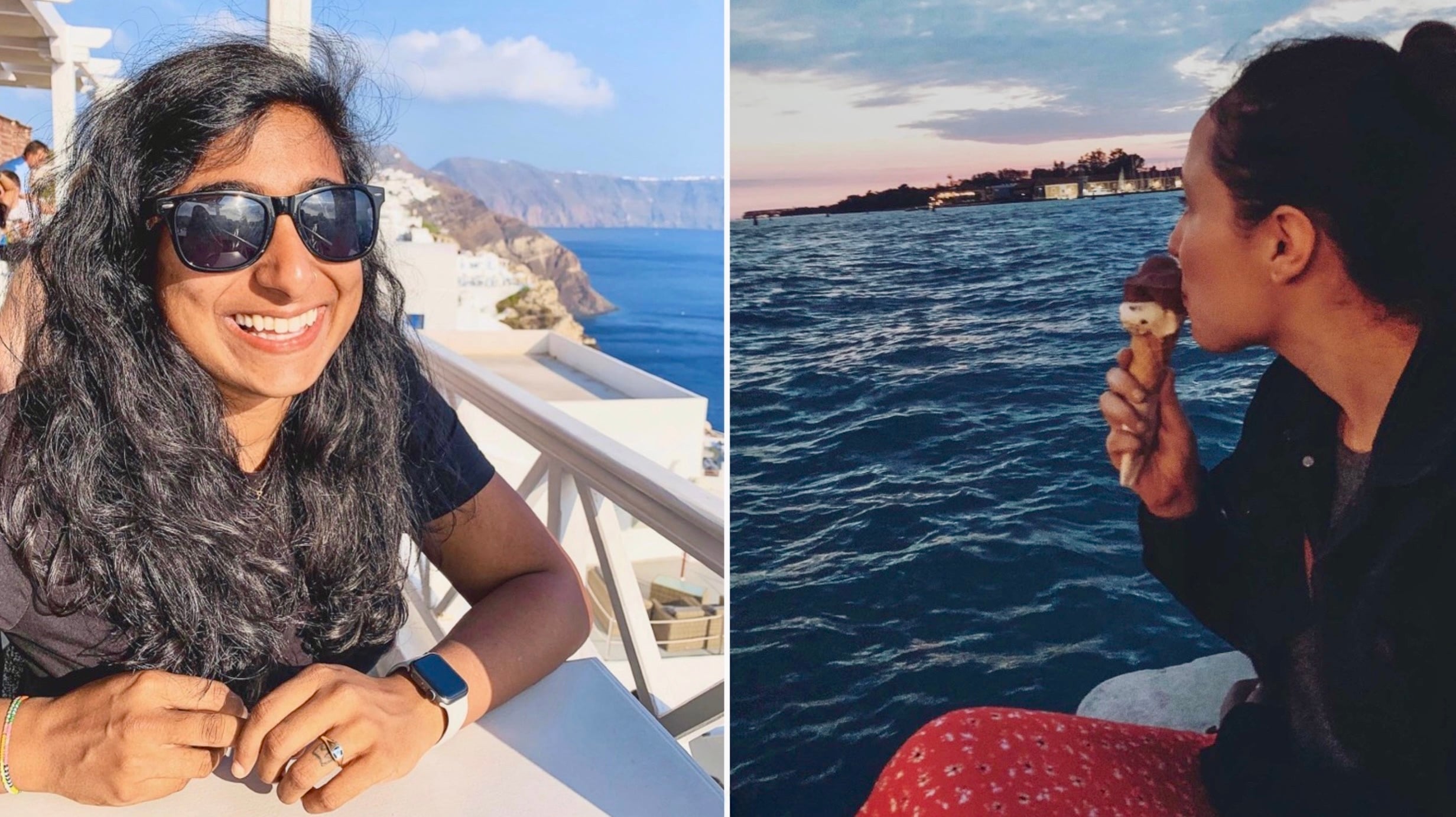
Chronology of Contemporary Honeymoon Preferences
The following case studies, drawn from a diverse group of travelers, illustrate the multifaceted nature of current honeymoon trends:
- The Relaxation Retreat: For many, the primary objective is recovery. Couples opting for cruises through the Mediterranean or island hopping in Croatia often cite the need to escape the "whirlwind" of wedding festivities. These trips typically feature structured itineraries that allow for minimal decision-making, providing a necessary respite.
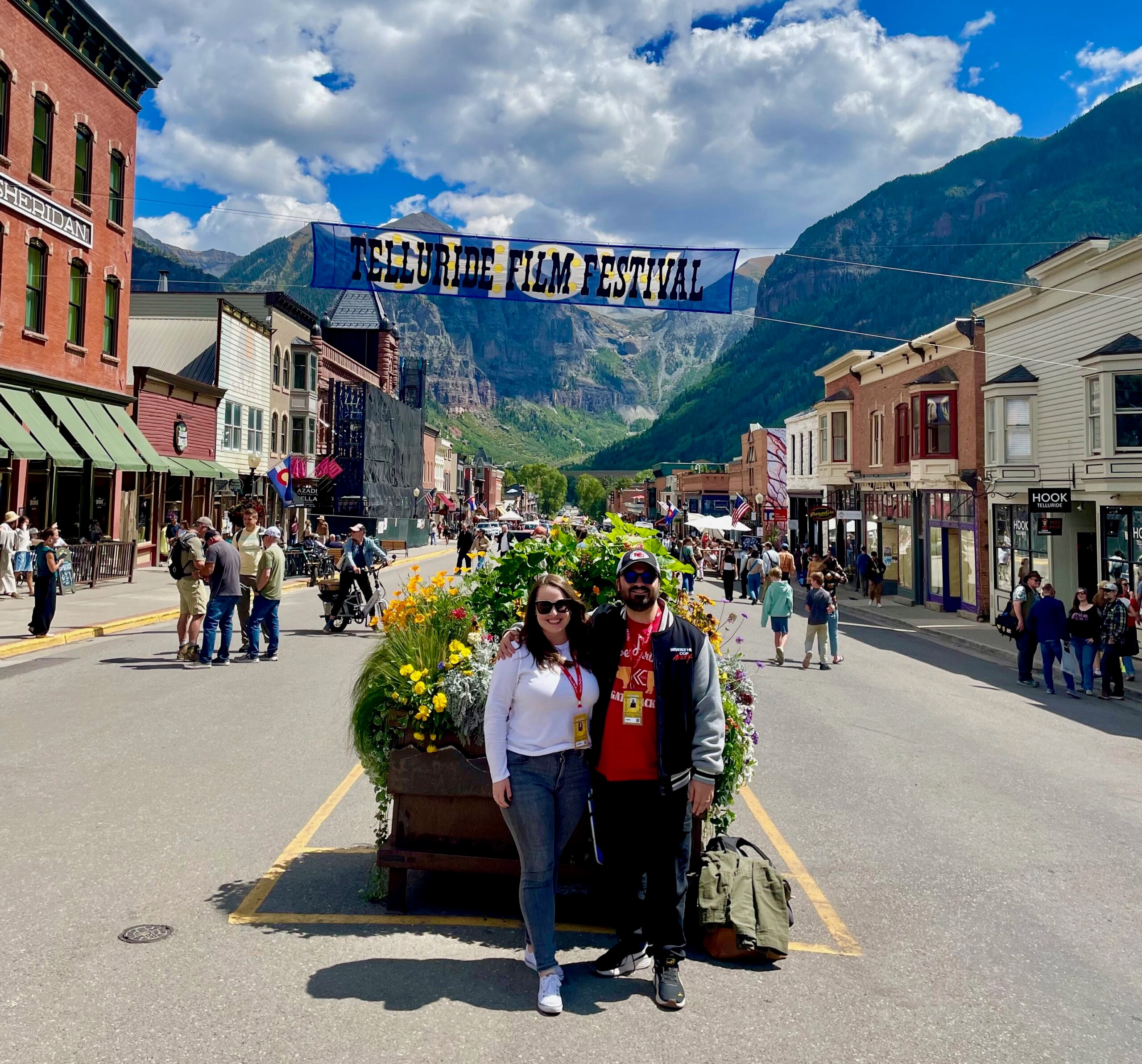
- The Thematic Experience: A growing subset of couples is integrating their personal interests into their travel. For cinephiles, events such as the Telluride Film Festival in Colorado have become premier destinations. These trips offer the duality of high-end entertainment and the aesthetic appeal of mountain environments.
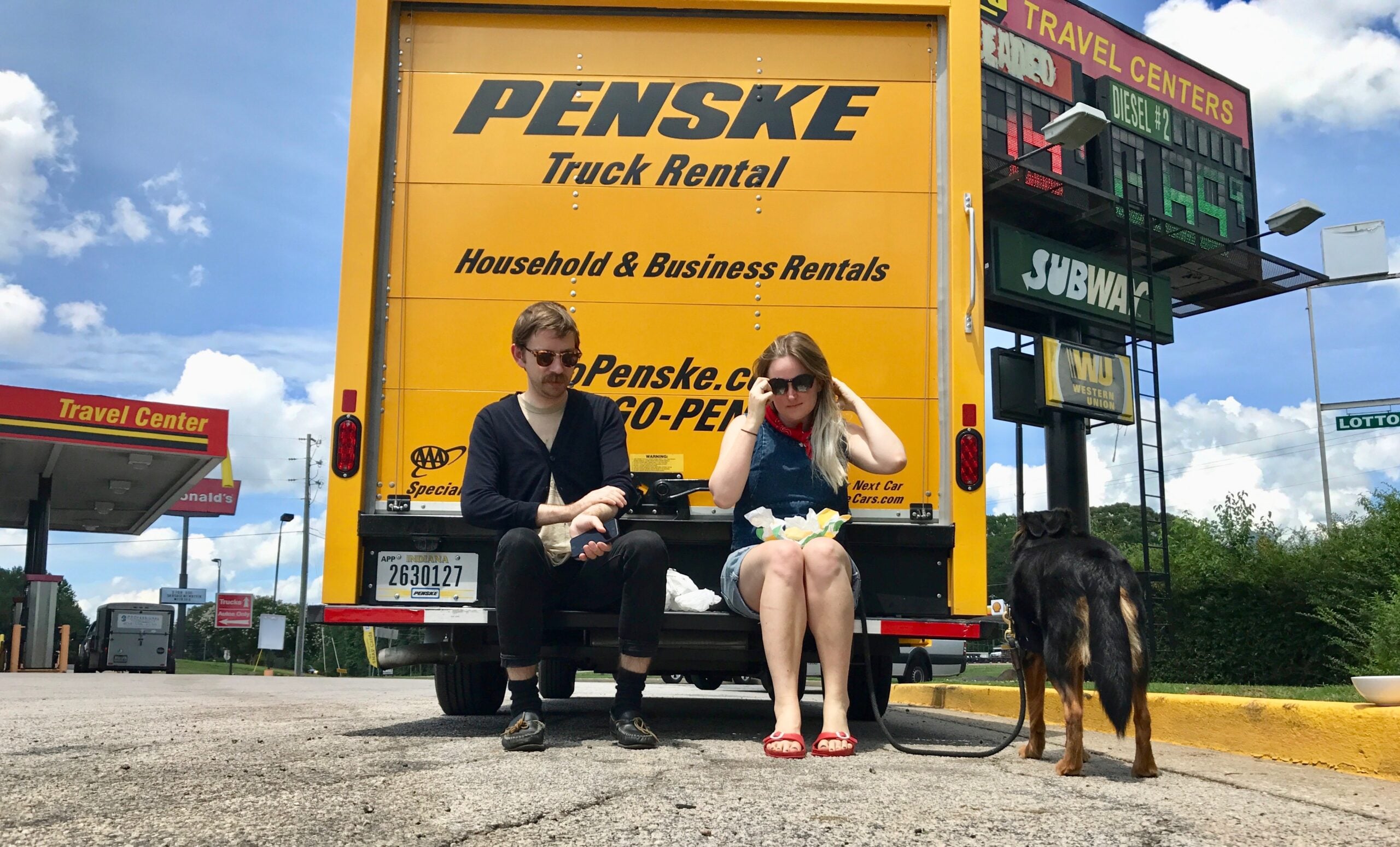
- The Narrative Journey: Some couples are eschewing traditional "vacation" models in favor of life-altering journeys. A notable trend includes cross-country relocations disguised as honeymoons. By moving from one coast to another, these couples transform the logistical burden of moving into a multi-week expedition, highlighting resilience and partnership in the face of transition.
- The Familial Inclusion: A shift in social norms has led to the "familymoon," where couples bring their children along. This approach is particularly common among couples who marry later in life or those who have children prior to their formal ceremony. It emphasizes the integration of the wedding into the broader family structure rather than a temporary separation from it.
Economic and Logistical Implications
The financial commitment to a honeymoon is substantial, often representing one of the largest discretionary travel expenses for a household. Analysis of travel spending patterns suggests that couples are increasingly looking for "value-added" experiences. This includes staying in established, historic properties that offer unique cultural immersion, or choosing destinations that allow for both "old haunts" (places previously visited) and "new discoveries."
The trend toward returning to familiar locations—a practice often referred to as "comfort travel"—is gaining traction. By visiting a city they have enjoyed before, couples reduce the "Fear of Missing Out" (FOMO) and the stress associated with navigating unfamiliar territories, allowing for a more authentic sense of relaxation.
Psychological Benefits and Social Context
The role of the honeymoon as a stress-relief mechanism cannot be overstated. Clinical psychologists often emphasize the importance of the "transitional period" after a wedding. The pressure of family expectations—often manifested as the "discouragement" or external friction that can precede a wedding—is effectively mitigated by the physical distance provided by travel.
Moreover, the resilience-building aspect of travel—such as enduring inclement weather while camping in national parks—is frequently cited by couples as a foundational experience. The ability to navigate challenges like a leaking tent or a lack of modern amenities is often viewed as a "trial by fire" that strengthens the bond of the marriage. These experiences, though physically uncomfortable, are often recalled with more fondness than luxurious, incident-free trips because they underscore the couple’s ability to "face anything" together.
The Role of Digital Influence and Media
Social media and digital platforms have drastically altered how destinations are selected. Iconic locations, such as Giraffe Manor in Kenya, have seen surges in popularity directly linked to viral visibility on blogs and social media channels. While this provides inspiration, it also creates a feedback loop where certain "aspirational" destinations become standard. However, the data also shows a counter-trend: an increase in interest toward rural, low-key locations, such as the English countryside, where the primary activities are walking, dining at local pubs, and engaging with the natural landscape.
Broader Implications for the Travel Industry
The travel industry has responded by creating more inclusive packages that cater to these specific desires. Hospitality providers are now emphasizing "seamless" experiences—where the guest does not have to make logistical decisions—as a high-value commodity. The demand for curated, stress-free environments is at an all-time high, as couples look to outsource the decision-making process to professionals.
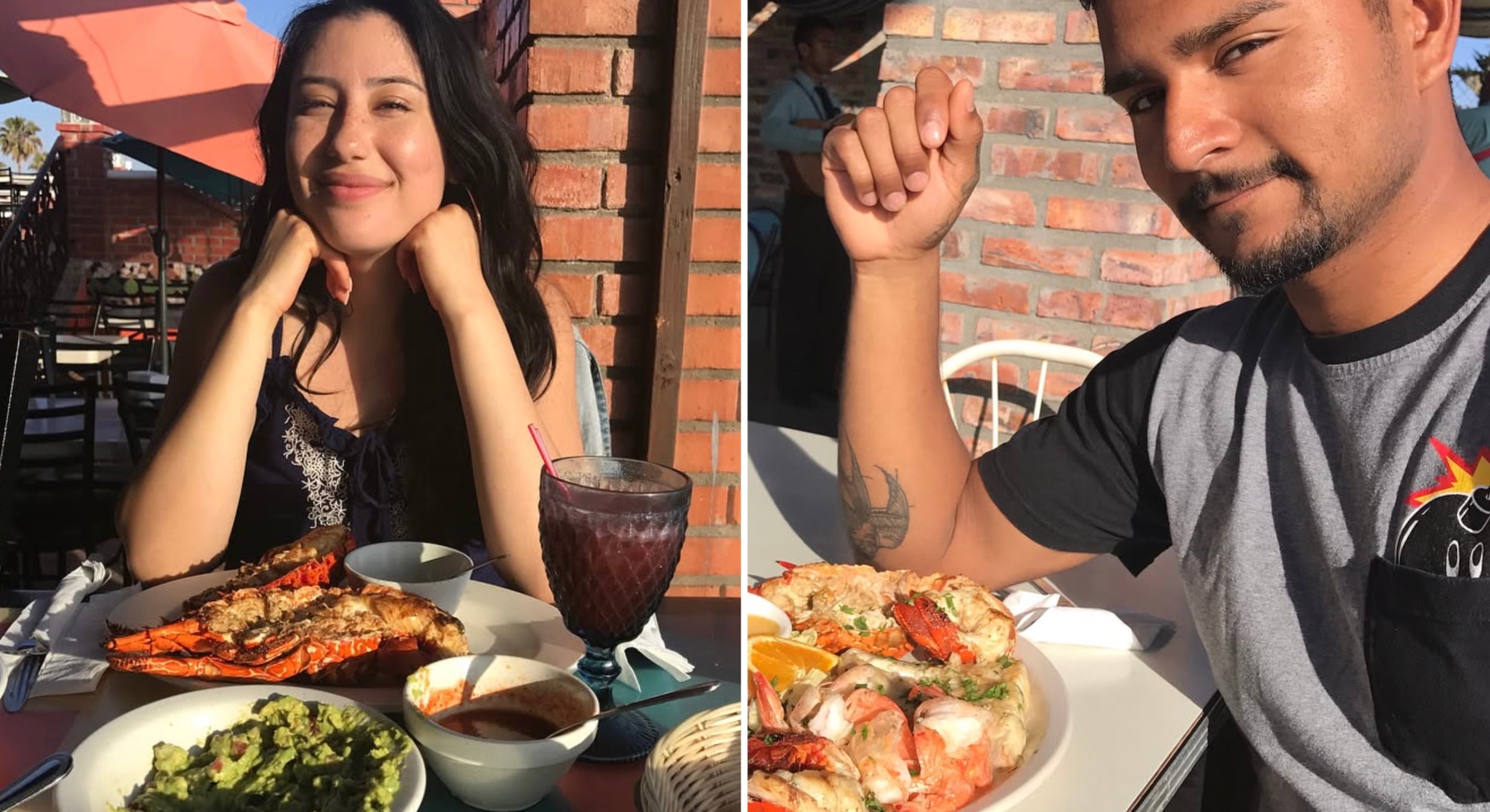
Furthermore, the integration of culinary experiences—such as the regional delicacies of Puerto Nuevo, Mexico, or the refined dining of New Orleans—highlights a broader trend toward "experiential consumption." Couples are valuing the sensory memories of their trip as much as, if not more than, the status associated with the destination.

Conclusion: The Definition of "Romance"
Ultimately, the modern honeymoon is defined not by a specific set of activities or a price point, but by the intentionality of the time spent together. Whether it is a luxury safari in Africa, a camping trip in the Western United States, or a quiet week in a familiar coastal town, the honeymoon serves as an essential narrative bridge between a couple’s past and their shared future.
As societal expectations continue to shift, the honeymoon will likely remain a staple of the marriage experience, though its form will continue to adapt to the changing priorities of new generations. What remains clear is that the value of the honeymoon lies in the quiet, often unscripted moments—the shared meals, the shared laughter, and the shared navigation of the world—that provide the bedrock for a lasting partnership. The enduring popularity of these trips serves as a testament to the human desire to mark significant life transitions with meaningful, shared exploration.