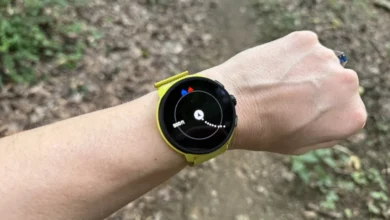
For millions of health-conscious consumers, the daily ritual of checking a wrist-worn device to see how many calories have been burned has become a cornerstone of fitness management. Whether it is an Apple Watch, a Fitbit, or a high-end Garmin, these wearables provide a seductive sense of precision. However, a growing body of scientific research and industry analysis suggests that these numbers are far from the biological reality. While fitness trackers have revolutionized the way we monitor movement, their calorie expenditure metrics remain speculative estimates rather than medical-grade data.
The evolution of personal fitness technology has moved at a breakneck pace, yet the underlying mathematics used to estimate energy expenditure has struggled to keep up with the complexity of human physiology. Since the introduction of the first mass-market activity trackers, the primary method for calculating caloric burn has relied on a combination of accelerometer data and optical heart rate monitoring. Accelerometers track rhythmic movement—the swaying of an arm during a walk or the jarring motion of a run—to estimate intensity. Meanwhile, photoplethysmography (PPG) sensors measure blood flow to estimate heart rate, which is then fed into proprietary algorithms to derive an energy expenditure value.

The core issue is that these algorithms are designed to function as generalizers. They rely on fixed variables such as age, biological sex, and weight, but they cannot account for the vast spectrum of human metabolism. Variations in muscle mass, hormonal profiles, and even the efficiency of an individual’s movement patterns—such as the difference between a seasoned runner’s gait and a beginner’s—mean that two people of the same height and weight performing the exact same exercise may burn significantly different amounts of energy.
The Chronology of Scientific Skepticism
The skepticism surrounding wearable accuracy is not new, but recent studies have intensified the scrutiny of these devices. Throughout the early 2010s, as Fitbits and early iterations of smartwatches gained popularity, researchers began to compare these consumer devices against "gold standard" laboratory equipment, such as indirect calorimetry—a method that measures oxygen consumption and carbon dioxide production to determine true metabolic rate.
By 2018, a comprehensive review published in the Journal of Medical Internet Research (mHealth and UbiHealth) highlighted the significant variance in accuracy among popular trackers. The review concluded that while some devices performed adequately during steady-state walking, they consistently failed to provide reliable data during varied activities like strength training or high-intensity interval training.

In 2020, a meta-analysis of studies involving major brands—including Apple, Garmin, and Polar—found that almost all devices failed to meet a 3% margin of error threshold when compared to clinical measurements. The 2025 review of Apple Watch studies, which examined data across nearly a decade of model releases, noted that even with significant hardware advancements, calorie burn estimates remained, on average, 18% off from actual expenditure. Most recently, a 2026 study examined the impact of body composition on sensor performance, revealing that increased adiposity can exacerbate the margin of error, leading to significant overestimations of energy burned.
Why Laboratory Precision Eludes Consumer Tech
The disconnect between laboratory findings and consumer-facing metrics is partly due to the "innovation lag." Scientific research is a slow, methodical process. By the time a peer-reviewed study on the accuracy of a specific watch model—for instance, the Apple Watch Series 9 or 10—is funded, conducted, and published, the manufacturer has already released two or three subsequent generations of the device. This creates a perpetual cycle where consumers are relying on data from outdated models, while newer hardware often lacks the long-term, independent clinical validation that would define its actual accuracy.
Furthermore, there is a fundamental lack of regulatory oversight. Unlike medical devices that monitor heart conditions or blood glucose levels, which require stringent FDA approval, consumer fitness trackers are classified as "general wellness" products. They are not required to disclose their algorithms, nor are they mandated to verify their calorie-tracking accuracy against clinical standards. This allows companies to market "estimated" calories as "burned" calories without the burden of scientific proof.

The Impact of Physiological Variables
Technological limitations extend beyond mere software algorithms. The hardware itself faces physical challenges that impact data collection. Optical heart rate sensors, for example, have been documented to struggle with accuracy depending on skin tone, wrist placement, and the tightness of the strap. If the device cannot accurately capture a steady heart rate, the entire calculation for caloric burn—which relies heavily on heart rate variability—is compromised.
Additionally, behavioral factors play a role in data degradation. If a user walks with their hands on the rails of a treadmill, or pushes a grocery cart, the accelerometer fails to register the movement of the arms. Because the device is calibrated to correlate arm swing with step frequency, the resulting data is a massive under-recording of activity. Conversely, some devices may interpret the nervous fidgeting of an office worker or the vibration of a commute as active energy expenditure, leading to wild overestimations.
Implications for Health and Weight Management
The reliance on these figures creates a significant "feedback loop" problem for those attempting to lose or maintain weight. If an individual believes they have burned 600 calories during a workout—when the reality might be 400—they may feel empowered to consume an extra 200 calories to "reward" the effort. Over time, this discrepancy can lead to weight gain, undermining the very goal the user is trying to achieve.

Health professionals generally advise against using trackers as the primary source of truth for caloric needs. Instead, they recommend a more direct approach: tracking intake through consistent nutrition logging and monitoring long-term weight trends. If an individual is attempting to lose weight, the scale’s movement over a period of weeks is a much more reliable indicator of energy balance than a wrist-worn gadget’s daily summary.
Shifting the Focus: From Calories to Trends
Despite the inaccuracies in calorie counting, these devices remain valuable tools for other purposes. They excel at encouraging consistent movement, tracking sleep quality, and providing long-term cardiovascular trends. The utility of a wearable lies in its ability to show relative change over time. If a user sees their resting heart rate drop over six months of training, or their step counts increase from 5,000 to 10,000, that data is highly actionable and generally reliable.
The industry response to these findings has been to move toward "holistic health" branding. Manufacturers are increasingly emphasizing recovery scores, readiness metrics, and stress tracking, effectively moving the focus away from the "calories burned" metric that characterized the early fitness tracker market.

Ultimately, the consensus among exercise physiologists is clear: treat the calorie-burn readout as a rough estimate, or better yet, ignore it entirely. Use your wearable to keep yourself motivated and to observe your personal progress, but do not allow it to dictate your dietary intake. The most effective way to understand your metabolic needs is to observe how your body responds to your nutrition and activity over time, rather than relying on an algorithm that is, at its best, only an educated guess.
In the future, advancements in wearable technology—such as the integration of continuous glucose monitors or more sophisticated metabolic sensors—may eventually bring us closer to real-time, accurate caloric tracking. Until that technology reaches the mass market and is validated by rigorous clinical standards, the "calories burned" counter should be viewed as a curiosity rather than a reliable guide for human health. Consumers are best served by listening to their bodies, monitoring their physical performance, and using the scale and their clothing fit as the true barometers of their progress.