The term concours d’elegance, translated from French as "competition of elegance," represents the pinnacle of automotive preservation and display. Far removed from the high-octane environment of a track day or the informal nature of a local car meet, a concours is a sophisticated exhibition where vehicles are judged on their historical accuracy, condition, and aesthetic grace. These events serve as a living museum, bringing together the rarest automotive specimens from across the globe. As the hobby of classic car collecting has matured, the standards for these competitions have reached near-microscopic levels of scrutiny. For an owner, the path to the show lawn is a rigorous journey of mechanical vetting, historical research, and obsessive detailing. To succeed in this environment, where winners are often decided by a single point, owners must approach their vehicles with the precision of a curator and the discipline of an engineer.
Understanding the Concours Ecosystem and Scoring Criteria
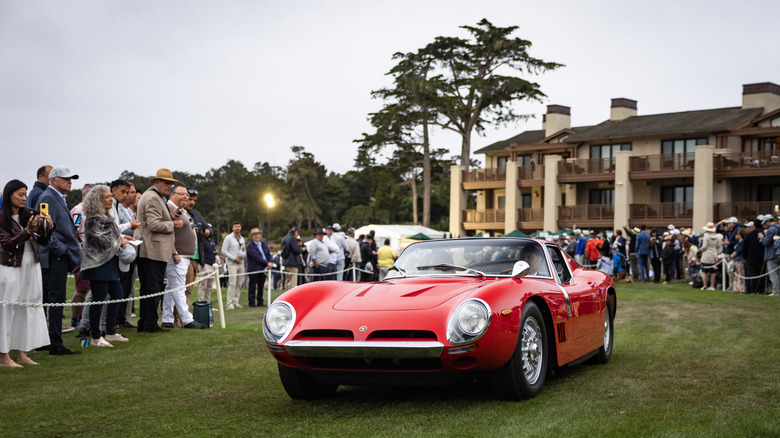
The foundation of a successful concours campaign is a comprehensive understanding of the specific event’s unique culture. While the global circuit—anchored by titans like the Pebble Beach Concours d’Elegance in California, the Villa d’Este in Italy, and the Chantilly Arts & Elegance in France—shares a common ethos, the mechanics of competition vary significantly. Most high-level events utilize a structured class system, typically organized by marque, era, body style, or competition history.
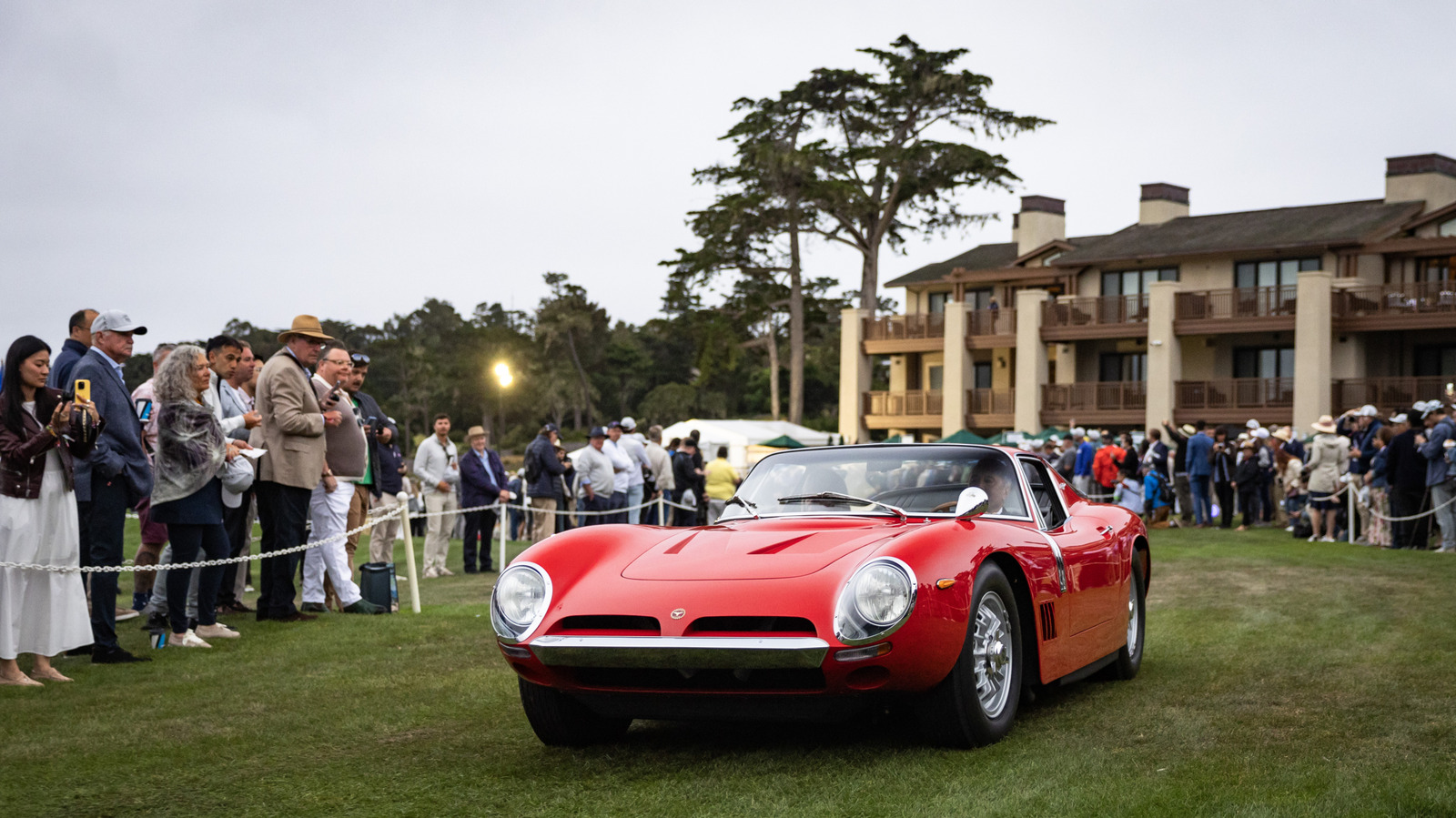
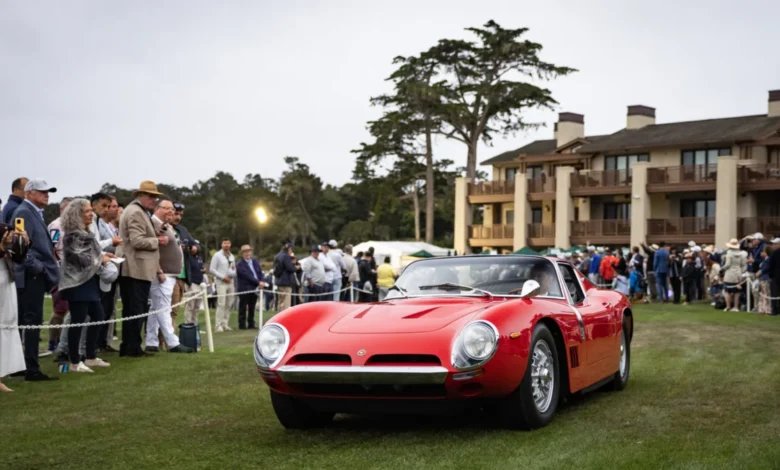
For instance, the Pebble Beach Concours, established in 1950, has evolved into a global benchmark. Its judging criteria focus heavily on authenticity. Entrants must be aware that many prestigious shows impose a "cool-down" period; it is common for major events to bar a winning vehicle from competing again for a decade. This ensures a fresh rotation of machinery and prevents the dominance of a single, over-restored vehicle. Prospective competitors should consult the event’s specific rulebook, which often delineates whether the event requires a "touring" component. Increasingly, judges want to see that a vehicle is not just a static sculpture but a functioning machine capable of driving, a requirement that adds a layer of mechanical complexity to the preparation process.
The Absolute Standard of Perfection
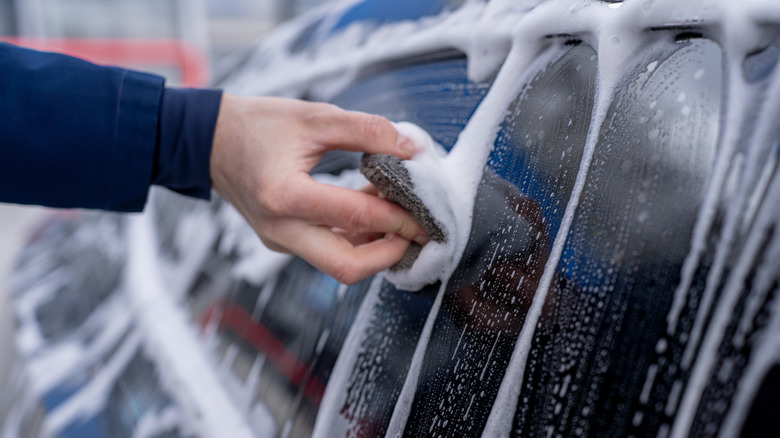
In the world of professional concours judging, the phrase "clean to perfection" is an understatement. Judges often use white-glove inspections, extending their examination to the undersides of chassis, the interiors of wheel wells, and the hidden surfaces of the engine bay. A vehicle prepared for this level of scrutiny requires a process that goes far beyond a standard wash and wax. It is an act of forensic cleaning.
Professional detailers often recommend a multi-week timeline to prepare a vehicle for a major event. This involves the removal of wheels to clean the brake calipers and suspension components, the use of specialized swabs to remove dust from dashboard switchgear, and the careful treatment of leather and wood trim to ensure they retain a factory-correct luster rather than an artificial, oily shine. The goal is the appearance of a car that has been "time-warped" directly from the dealership floor. Any deviation from original materials—such as incorrect bolt heads, non-factory wiring looms, or modern hardware—will result in immediate point deductions. Owners should utilize technical service bulletins from the original manufacturer to serve as a guide for what a "correct" finish looks like on every nut, bolt, and gasket.
Establishing Provenance Through Documentation
The story of a car is as important as its paintwork. In a concours, provenance—the documented history of a vehicle’s ownership, maintenance, and usage—is the lifeblood of its value and its competitive standing. Judges are not merely looking for a shiny car; they are looking for a historical artifact.
A comprehensive documentation file should serve as a narrative of the vehicle’s life. This includes original sales invoices, correspondence with the manufacturer, historical photographs of the car in period, and a complete log of service records. In cases of rare competition vehicles, this might also include race results, entry forms, and accounts from previous owners. The organization of this material is paramount. It should be presented in a clean, professional binder that allows the judge to quickly verify the vehicle’s identity and history. However, it must remain supplementary. The vehicle remains the primary subject, and the documentation should be easily accessible but not clutter the display area. A cluttered display distracts from the car and wastes the limited time judges have to interact with the owner.
Achieving Mechanical Readiness
The transition from a "trailer queen" to a functional masterpiece requires a deep commitment to mechanical integrity. As modern concours events shift toward rewarding drivability, a car that fails to start or struggles during the mandatory judging drive will lose significant points.
Owners must treat the vehicle’s mechanical system with the same scrutiny as its aesthetics. This involves a systematic review of every fluid, belt, and electrical connection. Even if a vehicle has been stored for years, it is standard practice to flush all fluids—oil, coolant, brake fluid, and fuel—to ensure that no sludge or contaminants impede performance. Mechanical components should be serviced using original equipment manufacturer (OEM) parts wherever possible. If a part is no longer available, the restoration of the original piece is almost always preferred over the installation of a modern aftermarket equivalent. Judges will check for period-correct markings on hoses, clamps, and engine blocks, looking for any evidence of unauthorized modern modifications that compromise the car’s historical integrity.
Mastering Concours Etiquette and Presentation
The final component of a successful campaign is the human element. The owner is the steward of the car, and their conduct on the show field reflects the level of care invested in the machine. Etiquette dictates that the owner should be present when judges arrive but should remain observant rather than intrusive. The role of the owner is to provide information when asked, rather than lecturing the judges on the car’s history.
Furthermore, the presentation of the vehicle must be minimalist and respectful of the design. The car should be displayed exactly as it was intended to be seen. Hoods and trunks should be closed unless the judging format dictates otherwise. The addition of period-correct accessories, such as a leather tool kit or a specific brand of vintage luggage, can enhance the presentation, provided these items are documented as original to the car.
Beyond the competition, the most successful participants recognize that the event is a social gathering of like-minded enthusiasts. While the competition is fierce, the atmosphere remains one of camaraderie. Engaging with fellow collectors and spectators not only enhances the experience but also fosters a reputation of professionalism and passion.
Broader Implications and Industry Impact
The dedication required to prepare a car for a top-tier concours event has profound implications for the preservation of automotive history. By incentivizing owners to restore vehicles to their original factory specifications, these events effectively save rare cars from the risk of modification or neglect.
The industry surrounding concours preparation has grown into a highly specialized field. High-end restoration shops now dedicate thousands of hours to researching a single car, scouring archives in Europe and the United States to find original blueprints or paint samples. This research contributes to a broader public knowledge base regarding automotive history. When a vehicle is presented at a concours, it is not just winning a trophy; it is validating a specific moment in industrial design.

As the demographic of collectors shifts, the industry is also grappling with the challenge of including newer vehicles—"youngtimers"—into the concours fold. This expansion forces events to refine their judging criteria to address digital components and modern manufacturing techniques, ensuring that the spirit of the concours remains relevant for future generations. Ultimately, whether a car leaves the lawn with a "Best in Show" trophy or simply the satisfaction of a successful exhibition, the rigorous process of preparation ensures that the world’s most significant automotive achievements remain on the road, and in the public eye, for years to come.
Related posts: