Unlocking the Feline Chemical Signature: Researchers Discover Unique Fatty Acids That Explain How Cats Recognize Individual Scents

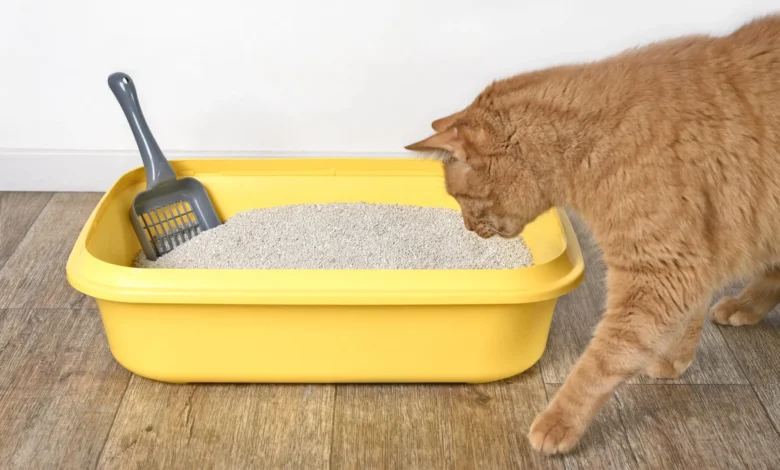
For domestic cats and their wild relatives, the environment functions as a dynamic, invisible bulletin board. Scent marks left on fence posts, trees, and corner walls serve as intricate messages detailing territory boundaries, reproductive status, and individual identity. Yet, decoding these chemical missives has long presented a biochemical paradox. Most volatile organic compounds responsible for familiar odors evaporate rapidly, oxidize upon exposure to air, or change structurally as environmental temperatures fluctuate. If a scent profile is in a state of constant chemical flux, how do felines reliably identify the specific animal that deposited it months prior?
An international team of researchers hailing from Japan, Germany, and Spain, led by Iwate University, has provided a breakthrough answer. Their investigation reveals a previously unknown group of unusual branched-chain fatty acids (BFAs) secreted in cat urine. Acting as a semi-volatile, highly stable chemical "calling card," these compounds solve a fundamental puzzle in animal communication and shed light on a century-old biological mystery hidden deep within the feline kidney. The findings, published in the journal Current Biology, bridge the gap between behavioral ecology, renal physiology, and mammalian evolutionary biology.
Establishing Behavioral Baseline: The Flehmen Response and Long-Term Memory
To understand how cats process identity through olfaction, the research team, spearheaded by Professor Masao Miyazaki of Iwate University, first needed to establish empirical baselines for feline olfactory memory. Scientists have long observed that cats investigate urine marks through intensive sniffing, frequently culminating in the flehmen response—a distinct behavioral posture characterized by an open mouth, curled upper lip, and tilted head that draws scents toward the vomeronasal organ, an auxiliary olfactory structure located in the roof of the mouth.
Through controlled behavioral trials, the researchers tracked how domestic cats reacted to repeated exposure to the same urine samples. As cats encountered a familiar urine odor multiple times, their investigation times steadily decreased, and the frequency of the flehmen response dropped, indicating habituation. However, when researchers introduced a novel urine sample from an unfamiliar cat, the subjects immediately renewed their investigation, showing heightened sniffing times and an increased frequency of the flehmen response.
Most remarkably, the trials demonstrated that domestic cats retain long-term memory of individual urine scents. Subjects continued to exhibit diminished responses to previously encountered urine odors even after intervals lasting several months. This durable recognition capacity confirmed that the underlying chemical signals driving the behavior must be remarkably persistent in the environment, resisting degradation far longer than typical volatile odorants.
The Discovery of 13 Unusual Branched-Chain Fatty Acids
Guided by behavioral reactions, the scientific team utilized advanced chromatography and mass spectrometry to isolate the specific chemical fractions responsible for individual recognition. Their analysis revealed a distinct group of 13 branched-chain fatty acids (BFAs) present in domestic cat urine. A subsequent cross-reference with existing scientific literature confirmed that these particular compounds had never before been documented in the excretions or secretions of any other mammalian species.
The uniqueness of the discovery lies not merely in the presence of the BFAs, but in their structural distribution. Each cat possesses a distinct BFA profile defined by the exact combination and relative concentration of the 13 fatty acids. While these profiles vary significantly from one animal to another, they remain remarkably stable within any single individual over extended periods.
Furthermore, genetic analysis indicated a hereditary component to these profiles. Related felines displayed higher degrees of chemical similarity in their BFA patterns, yet every individual maintained a distinct, identifiable signature—even among littermates. Crucially, while typical volatile scent molecules degrade within hours of deposition, BFAs are semi-volatile and evaporate at a significantly slower rate. Laboratory tests involving urine-soaked samples stored at a standard temperature of 25°C demonstrated that individual BFA profiles remained stable and intact for a minimum of 24 hours, providing a window of durability essential for long-term territorial messaging.
To confirm that cats actively perceive these chemical variations, the researchers conducted blind trials where all other lipid components in urine samples were held constant while the BFA-containing fraction was altered. When exposed to samples where only the donor-derived BFA profile was switched, habituated cats immediately increased their sniffing behavior. This definitive behavioral shift proved that felines actively detect and differentiate BFA compositions, cementing their role as primary agents of individual identity signaling.
Solving a Century-Old Renal Mystery
Beyond identifying the chemical makeup of scent marks, the research team’s investigation yielded an unexpected breakthrough regarding feline renal anatomy. By examining various tissues, the scientists detected BFAs exclusively within the kidneys, specifically localized inside neutral lipid droplets stored within the renal cortex.
For more than a century, veterinary pathologists and renal physiologists have puzzled over the biological purpose of these abundant lipid droplets in cat kidneys. While lipid accumulation in human and canine kidneys is frequently associated with pathological conditions or disease states, it is a normal, healthy physiological feature in domestic felines. Until now, however, its exact function remained entirely unknown.
Professor Miyazaki and his colleagues hypothesize that these renal lipid droplets act as a specialized storage reservoir for BFA precursors or the fatty acids themselves. Because a cat’s diet, hydration levels, and physiological stress fluctuate constantly, raw metabolic outputs would theoretically cause severe instability in scent mark chemistry. By utilizing the kidneys as a biological buffer, the feline body can regulate and stabilize the release of BFAs into the urine, ensuring that an individual’s chemical signature remains consistent regardless of short-term dietary changes or environmental stressors.
"Lipid droplets in the cat kidney have been known for more than a century, but why cats have so many of them has remained a mystery," Professor Miyazaki noted. "Our findings suggest that one of their functions may be to support a stable chemical signature in urine. How BFAs stored in renal lipids are ultimately released into urine is an important question for future research."
Evolutionary Conservation Across the Felidae Family
Seeking to determine whether this chemical communication system is unique to domestic cats or shared across the broader feline lineage, the research team expanded their analysis to wild felid species. Using non-invasive sampling techniques, researchers detected BFA-related compounds and renal lipid droplets across a wide spectrum of the cat family, including lions, tigers, leopards, jaguars, lynxes, and the rare Iriomote cat.
While the fundamental biochemical framework appears conserved across the entire Felidae family, significant evolutionary diversification was observed. Specific BFA profiles, along with the volumetric distribution and concentration of renal lipid droplets, varied markedly between species. Furthermore, distinct chemical variations were identified even between geographically isolated subspecies, such as the Iriomote cat and the Tsushima leopard cat, both native to Japan.
These comparative observations suggest that BFA-mediated scent chemistry emerged early in feline evolution, adapting and diversifying as different cat species radiated into varied ecological niches. While future behavioral studies will be required to confirm whether apex predators like lions and tigers actively utilize BFA profiles for individual recognition in the wild, the presence of the underlying chemistry strongly implies a shared evolutionary adaptation.
Broader Implications for Animal Communication and Conservation
The discovery of BFA-based scent marking addresses a long-standing theoretical gap in mammalian behavioral ecology. While species such as mice rely heavily on major urinary proteins (MUPs) to stabilize and broadcast individual identity signatures in their scent marks, scientists have struggled to find equivalent protein-based systems in many other mammalian orders.
By demonstrating that felines utilize a lipid-based, semi-volatile signaling mechanism supported by internal renal buffering, the study offers a compelling alternative model for how animals solve the environmental degradation of scent marks.
From a practical standpoint, the implications of this research extend into multiple disciplines. In urban environments and multi-cat households, an advanced understanding of BFA biochemistry could eventually inform targeted commercial solutions for managing and neutralizing persistent cat urine odors. In biomedical research, deeper exploration into how feline kidneys safely store and metabolize high concentrations of specialized lipids may offer comparative insights into lipid metabolism disorders in other mammals.
Perhaps most significantly, the findings hold profound potential for wildlife conservation. Monitoring elusive, endangered wild felids—such as snow leopards, Amur leopards, and various forest-dwelling cats—traditionally requires expensive, invasive, and labor-intensive radio-collaring or camera-trapping methodologies. If conservation biologists can successfully harness BFA profiling as a reliable biochemical fingerprint, environmental urine samples collected from the wild could soon be utilized to census populations, track individual territories, and monitor genetic diversity without ever needing to capture or directly disturb rare animals.
As basic research, the study does not immediately introduce a consumer product or commercial technology. Instead, it completes a missing chapter in feline biology, successfully connecting microscopic lipid droplets inside the kidney to the complex behavioral ecology of the animal kingdom’s most solitary and calculated communicators.