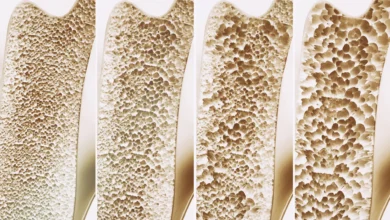
Tyrannosaurus rex was a hottie with a body temperature similar to our own, according to a new analysis of their teeth.

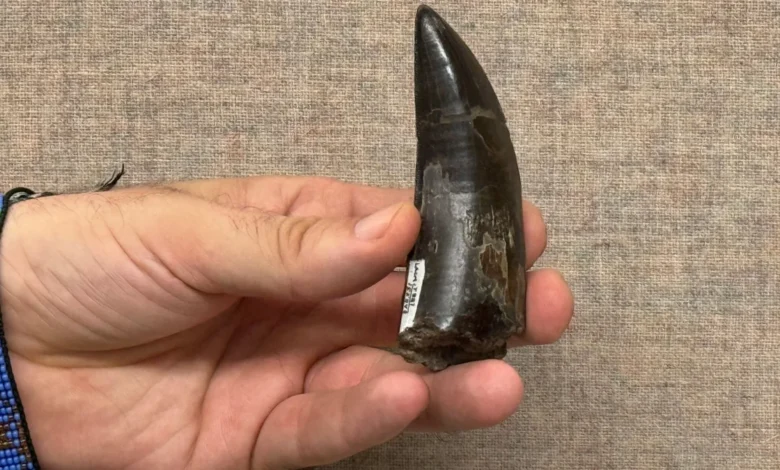
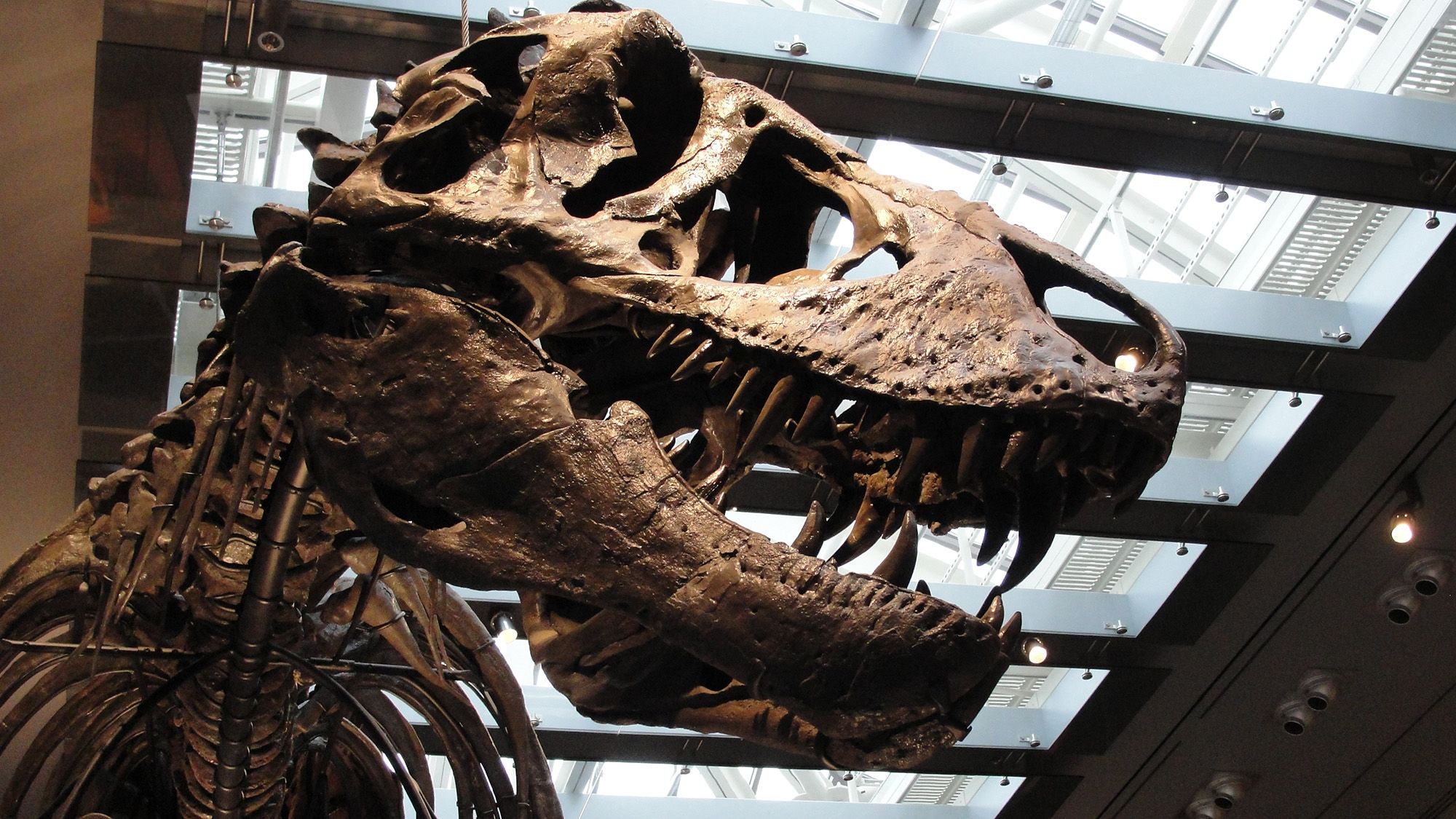
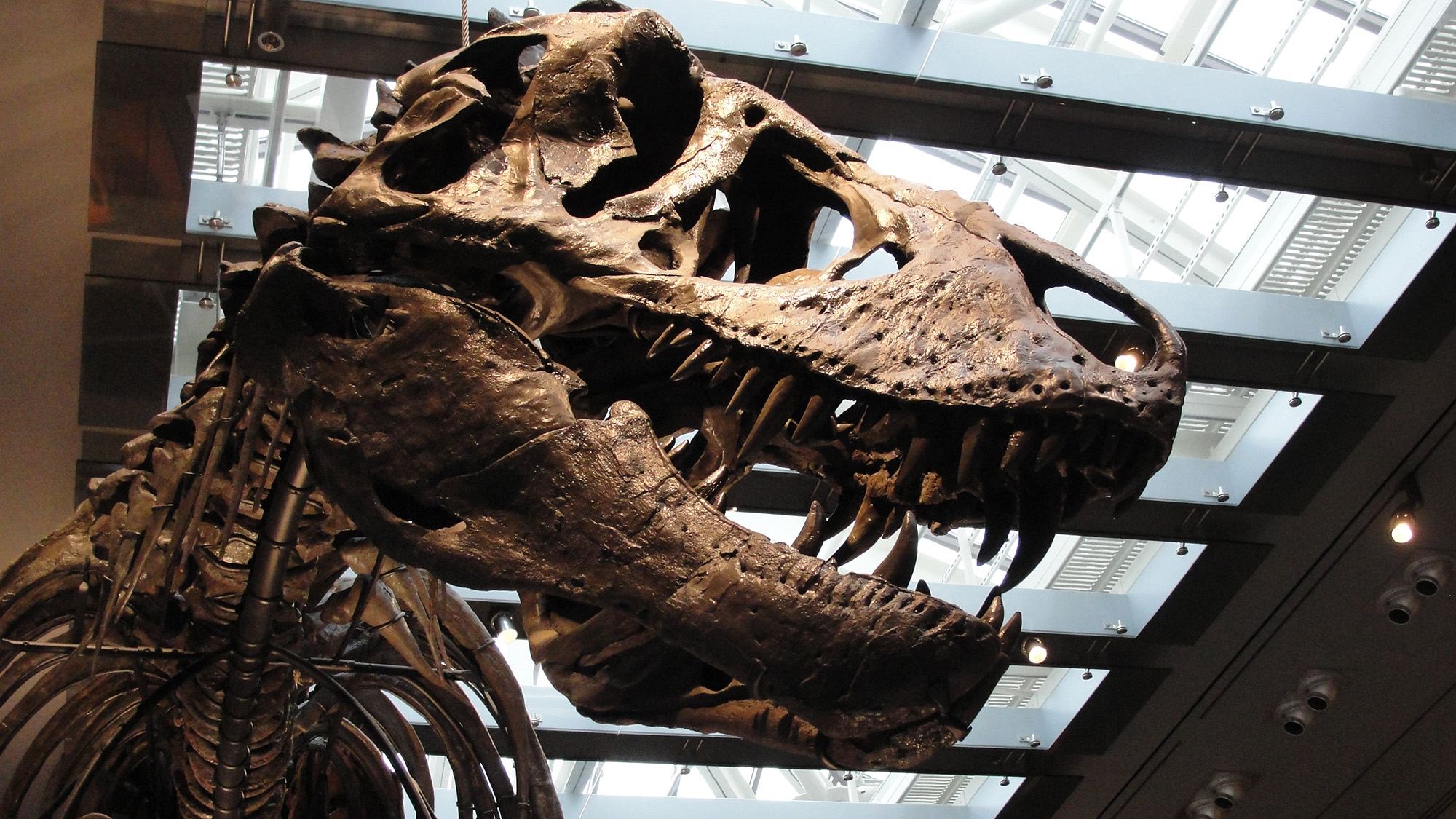
The long-standing debate regarding the thermal physiology of dinosaurs has reached a significant milestone. For decades, paleontologists have wrestled with the question of whether these apex predators of the Cretaceous period were cold-blooded ectotherms, like modern crocodiles and lizards, or warm-blooded endotherms, similar to modern birds and mammals. New geochemical analysis performed on the fossilized teeth of a Tyrannosaurus rex specimen known as "Thomas," housed at the Natural History Museum of Los Angeles County, provides compelling evidence that these giants maintained a stable, elevated body temperature, suggesting a high-metabolism lifestyle that would have powered their role as apex predators.
The Methodology: Clumped Isotope Paleothermometry
The findings, derived from the emerging field of clumped isotope paleothermometry, represent a departure from traditional methods of estimating dinosaur body temperature. In the past, researchers relied on bone histology—examining growth rings in dinosaur bones to infer metabolic rates—or modeling based on body size. However, these methods often yielded conflicting results.
Clumped isotope analysis focuses on the chemical bonds within the mineral structures of tooth enamel. By measuring the distribution of heavy isotopes of carbon and oxygen within the mineral lattice, scientists can determine the precise temperature at which the mineral formed. Because teeth mineralize at a constant rate within the animal’s jaw, they serve as a biological thermometer, reflecting the internal body temperature of the creature at the time of its life.
In the case of Thomas the T. rex, the data indicates a consistent internal temperature that mirrors the endothermic patterns found in modern mammals. This suggests that the T. rex did not merely rely on the environment to regulate its heat but possessed an internal furnace capable of maintaining a steady state.
A Chronology of the Debate
The evolution of our understanding of dinosaur metabolism has been a slow, contentious journey in the scientific community:
- Early 19th and 20th Century: Dinosaurs were largely viewed as "giant lizards," implicitly assumed to be sluggish, cold-blooded reptiles that required external heat sources to function.
- The 1960s "Dinosaur Renaissance": Visionary paleontologists, most notably John Ostrom and Robert Bakker, began to challenge the "sluggish" narrative. They argued that the skeletal structure and active behavior of dinosaurs implied a more energetic, endothermic metabolism.
- 1990s–2000s: The debate intensified. While skeletal anatomy suggested high activity levels, some scientists argued that the sheer size of a T. rex would lead to "gigantothermy," where a large animal stays warm simply due to its massive volume and slow heat loss, rather than a true mammalian-style metabolism.
- 2020s–Present: Advanced geochemical techniques, including the clumped isotope analysis used in this study, have finally begun to provide the objective, hard data required to settle the dispute.
Supporting Data and Metabolic Implications
The thermal data recovered from the T. rex teeth suggests a temperature range that aligns with high-energy activity. For a predator the size of a T. rex—weighing up to eight tons—a cold-blooded metabolism would have been a distinct disadvantage. Cold-blooded animals are generally limited by environmental temperatures; they are sluggish in the morning and must bask to gain the energy required for hunting.
An endothermic T. rex, however, would have been a "hot" machine. This physiological status allowed the creature to be active regardless of the time of day or ambient temperature. This capacity for sustained, high-level exertion is consistent with its anatomical features, such as powerful hind limbs designed for movement and a complex respiratory system that mirrors that of modern birds—the direct descendants of dinosaurs.
If the T. rex were endothermic, it would have required a massive caloric intake to sustain its body temperature. This aligns with the fossil evidence of their specialized dentition, designed for crushing bone and consuming vast amounts of prey. It redefines the T. rex from a scavenger that might wait for a meal to warm up, to a relentless hunter that could track and strike with vigor.
Expert Perspectives and Scientific Consensus
While the results are groundbreaking, the scientific community continues to scrutinize the nuances of dinosaur physiology. Experts emphasize that "endothermy" is not a binary switch; it exists on a spectrum.
"What we are seeing is that the binary classification of ‘warm-blooded’ versus ‘cold-blooded’ is an oversimplification," notes a researcher familiar with the study. "Dinosaurs likely occupied a middle ground that we might call mesothermy, but this new data pushes the T. rex firmly into the category of animals that could generate and maintain significant internal heat."
The Natural History Museum of Los Angeles County, which provided the samples for this study, has noted that this research underscores the importance of museum collections. These specimens are not just static displays; they are deep-time data repositories that, when subjected to modern analytical technology, continue to rewrite the history of life on Earth.
Broader Impact: Rewriting the Cretaceous Narrative
The confirmation of a high body temperature in T. rex has ripple effects across multiple paleontological fields. It necessitates a recalculation of how these animals interacted with their environment and with one another.
- Ecological Modeling: If T. rex was an endotherm, the carrying capacity of its ecosystem must have been much higher than previously thought to support the massive amount of food needed to fuel such a metabolism.
- Evolutionary Biology: The findings bridge the gap between reptiles and birds, providing a clearer picture of how endothermy evolved in the archosaur lineage.
- Behavioral Analysis: An energetic metabolism supports the theory that T. rex may have engaged in complex social behaviors, such as coordinated hunting or intricate mating displays, which are typically associated with high-metabolism animals.
As researchers continue to apply clumped isotope paleothermometry to other species, from the smaller dromaeosaurs to the colossal sauropods, the scientific community expects to develop a comprehensive map of dinosaur thermal physiology. For now, the reign of the T. rex as a warm-blooded titan stands as one of the most significant updates to our understanding of the prehistoric world, painting a picture of a creature that was far more vibrant, active, and physiologically complex than the "sluggish lizard" archetype of the past.