Magnetic Bacteria Show Remarkable Anti-Aging Properties by Suppressing Cell Death in Breakthrough Study

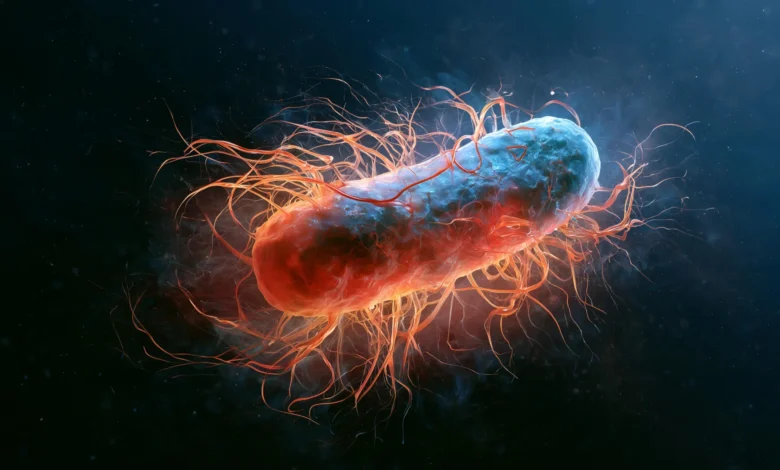
Researchers at the Hefei Institutes of Physical Science, operating under the umbrella of the Chinese Academy of Sciences, have published a groundbreaking study demonstrating that a specific strain of magnetotactic bacteria can significantly extend the healthy lifespan of model organisms. Led by Professor An Xu, the research team discovered that Magnetospirillum magneticum AMB-1, commonly referred to as AMB-1, successfully prolonged the healthy lifespan of the widely studied nematode Caenorhabditis elegans. More importantly, the investigation pinpointed the primary biological mechanism responsible for this phenomenon: the targeted suppression of ferroptosis, an iron-dependent form of regulated cell death intimately linked to aging and degenerative conditions.
The findings, which represent a novel convergence of microbiology, nanotechnology, and gerontology, were recently featured in the peer-reviewed publication Free Radical Biology and Medicine. This research opens unprecedented avenues for utilizing biocompatible microorganisms in geriatric medicine, shifting the paradigm away from traditional pharmaceutical interventions and toward microbially mediated healthspan extension.
Background Context and the Quest for Novel Longevity Interventions
As global populations age, the incidence of chronic, debilitating illnesses associated with physiological decline continues to escalate. Aging is characterized by a gradual, progressive deterioration of normal physiological functions, accompanied by a heightened vulnerability to environmental stressors, metabolic dysfunction, and cellular degeneration. For decades, the scientific community has pursued various pharmacological agents, dietary restrictions, and genetic modifications to combat the relentless march of senescence.
While certain interventions have shown promise in laboratory settings, researchers have consistently encountered formidable hurdles regarding safety profiles, bioavailability, and practical clinical translation in humans. Many synthetic anti-aging drugs induce systemic side effects or fail to target the root causes of cellular decay precisely. Consequently, modern biogerontology has increasingly turned its attention to natural biological systems, microbiome modulation, and bio-nanomaterials that can interact harmoniously with host physiology.
Enter magnetotactic bacteria (MTB), a fascinating and diverse group of aquatic microorganisms characterized by their unique ability to navigate along geomagnetic field lines. This navigational prowess is made possible by intracellular, membrane-bound organelles known as magnetosomes, which typically consist of nanometer-sized crystals of magnetite or greigite. Because of their natural magnetic properties and exceptional biocompatibility, MTB and their isolated magnetosomes have already garnered substantial scientific interest in recent years. Biomedical engineers and oncologists have actively explored their utility in targeted drug delivery systems, hyperthermia cancer therapy, and medical imaging agents.
Despite these advanced technological applications, the potential systemic physiological impacts of whole magnetotactic bacteria on host organisms—particularly concerning aging, longevity, and metabolic health—remained largely uncharted territory until now. Recognizing this knowledge gap, Professor An Xu and his multidisciplinary team at the Hefei Institutes of Physical Science designed a comprehensive study to evaluate whether AMB-1 could influence the lifespan and healthspan of a well-established animal model.
Chronology and Experimental Methodology
To investigate the hypothesis that magnetotactic bacteria might influence aging, the research team selected Caenorhabditis elegans as their primary in vivo model. C. elegans is a transparent nematode measuring approximately one millimeter in length, and it has served as a cornerstone of genetic and aging research for over four decades. Its fully mapped genome, rapid reproductive cycle, short lifespan of roughly two to three weeks, and high degree of genetic homology with higher-order animals make it an ideal platform for high-throughput longevity assays.
The experimental timeline unfolded across several rigorous phases. Initially, the researchers cultivated standardized strains of Magnetospirillum magneticum AMB-1 alongside genetically modified variants to isolate the specific functional components responsible for any observed physiological changes. These variants included wild-type AMB-1, reversibly non-magnetotactic mutants (designated as RNM-AMB-1), and completely non-magnetotactic mutants (designated as NM-AMB-1).
During the primary intervention phase, synchronous populations of larval C. elegans were exposed to controlled concentrations of the bacterial strains throughout their lifecycle. Regular observations were conducted to track survival rates, behavioral vitality, physiological markers of tissue integrity, and biochemical shifts within the nematodes. Subsequent molecular analyses, including genetic expression profiling and assays measuring oxidative stress biomarkers, were performed to dissect the underlying intracellular pathways influenced by the bacterial treatment.
Substantial Lifespan Extension and Preservation of Physiological Integrity
The quantitative results of the study exceeded initial expectations. Nematodes treated with wild-type AMB-1 exhibited a dramatic increase in longevity compared to control populations. Specifically, the average lifespan of the treated worms was extended by an impressive 43.39 percent.
Beyond merely prolonging survival, the bacterial intervention successfully mitigated the physical signs of senescence. Aged nematodes that received the AMB-1 treatment retained significantly superior neurological function—measured through movement frequency and sensory response assays—compared to untreated control worms of the same chronological age. Furthermore, histological examinations revealed that the treatment effectively preserved intestinal barrier integrity, a critical biomarker of systemic health and physiological youthfulness in C. elegans.
Crucially, the experimental inclusion of genetically modified bacterial variants provided definitive insights into the mechanism of action. The longevity-promoting effect was not merely a byproduct of general bacterial ingestion or nutritional supplementation. Wild-type AMB-1, which possesses fully functional magnetosomes, generated a profound longevity effect. The reversibly non-magnetotactic strain (RNM-AMB-1) produced a markedly weaker lifespan extension, while the completely non-magnetotactic strain (NM-AMB-1) failed to extend lifespan altogether. This comparative data confirmed that the physical presence and biological activity of magnetosomes are indispensable prerequisites for the observed anti-aging benefits.
Mechanistic Insights: Suppression of Ferroptosis
To unravel the molecular pathways driving this unprecedented lifespan extension, the research team conducted deep biochemical and genetic analyses on the treated nematodes. The investigation revealed that AMB-1 administration led to a notable reduction in iron accumulation within the host tissues, alongside a significant decrease in lipid peroxidation—a destructive chain reaction wherein free radicals steal electrons from the lipids in cell membranes.
These two interrelated biochemical events point directly to the suppression of ferroptosis. Ferroptosis is a distinct form of regulated cell death driven by iron-dependent lipid peroxidation and the subsequent breakdown of cellular membrane integrity. Unlike apoptosis or necrosis, ferroptosis is intimately tied to cellular metabolism, iron homeostasis, and oxidative stress management. In recent years, accumulating scientific evidence has implicated uncontrolled ferroptosis as a major driver of tissue degeneration, chronic inflammation, and age-related pathologies across various organ systems.
By mitigating iron overload and dampening lipid peroxidation, AMB-1 effectively shields host cells from ferroptotic damage. To validate this pathway further, the Hefei research group performed genetic screening assays on the nematodes. The results demonstrated that the anti-aging efficacy of AMB-1 is mediated through specific ferroptosis-related regulatory genes, most notably ftn-1 (which encodes an iron-storage ferritin), bli-3 (involved in oxidative stress responses), and ads-1 (associated with lipid metabolism and longevity pathways). The modulation of these specific genetic targets by the bacterial treatment creates a systemic defensive shield against cellular degradation.
Official Responses and Scientific Reactions
While the study originates from a specialized division of the Chinese Academy of Sciences, the broader international scientific community has taken note of its implications. Independent biogerontologists and microbiologists reviewing the published data have lauded the ingenuity of employing magnetotactic bacteria for non-pharmacological healthspan extension.
Dr. Elena Rostova, a molecular biologist specializing in aging models who was not directly involved in the study, noted that the research represents a paradigm shift. "For decades, the anti-aging field has focused heavily on small-molecule drugs or gene therapy. Utilizing whole, biocompatible microorganisms equipped with specialized nanostructures to actively reprogram host iron homeostasis and suppress ferroptosis is a remarkably creative and effective approach," Rostova remarked. "The data clearly isolates the magnetosome as an active functional unit rather than a passive passenger, which opens up entirely new avenues for bio-nanotechnology in medicine."
Similarly, clinical pharmacologists have highlighted the safety profile implications. Because magnetotactic bacteria possess inherent biocompatibility and can theoretically be guided, monitored, or contained using external magnetic fields, their potential application in therapeutic settings could offer unprecedented precision compared to systemic chemical drugs that saturate the entire body indiscriminately.
Broader Impact and Future Implications for Geriatric Medicine
The publication of these findings establishes a novel conceptual and experimental framework for anti-aging interventions. By bridging the gap between magnetic nanomaterials and host cellular biology, the Hefei Institutes research team has laid foundational evidence that could profoundly influence the future of geriatric medicine.
As human populations age globally, the prevalence of age-associated neurodegenerative, cardiovascular, and metabolic disorders continues to strain healthcare infrastructure. Many of these conditions share common underlying pathological denominators, prominently including oxidative stress, iron dysregulation, and localized cellular demise via ferroptosis. If future translational research—progressing from nematodes to murine models and eventually clinical trials—can replicate these outcomes safely in mammals, magnetotactic bacteria or their synthetic bio-derivatives could become powerful tools in combating degenerative diseases.
Nevertheless, researchers emphasize that significant translational hurdles remain. Investigators must rigorously evaluate the pharmacokinetics, immune system interactions, long-term colonization dynamics, and potential toxicity profiles of AMB-1 and related MTB strains in higher vertebrate systems. Furthermore, standardizing the production and magnetic targeting of these bacteria in complex physiological environments will require sophisticated bioengineering advancements.
Despite these necessary future steps, the current study marks a watershed moment in biogerontology. By demonstrating that specialized microorganisms can actively combat aging at the cellular level by halting iron-driven cell death, Professor An Xu and his colleagues have illuminated a promising new path toward extending not just human lifespan, but the vital, healthy years that define human vitality.