The Ultimate Guide to Autumn Stargazing 2024 Planetary Alignments and Celestial Wonders

As the northern hemisphere transitions into autumn, the astronomical community prepares for a season of enhanced observation. The gradual shortening of daylight hours and the cooling of the atmosphere provide ideal conditions for both amateur enthusiasts and seasoned astrophotographers to engage with the night sky. The upcoming months of September, October, and November are characterized by several high-profile celestial events, including planetary oppositions, multiple meteor showers, and a significant supermoon. These phenomena, occurring under the typically clearer autumn skies, offer a unique window into the mechanics of our solar system and the distant reaches of the galaxy.
Chronology of Major Celestial Events
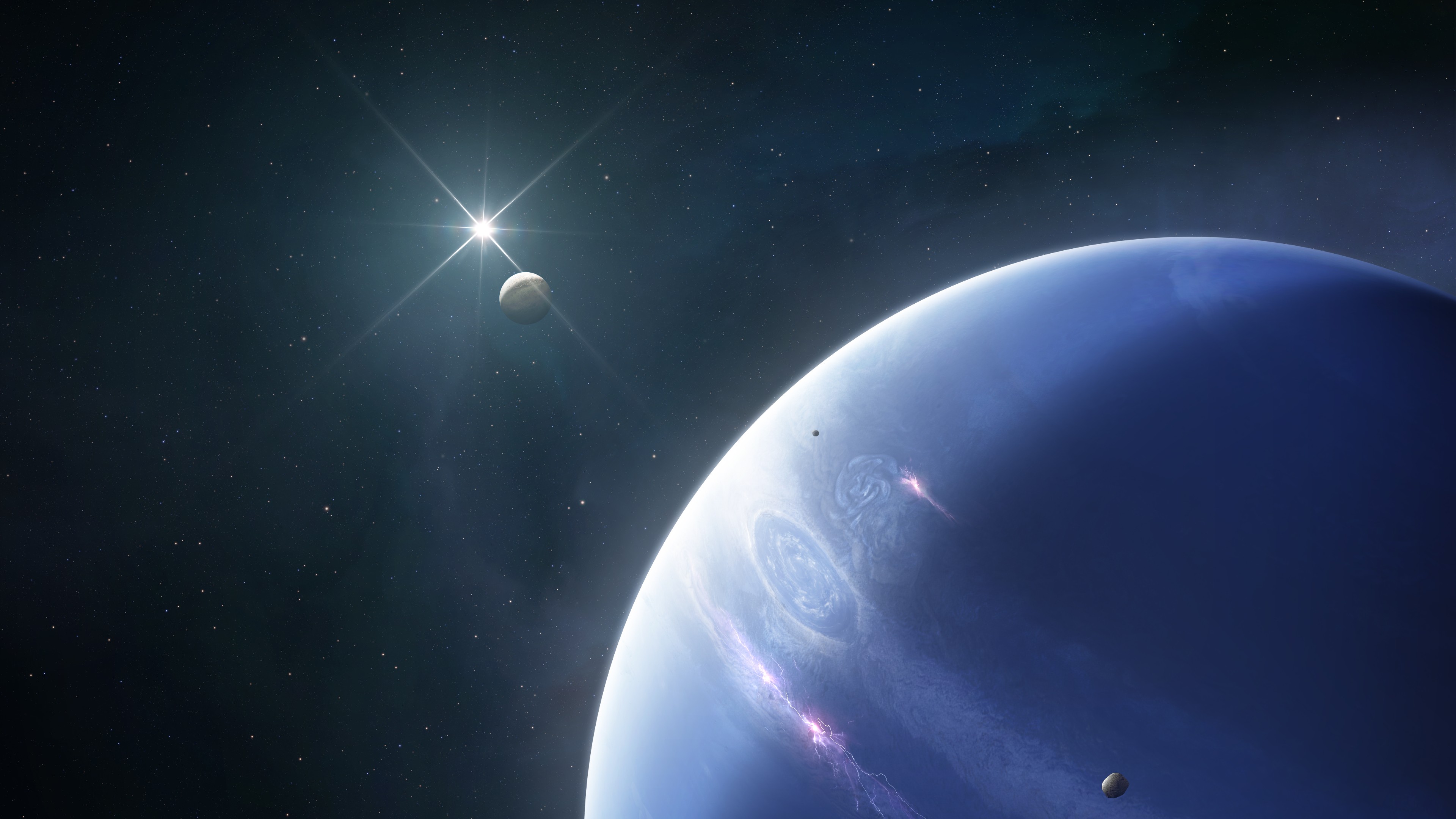
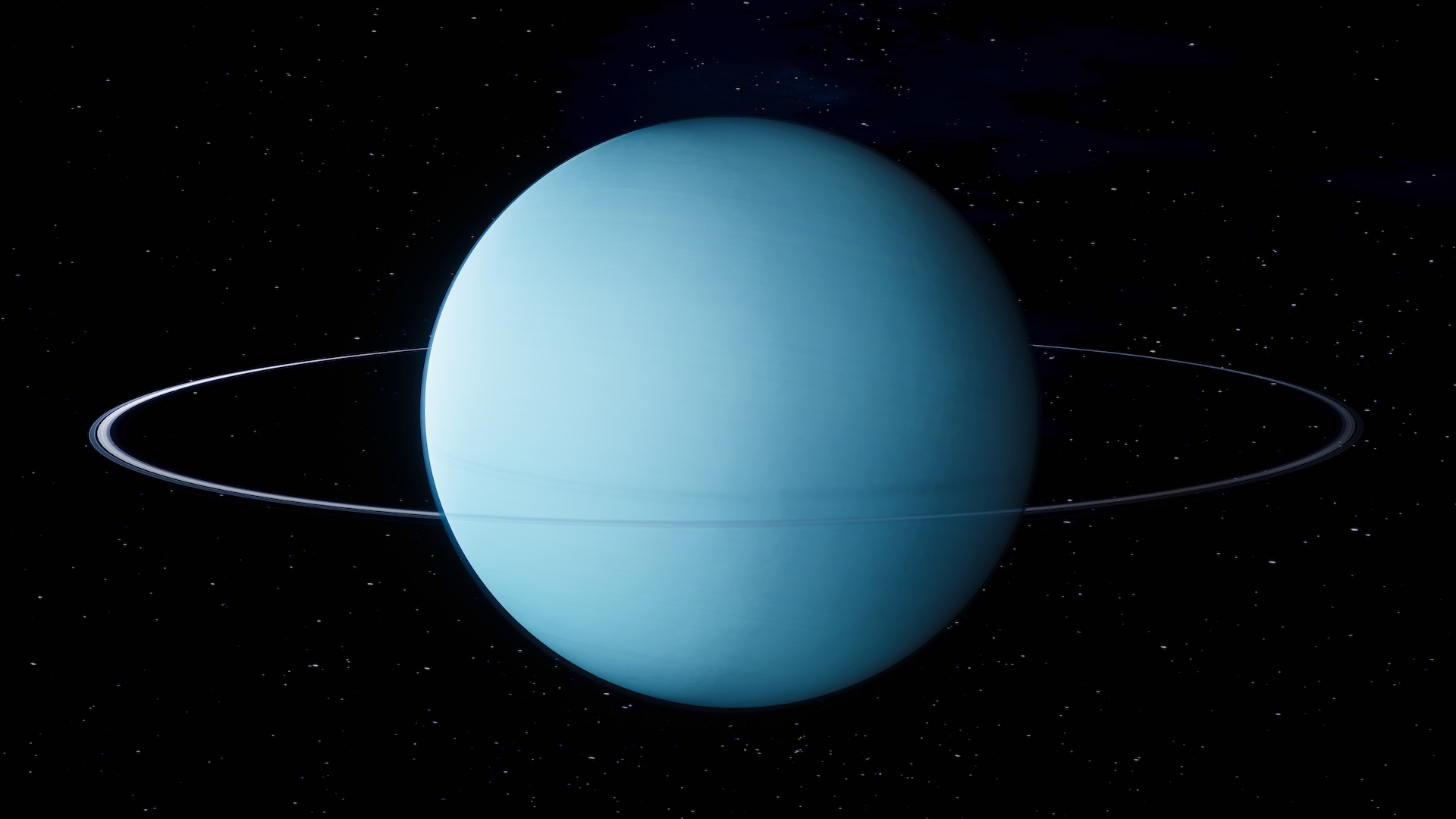
The autumn celestial calendar is dense with activity, beginning with the outer planets. On September 26, Neptune reaches opposition at 02:00 UTC. While Neptune remains a challenging target due to its immense distance and low apparent magnitude of +7.8, its position at opposition marks the point where it is closest to Earth and most illuminated by the Sun. Astronomers note that while the full moon on that same date may present challenges for contrast, the window of observation for Neptune remains open for several weeks, allowing for optimal viewing during the subsequent new moon cycle in October.
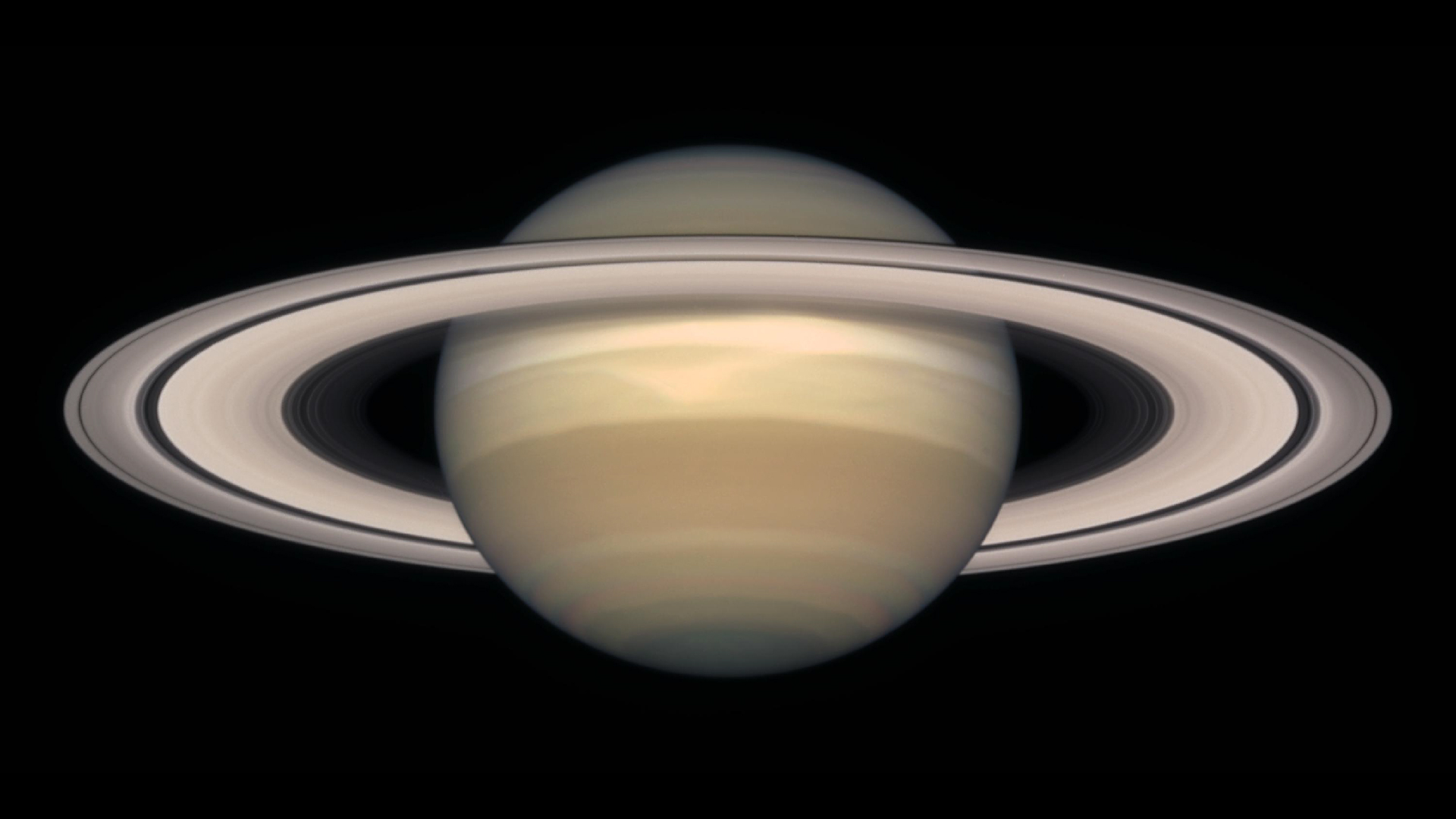
Following this, Saturn reaches its own opposition on October 4 at 12:00 UTC. Shining at a magnitude of +0.3, the ringed planet is a prominent fixture in the night sky. Unlike Neptune, Saturn is readily observable with the naked eye, though a telescope is required to resolve its ring structure and major moons. The timing of this event is particularly favorable for observers in the northern hemisphere, as the planet remains high in the sky during the late evening hours, providing a stable view through less turbulent atmosphere.
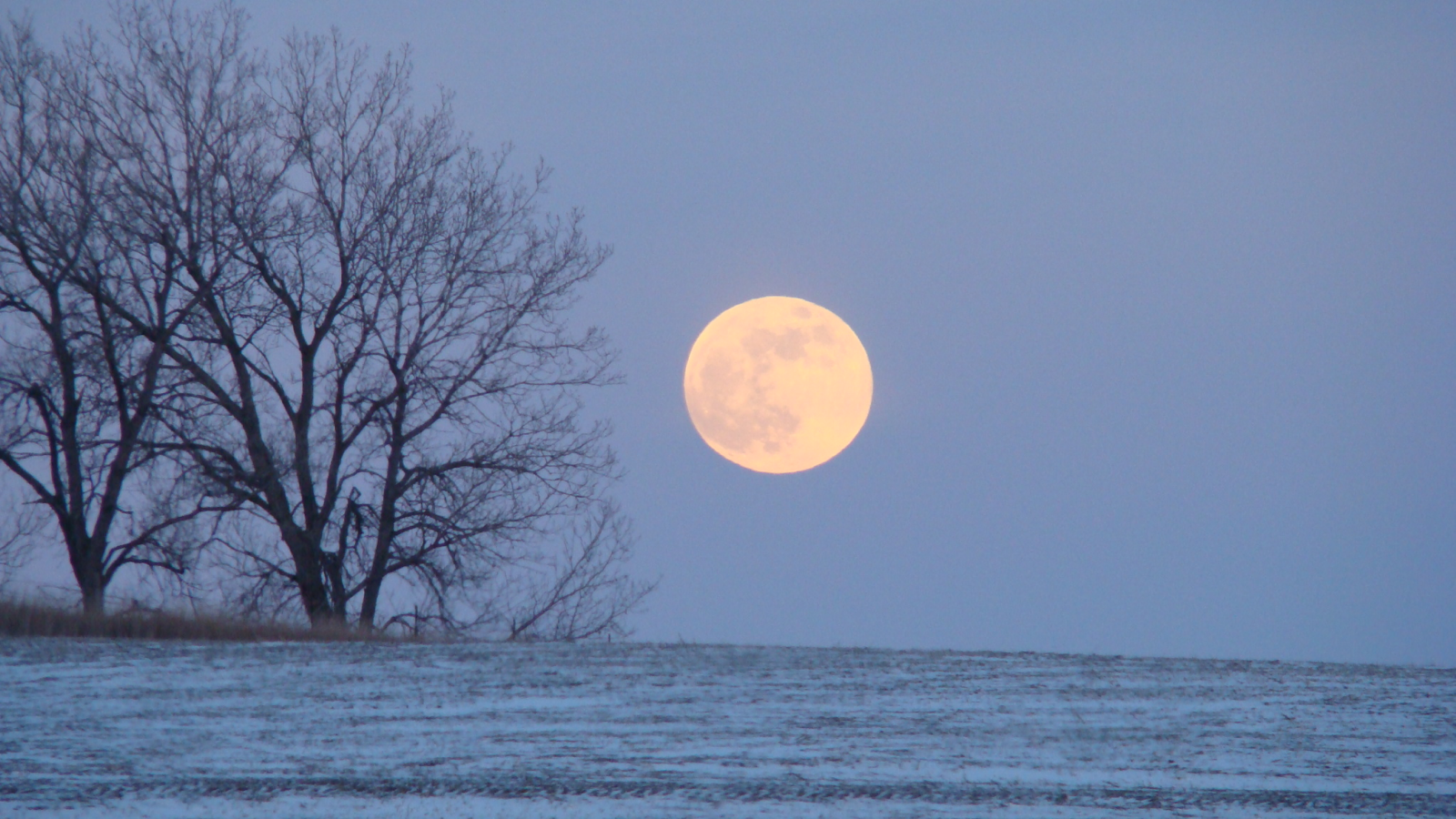
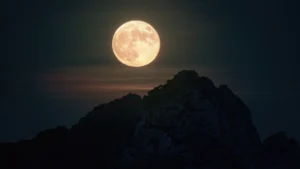
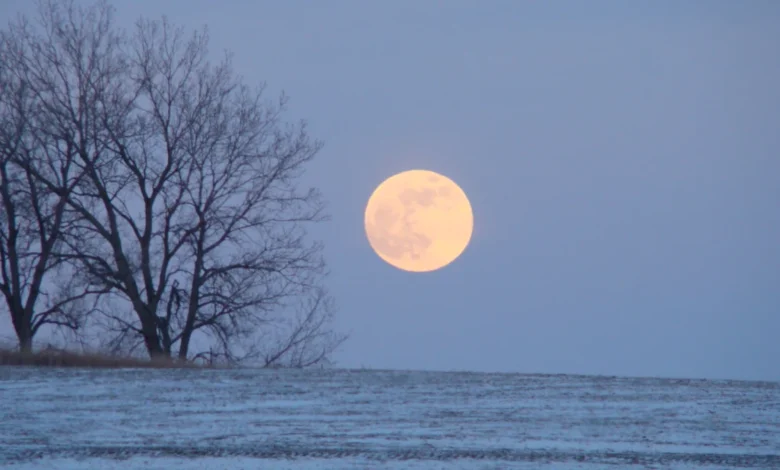
The lunar calendar also features a notable highlight on November 24, when the year’s first full supermoon occurs. Often referred to as the Beaver Moon, this event coincides with the moon’s perigee—the point in its orbit closest to Earth—making it appear approximately 15% larger and significantly brighter than a standard full moon. This event serves as an accessible entry point for casual observers, as no specialized equipment is required to appreciate the increased luminosity.
Meteor Showers and Atmospheric Debris
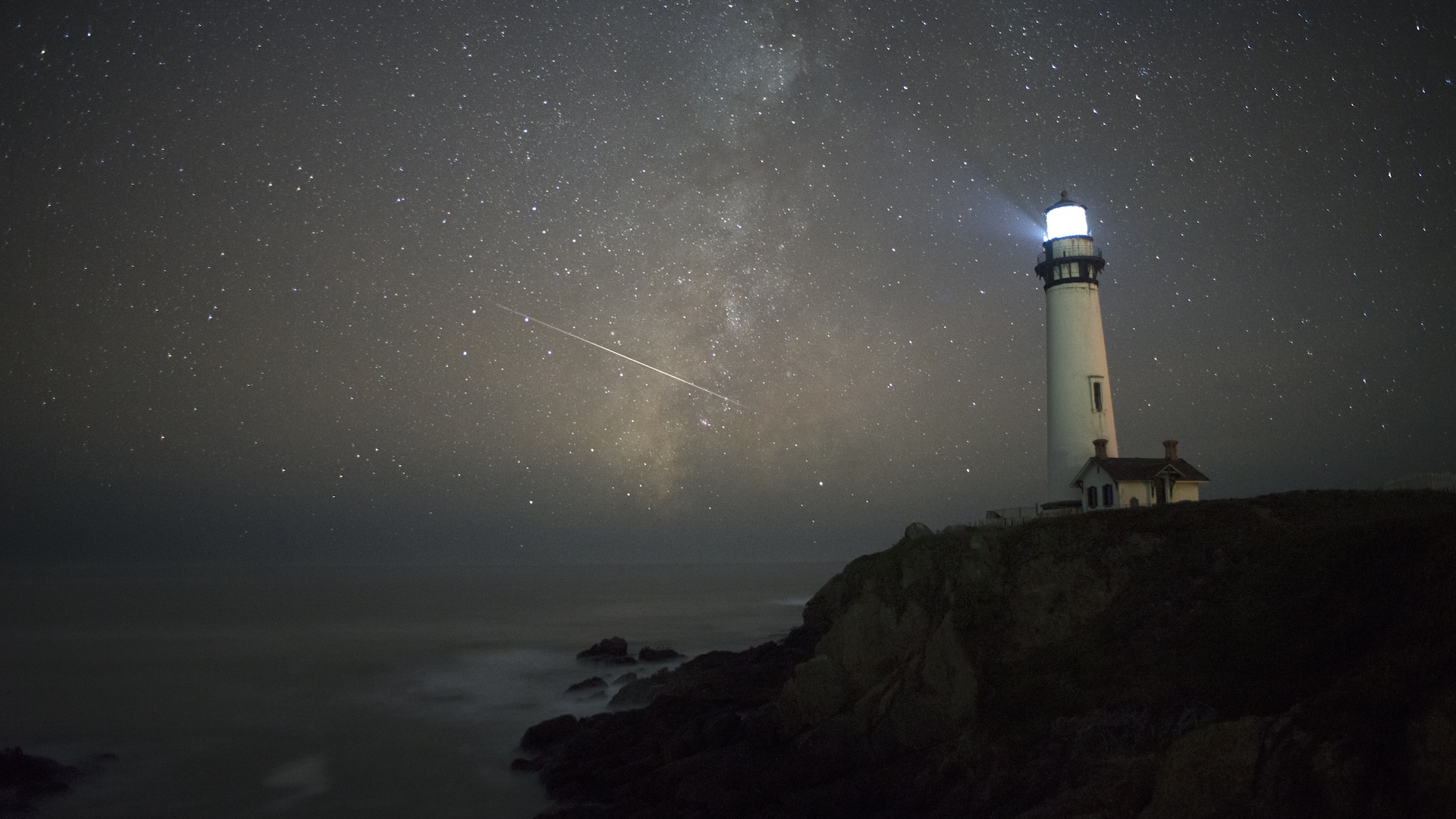
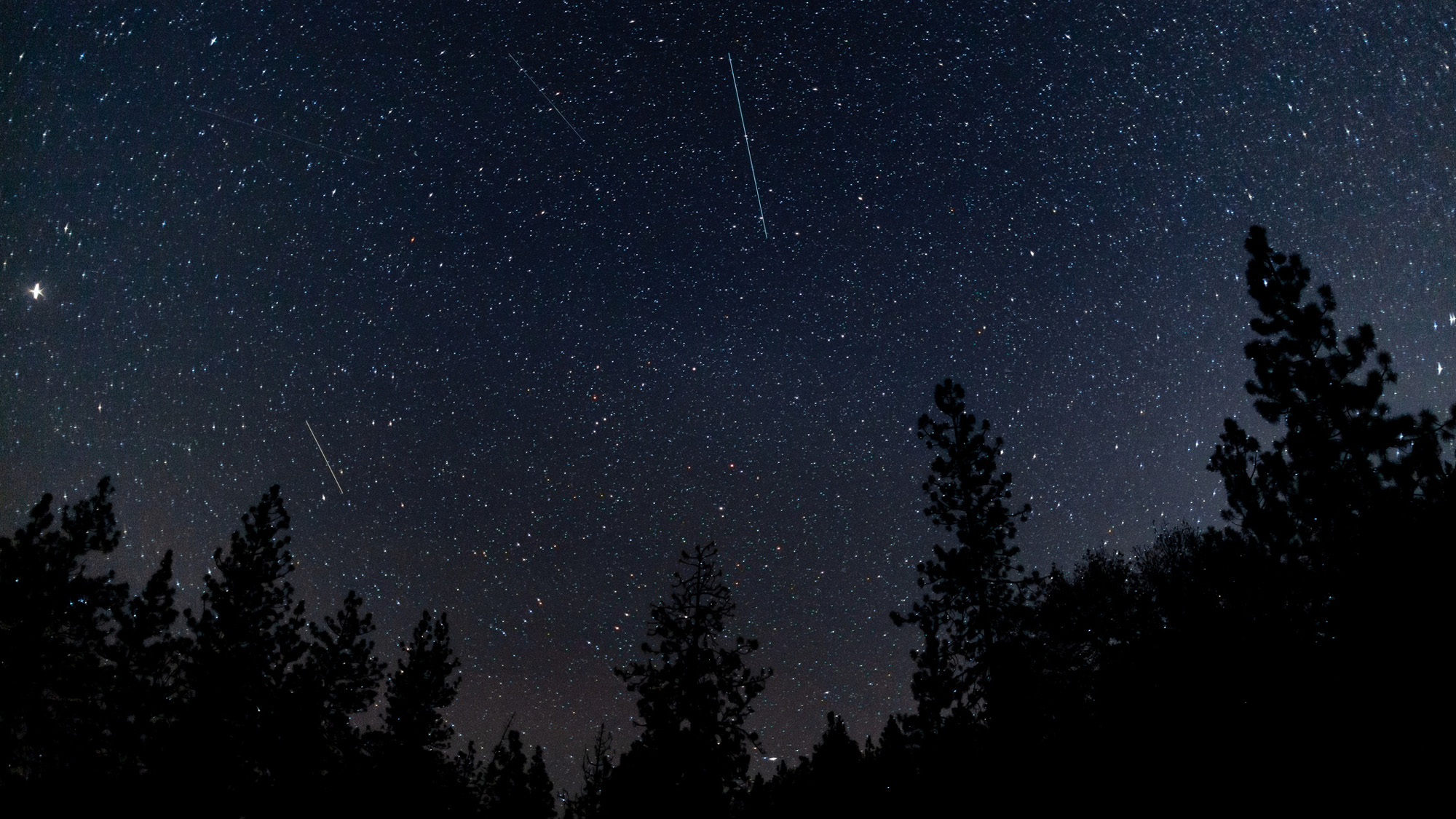
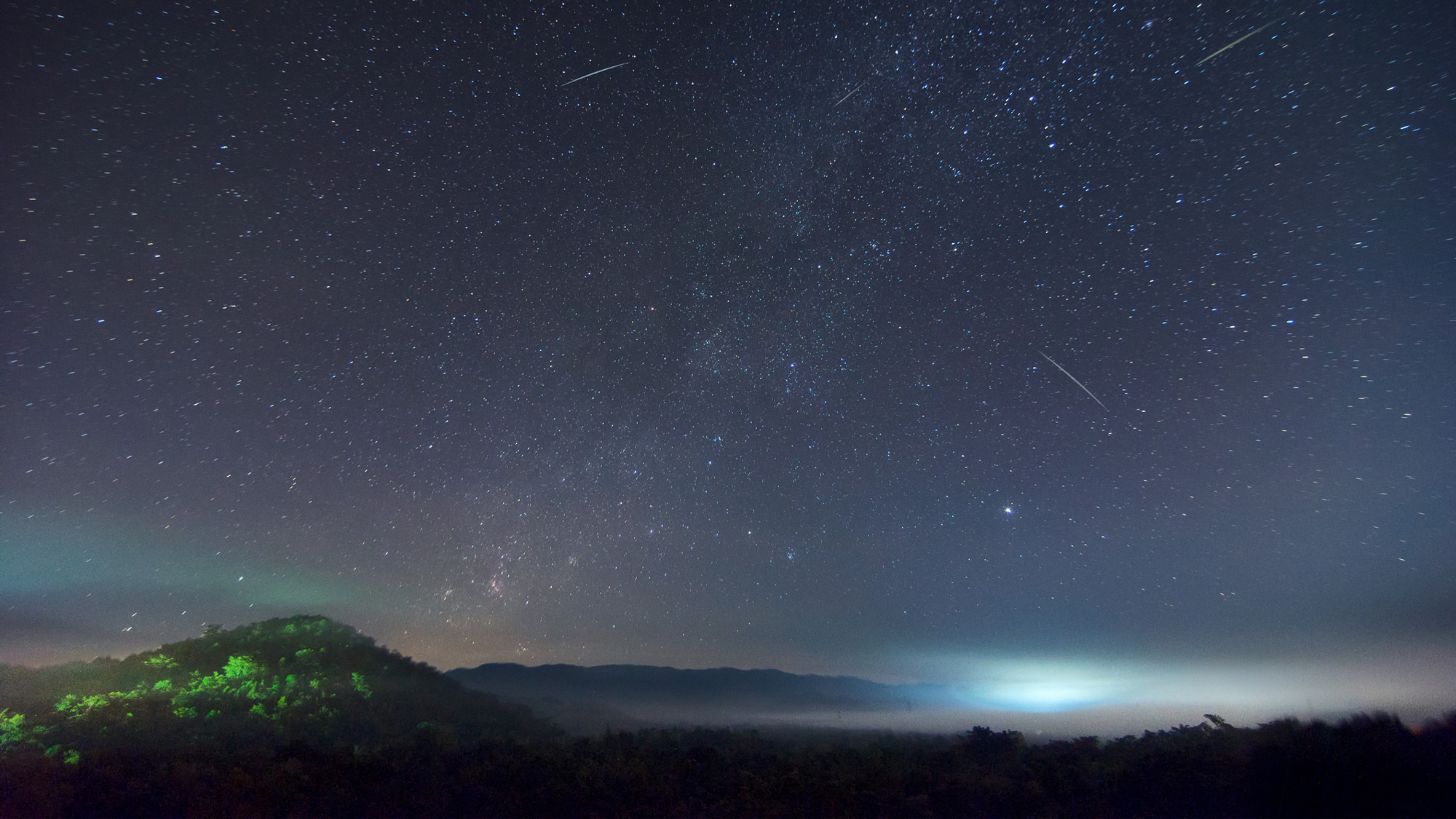
Autumn is also the peak season for several notable meteor showers, each resulting from Earth’s passage through the orbital debris of various comets. The Draconids, active between October 6 and 10, offer a rare advantage for observers: they are best viewed in the late evening, rather than the early morning hours typical of other showers. With a peak expected on the night of October 8-9, and minimal interference from the moon, this shower presents a favorable opportunity for those who prioritize sleep hygiene over the traditional "all-nighter" approach to stargazing.
The Orionids, associated with the famous Halley’s Comet, follow shortly after, with activity spanning from October 2 to November 7. The peak occurs on the night of October 21-22. While the waxing gibbous moon may introduce some light pollution, the setting of the moon in the early morning hours provides a dark window of opportunity before dawn for observers to witness 10 to 20 meteors per hour.
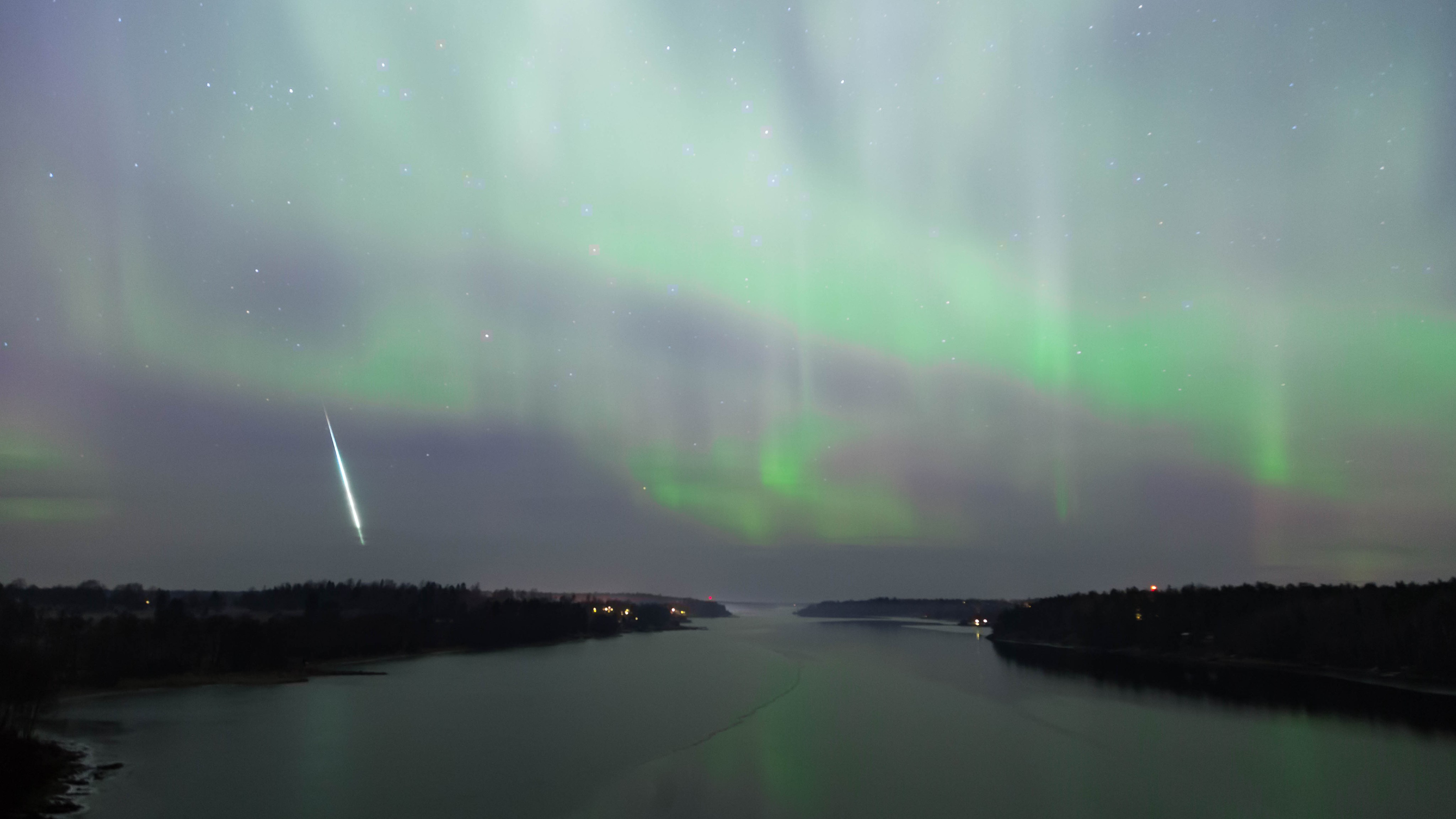
Later in the season, the Taurid meteor showers—divided into Southern and Northern components—peak in early to mid-November. While the frequency of these meteors is lower than that of the Orionids, the Taurids are scientifically recognized for their tendency to produce "fireballs," or exceptionally bright, slow-moving meteors. This makes them a primary target for astrophotographers seeking to capture long-exposure shots of the night sky. Finally, the Leonids, which peak on the night of November 17-18, offer a consistent performance of 10 to 15 meteors per hour, radiating from the constellation Leo.
Deep-Sky Objects: Clusters and Galaxies
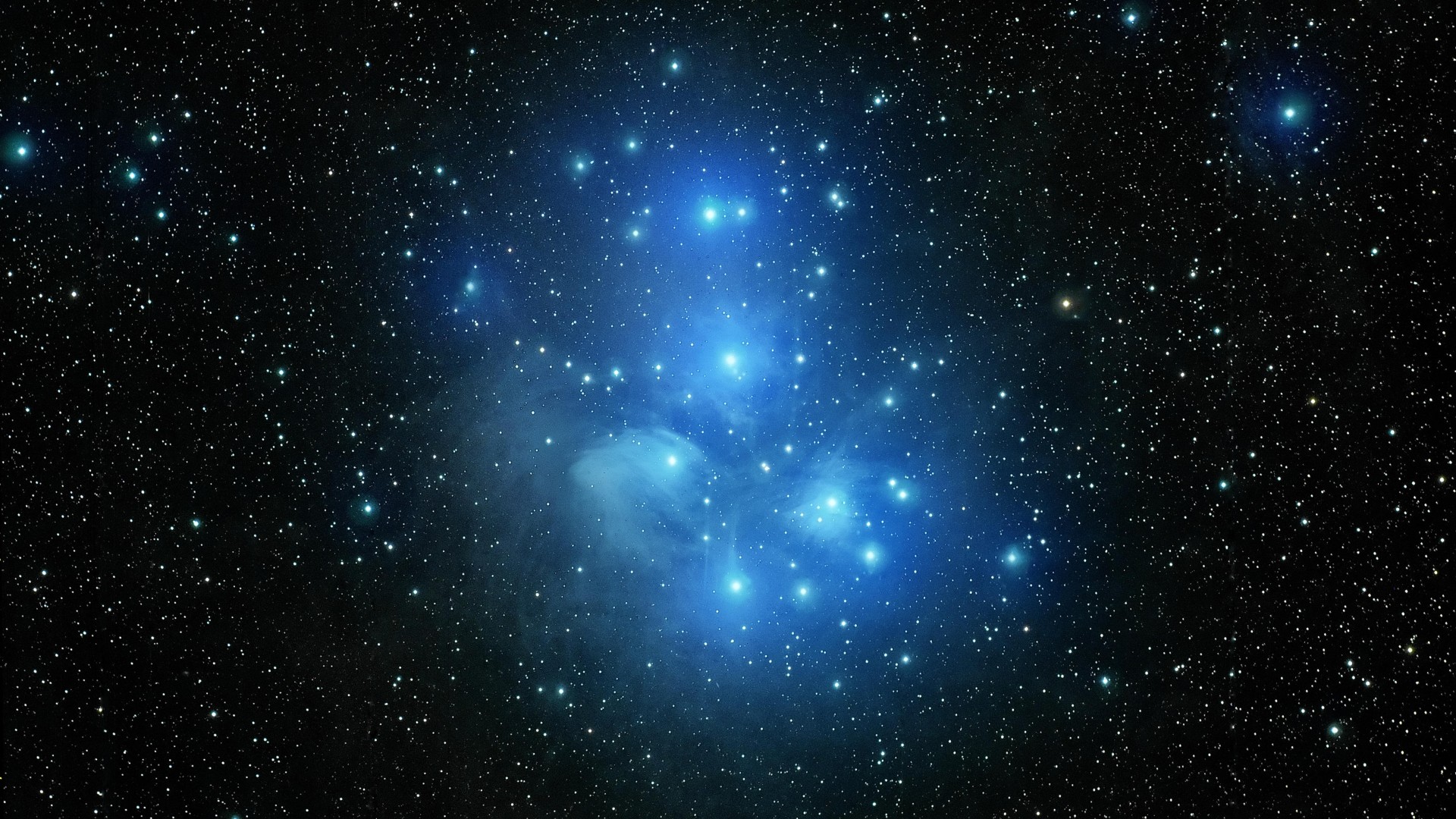
The autumn sky is particularly rich in deep-sky objects, many of which are visible from the northern hemisphere. The Pleiades (M45), an iconic open star cluster in the constellation Taurus, begins its return to the evening sky in October. This cluster, situated approximately 440 light-years away, is a classic target for binoculars and small telescopes. Analysis of the Pleiades’ movement and its association with the surrounding blue nebulosity—the result of interstellar dust reflecting starlight—highlights the dynamic nature of our local galactic neighborhood.
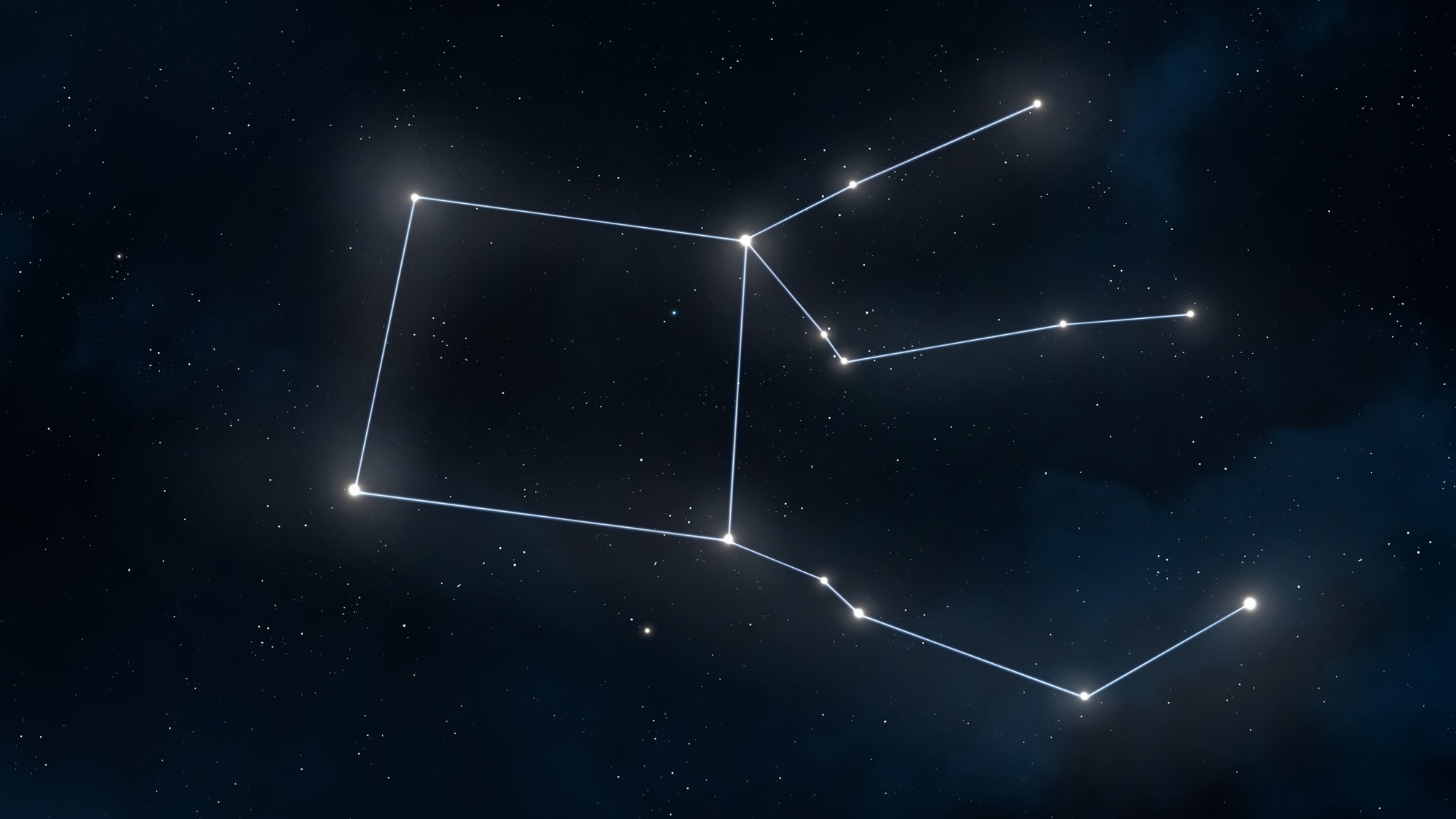
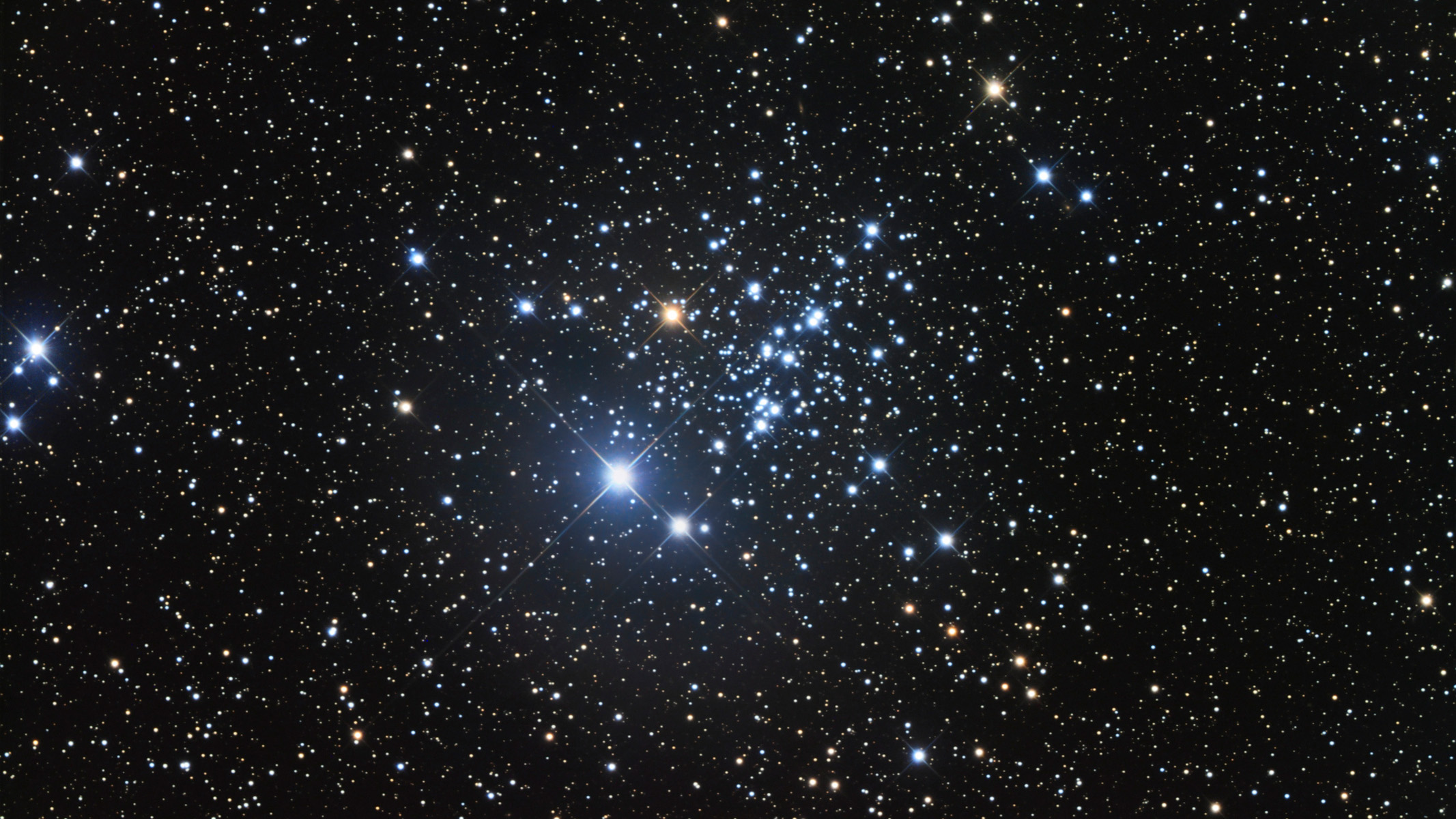
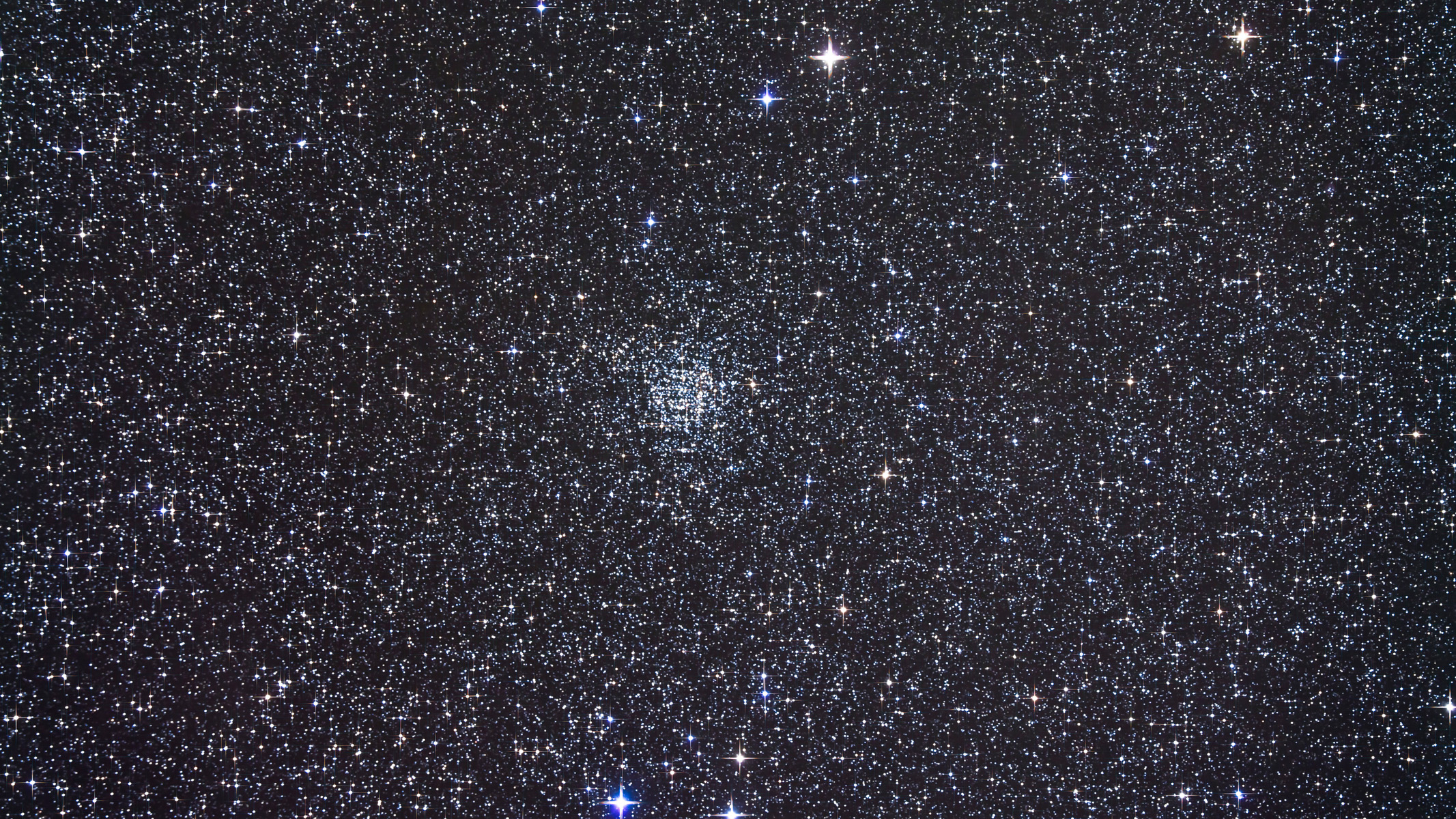
Simultaneously, the constellation Cassiopeia becomes a focal point for deep-sky observation. Known for its distinct "W" shape, this circumpolar constellation houses several notable objects, including the Owl Cluster (NGC 457) and Caroline’s Rose (NGC 7789). These clusters are products of massive star-forming regions, and their age, estimated in the billions of years, provides a timeline for the evolution of star populations within the Milky Way.
The Andromeda Galaxy (M31), the nearest major galaxy to our own, reaches its highest point in the sky between 7 pm and 11 pm throughout October and November. As a spiral galaxy situated 2.5 million light-years away, Andromeda is a critical subject for cosmological research. Current astrophysical models, supported by data from the Hubble Space Telescope, suggest that Andromeda and the Milky Way are on a collision course, a process expected to unfold over the next several billion years. Observing Andromeda today offers a glimpse into the structure of galactic formation and the scale of the local group.
Implications for Astrophotography and Instrumentation
The rise of smart telescope technology has significantly altered the landscape of amateur astronomy. Devices that utilize automated plate solving and internal image stacking allow users to capture high-detail images of nebulae and galaxies that were previously the exclusive domain of professional observatories. For targets such as the Triangulum Galaxy (M33) or the Heart and Soul Nebula complex, these technologies enable the accumulation of long-exposure data—often spanning several hours—which is essential for revealing faint gas structures and star-forming regions.
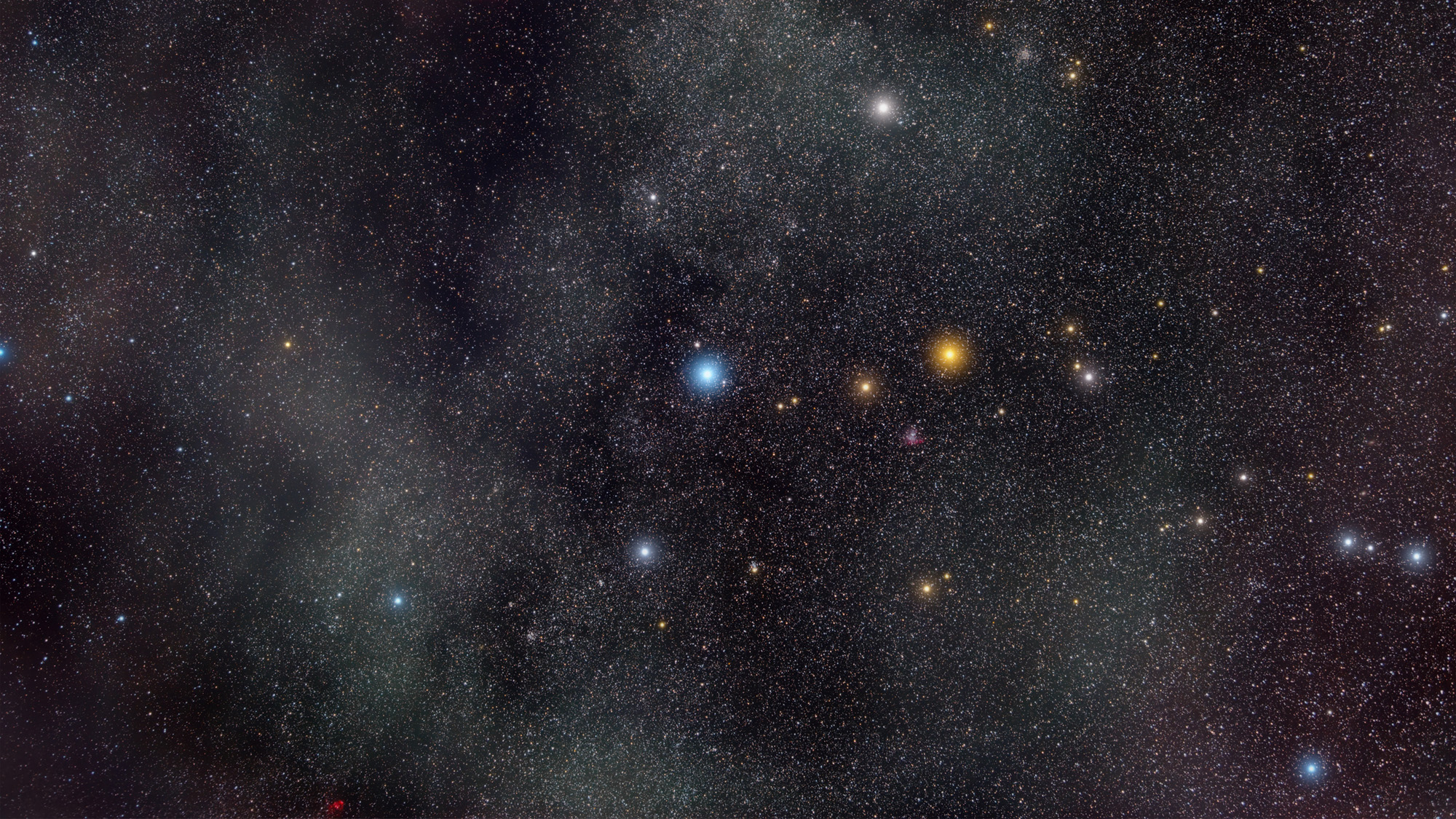
Professional astronomers emphasize that the quality of these observations is highly dependent on light pollution management. The transition to autumn, while providing clearer skies, also requires careful planning around lunar cycles. The impact of moonlight on long-exposure imaging is significant, as it can wash out the delicate emission lines of hydrogen and oxygen gases in nebulae. Therefore, the strategic use of narrowband filters and scheduling sessions during the new moon period remains a standard recommendation for those aiming for professional-grade results.
Broader Context and Scientific Engagement
The increased interest in autumn stargazing reflects a broader trend in public scientific engagement. Amateur astronomy provides a practical application for physics and mathematics, fostering a deeper understanding of orbital mechanics and celestial navigation. Organizations such as the American Astronomical Society (AAS) and various local astronomy clubs often coordinate public outreach events during these peak seasons, aiming to bridge the gap between abstract space science and the tactile experience of observing the heavens.
The accessibility of this season’s events—ranging from the naked-eye visibility of the supermoon to the complex imaging of the Helix Nebula—underscores the importance of maintaining dark-sky preserves. As urban light pollution continues to increase globally, the efforts of advocacy groups to protect dark-sky corridors become ever more critical for the continued observation of these astronomical events. For the average observer, the autumn of 2024 offers an unprecedented opportunity to engage with the cosmos, providing not only a source of aesthetic wonder but also a direct connection to the ongoing scientific study of our universe.