The consumption of seasonal, fruit-based desserts remains a cornerstone of North American culinary tradition, with apple-based preparations seeing a significant surge in popularity during the autumnal equinox and subsequent harvest months. Among the myriad of recipes circulating in digital archives, the rustic apple crisp—a dish characterized by a macerated fruit base topped with a structural, flour-and-oat-based crumble—has emerged as a preferred staple for home cooks. This article examines the origins, preparation methodologies, and cultural significance of the classic apple crisp, a dish that balances agricultural seasonality with home-kitchen efficiency.
Culinary Origins and the Evolution of the Crisp
The apple crisp is a direct descendant of the fruit cobbler and the brown betty, two desserts that gained prominence in the United States and Canada during the mid-20th century. While the apple pie is often cited as a definitive American dessert, the crisp gained favor during the Great Depression and the rationing periods of the 1940s, primarily because it required significantly less fat and sugar than traditional pastry-crusted pies. By utilizing oats—a readily available, shelf-stable grain—home cooks were able to create a textural contrast that mimicked the richness of a crust without the technical difficulty of rolling out dough.
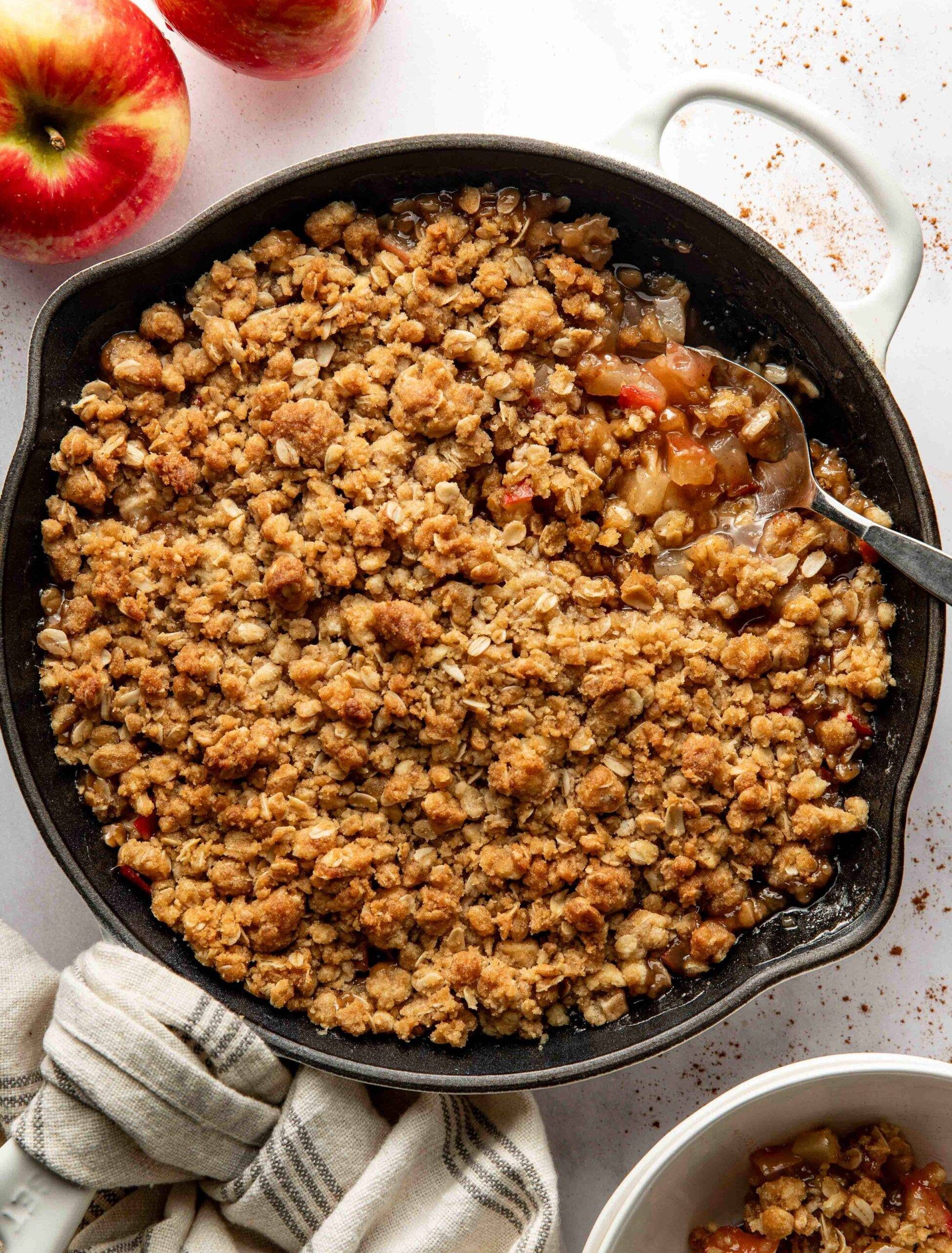
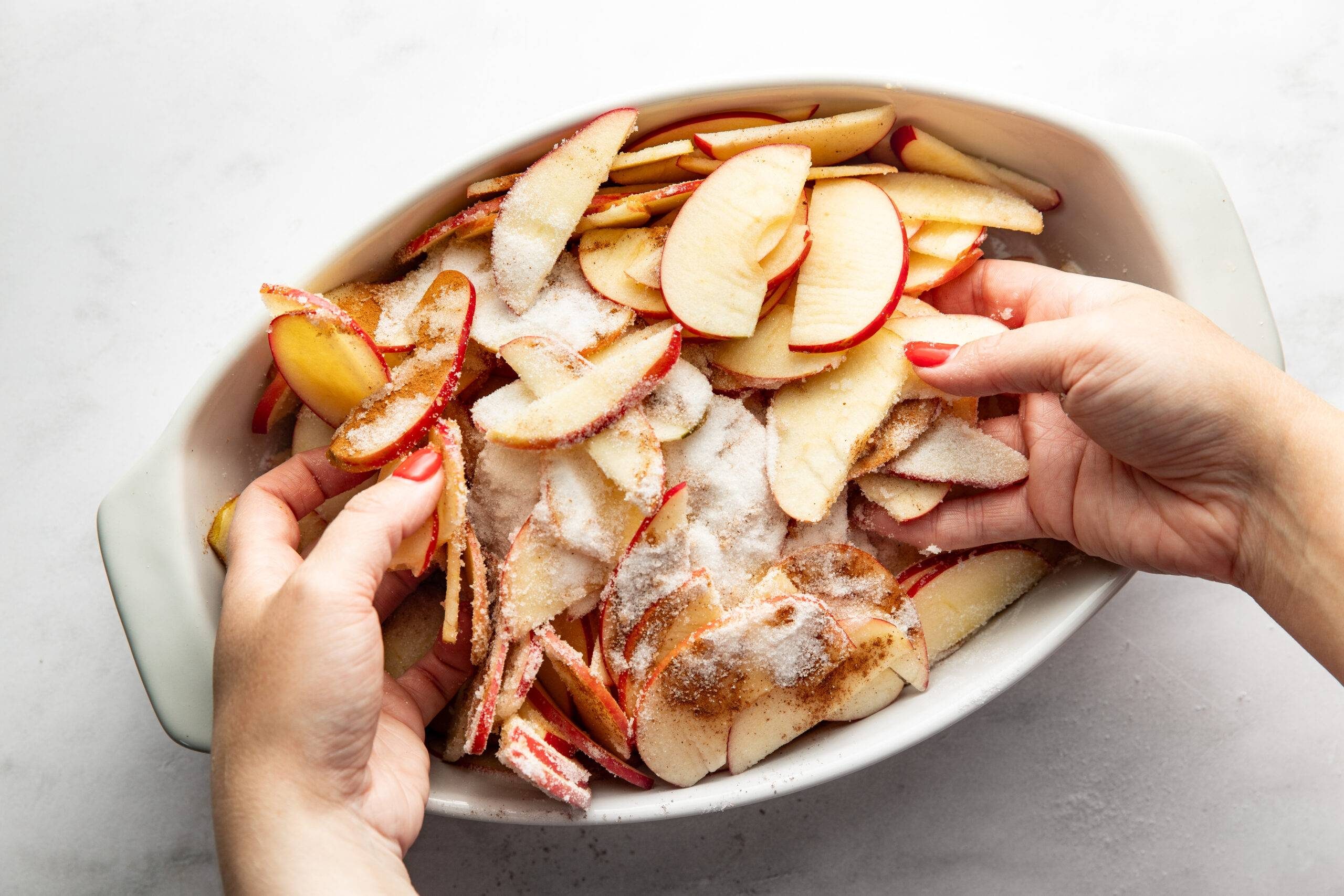
Modern iterations of the dish, such as the one favored by culinary creators like Lindsay Ostrom, emphasize a "jammy" consistency for the fruit layer, achieved through precise maceration of the apples. This process involves coating the sliced fruit in sugar, cinnamon, and a small amount of thickening agent, such as flour, to stabilize the juices released during the baking process.

The Science of the Perfect Crisp
The success of a professional-grade apple crisp relies on the structural integrity of the topping versus the viscosity of the fruit base. Data from culinary science suggests that the ideal ratio for a fruit-to-topping distribution is approximately 2:1. When this ratio is maintained, the heat distribution within the oven allows the sugars in the fruit to caramelize while the butter in the crumble layer undergoes a Maillard reaction, producing the characteristic golden-brown aesthetic and toasted flavor profile.
According to agricultural data, the choice of apple variety is a primary factor in the final result. Honeycrisp apples, noted for their high acidity and firm cell structure, are frequently recommended by chefs because they retain their shape during the high-heat baking process, preventing the dish from becoming overly mushy or "saucy."
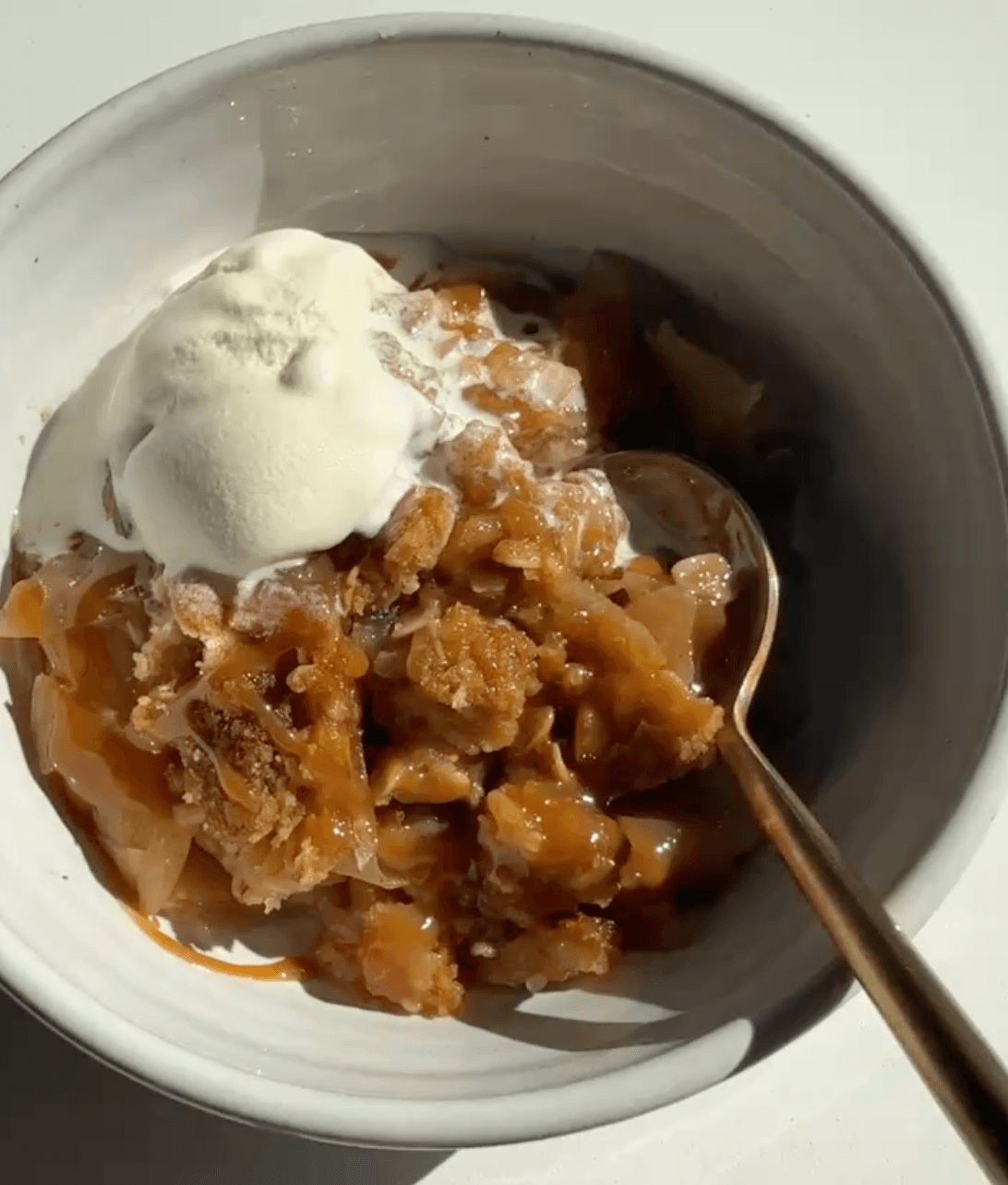
Chronology of Preparation: A Standardized Workflow
The professional preparation of an apple crisp can be distilled into four distinct phases, ensuring consistency and flavor development:
- Fruit Preparation: Apples are sliced at a uniform thickness (typically 1/4 inch) to ensure even heat penetration. The inclusion of the peel is a debated topic, but current culinary standards suggest that thin peels, if washed thoroughly, provide additional pectin and fiber without compromising the texture of the dish.
- Maceration: The sliced fruit is combined with a blend of granulated sugar, cinnamon, and a binding agent. Allowing this mixture to sit for 15–20 minutes prior to baking encourages the natural juices to release, creating a syrup that permeates the bottom of the dish.
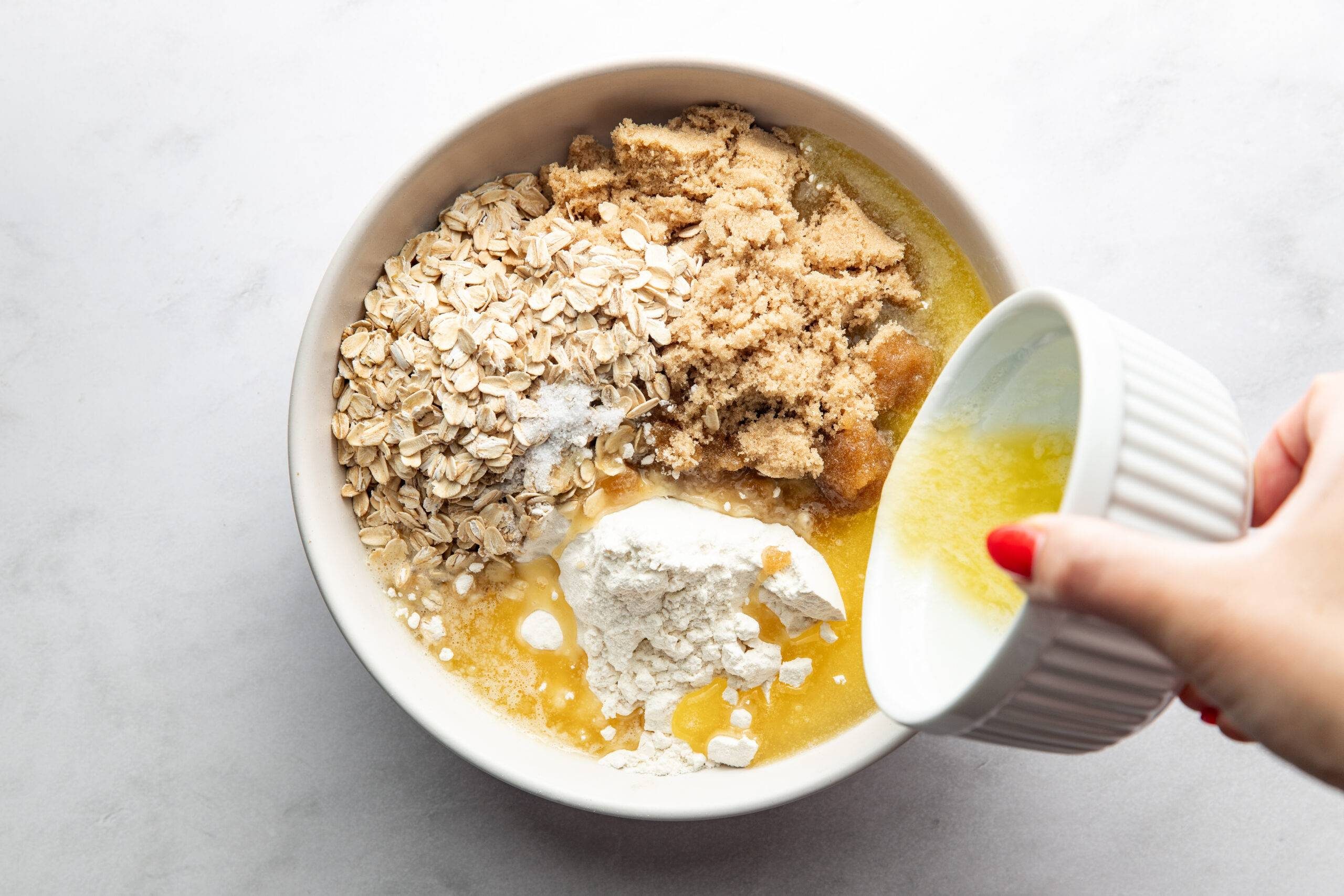
- Crumble Integration: The topping, consisting of oats, brown sugar, butter, and flour, must be integrated manually. Using fingers to rub the butter into the dry ingredients ensures a mix of small and large crumbles, which creates a multifaceted texture—some parts soft and buttery, others crisp and caramelized.
- Thermal Processing: The dish is baked at 350°F to 375°F (175°C to 190°C). The transition from a raw, disparate assembly to a cohesive, bubbling dessert typically takes between 40 and 50 minutes.
Cultural and Economic Impact of Seasonal Baking
The rise of the "cozy" food trend, which gained massive traction in the early 2020s, has revitalized interest in traditional, home-baked goods. Market analysis of the baking supply sector shows that during the months of September and October, sales of baking spices, oats, and seasonal apples increase by approximately 22% year-over-year.

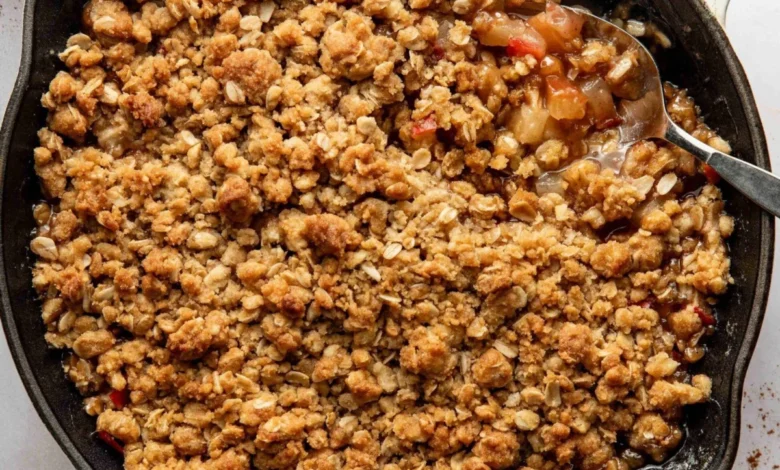
This trend reflects a broader consumer shift toward "slow living"—a lifestyle movement that prioritizes the preparation of food from raw, local ingredients as a means of reducing stress and fostering community connection. The apple crisp, being a forgiving and scalable recipe, fits perfectly into this movement. Unlike delicate pastries, the crisp does not require professional training or specialized equipment; it can be prepared in a standard glass baking dish or a cast-iron skillet, the latter of which provides superior heat retention and a rustic aesthetic that has become highly desirable in food photography and media.
Expert Perspectives on Culinary Simplification
Renowned pastry chefs and home-cooking advocates frequently note that the longevity of the apple crisp as a household favorite is due to its "unpretentious nature." By removing the barriers to entry found in more technical desserts, such as the need for precise temperature control or delicate handling of dough, the apple crisp serves as an entry point for novice bakers.
Furthermore, nutritionists have pointed out that the dish allows for a degree of nutrient retention. Because the fruit is not subjected to the intense, dry heat required for a deep-dish pie crust, the cellular breakdown of the apples is minimized, preserving more of the fruit’s natural flavor and micronutrient content. The use of whole-grain oats in the topping adds a layer of dietary fiber, which, while not negating the sugar content, contributes to a more balanced nutritional profile than refined-flour alternatives.
Future Implications and Recipe Sustainability
As supply chain transparency becomes more important to the modern consumer, the reliance on local orchard-grown apples for such recipes is likely to continue. The environmental impact of sourcing regional produce for seasonal baking is significantly lower than that of importing ingredients for more exotic, year-round desserts. Consequently, the apple crisp is not only a cultural icon of the autumn season but also a model for sustainable home cooking.
In conclusion, the enduring popularity of the apple crisp is a testament to the effectiveness of simple, high-quality ingredients combined with basic thermal techniques. Whether served at a dinner party or as a solitary comfort food, its capacity to bridge the gap between historical necessity and modern culinary enjoyment remains unparalleled. As the autumn season approaches, home cooks across the country are expected to continue this tradition, reinforcing the status of the apple crisp as an essential, timeless component of the North American kitchen. Future developments in this culinary space will likely focus on even simpler preparation methods, such as one-pot stove-top versions, further cementing the dish’s place in the pantheon of comfort food.