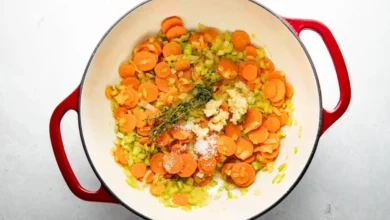
The global culinary landscape has long leaned on humble pantry staples during economic shifts and changing seasonal climates, but few ingredients possess the transformative versatility of canned legumes. As home cooks and professional chefs alike navigate the challenges of rising food costs and the perennial quest for maximum nutritional value without sacrificing flavor, a surprisingly simple culinary hack has emerged from everyday home kitchens: the integration of canned white beans into traditional potato soup. This unassuming addition—often overlooked in favor of heavy creams, processed thickeners, or expensive artisanal broths—represents a confluence of modern nutritional science, culinary efficiency, and budget-friendly gastronomy that is reshaping how comfort food is prepared across households worldwide.
Main Facts and Nutritional Synergy
At its core, traditional potato soup is celebrated for its warm, velvety comfort, yet it frequently faces nutritional critique for its high glycemic index and reliance on saturated fats like heavy cream, butter, and bacon fat to achieve a satisfying mouthfeel. By introducing drained and rinsed canned white beans—such as cannellini, great northern, or navy beans—into the simmering broth, cooks are able to fundamentally alter the nutritional profile of the dish while simultaneously enhancing its texture.
From a biochemical perspective, potatoes are rich in carbohydrates and vitamin C, but they lack significant quantities of dietary fiber and complete plant-based proteins. White beans, conversely, are recognized by nutritional epidemiologists and dietary guidelines as powerhouse sources of soluble and insoluble fiber, complex carbohydrates, iron, magnesium, and potassium. When combined, potatoes and white beans create a synergistic potassium powerhouse that supports cardiovascular health and electrolyte balance. Furthermore, the mild, nutty flavor profile of white beans integrates seamlessly with the earthy starchiness of potatoes without overpowering the delicate aromatics of onions, garlic, and herbs that typically form the foundation of a classic soup.
The Evolution of Soup Thickening Techniques
The method of utilizing legumes to add body and viscosity to broths is not a modern invention; rather, it is a revival of ancient culinary traditions found across the Mediterranean, North Africa, and the Andean highlands. Historically, home cooks relied on prolonged simmering, stale bread, or crushed grains to thicken liquid dishes. As commercial canning operations expanded throughout the late 19th and 20th centuries, canned legumes became a staple of industrial and domestic pantries, prized primarily for their shelf-life and convenience rather than their ability to act as a culinary medium for texture enhancement.

In recent decades, however, professional gastronomy has embraced the science of puréeing beans to achieve dairy-free creaminess. Chefs seeking to accommodate rising rates of lactose intolerance, dairy allergies, and plant-based dietary preferences discovered that starchy legumes, when emulsified with cooking liquid and fats, mimic the silky mouthfeel of heavy cream. The application of this technique to potato soup represents a chronological evolution from heavy, dairy-laden winter comfort foods toward lighter, more nutrient-dense, yet deeply satiating meals that reflect contemporary health-conscious eating habits without sacrificing traditional sensory appeal.
Economic and Practical Implications
The resurgence of canned white beans as a premier soup enhancer aligns with broader economic trends characterized by persistent food inflation and constrained household budgets. According to retail food pricing data, canned beans remain one of the most cost-effective sources of protein and fiber available on supermarket shelves, typically costing a fraction of the price of dairy cream, specialized thickeners, or extra cuts of meat.
Culinary experts note that the logistical ease of using canned beans—requiring only a basic rinse under cold water to remove excess sodium and starches before being tossed directly into the stockpot—appeals to time-pressed consumers. Unlike dried beans, which demand hours of soaking and simmering, canned varieties offer immediate gratification. This low barrier to entry has democratized advanced culinary texture-building, allowing novice home cooks to achieve restaurant-quality viscosity and depth of flavor with minimal preparation time and financial investment.
Culinary Methodology and Flavor Profiles
Elevating a standard batch of potato soup with white beans involves precise integration techniques. Culinary professionals recommend adding the rinsed beans during the final stages of the vegetable simmering phase, allowing them to absorb the aromatic broth before the mixture is blended. For cooks preferring a rustic texture, half of the beans can be left whole while the remainder is puréed with the potatoes, creating a delightful interplay between smooth broth and tender bites.
To build upon this white bean and potato foundation, culinary innovators suggest incorporating complementary root vegetables. Parsnips can be added to maintain a light, monochromatic aesthetic and velvety consistency, while carrots introduce a vibrant chromatic contrast of orange or yellow alongside additional beta-carotene and natural sweetness. Fat selection also plays a critical role in the final dish. Sweating the initial aromatic vegetables in grass-fed Irish butter imparts a rich, golden hue and a complex, buttery undertone that elevates the rustic nature of the soup. Alternatively, finishing the dish with a drizzle of cold-pressed extra virgin olive oil or a spoonful of spicy chili crisp provides a modern textural and thermal contrast that cuts through the starchiness of the potatoes and beans.

Broader Gastronomic Impact and Pairing Strategies
The versatility of potato and white bean soup extends beyond the pot, influencing how meals are structured and served. The introduction of beans transforms a traditional side dish or light starter into a substantive, macro-nutrient-balanced main course. To complement the dense, velvety texture of the soup, food stylists and chefs recommend incorporating contrasting elements, such as crunchy toppings. Options ranging from crushed crispy onions and traditional croutons to toasted brioche or homemade cornbread croutons provide an essential tactile dimension that prevents palate fatigue.
Furthermore, pairing the soup with classic sandwich formats—such as a toasted BLT or a savory chopped beef sandwich—creates a balanced dining experience that bridges casual comfort food with sophisticated bistro fare. For a lighter touch, a crisp, acidic side salad dressed in a sharp vinaigrette offers a refreshing palate cleanser that balances the earthy, starchy richness of the soup.
Future Outlook of Pantry-Driven Innovation
As global food systems face ongoing scrutiny regarding sustainability, food waste, and nutritional access, the reliance on versatile, shelf-stable pantry ingredients like canned beans is projected to grow. Nutritional scientists emphasize that incorporating plant-based proteins into staple carbohydrate dishes is an effective, accessible strategy for improving public health outcomes without requiring drastic dietary overhauls.
Ultimately, the integration of canned white beans into potato soup transcends a mere kitchen trend; it exemplifies a practical intersection of frugality, nutrition, and culinary science. By reimagining standard pantry inventory, home cooks and culinary professionals alike continue to demonstrate that the most profound kitchen upgrades often stem from the simplest, most
affordable ingredients available.