The landscape of American distillation spans over two and a half centuries of cultural evolution, agricultural innovation, and shifting legislative frameworks. While bourbon whiskey frequently dominates contemporary discussions regarding domestic spirits, the broader American liquor canon encompasses a diverse array of categories—ranging from historic apple brandies and column-still grain alcohols to regional oddities and post-Prohibition craft gins. Becoming an icon within the United States beverage market does not necessarily correlate with elite critical consensus or high retail pricing. Instead, longevity, cultural footprint, distinctive packaging, and foundational impacts on cocktail history often cement a brand’s legacy. Examining these benchmark bottles reveals the historical trajectories, manufacturing techniques, and market forces that have shaped the American drinking experience.
The Evolution of Kentucky Bourbon and Tennessee Whiskey
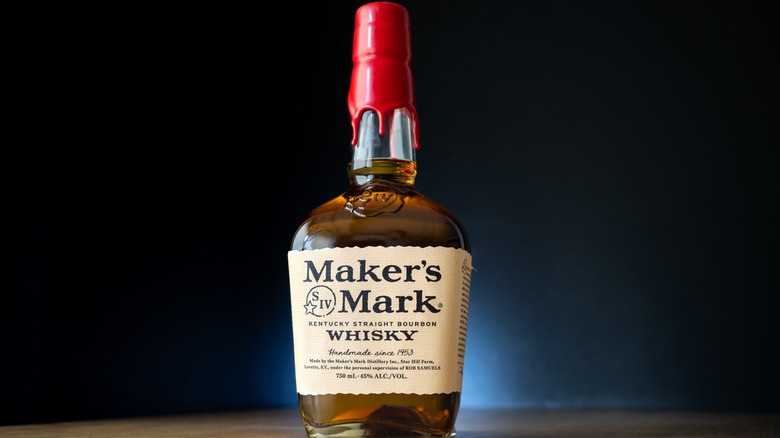
Bourbon remains the quintessential American spirit, defined by strict legal parameters that require a mash bill of at least 51 percent corn, aging in new charred oak containers, and distillation to no more than 160 proof. Within this category, Maker’s Mark Kentucky Straight Bourbon Whisky established a distinct path following its development by Bill Samuels Sr. in the mid-20th century. Departing from traditional recipes that utilized rye as the flavoring grain, Samuels opted for red winter wheat, yielding a softer, more approachable flavor profile designed to appeal to broader consumer palates. The brand’s visual identity—featuring its iconic hand-dipped red wax seal and distinct bottle geometry—was conceived by Margie Samuels, who became the first woman involved with a distillery to be inducted into the Kentucky Bourbon Hall of Fame.
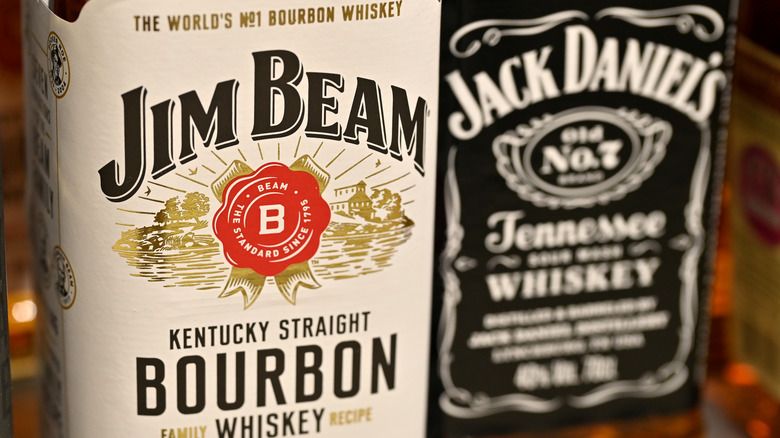
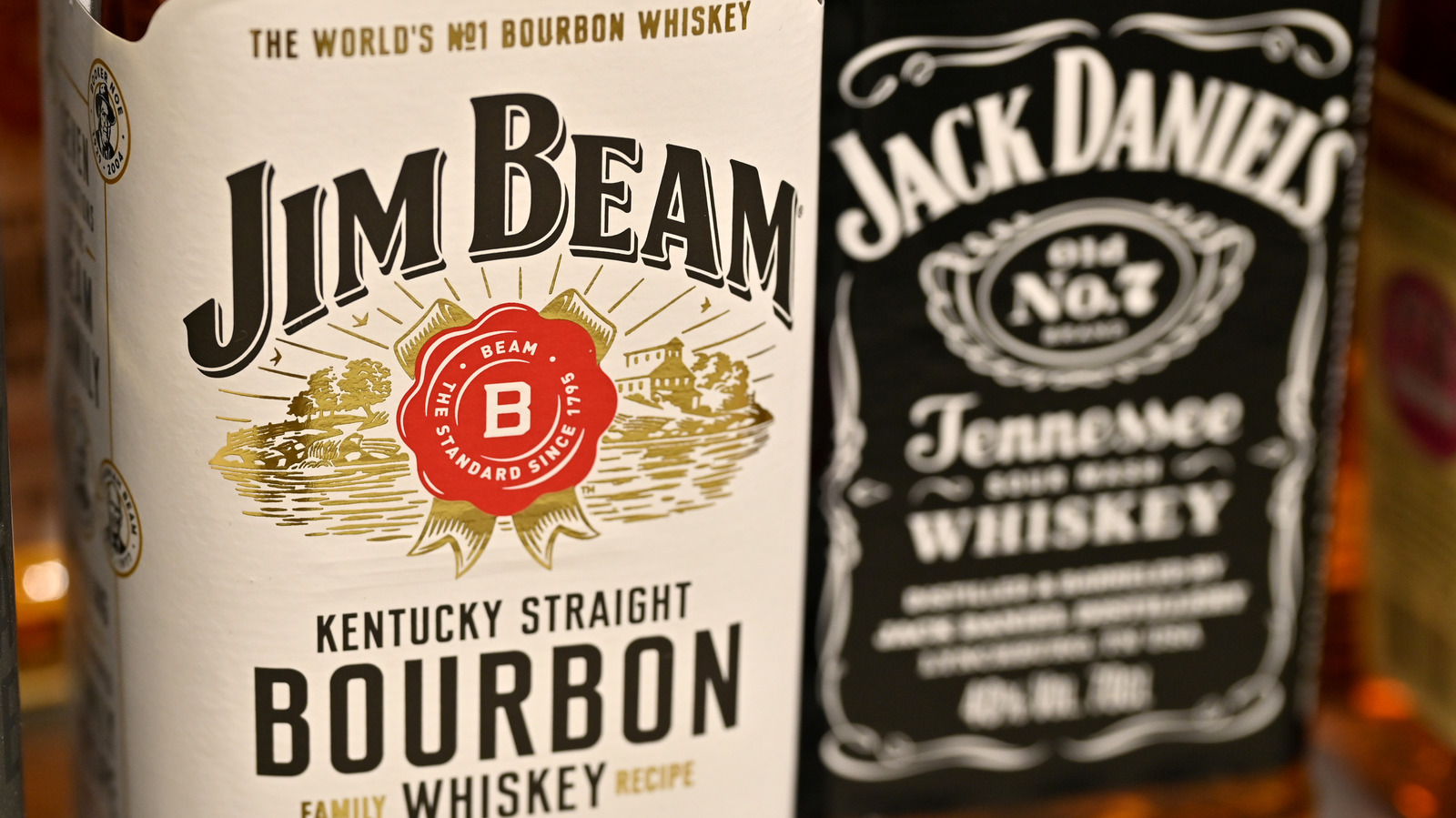
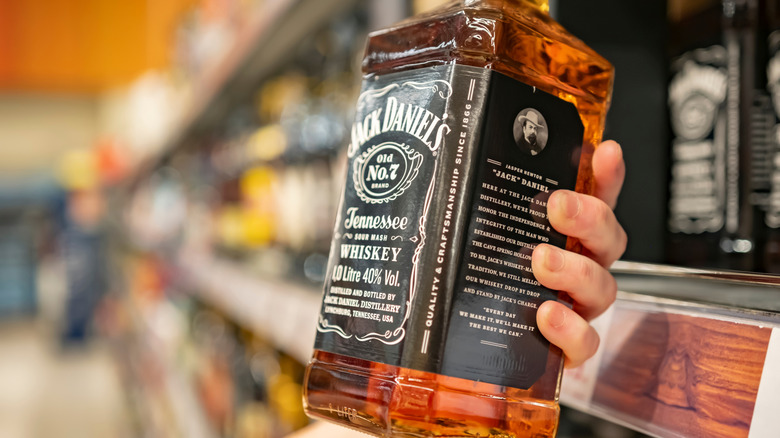
Complementing the bourbon tradition is Tennessee whiskey, best exemplified by Jack Daniel’s Old No. 7. Produced in Lynchburg, Tennessee, the distillery utilizes the Lincoln County Process, wherein newly distilled spirit is filtered through maple charcoal prior to aging. Although the exact origin of the "Old No. 7" designation remains a subject of debate among historians, the black-and-white-labeled square bottle has achieved global recognition since securing a gold medal at the 1904 St. Louis World’s Fair.
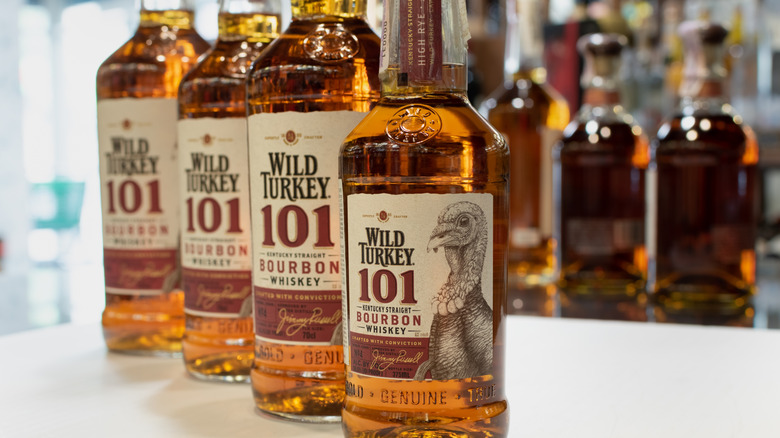
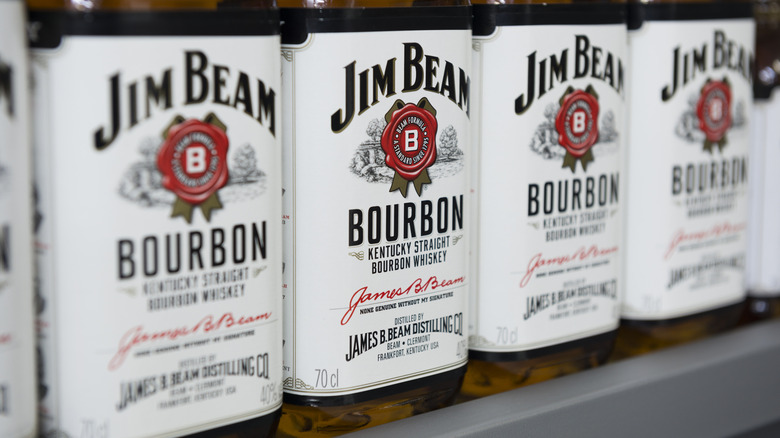
Simultaneously, mass-market mainstays like Jim Beam trace their lineage to Jacob Beam’s 18th-century corn farming operations in Kentucky. Operating continuously before and after the Prohibition era—save for the forced closure that prompted a temporary name change to Old Tub—the brand remains anchored by the Beam family lineage, with Freddie Noe serving as master distiller. Similarly, Wild Turkey 101 Kentucky Straight Bourbon Whiskey maintains a steadfast commitment to high-proof tradition, preserving a consistent production process for over six decades that emphasizes a robust 101-proof bottling standard.
Buffalo Trace Distillery occupies a unique echelon within the American spirits sector. While the facility itself functions as the production source for a vast portfolio of celebrated whiskeys, its flagship Buffalo Trace Kentucky Straight Bourbon Whiskey offers consumers an accessible entry point to premium-tier aging. Featuring an emblem honoring the historic beasts that carved the ancient trails across Kentucky, the brand balances widespread market availability with traditional craftsmanship.
Rye Whiskey and Historic Distillates
Long before corn-heavy bourbons dominated production lines, rye whiskey served as a cornerstone of early American distilling. Sazerac Rye Whiskey ties directly into the cocktail culture of 19th-century New Orleans, serving as the foundational ingredient for the historic Sazerac cocktail originally popularized in the city’s saloons. Although modern distillation predominantly occurs at Buffalo Trace in Kentucky, limited bottlings continue to honor the brand’s French Quarter roots.
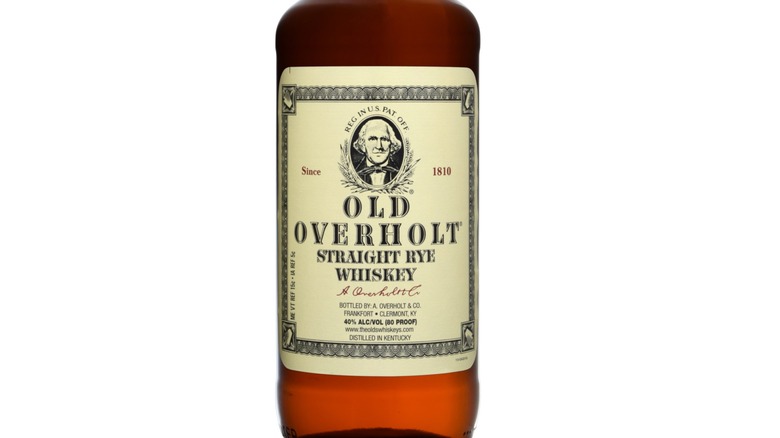
Old Overholt Straight Rye Whiskey holds the distinction of being the oldest continually produced whiskey brand in the United States, successfully navigating the turbulent years of the 18th, 19th, and 20th centuries. Favored historically by U.S. Commanders-in-Chief such as Ulysses S. Grant and John F. Kennedy, Old Overholt represents an enduring, economical option that weathered changing consumer tastes and federal regulations.
Beyond standard grains, American history is punctuated by unique regional distillates. Laird’s Applejack stands as a testament to colonial production, tracing its heritage to the American Revolutionary period and maintaining records of supplying spirits to figures like George Washington. Legally categorized as an apple brandy blended with neutral spirits, Laird’s operates as the nation’s oldest licensed distillery, preserving a distinct slice of New Jersey agricultural history.
The Rise of Neutral Spirits, Vodka, and Craft Gins
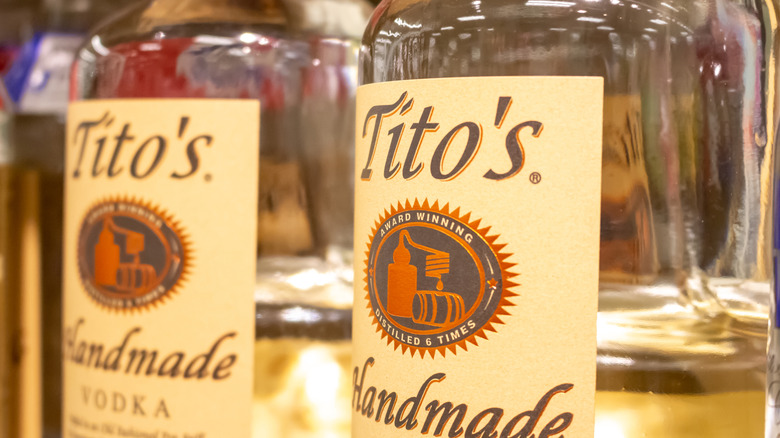
While aged dark spirits define much of U.S. distilling heritage, clear spirits have achieved massive commercial dominance in the modern era. Tito’s Handmade Vodka transformed the Texas spirits market after securing the state’s first legal distilling permit in 1995. Utilizing pot stills and a corn-based mash rather than traditional wheat or potatoes, Tito’s capitalized on surging consumer demand for domestic, small-batch craftsmanship, eventually growing into one of the top-selling liquor brands in the country.
At the opposite end of the smoothness spectrum lies Everclear, a neutral grain alcohol produced at an eye-opening 190 proof (95% ABV). Introduced in the mid-20th century, Everclear serves primarily as a foundational base for punches, liqueurs, and home infusions, alongside secondary utility as a solvent. Its strict regulation and outright bans in certain jurisdictions underscore the unique legal boundaries governing high-proof alcohol sales across individual U.S. states.
The American craft spirits movement also found its modern catalyst in San Francisco with the introduction of Junipero Gin in 1996. As the first craft gin legally distilled in the United States following the repeal of Prohibition, Junipero revived small-batch, manual distillation techniques using traditional copper pot stills, paving the way for the contemporary artisanal beverage boom.
Regional Curiosities and Liqueurs
Cultural identity frequently intersects with specific regional preferences, as demonstrated by Jeppson’s Malört. Originating in Chicago following the end of Prohibition via Swedish immigrant Carl Jeppson, this wormwood-infused botanical liqueur is renowned for its intensely bitter flavor profile. Despite eliciting visceral reactions from uninitiated consumers—often referred to as the "Malört face"—the spirit has achieved cult status and enduring loyalty across the Chicago metropolitan area.
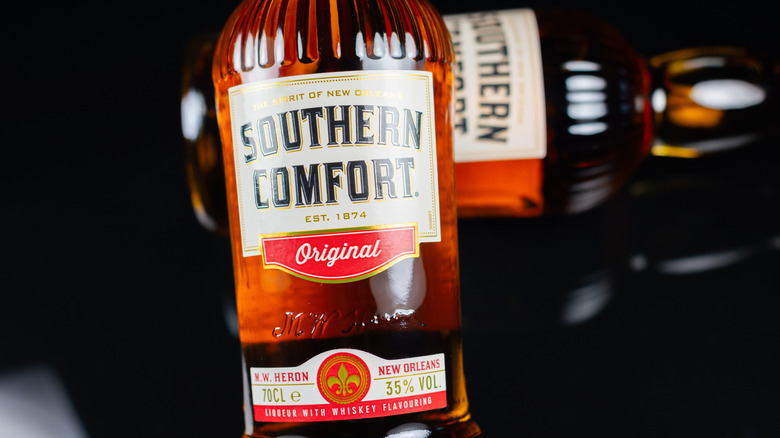
Similarly, Southern Comfort bridges the gap between whiskey and liqueur. Developed in New Orleans in the late 19th century by a bartender seeking to make harsher whiskeys more palatable through the addition of fruits and spices, SoCo secured international recognition, including a gold medal at the 1900 Paris Exposition. Embraced by cultural figures such as Janis Joplin and military units during World War II, the brand exemplifies how innovative blending and strategic marketing can secure long-term cultural resonance.
Implications and Market Outlook
The enduring popularity of these thirteen iconic spirits illustrates a broader narrative within the American beverage industry: heritage and adaptability are paramount. As consumer preferences shift between premium artisanal offerings and nostalgic legacy brands, domestic distilleries continue to balance historical integrity with modern marketing strategies. Whether driven by the strict legal definitions of Kentucky bourbon, the rebellious reputation of high-proof grain alcohol, or the deep-rooted cultural pride of regional specialties, these spirits collectively chart the historical and economic maturation of the United States.