BYD Unveils Upgraded 2027 Atto 2 (Yuan Up) Featuring Extended Range Options and Aggressive Price Reductions


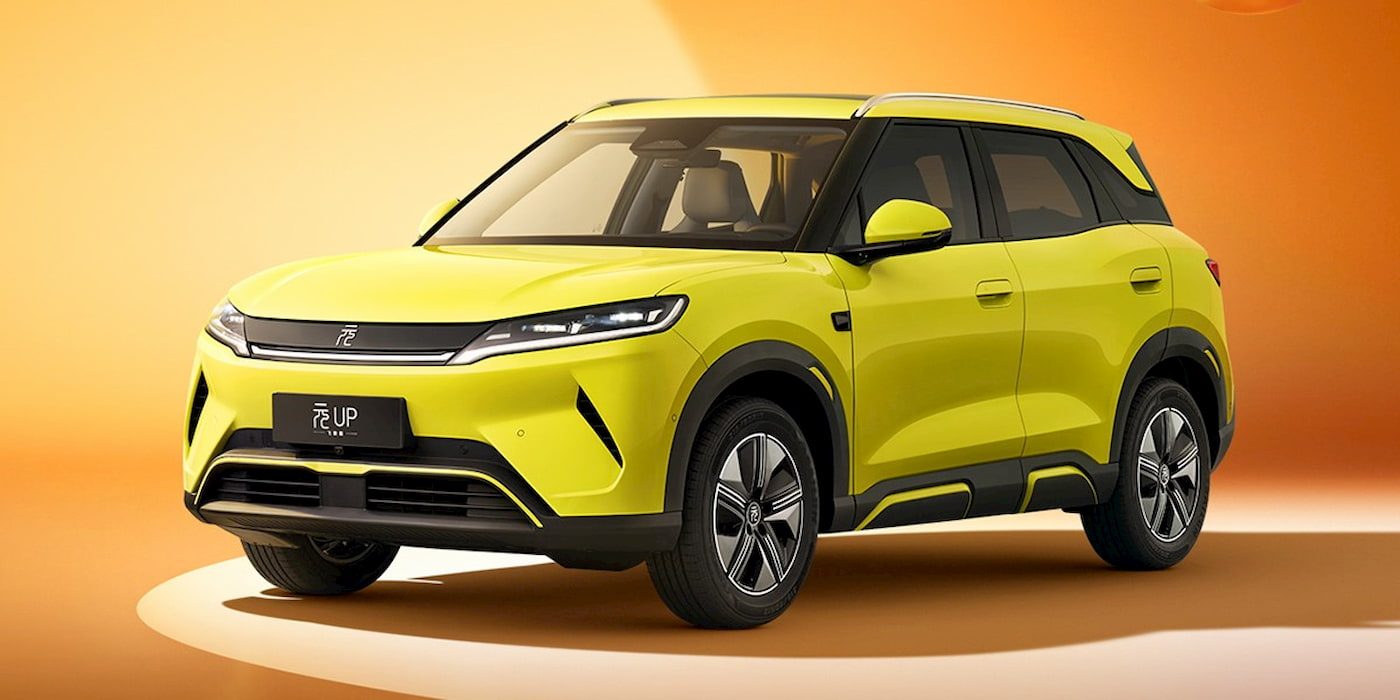
The global electric vehicle landscape continues to experience rapid evolution as manufacturers fiercely compete for dominance in the highly lucrative compact SUV segment. Leading this charge is Chinese automotive giant BYD, which has officially introduced the heavily updated 2027 iteration of its popular Yuan Up—widely recognized in European, British, and various international markets as the Atto 2. Unveiled during a domestic launch event in China, the refreshed compact electric vehicle arrives with a compelling proposition for consumers worldwide: significantly enhanced driving ranges, a redesigned interior featuring advanced technological integrations, and a lower starting price point designed to undercut fierce market competition.
Positioned strategically beneath its larger sibling, the Yuan Plus (marketed internationally as the Atto 3), the Yuan Up has steadily established itself as a juggernaut in the global green mobility sector. According to comprehensive market intelligence data compiled by CleanTechnica for the first half of the year, the BYD Yuan Up and Atto 2 composite cemented its status as the fifth best-selling electric vehicle globally. It trails only industry heavyweights such as the Tesla Model Y, Tesla Model 3, BYD’s own Song/Seal U lineup, and the Geely EX2. This remarkable sales performance underscores consumer appetite for affordable, practical, and technologically proficient electric mobility solutions, a demand that BYD aims to capitalize on further with this latest generational refresh.
Pricing Strategy and the Competitive Landscape
The newly designated 2027 BYD Atto 2, carrying the evocative "Flying Spur" edition moniker in its domestic market, rolls out across five distinct trim levels. Base pricing for the lineup ranges from 74,800 yuan to 104,800 yuan, translating roughly to $11,000 to $15,500 USD. However, in an aggressive move to stimulate immediate consumer adoption and fend off rising pressure from domestic rivals, BYD has introduced a limited-time "super replacement" trade-in subsidy. Valued at 5,000 yuan across all trims, this financial incentive effectively lowers the purchase barrier even further, bringing the real-world acquisition cost down to a bracket spanning between 69,800 yuan and 99,800 yuan, or approximately $10,000 to $14,500 USD.
This aggressive pricing structure is no accident. The compact and subcompact EV segments in China and emerging global markets have transformed into battlegrounds of attrition. BYD’s latest pricing strategy serves as a direct challenge to competing models, most notably the Geely Xingyuan—sold internationally as the EX2. By making high-volume electric mobility increasingly accessible, BYD is effectively squeezing profit margins for competitors while solidifying its own market share. Notably, while the baseline 301-kilometer variant maintains its highly competitive entry-level price, mid-tier configurations offering a 401-kilometer range see a dramatic price reduction of approximately 18,000 yuan (roughly $2,500 USD) compared to the outgoing version of the Yuan Up.
Battery Innovations and Expanded Range Variants
Performance and range anxiety have historically been primary hurdles for prospective electric vehicle buyers, particularly within the more affordable vehicle segments. To address these concerns directly, BYD has diversified the powertrain and energy storage options for the 2027 model year, ensuring that buyers can tailor their vehicle selection precisely to their daily driving requirements.
While retaining the familiar 32 kWh and 45.12 kWh battery pack options from the previous generation—which yield respective China Light-Duty Vehicle Test Cycle (CLTC) estimated ranges of 301 kilometers and 401 kilometers—BYD has introduced a brand-new, top-tier configuration. Dubbed the "Excellent" variant, this new addition incorporates a larger 51.13 kWh battery pack. This enhanced energy capacity pushes the maximum driving range of the compact SUV to an impressive 501 kilometers on a single charge under CLTC parameters.
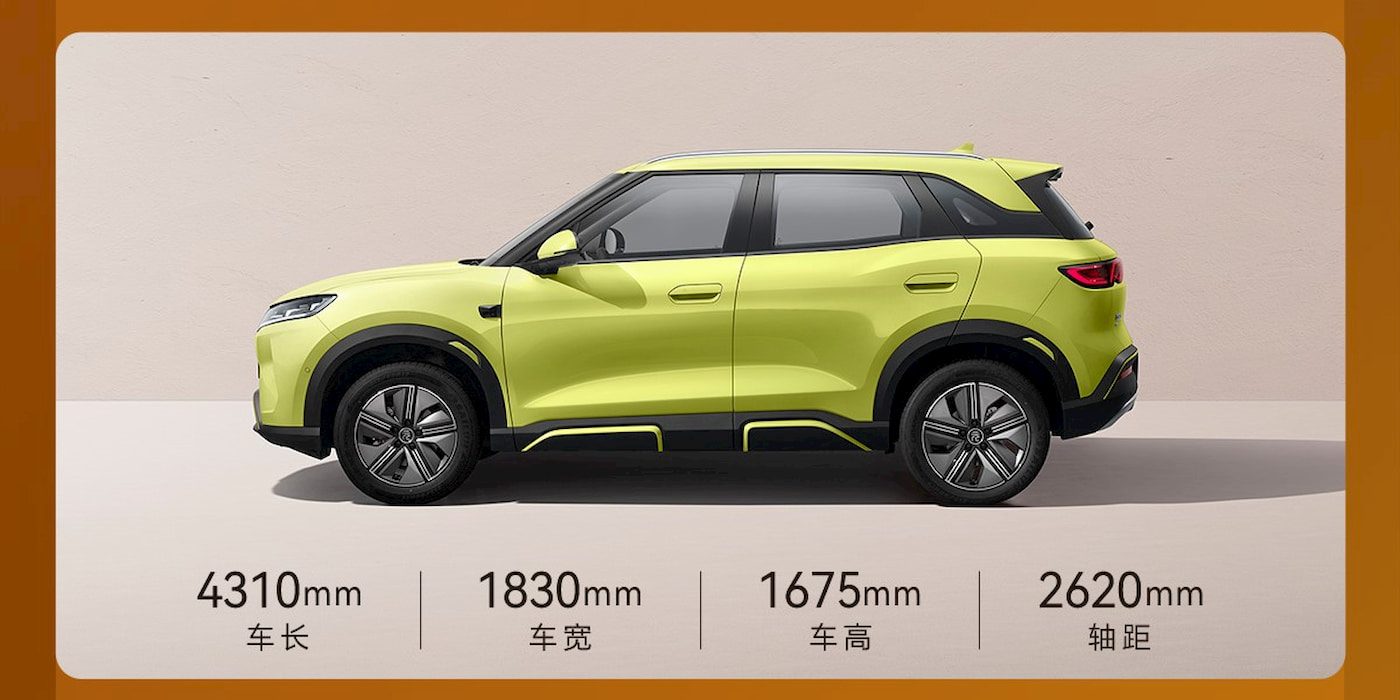
Engineers at BYD have managed these significant architectural updates without altering the fundamental physical footprint of the vehicle. Measuring 4,310 millimeters in length, 1,830 millimeters in width, and 1,675 millimeters in height, alongside a generous 2,620-millimeter wheelbase, the 2027 model preserves the exact exterior dimensions of its predecessor. To contextualize its physical proportions for international audiences, the BYD Atto 2 occupies a footprint comparable to internal combustion and electrified crossovers like the Hyundai Kona, striking an optimal balance between nimble urban maneuverability and interior passenger utility.
Interior Redesign and Smart Cockpit Integration
Stepping inside the cabin of the 2027 BYD Atto 2 reveals a comprehensive ergonomic and aesthetic overhaul. The interior design language has been modernized to align with consumer expectations for digital-first automotive environments. Notable updates include a contemporary two-spoke steering wheel that enhances forward visibility and tactile feedback, accompanied by a sleek, column-mounted electronic gear shifter that frees up valuable center console real estate for additional storage and charging solutions.

Digital real estate takes center stage in the refreshed cockpit. Drivers are greeted by an 8.8-inch full LCD instrument cluster that delivers critical driving telemetry with crisp clarity. Concurrently, the center stack is anchored by a rotating 12.8-inch smart infotainment touchscreen. This display serves as the operational hub for BYD’s proprietary DiLink 100 Advanced Smart Cockpit system, which comes standard across all trim levels. The DiLink 100 platform introduces advanced intelligent voice recognition capabilities, seamless smartphone integration protocols, and customizable user interface themes tailored to modern digital lifestyles.
Advanced Driver Assistance Systems (ADAS) and Safety Technology
Safety and autonomous driving capabilities, once reserved exclusively for luxury flagship vehicles, have rapidly trickled down into mass-market segments. BYD has equipped the upgraded Yuan Up / Atto 2 with a comprehensive suite of active safety and driver assistance features designed to mitigate urban driving stress and enhance highway safety.
Every variant in the 2027 lineup is outfitted with a standard 360-degree panoramic imaging system, eliminating traditional blind spots and simplifying tight parking maneuvers in congested metropolitan environments. Furthermore, higher configurations feature access to BYD’s sophisticated "God’s Eye C" advanced driver assistance system. This suite introduces semi-autonomous capabilities such as Navigate on Autopilot (NOA) functionality tailored for highway driving conditions, alongside highly convenient automated features like Remote Parking Assist, allowing drivers to maneuver the vehicle into tight spaces via external controls.

Strategic Implications and Global Market Outlook
The official launch of the upgraded 2027 BYD Atto 2 and Yuan Up carries profound implications for the global automotive industry. As legacy automakers grapple with the complexities of transitioning to profitable electric vehicle portfolios at scale, Chinese manufacturers like BYD continue to demonstrate an ability to iterate rapidly on product design, cost reduction, and technological integration.
By offering a vehicle that bridges the gap between ultra-affordability and premium feature sets—complete with a 501-kilometer range option and advanced driver assistance systems—BYD is effectively redefining what consumers can expect from an entry-level compact SUV. As the Atto 2 continues its rollout across European, Latin American, and Asian-Pacific export markets throughout the coming year, international competitors will likely be forced to reevaluate their own product roadmaps and pricing strategies to counter the accelerating momentum of the world’s leading electric vehicle manufacturer.