US Renewable Energy Capacity Set to Outpace Natural Gas as Solar, Wind, and Storage Surge Ahead

The landscape of American energy production is undergoing a profound and accelerating transformation. According to newly released data from the US Energy Information Administration (EIA) analyzed and highlighted by the SUN DAY Campaign, renewable energy sources are on a steep upward trajectory, poised to overtake traditional fossil fuels in generating capacity by the middle of 2027. Over the coming year, renewables’ share of total US generating capacity is projected to jump from 37.7% to 40.4%, pulling decisively ahead of natural gas while outstripping nuclear energy capacity by a factor of five.
This latest data underlines a multi-year trend driven by aggressive cost reductions in solar and wind technologies, supportive federal incentives, and an urgent commercial mandate from utilities and corporate buyers to decarbonize the grid. While legacy energy sectors experience stagnation or decline, clean technology deployment continues to break previous records, establishing a new baseline for the American power sector.
Robust Growth Across All Renewable Sectors Through 2026
The EIA’s "Electric Power Monthly" report, which features compiled operational data through August 31, 2026, illustrates that total renewable electricity generation grew by 10.2% during the first two-thirds of the year compared to the same period in 2025. This expansion was spearheaded by utility-scale solar installations—defined as projects generating greater than one megawatt—which surged by an impressive 20.0%. Small-scale, distributed solar also saw massive adoption, growing by 12.0%, while wind power increased by 7.8%, hydropower by 4.2%, and geothermal generation by 3.8%.
Between January and August 2026, wind energy established itself as a cornerstone of the national grid, producing 333,367 gigawatt-hours (GWh) and accounting for 10.6% of total US electrical generation. Combined utility-scale and small-scale solar production closely followed, yielding 329,119 GWh, or 10.5% of the national total. Hydropower added 180,940 GWh (5.7%), biomass contributed 29,917 GWh (1.0%), and geothermal energy supplied 10,766 GWh (0.34%).
In stark contrast, conventional generation sources grew at significantly slower paces or contracted outright. Electricity output from US natural gas and nuclear facilities edged upward by just 2.6% and 1.3%, respectively. Meanwhile, coal-fired electricity generation dropped precipitously by 8.7%, reflecting ongoing market pressures, stricter environmental regulations, and aging infrastructure that makes coal increasingly uncompetitive against cheap renewables and natural gas peaker plants.
When viewed collectively, wind and solar power accounted for nearly 21.1% of domestic electricity production during the first eight months of 2026. Together, these two intermittent renewable sources generated 44.4% more electricity than coal and 24.8% more than nuclear energy. Factoring in biomass and hydroelectric power, all renewables combined supplied 28.1% of total US electricity generation through August, rising from 26.2% during the same timeframe in the previous year.
Unprecedented Additions to Installed Energy Capacity
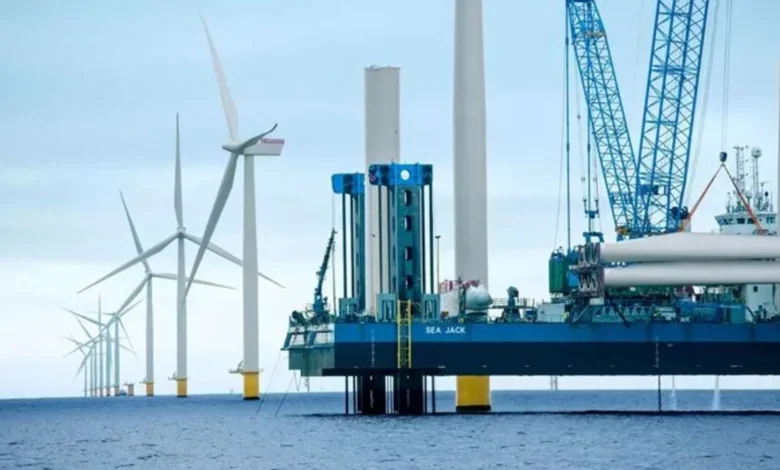
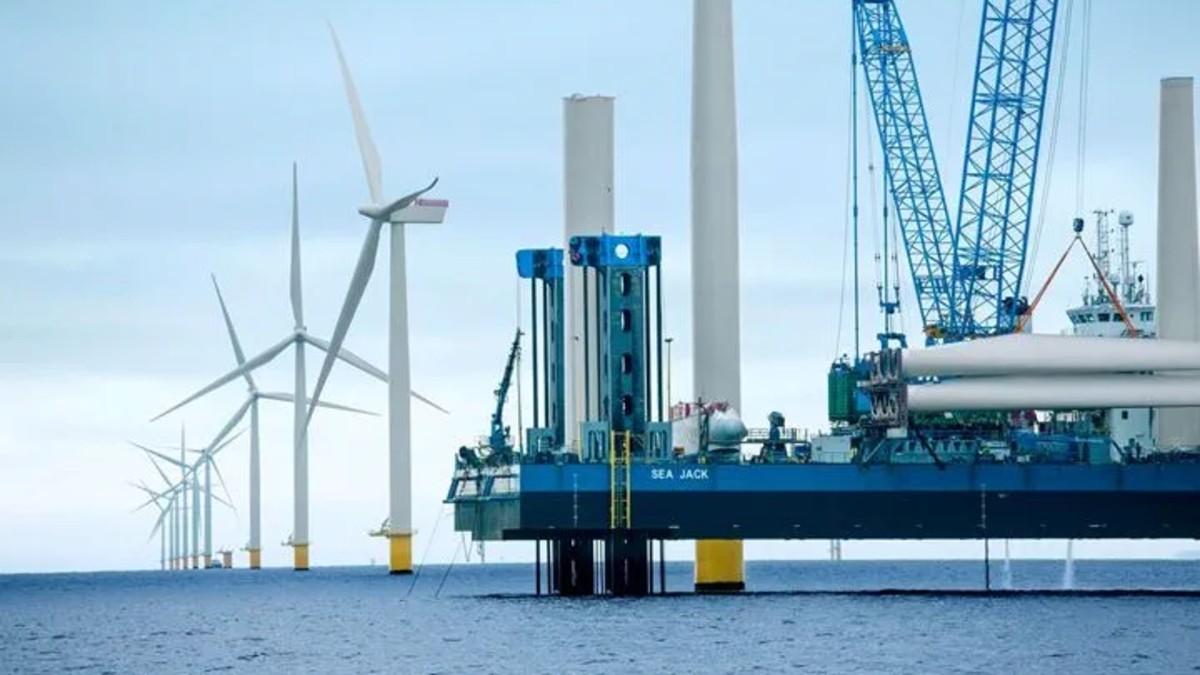
The acceleration of renewable energy is equally visible in new infrastructure deployments. Between September 1, 2025, and August 31, 2026, the cumulative installed capacity of utility-scale solar increased by a staggering 27,141.7 MW. Over the same twelve-month period, small-scale solar grew by 6,526.1 MW, and wind capacity expanded by 9,979.1 MW—a figure that includes 800 MW of newly commissioned offshore wind capacity along the Atlantic seaboard. In total, all renewable sources combined added 43,497.9 MW of new capacity to the grid.
Concurrently, the rapid integration of variable renewable generation has driven a parallel boom in energy storage. Utility-scale battery energy storage systems (BESS) expanded by 17,586.9 MW over the past year, providing critical grid-balancing capabilities, smoothing out solar and wind intermittency, and enhancing overall grid resiliency.
Traditional energy sectors, however, told a very different story. Coal-generating capacity shrank by 2,703.4 MW as more units were retired, while nuclear capacity remained essentially flat with zero net additions. Natural gas capacity grew by 5,316.0 MW. Combined, the net new capacity from both nuclear and fossil fuels totaled a modest 2,612.6 MW. Consequently, renewable energy capacity additions outpaced the net growth of fossil fuels and nuclear power combined by a factor of nearly 17 to one.
A Chronological Look at Grid Evolution and Future Projections
The transformation of the American power grid has evolved rapidly over the past decade, shifting from a system dominated by centralized coal and gas plants to a decentralized, highly diversified network heavily reliant on variable renewables and storage.
Looking ahead, the EIA projects that this pace of deployment will not only hold steady but accelerate significantly. As of September 1, 2026, renewable energy comprised 34.5% of total US utility-scale generating capacity. The EIA forecasts this share will climb to 37.3% by August 31, 2027.

Utility-scale solar developers are slated to add 44,603.1 MW of new capacity over the coming year, expanding solar’s share of utility-scale capacity from 13.4% to 16.5%. Wind projects will contribute an additional 8,312.3 MW—including a notable 3,355.0 MW surge in offshore wind installations—pushing wind’s utility-scale share from 13.4% to 13.5%. Other renewable sources, including hydropower, biomass, and geothermal, will add a combined 201.9 MW.
In total, utility-scale renewables are projected to add 53,117.3 MW of new capacity over the next twelve months—an impressive 44% increase over the 36,971.8 MW added during the previous twelve-month cycle. Conversely, the EIA anticipates zero additions from the nuclear sector and a net contraction of 1,997.0 MW in total fossil fuel generating capacity due to ongoing retirements.
Small-Scale Solar Set to Push Renewables Past Natural Gas
While utility-scale projects dominate headline figures, distributed generation continues to play a vital and growing role in the American energy mix. The estimated capacity of small-scale residential and commercial solar systems grew by 6,526.1 MW over the past year, bringing its cumulative total to 63,192.6 MW.
Although the EIA does not explicitly forecast distributed solar growth for the coming year, industry analysts project it will comfortably match its historical five-year average of roughly 6,400 MW annually. Factoring in a conservative estimate of 6,000 MW in new distributed solar deployments through August 2027, total US renewable energy capacity is on track to surpass 550,000 MW.
By comparison, the EIA’s long-range projections place total natural gas generating capacity at 518,312.8 MW by late summer 2027. If current deployment trends hold, renewable energy capacity will decisively overtake natural gas, becoming the single largest source of generating capacity in the United States. Solar power alone is projected to account for more than one-fifth (20.7%) of total national generating capacity.
The Critical Role of Battery Storage Integration
As the share of weather-dependent generation increases, grid operators are heavily prioritizing energy storage to maintain system reliability. The EIA forecasts that battery energy storage systems will expand by an extraordinary 23,656.2 MW by September 1, 2027. This represents a 43.7% increase in a single year, bringing total US storage capacity to 77,753.2 MW.

When combining utility-scale renewables and massive battery deployments, the grid will absorb nearly 76,773.5 MW of new clean energy and storage capacity by late summer 2027. When small-scale solar additions are included, total new installations approach 82.8 GW, cementing a structural shift in how power is generated, stored, and distributed across the country.
Industry leaders view these milestones as validation of long-term market trends. Ken Bossong, executive director of the SUN DAY Campaign, remarked on the implications of the data, noting that the steady accumulation of solar, wind, and storage infrastructure has reached an unstoppable momentum. Bossong emphasized that as clean energy sources scale up rapidly, the proportional footprint of fossil fuels and nuclear power on the American electrical grid continues its inevitable decline.
Implications for Markets, Policy, and Infrastructure
The rapid pivot toward renewables and battery storage carries profound economic and structural implications for the United States. For utility providers, integrating tens of gigawatts of intermittent generation requires unprecedented investments in high-voltage transmission lines, smart grid technologies, and advanced software capable of balancing load in real time.
Economically, the localized manufacturing and deployment of solar panels, wind turbines, and lithium-ion storage systems continue to support hundreds of thousands of jobs across both blue- and red-leaning states. Federal policy frameworks, notably the financial incentives embedded in past legislative packages, have provided the long-term revenue visibility needed to attract institutional capital to green energy projects, insulating the sector against short-term macroeconomic volatility.
At the same time, the decline of coal and the plateauing of new fossil fuel infrastructure signal a permanent departure from 20th-century paradigms of power generation. While natural gas will likely retain a vital bridging role as a flexible peaking resource for decades to come, its absolute dominance as a capacity leader is visibly drawing to a close. As battery storage scales alongside renewables, the technical arguments against high penetrations of variable clean energy are steadily evaporating, paving the way for a cleaner, more resilient, and increasingly electrified American economy.
Related posts: