Ford Retires F-150 Lightning to Make Way for $30,000 Fathom EV and 700-Mile EREV Strategy


The automotive landscape is undergoing a monumental shift as legacy automakers reevaluate their electrification strategies in the face of slowing luxury adoption, shifting consumer demands, and intense margin pressures. Ford Motor Company has officially retired the F-150 Lightning, once heralded as a trailblazer and America’s best-selling electric pickup truck, clearing the production runway for an entirely new generation of electrified utility vehicles. With the retirement of the full-sized electric truck, Ford is pivoting toward two distinct paths: a highly accessible, compact electric pickup known as the Fathom, and an innovative extended-range electric vehicle (EREV) designed to alleviate range anxiety while maintaining everyday zero-emission capability.
This strategic reboot signals a major course correction for the Blue Oval. As the automotive industry grapples with the economic realities of scaling high-cost battery-electric platforms, Ford’s transition marks a calculated retreat from the premium end of the EV market in favor of affordability, efficiency, and hybrid versatility.
The End of an Era: The F-150 Lightning Makes Its Exit
Launched with immense fanfare and cultural resonance, the Ford F-150 Lightning fundamentally altered the conversation around utility vehicles, proving that an electric truck could retain the rugged capability and utility expected of America’s perennial best-selling vehicle family. However, despite capturing significant early market share and redefining public expectations of electric powertrains, the economic realities of manufacturing large, battery-heavy full-sized pickups began to take a heavy toll.
In December, Ford quietly pulled the plug on the current generation of the F-150 Lightning. While existing dealer inventory remained on showroom floors for several months, official sales channels have now closed. Visitors navigating to Ford’s official product pages are greeted with a transitional landing screen declaring that the "F-150 Lightning is Transforming." The message urges prospective buyers to stay tuned for a new wave of electric vehicles engineered from the ground up on Ford’s proprietary Universal Electric Vehicle (UEV) platform.
Industry analysts note that while the F-150 Lightning succeeded as a technological showcase and a halo vehicle, its profitability remained elusive. High raw material costs for massive battery packs, coupled with a cooling consumer market for luxury EVs priced well north of $50,000, forced Ford’s executive team to rethink the mathematics of mass-market electrification.
Enter the Fathom: Ford’s $30,000 Disruptor
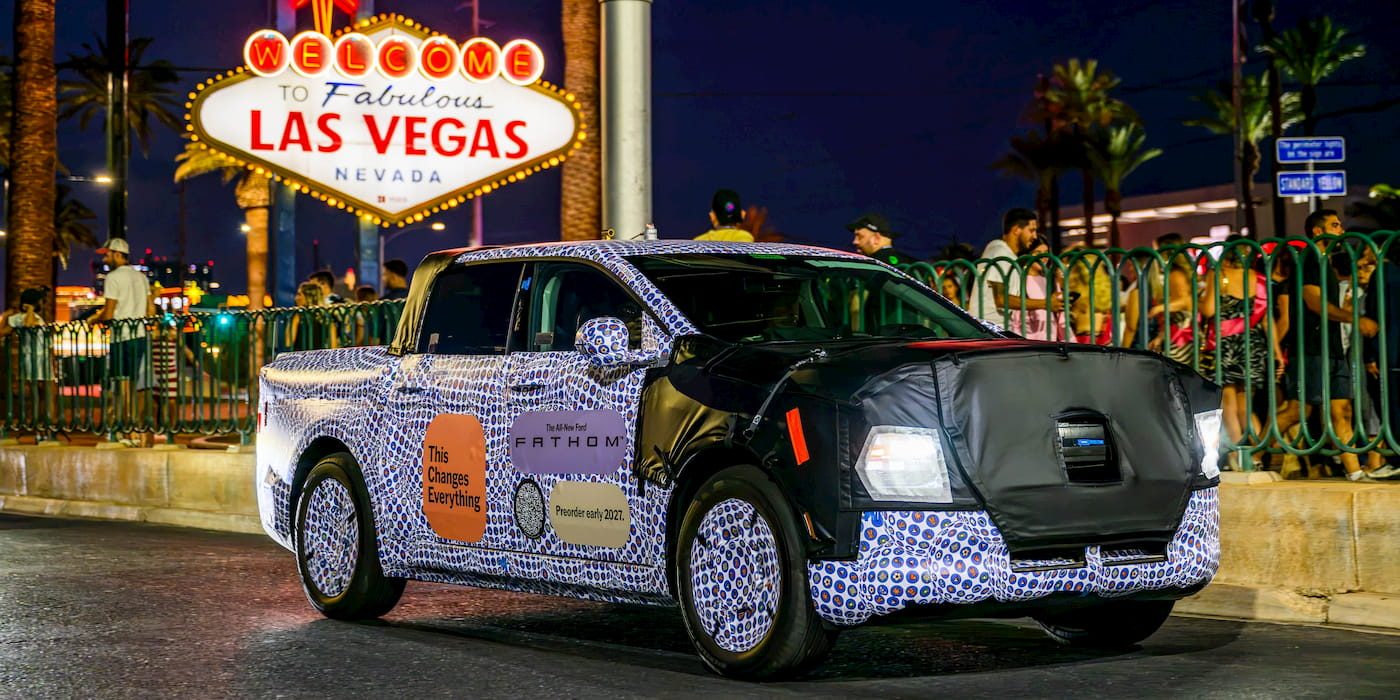
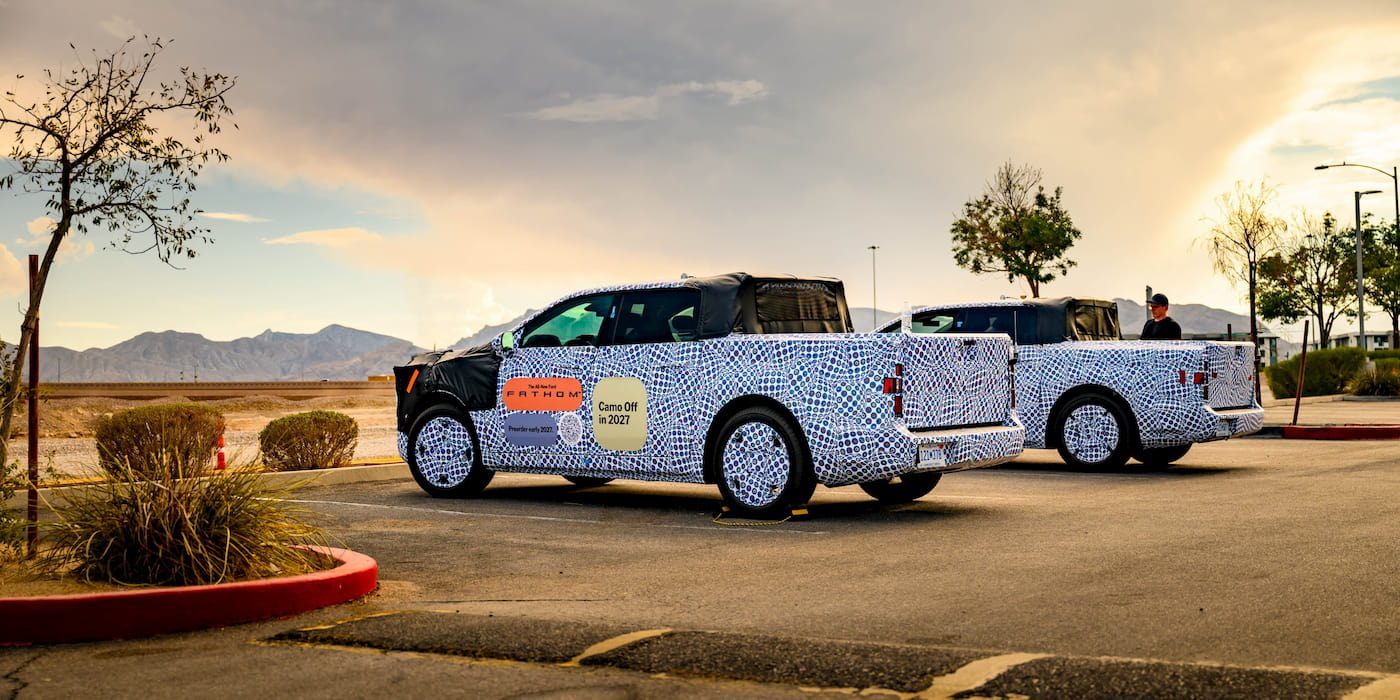
To fill the void at the entry-level tier of the market, Ford is preparing to launch the Fathom, an all-electric compact or midsize pickup scheduled to go on sale in early 2027. First revealed in mid-2026, the Fathom is designed to capture cost-conscious buyers who have been priced out of the modern electric vehicle market.
Starting at a highly competitive $28,350 for the standard-range model—excluding a $1,595 destination and delivery fee—the Fathom will comfortably clear the psychological barrier of remaining under $30,000 out-of-the-gate. This aggressive pricing strategy positions the Fathom to compete directly not just with traditional compact trucks, but increasingly with affordable internal combustion engine (ICE) compact crossovers and sedans.
The Fathom holds the distinction of being the maiden vehicle constructed on Ford’s groundbreaking UEV platform. According to engineering briefings shared by the automaker, the UEV architecture represents a generational leap forward in manufacturing efficiency, structural optimization, and software integration. Ford leadership anticipates that the UEV platform will finally unlock sustainable profitability for the company’s electric vehicle division, a hurdle that has plagued both traditional original equipment manufacturers (OEMs) and dedicated EV startups alike.
Beyond its affordability and structural underpinnings, the Fathom is slated to introduce several technological firsts for the Blue Oval. Ford has confirmed that the vehicle will offer interior passenger and cargo volume that rivals or exceeds larger traditional vehicles, defying its compact exterior footprint. Furthermore, the Fathom will debut a native integration of Apple Maps directly into the primary vehicle navigation system, streamlining the user experience for Apple ecosystem users without requiring smartphone mirroring.
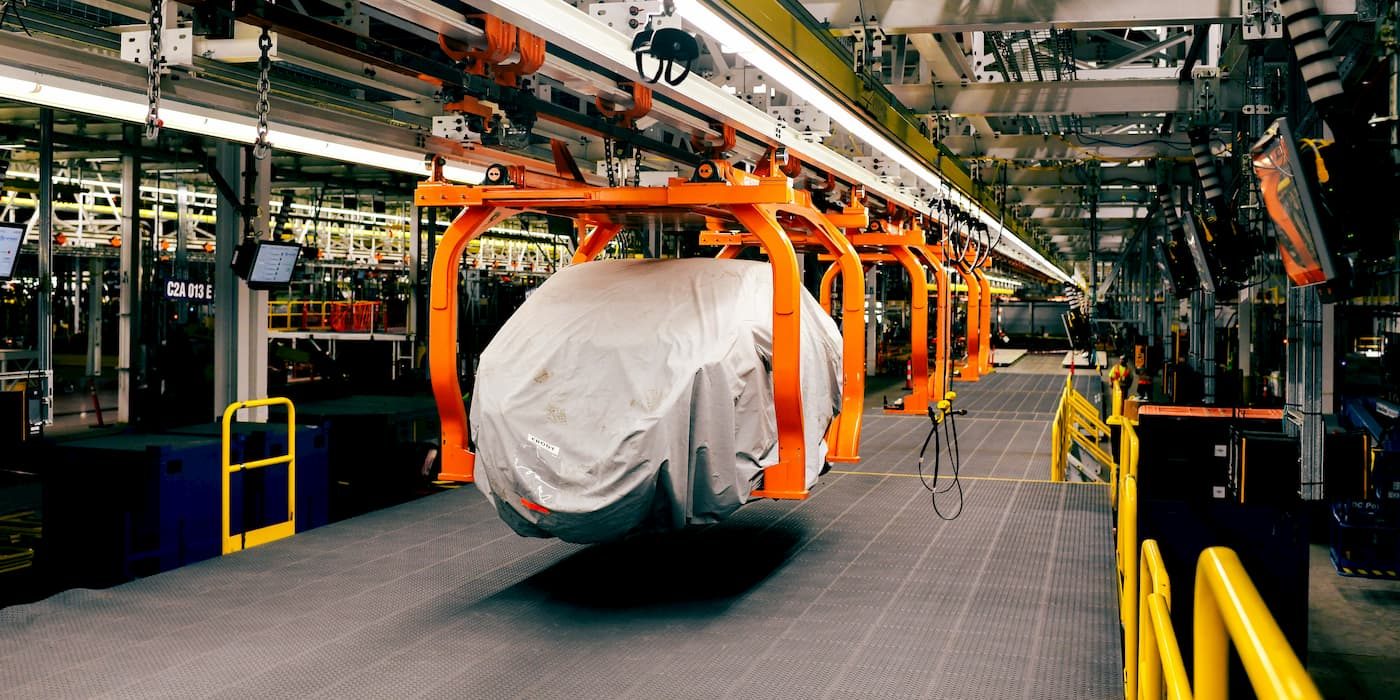
Production of the Fathom is scheduled to commence at Ford’s historic Louisville Assembly plant in early 2027. Ford CEO Jim Farley stoked anticipation earlier this year by offering a sneak peek of the vehicle’s design and prototyping phase, signaling that physical rollouts are well on track.
The EREV Solution: Bridging the Gap to Total Electrification
While the Fathom addresses the entry-level end of the market, it does not serve as a direct, like-for-like replacement for the departed F-150 Lightning. For truck buyers who require the utility, towing capacity, and interior dimensions of a full-sized pickup without the logistical hurdles of pure battery-electric long-distance travel, Ford is developing an extended-range electric vehicle (EREV) variant.
Unlike traditional parallel hybrids or battery-electric vehicles, an EREV utilizes an electric motor to drive the wheels exclusively, paired with an onboard internal combustion gas generator that acts as an auxiliary power unit to recharge the battery pack on the fly. This architecture allows the vehicle to operate purely on electricity for daily commutes while utilizing liquid fuel to drastically expand total operational range.
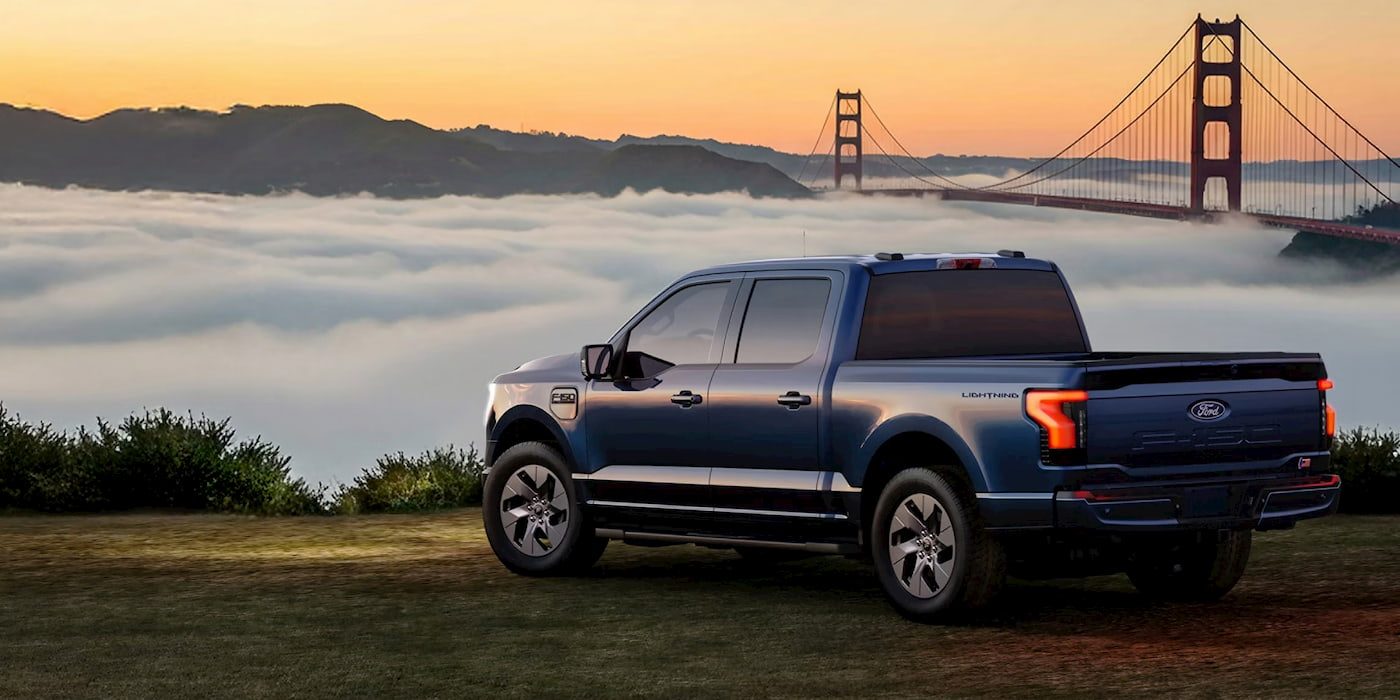
Ford executives have spoken candidly about the necessity of this pivot. During a high-profile interview with CNBC, CEO Jim Farley addressed the shifting dynamics of consumer demand head-on, noting that high-end electric vehicles priced between $50,000 and $80,000 simply failed to achieve the necessary sales velocity to sustain production volumes.
"The very high-end EVs, the $50K, $70K, $80,000 vehicles, they just weren’t selling," Farley stated during the interview. "The EREV is a better solution. You get 700 miles on a tank of gas, and for 90% of the time, it is all-electric."
By offering an estimated total driving range exceeding 700 miles, Ford’s upcoming EREV pickup aims to eliminate the primary pain points associated with towing and long-haul travel in electric utility vehicles. Fleet operators and private truck owners alike have long expressed frustration over the significant reduction in range experienced by pure EVs when hauling heavy payloads or driving in sub-freezing temperatures. The EREV configuration provides a pragmatic bridge, offering the driving dynamics and instantaneous torque of an electric vehicle paired with the refueling convenience and endurance of liquid hydrocarbons.
Chronology of Ford’s Strategic Pivot

The restructuring of Ford’s electric truck lineup has unfolded rapidly over the past year:
- December 2025: Ford officially discontinues production of the first-generation F-150 Lightning amid slowing luxury EV sales, while CEO Jim Farley outlines the company’s new strategic focus on EREV technology during a CNBC interview.
- August 2026: Ford officially unveils the "Fathom" moniker, detailing its starting price point of $28,350 and confirming its status as the inaugural vehicle built on the UEV platform.
- September 2026: CEO Jim Farley shares early video footage offering a closer look at the Fathom’s design and public prototype phase. Ford updates its corporate website to officially retire the F-150 Lightning order books and tease the upcoming UEV vehicle wave.
- Early 2027 (Projected): Commercial production of the Fathom is scheduled to begin at the Louisville Assembly plant, with initial customer deliveries expected shortly thereafter.
Broader Market Implications and Ongoing Support
Ford’s tactical retreat from high-priced, pure-electric full-sized pickups to a dual-pronged approach featuring an ultra-affordable compact EV and a long-range EREV reflects a broader maturation of the global automotive market. As early adopters saturate the luxury EV segment, automakers are finding that mainstream consumers demand either radical affordability or absolute operational flexibility.
By restructuring its product portfolio, Ford is attempting to protect its profit margins while insulating itself against regulatory shifts and volatile battery supply chains. The introduction of the Fathom places direct competitive pressure on low-cost global competitors, particularly Chinese EV manufacturers looking to enter Western markets. Meanwhile, the EREV full-sized truck provides a transitional sanctuary for traditional truck buyers who are hesitant to commit to public charging infrastructure.

Current owners of the discontinued F-150 Lightning need not worry about immediate obsolescence. Ford has reaffirmed its commitment to supporting existing vehicles, ensuring that owners will continue to receive comprehensive software updates, scheduled maintenance, repair services, and dedicated live customer support through the company’s established dealership and service network.
As the launch windows for both the Fathom and the new EREV platform approach in 2027, Ford is expected to release finalized performance specifications, battery capacities, and towing metrics. Until then, the automotive world watches closely as one of America’s legacy giants reshapes the future of the pickup truck.
Related posts: