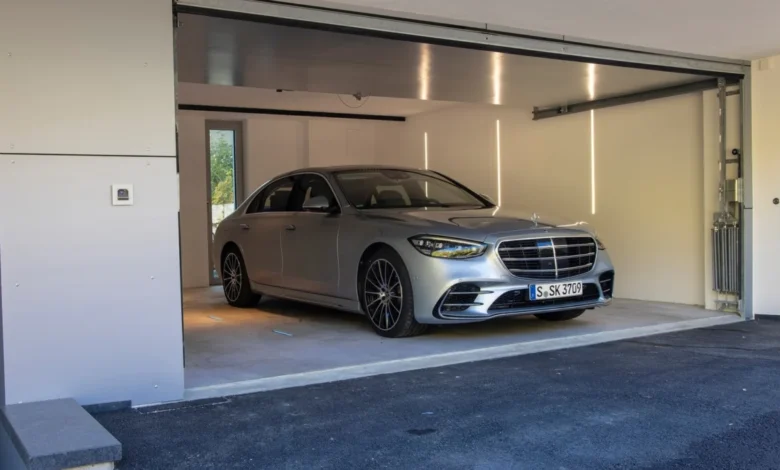
The search for the perfect vehicle has evolved far beyond traditional metrics like horsepower, handling, and fuel efficiency. For a segment of the luxury market, the criteria now center on comfort, isolation, and atmospheric quality—a phenomenon increasingly described as the "nap vehicle" movement. This trend highlights a shift in how affluent consumers view their vehicles, transforming them from mere transportation into mobile sanctuaries, private lounges, and spaces of respite.
The Anatomy of a Luxury Sanctuary
The request from a reader named Sam regarding his semi-retired father’s search for a high-end, comfortable car under a $200,000 threshold underscores a broader shift in the automotive industry. The "nap vehicle" requires specific engineering feats: noise, vibration, and harshness (NVH) suppression, high-fidelity sound systems capable of immersive audio, advanced climate control with air purification, and, crucially, seat ergonomics that allow for extended periods of repose.
Modern luxury manufacturers have anticipated this demand by integrating features such as "Wellness Programs." These include multi-stage massage settings, programmable ambient lighting, and ionizer-based scent dispersal systems that mimic natural environments. When these features are combined with industry-leading active suspension systems that isolate occupants from road irregularities, the vehicle essentially becomes a private cabin.
Market Context and Historical Evolution
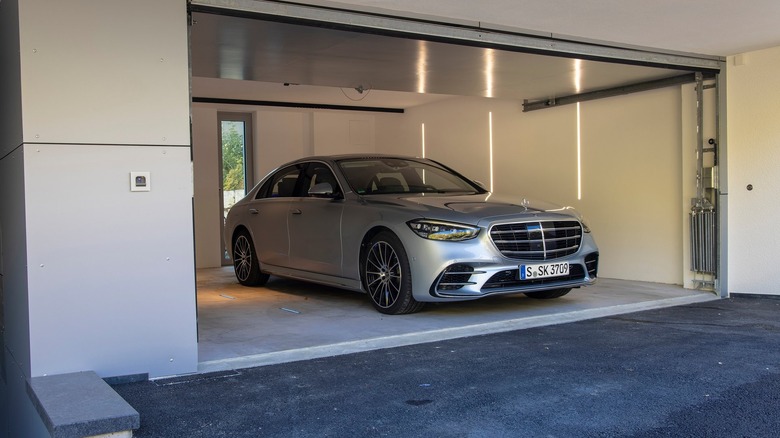
Historically, the pursuit of comfort was the sole domain of the chauffeur-driven limousine. However, the current trend suggests that high-net-worth individuals are seeking this level of luxury in vehicles they intend to drive themselves for short commutes or use as private retreats. The Mercedes-Benz S-Class has long been the industry benchmark for this category, setting the standard for ride quality since its inception in the 1970s.
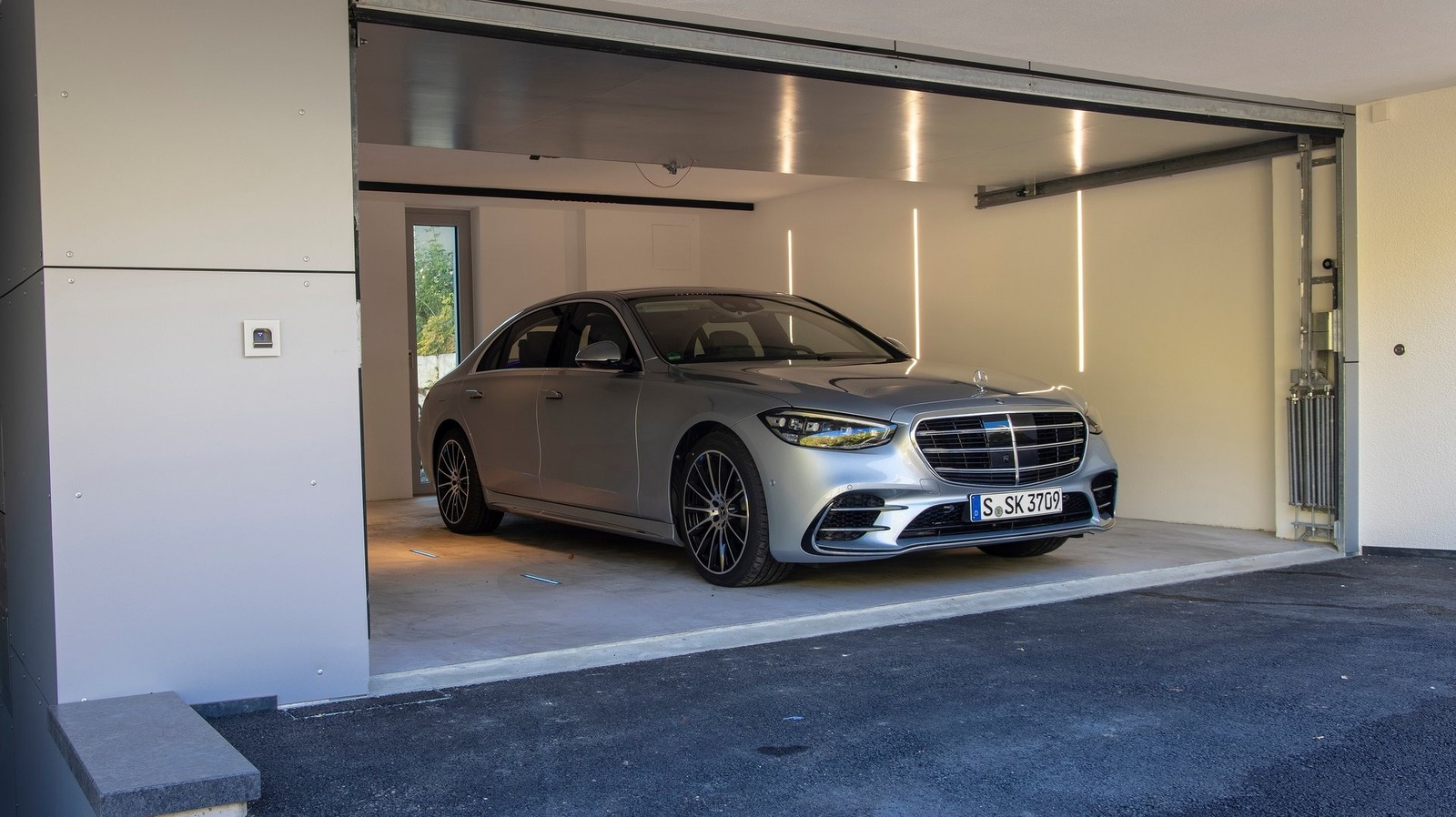
According to automotive industry data, the luxury sedan segment has faced stiff competition from SUVs, yet the traditional executive sedan remains the preferred choice for those prioritizing low centers of gravity and cabin acoustics. The move away from the standard S-Class—as requested by the subject—indicates a desire for exclusivity and a more refined aesthetic, leading to a focus on ultra-luxury derivatives like the Mercedes-Maybach or top-tier Bentley models.
Expert Analysis of Candidates
The selection process for a vehicle with such a high budget involves evaluating several key factors: depreciation, technological relevance, and physical footprint.
1. The Bentley Flying Spur W12
Financial experts suggest that the Bentley Flying Spur represents a strategic purchase for those who prioritize craftsmanship. A 2021 model, specifically one equipped with the Mulliner specification, offers a significant depreciation advantage. By opting for a pre-owned vehicle, a buyer can access a price point of approximately $155,000—well under the $200,000 limit—while retaining a vehicle that originally retailed for over $300,000. The W12 engine provides an unparalleled level of smooth power delivery, which contributes to a serene cabin environment.
2. The Mercedes-Maybach S680
For those who prefer a familiar interface but require a leap in opulence, the Mercedes-Maybach S-Class remains the technical leader. The current market conditions, influenced by the upcoming 2027 model year facelifts, have created favorable pricing for outgoing V12-powered inventory. With discounts reaching up to $70,000 in some regions, the Maybach offers a competitive value proposition. The "4D" Burmester sound system, which utilizes seat-integrated exciters to create tactile bass frequencies, is currently considered the gold standard for in-car sensory relaxation.
3. The Porsche Taycan
While typically viewed as a performance-oriented vehicle, the Porsche Taycan offers a different kind of solace: the silence of an electric drivetrain. For those whose "nap" requirements prioritize lack of engine vibration and zero emissions while stationary, the Taycan provides an ultra-modern, quiet environment. Industry analysts note that Porsche’s interior ergonomics are designed for long-term comfort, making it a viable alternative for those who wish to move away from the traditional executive sedan aesthetic.
Implications of the "Sanctuary" Trend
The rise of the "nap vehicle" is not merely an automotive trend; it reflects a social reality. As urban density in cities like New York increases and private space becomes a premium commodity, the automobile serves as one of the few places where an individual can exercise total control over their environment.
Psychologists and urban planners have noted that the "third space"—a place that is neither home nor work—is disappearing. The car has, for many, become this essential third space. By investing $200,000 into a vehicle for the purpose of privacy and relaxation, consumers are effectively purchasing a mobile office or lounge that offers a reprieve from the stresses of family life or the urban environment.
Safety and Regulatory Considerations
While the primary goal is comfort, the reality of driving in a metropolitan area like New York remains a critical factor. The requirement that the car also serve as a tool for teaching a teenager how to drive introduces a conflict between luxury and utility. Advanced Driver Assistance Systems (ADAS) in modern luxury cars—such as lane-centering, automatic emergency braking, and adaptive cruise control—provide an extra layer of safety for novice drivers. However, experts emphasize that these systems are not a substitute for human vigilance.
The integration of sophisticated technology in these vehicles is a double-edged sword. While it provides comfort, it also requires a learning curve. For a retired or semi-retired owner, the complexity of a Maybach’s infotainment system or a Bentley’s intricate settings may be a deterrent. Simplified, intuitive interfaces are becoming just as important as seat comfort in the luxury segment.
Broader Industry Outlook
Looking forward, the trend toward "wellness-centric" vehicle interiors is expected to grow. Manufacturers are investing heavily in "biometric monitoring," where the car adjusts lighting, temperature, and audio based on the driver’s heart rate or stress levels. This technology is currently in its infancy but is expected to become standard in the flagship luxury sedans of the next decade.
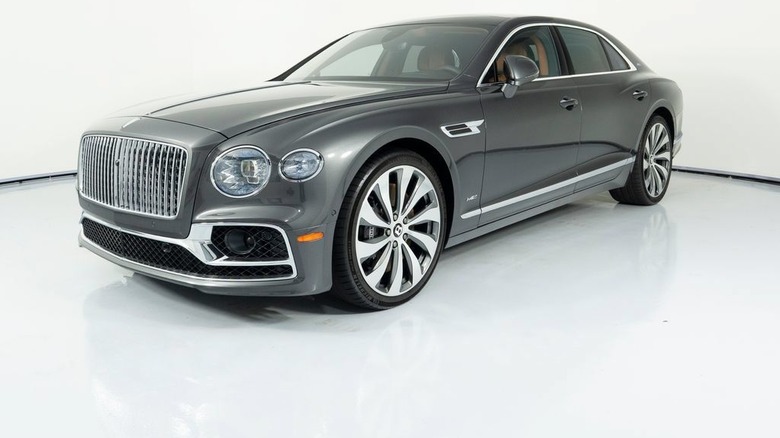
For the prospective buyer, the decision ultimately rests on the balance between depreciation-conscious purchasing and the desire for the latest in sensory technology. Whether it is the classic, hand-stitched leather of a Bentley or the hyper-digital, scent-infused air of a modern Maybach, the current market offers a wealth of options for those seeking to turn their commute into a period of total stillness.
Conclusion: Making the Choice
When evaluating these options, the recommendation for a buyer with a $200,000 budget is to prioritize the "Total Cabin Experience." If the vehicle is to be used for both learning to drive and personal relaxation, the Mercedes-Maybach provides the most logical bridge between high-tech safety and ultimate comfort. Conversely, if the priority is long-term value and the prestige of traditional craftsmanship, the Bentley Flying Spur remains the premier choice in the pre-owned market. Regardless of the choice, the pursuit of the "nap vehicle" confirms that in an increasingly busy world, the value of silence, comfort, and personal space has never been higher.
Related posts: