Volkswagen ID 3 GTI Is A Rear-Wheel-Drive EV With Golf R Power, And Don’t Worry, It’s Got Plaid Seats

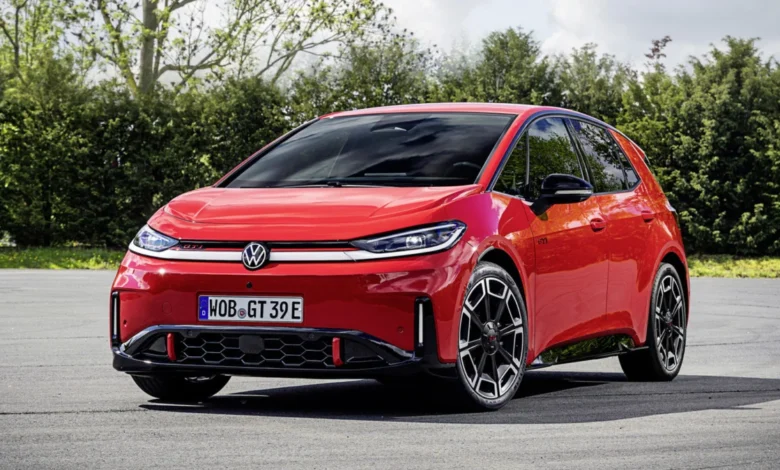
The automotive industry is currently navigating a pivotal transition as legacy manufacturers work to reconcile the heritage of internal combustion performance with the inevitability of electrification. Volkswagen has signaled a significant advancement in this strategy with the introduction of the ID 3 GTI. By replacing the previous ID 3 GTX designation, the German automaker is signaling that the legendary "GTI" moniker, which has defined the hot-hatch segment since the mid-1970s, will serve as the primary badge for its electric performance ambitions.
The Evolution of the Performance Badge
The transition to an electric GTI has been a methodical process for Volkswagen. The brand first tested the waters with the ID Polo GTI concept, providing a glimpse into how the company intended to adapt its storied performance philosophy to battery-electric vehicle (BEV) architectures. The move to rebrand the ID 3 GTX as the ID 3 GTI marks a formal commitment to the brand’s history, aiming to reassure enthusiasts who feared that the electrification of the lineup would result in the dilution of the GTI’s character.
The chronology of this development highlights a shift in corporate strategy. While early electric attempts from the Volkswagen Group were focused on efficiency and mass-market appeal, the current phase prioritizes "emotional engineering." By integrating the GTI branding into the ID 3, Volkswagen is attempting to bridge the gap between its legacy customer base and a new generation of EV buyers.
Technical Specifications and Performance Metrics
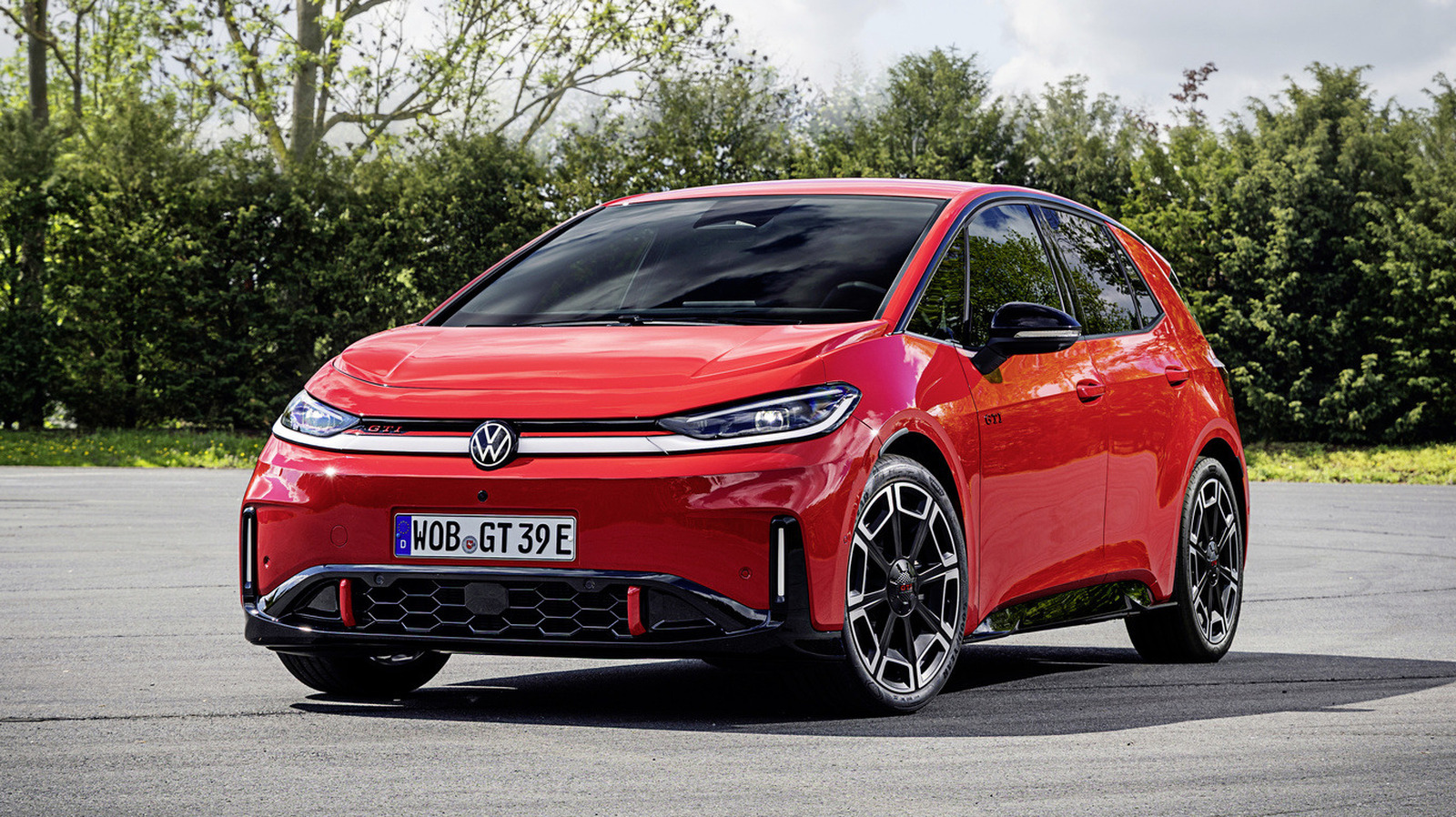
The ID 3 GTI is underpinned by a sophisticated powertrain that delivers 322 horsepower. To put this into perspective, the vehicle is only six horsepower shy of the current gasoline-powered Golf R, a benchmark vehicle in the all-wheel-drive performance hatch category. However, the ID 3 GTI offers a distinct advantage in torque, delivering 402 pound-feet—an impressive 92 lb-ft more than its gasoline-powered counterpart.
Despite the raw power figures, the acceleration profile of the ID 3 GTI reflects the inherent differences between internal combustion engines and electric motors. The vehicle achieves a 0 to 62 mph sprint in 5.6 seconds. While this is brisk, it remains slower than the all-wheel-drive Golf R, which clocks a 4.6-second time. This discrepancy is largely attributed to the weight penalty associated with large-format battery packs and the traction dynamics of a rear-wheel-drive configuration compared to the mechanical grip of an all-wheel-drive system.
Furthermore, the vehicle features an electronically limited top speed of 124 mph. This limitation is a common characteristic of high-performance EVs, where sustained high-speed output is constrained by thermal management and the efficiency curves of the electric motor. To manage these dynamics, Volkswagen has equipped the ID 3 GTI with its signature adaptive dynamic chassis control system, allowing the suspension to firm up or soften based on driver inputs and road conditions, maintaining the "hot hatch" handling characteristics expected of the GTI nameplate.
Aesthetics and Heritage: The Return of the Plaid
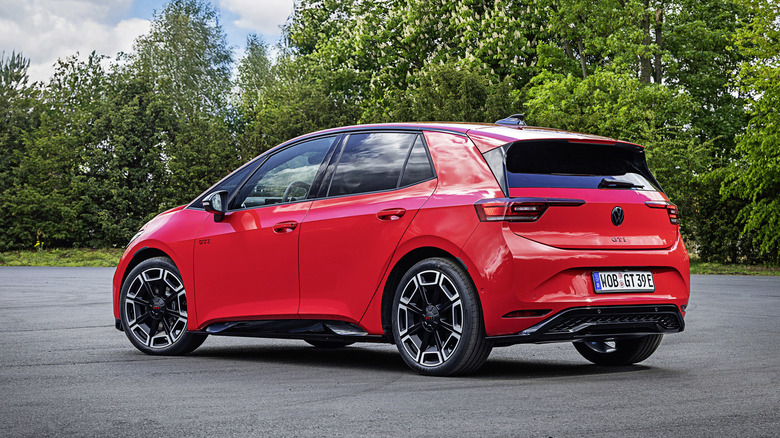
One of the most significant points of contention among automotive enthusiasts regarding the previous ID 3 GTX was the perceived lack of "GTI soul." Volkswagen has addressed these concerns directly in the new model. The exterior features the iconic red stripe that spans the width of the front fascia, connecting the headlights in a design language that pays homage to the original 1976 Golf GTI.
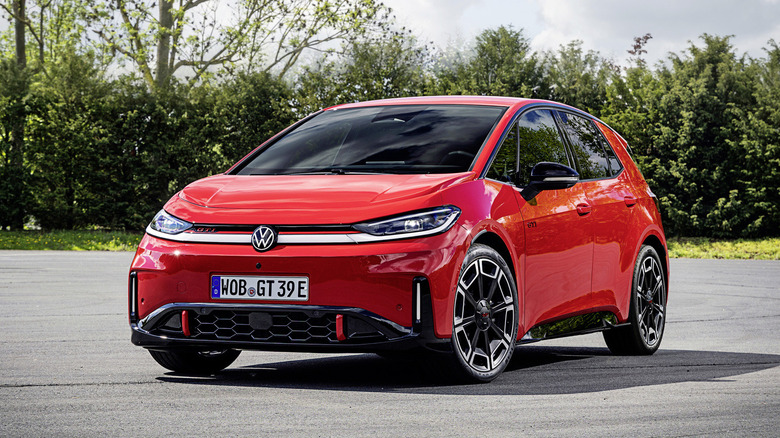
The inclusion of 20-inch "Wörthersee" wheels—named after the famous Austrian lake where VW enthusiasts have gathered for decades—further solidifies the car’s pedigree. However, the most symbolic addition is the return of the classic red-and-white-on-black plaid seat upholstery. By reintroducing this design element, which was notably absent from the GTX model, Volkswagen is explicitly signaling a return to the roots of the brand. Interior accents, including red contrast stitching and a red marker at the 12 o’clock position on the steering wheel, further reinforce the cabin’s performance-oriented aesthetic.
The Integration of "GTI" Drive Modes
Volkswagen has recognized that for many drivers, the sensory experience of driving is as important as the acceleration numbers. The new "GTI" drive mode is the cornerstone of this philosophy. When engaged, the vehicle recalibrates the powertrain, steering responsiveness, and adaptive dampers to their most aggressive settings.
Perhaps most controversially, the vehicle employs synthesized engine noise through its sound system. This technique, while increasingly common in the industry, represents a deliberate effort to mimic the auditory feedback of a high-performance combustion engine. In the GTI mode, the cabin environment shifts to match this intent, with ambient lighting transitioning to red and the digital cockpit display shifting to a track-focused interface. This feature is intended to create a psychological bridge for drivers accustomed to the visceral nature of traditional hot hatches.
Practicality and Daily Usability
Despite its performance capabilities, the ID 3 GTI is fundamentally designed as a daily driver. The vehicle is powered by a 79-kWh lithium-ion battery, which provides a WLTP-rated range of 373 miles. This range is competitive in the current EV landscape, making the vehicle viable for both urban commuting and longer-distance travel.
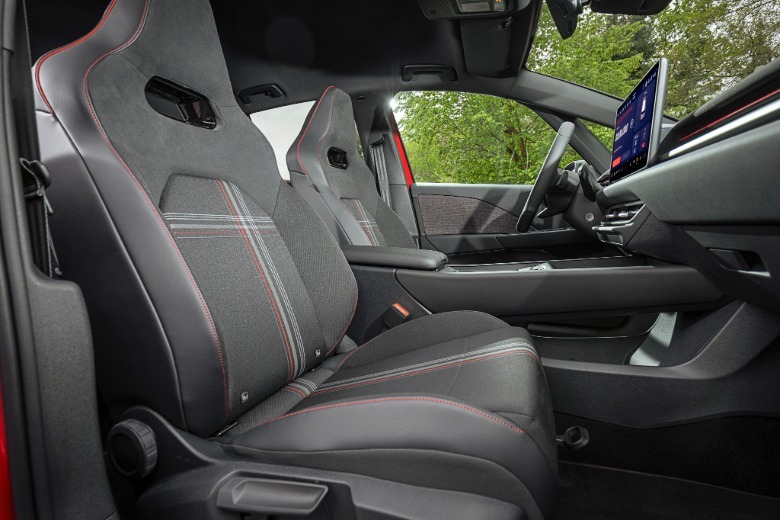
Charging infrastructure integration is a priority, with the vehicle supporting DC fast-charging speeds of up to 183 kW. Volkswagen claims a 10% to 80% charge time of approximately 29 minutes under ideal conditions, ensuring that the vehicle can be replenished quickly during stops. Interior technology remains a focal point, with optional features such as an augmented reality head-up display, a 480-watt premium sound system, and a large panoramic sunroof, allowing the vehicle to compete with premium compact offerings in the market.
Market Implications and Future Outlook
The release of the ID 3 GTI carries significant weight for the European market, where the GTI badge holds substantial cultural capital. By transitioning this legacy to the ID platform, Volkswagen is attempting to mitigate the risk of losing its core demographic to competitors who are also electrifying their performance lineups.
Analysts note that the success of the ID 3 GTI will likely depend on its pricing strategy and its ability to maintain the "accessible performance" reputation that has defined the GTI for nearly 50 years. If the vehicle is priced competitively against traditional internal combustion hot hatches, it could serve as a successful catalyst for broader EV adoption among performance-oriented consumers.
The move also reflects a broader trend within the Volkswagen Group to leverage its historical brand equity to differentiate its electric offerings. As the market becomes increasingly crowded with generic electric crossovers and hatchbacks, the ability to offer a vehicle with a distinct "personality" and a rich heritage provides a competitive edge.
Looking forward, pre-sales for the ID 3 GTI are scheduled to commence in early 2027 within the European market. The industry will be watching closely to see if this marriage of 20th-century nostalgia and 21st-century technology resonates with the public. If the reception is positive, it is highly probable that the GTI badge will continue to propagate across other models in the ID lineup, potentially including larger SUVs or even a dedicated electric sports coupe.
Ultimately, the ID 3 GTI stands as a testament to the fact that while the transition to electrification necessitates the abandonment of internal combustion, it does not necessarily require the abandonment of the spirit that made those vehicles iconic. By focusing on the intersection of handling, tactile interior design, and performance-driven software, Volkswagen is betting that the "GTI" label can survive, and perhaps even thrive, in the electric age.