Ford Fathom Electric Pickup Set to Redefine the US EV Market with a Sub-$30,000 Starting Price and Q4 2027 Launch

The automotive landscape in the United States is undergoing a profound transformation, driven by consumer demand for more accessible, versatile, and technologically advanced zero-emission vehicles. Amidst this evolving backdrop, Ford Motor Company has positioned its upcoming midsize electric truck, the Ford Fathom, as a watershed moment for the industry. Slated for an official launch in the fourth quarter of 2027, the Fathom aims to dismantle traditional pricing barriers associated with electric mobility. With a base Manufacturer’s Suggested Retail Price (MSRP) starting at $28,350—and even fully optioned trims staying under the $40,000 threshold—Ford is aggressively targeting budget-conscious consumers who have previously been priced out of the electric vehicle (EV) market.
During the company’s third-quarter earnings call, Ford executives provided comprehensive details regarding the production timeline, engineering innovations, and monetization strategies surrounding the Fathom. As the inaugural vehicle built upon Ford’s proprietary Universal Electric Vehicle (UEV) platform, the Fathom represents more than just a new nameplate; it is the cornerstone of the automaker’s revised long-term profitability and electrification strategy.
Chronology and Development Timeline: From Concept to Production
The genesis of the Fathom program traces back several years as Ford shifted its engineering focus away from larger, margin-heavy electric trucks and SUVs toward nimble, cost-effective architectures. The vehicle’s existence and nomenclature entered the public sphere during the summer of 2026, when Ford formally announced the Fathom moniker alongside its eye-catching base pricing structure.
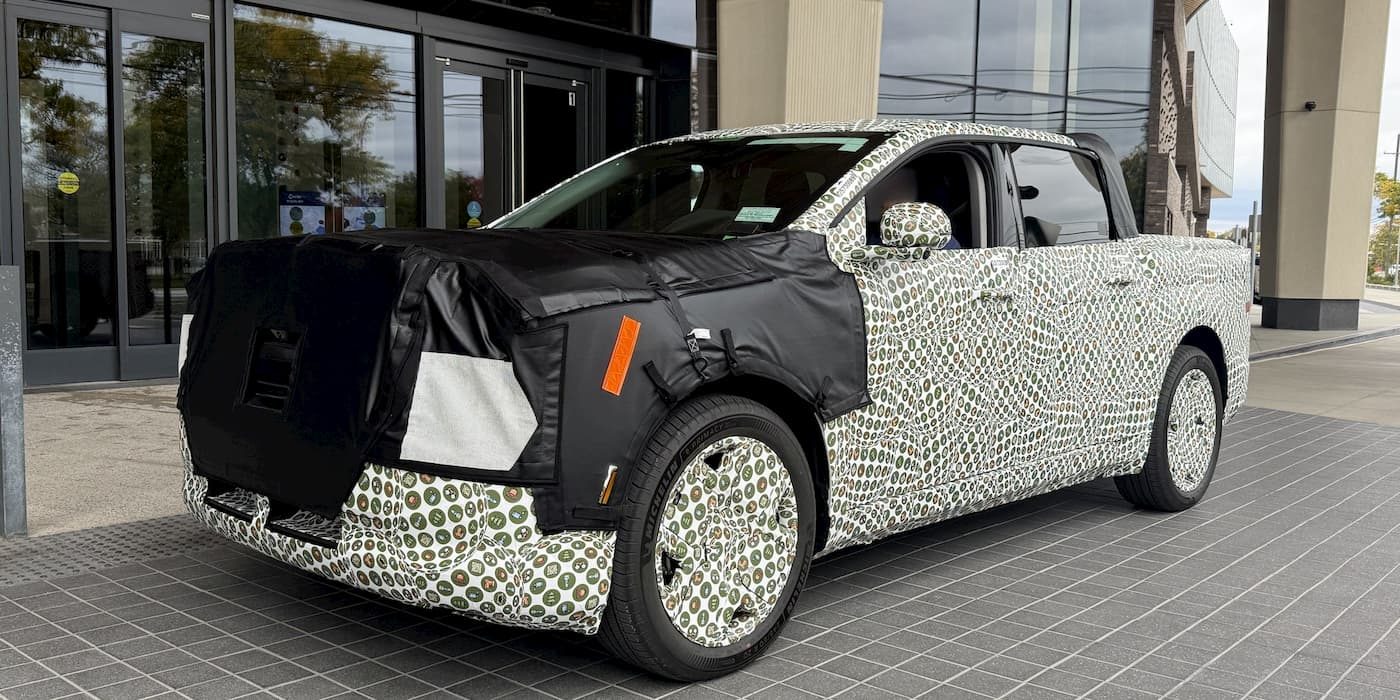
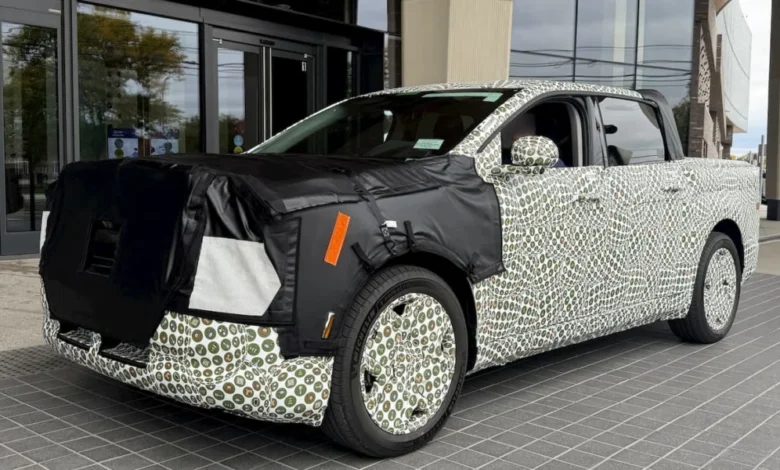
The development timeline accelerated significantly through the autumn of 2026. In late October, industry observers captured spy shots of a heavily camouflaged Fathom prototype undergoing real-world testing, notably utilizing a native North American Charging Standard (NACS) port while plugged into a Tesla Supercharger. This sighting confirmed Ford’s integration into the broader Tesla charging ecosystem, eliminating one of the primary friction points for prospective EV adopters.
By late October 2026, during the Q3 earnings disclosures, Ford CEO Jim Farley revealed that he had personally test-driven a pre-production prototype. Farley expressed profound enthusiasm for the vehicle’s dynamic capabilities, noting that its acceleration, interior volume, and advanced driver-assistance systems (ADAS) offered an unprecedented user experience for a vehicle in this price class.
Looking forward, Ford has established a clear roadmap leading to commercial availability. Preorders for the Fathom are scheduled to open in the early months of 2027, giving prospective buyers an early opportunity to secure build allocations. Final assembly lines are slated to commence full-scale production in Q4 2027, setting the stage for initial customer deliveries shortly thereafter.
Engineering Innovations and Cost-Reduction Strategies
Achieving a sub-$30,000 price point for a modern, highly capable electric pickup required a fundamental redesign of automotive electrical architecture and manufacturing methodologies. Traditional EV architectures often suffer from excessive wiring complexity and high component costs, which inflate retail prices.

To circumvent these economic hurdles, Ford engineers built the Fathom around an advanced zonal electrical architecture paired with a robust 48-volt low-voltage system. This streamlined design drastically reduces the physical length of copper wiring harnesses within the vehicle, resulting in substantial weight savings, simplified automated manufacturing, and lower overall material costs.
Beyond core propulsion and cost-saving measures, the Fathom is engineered to serve as an active energy hub for its owners. The vehicle incorporates bidirectional charging capabilities, allowing the truck to supply power directly back to a residential home. This feature offers dual utility: it can act as a reliable emergency backup power source during municipal grid outages and provides financial relief by allowing homeowners to power household loads during peak electricity tariff hours.
Furthermore, the integration of a native NACS charge port ensures that Fathom owners will have seamless, out-of-the-box access to the expansive Tesla Supercharger network, significantly mitigating range anxiety and enhancing the vehicle’s long-distance touring viability.
Trim Strategy, Pricing Structure, and Upsell Opportunities
While the headline-grabbing $28,350 entry price point (excluding a standard $1,595 delivery and destination fee) positions the Fathom as one of the most affordable new vehicles available in the United States, Ford leadership has outlined a diverse tier of trim levels designed to capture higher-margin consumer segments.

Andrew Frick, president of Ford Model e, addressed institutional investors regarding the company’s product stratification strategy. Frick clarified that the base $28,350 MSRP acts strictly as an entry point. The broader Fathom lineup will encompass multiple variants scaling into the high $30,000 range, offering progressive upgrades in battery capacity, utility features, and aesthetic packages.
However, Ford’s primary long-term revenue and upsell strategy extends far beyond traditional hardware packages. Company executives have heavily emphasized the digital user experience as a core differentiator. Jim Farley highlighted the embedded integration of Apple Maps into the vehicle’s native navigation system as a game-changing feature for an affordable EV.
The Fathom will come standard with Apple CarPlay and Android Auto capabilities, alongside comprehensive BlueCruise hardware enabling hands-free driving assistance on pre-qualified roadways. Ford anticipates that the ongoing digital ecosystem—comprising software updates, premium navigation features, and long-term digital subscriptions—will serve as a lucrative, recurring revenue stream that complements vehicle sales.
Space, Utility, and Total Cost of Ownership
Despite being categorized as a midsize electric pickup, the Fathom defies traditional space constraints. Ford’s internal metrics indicate that the vehicle’s cabin offers significantly more interior passenger volume than a Toyota RAV4, one of the best-selling compact SUVs in the global market. This spacious interior layout is complemented by practical storage solutions, including a generous front trunk (frunk) beneath the hood and a traditional functional truck bed.

When evaluating the economic proposition for consumers, Ford is marketing the Fathom not just on its initial purchase price, but on its compelling total cost of ownership (TCO). According to internal company projections, the Fathom will cost less to own and operate over a standard five-year ownership cycle than a three-year-old used Tesla Model Y. This aggressive metric is designed to entice budget-conscious consumers who might otherwise consider purchasing a pre-owned internal combustion engine vehicle or an aging used EV.
Industry Implications and Market Analysis
The introduction of the Ford Fathom carries profound implications for the broader North American automotive market. For years, automotive analysts and consumer advocacy groups have warned that the transition to electric mobility risks stalling due to a dearth of affordable options. The average transaction price for new electric vehicles in the US has historically hovered well above the financial reach of the median American household, restricting EV adoption predominantly to affluent early adopters.
By engineering a vehicle that undercuts the $30,000 barrier while retaining modern amenities, hands-free driving technology, and substantial utility, Ford is directly challenging legacy market assumptions. If the company successfully executes its production targets and maintains the promised pricing structure upon its Q4 2027 release, the Fathom could catalyze widespread fleet electrification among small businesses, municipal workers, and price-sensitive retail buyers.
Competitors will undoubtedly monitor Ford’s UEV platform strategy closely. As traditional automakers grapple with shifting consumer demand, charging infrastructure maturation, and margin compression, the success of the Fathom may well serve as the industry benchmark for how to profitably manufacture mass-market electric vehicles in a competitive global economy.