BYD Expands Xi’an Workforce by 8,000 as Surging Global Demand Counters Domestic Headwinds

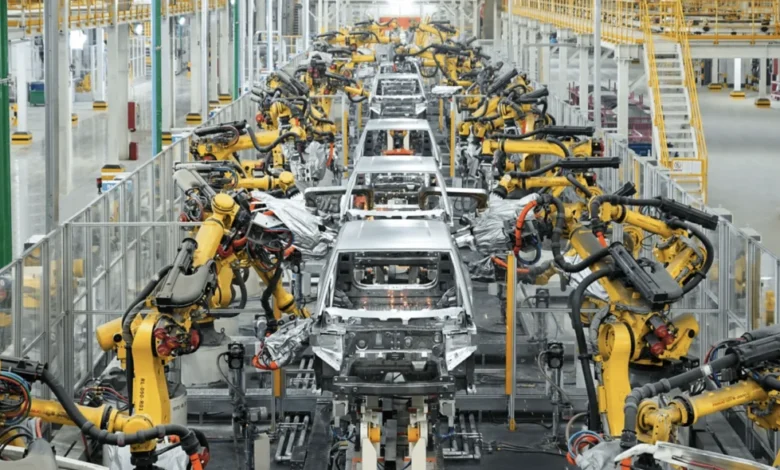
The automotive industry is witnessing a profound structural shift as Chinese electric vehicle (EV) giant BYD accelerates recruitment at its massive Xi’an manufacturing facility. According to recent notices from local employment agencies and reports from financial media outlets like Yicai, BYD is actively onboarding more than 8,000 production workers across its various plants within the sprawling Shaanxi province manufacturing base. This aggressive hiring campaign highlights an intriguing dynamic in the modern automotive landscape: while fierce domestic price competition and cooling local demand have compressed margins within mainland China, explosive international appetite is absorbing excess industrial capacity at a breathtaking pace.
As the single largest manufacturing hub in BYD’s global empire, the Xi’an complex represents a critical nexus for the automaker’s export-driven strategy. Spanning four distinct factory phases, the site possesses a combined annual production capacity of up to 1.5 million vehicles and managed to roll out more than one million units throughout 2024 alone. The current hiring surge is designed to capture the momentum of surging international orders, effectively transforming China into an indispensable export fortress that feeds burgeoning markets across Europe, Latin America, Southeast Asia, and beyond.
A Chronology of Operational Disruptions and Factory Turnarounds
To fully understand the urgency behind BYD’s current labor drive, one must examine the operational turbulence the company navigated earlier in the year. The initial months of 2026 presented significant manufacturing bottlenecks as BYD executed a comprehensive technological transition. The automaker systematically upgraded its production lines to accommodate the rollout of its second-generation Blade Battery cells—a proprietary safety-focused battery architecture central to the company’s competitive edge.
These necessary assembly line modifications temporarily crippled output across several popular model lines. Faced with constrained production capacities at the Xi’an hub, management implemented strategic labor reallocations, temporarily downsizing the local workforce and transferring experienced manufacturing personnel to newer, rapidly expanding operations in regions such as Zhengzhou, Hefei, and the Shenzhen-Shanwei cooperation zone.
However, industry experts note that this period of constraint has definitively closed. Feng Lei, head of the industrial research institute at market research firm HSMAP, observed that all four Xi’an manufacturing phases have successfully normalized their production schedules. Yet, this operational recovery intersected with a dramatic wave of inbound export orders, instantly converting a temporary lull into an acute labor shortage.
Regional industrial data from China’s National Bureau of Statistics illustrates the dramatic scale of this V-shaped turnaround. Vehicle production figures for broader Shaanxi province suffered a severe contraction during the first seven months of 2026, plunging nearly 50% year-on-year. The tide turned decisively in August, when regional output reached 138,900 vehicles. This figure represents a staggering 55.4% rebound compared to July and a crucial 17.9% increase over the same period in the previous year, validating the operational recovery of the Xi’an base.
Targeting Skilled Labor Amid Heightened Production Standards
BYD’s ongoing recruitment campaign is notable not merely for its scale, but for the specific skill sets it demands. Rather than seeking general, entry-level assembly labor, the automaker’s regional notices target experienced professionals specializing in critical heavy-manufacturing domains, specifically welding, painting, and final vehicle assembly.
To attract top-tier talent in an increasingly competitive domestic labor market, BYD has authorized lucrative compensation packages. Successful applicants are being offered signing bonuses reaching up to RMB 6,000 (approximately US$890), alongside competitive monthly wages scaling up to RMB 10,000. These financial incentives reflect the complex nature of the vehicles produced at the facility. Xi’an is tasked with manufacturing high-volume, technologically advanced models from BYD’s flagship Dynasty and Ocean lineups, alongside select units from the company’s burgeoning portfolio of premium sub-brands.
The manufacturing precision required for these modern new energy vehicles (NEVs)—particularly concerning automated welding processes and sophisticated paint applications for lightweight chassis—demands an experienced workforce capable of maintaining strict quality control standards while operating at high assembly speeds.
Domestic Softness Met by International Expansion
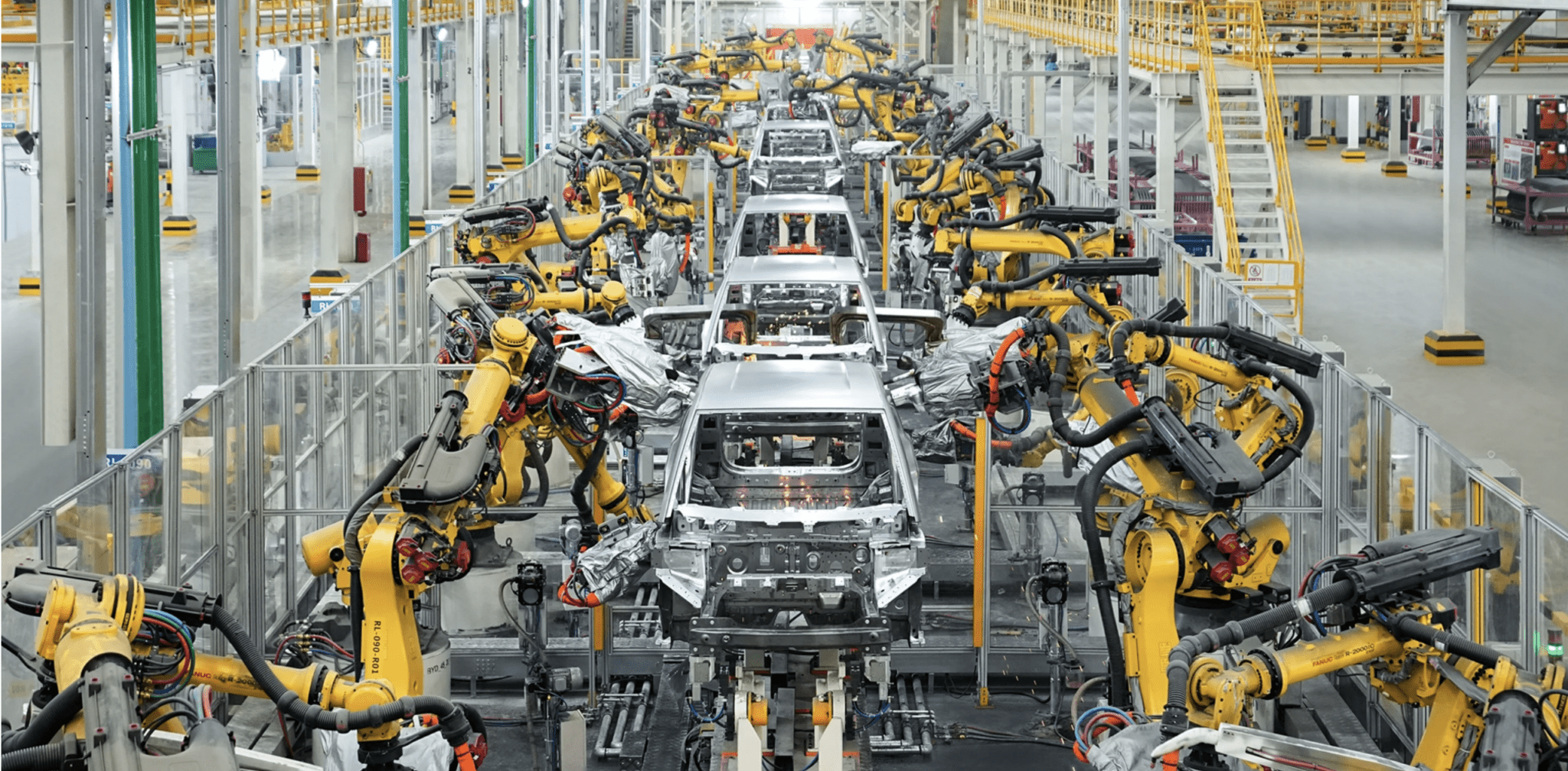
The underlying rationale for this rapid workforce expansion becomes glaringly apparent upon analyzing BYD’s comprehensive sales data for August. The automaker shattered previous corporate records by selling 440,293 new energy vehicles in a single month, marking a robust 17.8% year-on-year increase. A closer examination of these figures, however, reveals a stark divergence between domestic and international performance.
While domestic sales within mainland China experienced a 14.3% decline—attributable to an unforgiving domestic price war and market saturation—overseas shipments exploded. International sales skyrocketed by an unprecedented 134.5% year-on-year, reaching a historic high of 189,466 vehicles in August alone.
Analyst Feng Lei points out that while export-facing production lines are currently operating at maximum capacity to satisfy global demand, lines dedicated to the domestic market continue to battle intense margin pressures. Consequently, achieving a complete return to historical peak annual output across all domestic facilities remains a complex challenge, making international markets the primary engine of factory utilization.
Global Supply Chain Realities and Overseas Assembly Strategies
The massive recruitment push in Xi’an challenges the narrative that Chinese automakers are rapidly decoupling their domestic manufacturing bases in favor of establishing fully localized overseas operations. While globalization strategies often imply a shift toward decentralized manufacturing, BYD’s operational model demonstrates that its domestic factories remain inextricably linked to its international ambitions.
Despite establishing regional assembly plants in key overseas markets such as Thailand, Brazil, and Hungary, BYD continues to rely heavily on its vertically integrated domestic supply chain in China. Critical core components—including second-generation Blade Batteries, advanced e-Platform 3.0 powertrains, and proprietary integrated electronics—are predominantly manufactured within domestic hubs like Xi’an before being shipped abroad for final assembly.
This operational reality was underscored earlier in September, when Alfredo Altavilla, BYD’s Special Adviser for Europe, outlined the company’s long-term European strategy. Altavilla asserted that to cement its footprint in Europe, BYD will ultimately require three regional vehicle assembly plants and a dedicated local battery manufacturing facility.
Nevertheless, industry analysts emphasize that existing overseas facilities function primarily as tariff-compliant final assembly and kit-processing sites. They rely fundamentally on components sourced from master manufacturing centers in China. Because of this structural interdependence, BYD’s global expansion remains tightly anchored to the operational health and stability of domestic plants like Xi’an. Any unexpected bottleneck—whether stemming from advanced technological transitions, regulatory shifts, or localized labor shortages—would likely manifest as delayed shipments and delivery bottlenecks in European and Latin American markets long before registering as an operational crisis abroad.
Broader Economic Implications and Industry Outlook
The events unfolding at BYD’s Xi’an complex offer a clear window into the broader macroeconomic trends shaping the global automotive sector. As legacy automakers in Europe and North America grapple with the high costs of electrification and regulatory compliance, Chinese NEV pioneers are leveraging unmatched economies of scale and vertically integrated supply chains to capture market share across developing and developed economies alike.
At the same time, the reliance on export markets to offset domestic overcapacity has heightened trade tensions. Regulatory bodies in the European Union and other jurisdictions are closely monitoring the surge in Chinese EV imports, implementing stringent anti-subsidy investigations and tariff measures designed to protect domestic manufacturing ecosystems. BYD’s aggressive pivot toward establishing regional plants in Hungary, Brazil, and Thailand is, in many ways, a tactical maneuver designed to navigate these evolving trade barriers while preserving the foundational role of its Chinese supply chain.
Ultimately, BYD’s decision to onboard thousands of skilled workers in Xi’an is a calculated bet on the sustained trajectory of global EV adoption. By balancing domestic market headwinds with explosive international demand, the automaker is reinforcing its position as a dominant global force. As international shipments continue to shatter records, the humming assembly lines of Shaanxi province will remain the beating heart of BYD’s global empire, bridging the gap between domestic manufacturing prowess and worldwide mobility solutions.
Related posts: