California Taxpayer Money Funded Nearly $600,000 In Reimbursements For High-Speed Rail Consultants To Uber To Bars, Investigation Finds


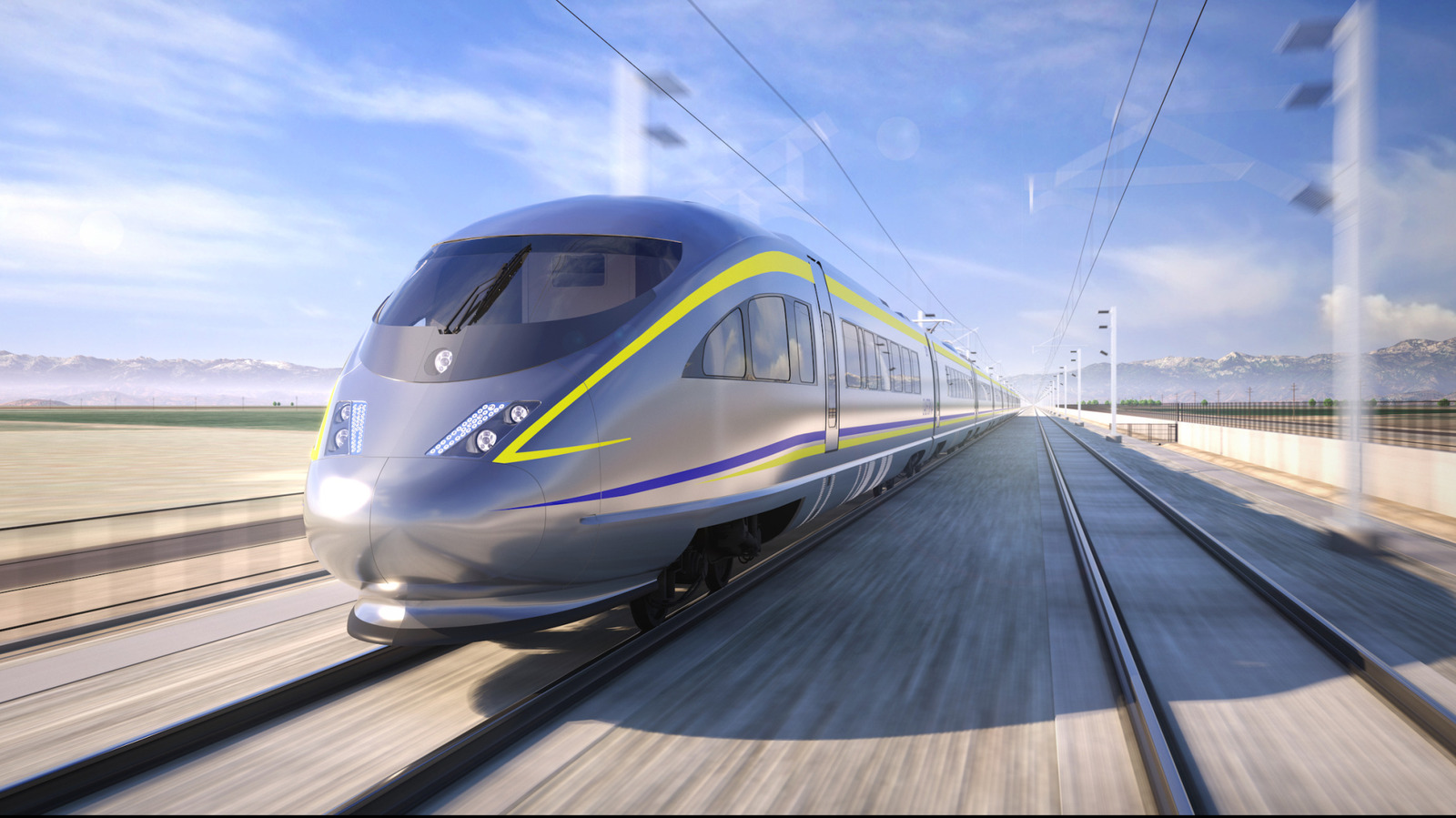
The dream of a high-speed rail network connecting the urban hubs of California—a project intended to revolutionize domestic travel and reduce the state’s carbon footprint—has long been stalled by fiscal mismanagement, bureaucratic inertia, and a ballooning cost structure. Now, a recent investigation by the Office of the Inspector General (OIG) has unveiled a new layer of controversy: the misuse of hundreds of thousands of dollars in public funds to reimburse external consultants for luxury travel, nightlife excursions, and unauthorized international trips.
This revelation comes at a critical juncture for the California High-Speed Rail Authority (HSRA), which has faced skepticism for years as the project’s completion date has slipped from its original 2020 target into an increasingly uncertain future. The report suggests that while the physical tracks for the high-speed line remain largely unlaid, the coffers of the Authority have been drained by the very firms hired to oversee the project’s development.
A History of Stalled Ambition and Rising Costs
To understand the severity of the recent audit, one must examine the trajectory of the California High-Speed Rail project. Voters initially approved a $9.95 billion bond measure in 2008 to jumpstart the initiative, which was pitched as a transformative high-speed corridor connecting San Francisco to Los Angeles in under three hours. At the time, the total cost was estimated at approximately $33 billion.
In the years that followed, the project became a lightning rod for political debate. Critics argued that the financial projections were overly optimistic, while proponents maintained that the environmental and economic benefits of high-speed rail were essential for the state’s growth. However, by 2023, those projections had become obsolete. Estimates for the project’s total cost have surged to $126 billion, a nearly fourfold increase from initial estimates. This fiscal volatility has fueled a narrative of government incompetence, a sentiment only worsened by the recent OIG report regarding consultant expenditures.
The Findings: Where the Money Went
The OIG investigation, released in late 2026, details a two-year period during which the HSRA authorized approximately $600,000 in reimbursements to consultants without sufficient oversight or documentation. The report explicitly highlights that the HSRA failed to enforce internal travel policies, allowing taxpayer money to be funneled into personal expenses that fall far outside the scope of infrastructure development.
Among the most egregious findings are:
- Nightlife and Leisure: Consultants were reimbursed for Uber rides to and from nightclubs, tiki bars, and cigar lounges. Some of these rides occurred between the hours of 9:40 p.m. and 2:30 a.m., times that are generally inconsistent with standard professional working hours.
- Fitness Expenses: Despite an explicit internal directive from supervisors stating that the state does not cover rideshare services to gyms, the Authority continued to reimburse consultants for recurring trips to Planet Fitness locations.
- Unauthorized International Travel: Contracts signed by the consulting firms explicitly prohibited international travel at the state’s expense. Nevertheless, the investigation found that the HSRA reimbursed $118,000 in international travel costs, a flagrant violation of contractual terms.
- Lack of Oversight: The OIG found that at least $685,500 in payments were greenlit to four major consulting firms—KPMG LLP, AECOM-Fluor Joint Venture, and SYSTRA/TYPSA Joint Venture—without the required prior approval for travel and expenses.
The Institutional Response
When confronted with these findings, the response from the HSRA was notably defensive. According to documents cited by CalMatters, the Authority suggested that it did not need to provide granular justification for every consultant’s trip, a stance the Inspector General’s office dismissed as "fundamentally incorrect."
The four consulting firms involved in the investigation have remained largely silent. Despite requests for comment from various media outlets, including CalMatters, none of the firms—KPMG, AECOM-Fluor, or SYSTRA/TYPSA—have provided a public explanation for the nature of these expenses or why they were submitted for reimbursement.
This lack of transparency has prompted calls for legislative intervention. A bill currently pending before Governor Gavin Newsom aims to grant the Inspector General’s office broader oversight powers, specifically targeting the Authority’s ability to manage its budget and consultant contracts. Whether the governor signs this bill into law by the September 30 deadline is expected to be a litmus test for the state’s commitment to accountability within the HSRA.
Broader Implications for American Infrastructure
The scandal highlights a systemic aversion to public investment that has characterized American infrastructure policy for decades. While nations such as Japan, France, and China have successfully integrated high-speed rail into their national transit grids, the United States remains tethered to a model of rugged individualism that prioritizes personal vehicle ownership and short-term individual profit.
Critics argue that the California high-speed rail debacle is a symptom of a deeper cultural and political problem. Because there is little political appetite for the slow, often unglamorous work of building robust, taxpayer-funded public transit systems, such projects are often privatized or outsourced to consultants who operate with limited public oversight. When the primary goal of these private entities is profit-maximization rather than public service, the result is often the exact type of waste and mismanagement seen in the recent audit.
Furthermore, the "self-made" ethos that dominates American political discourse often obscures the reality that large-scale infrastructure requires collective, long-term commitment. When that commitment is broken by corruption or mismanagement, the public’s trust in government efficacy erodes. This erosion makes it increasingly difficult for legislators to secure the funding necessary for future infrastructure projects, effectively trapping the nation in a cycle of decay and underinvestment.
Future Outlook and Next Steps
The OIG has made several recommendations to the HSRA, including the implementation of stricter travel policies, mandatory pre-approval processes for all consultant expenses, and a more rigorous audit trail for all taxpayer-funded activities. The office has also signaled that it will conduct a follow-up evaluation of the Authority’s finances in March 2027 to ensure that these reforms are being implemented.
However, for the average Californian, the damage to the project’s reputation may be irreversible. With billions of dollars spent and very little tangible progress to show in terms of operational rail, the project has become a symbol of government excess. The challenge for the Authority moving forward is not merely to account for the $600,000 in mismanaged funds, but to restore credibility to an project that is struggling to justify its continued existence.
As the state approaches the March 2027 audit, the pressure on the HSRA will only intensify. If the Authority fails to demonstrate a significant shift in its management culture and fiscal discipline, it may find that the political support required to complete the project—however delayed or diminished—will evaporate entirely. For now, the California high-speed rail project stands as a cautionary tale of how the intersection of ambitious public goals and weak internal oversight can lead to the squandering of public trust and taxpayer resources.
Related posts: