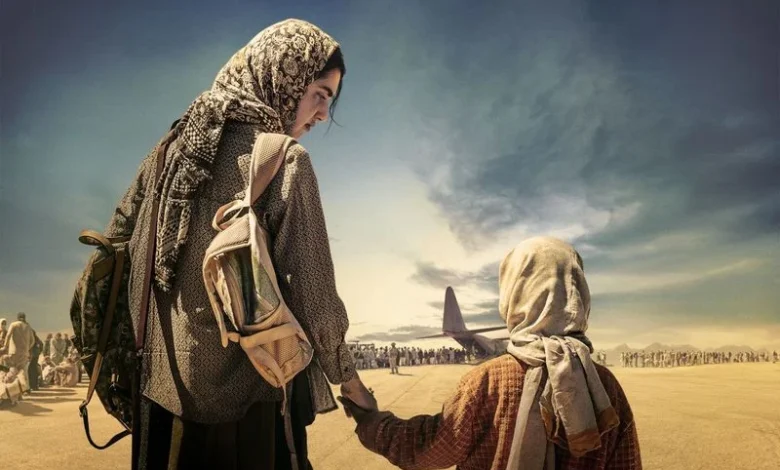
The BBC has secured the broadcast rights for the gripping new series Kabul, a drama set against the backdrop of the harrowing real-life events that unfolded in Afghanistan in 2021. This significant acquisition marks one of the final projects to feature the late Eric Dane, a talented actor whose passing earlier this year sent ripples through the entertainment industry. The Kabul series, a production by Mediawan for the European Alliance of broadcasters, is slated to premiere on the BBC next month, offering a visceral dramatization of a critical period in recent global history.
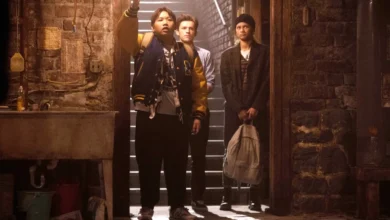
The narrative of Kabul commences with the precipitous withdrawal of American troops from Afghanistan and the swift, dramatic re-entry of the Taliban into the capital city. Against this backdrop of seismic political and military upheaval, the Nazany family finds themselves caught in the crosshairs, compelled to embark on a desperate flight for survival. Like countless other civilians, they live under the pervasive shadow of potential retaliation, a fear amplified by the looming threat of attacks from ISIS-K, a regional affiliate of the Islamic State group. In this environment of escalating chaos and profound uncertainty, international efforts to manage the overwhelming influx of civilians become a central focus. French police officers, Italian diplomats, German military personnel, and American intelligence services are depicted as being forced to forge an unlikely and complex coordination to navigate the humanitarian crisis.
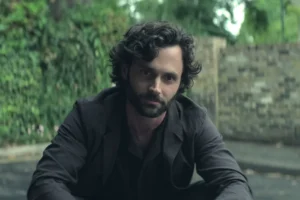
Eric Dane, who tragically passed away earlier this year at the age of 53, portrayed Martin in the series. Dane, widely recognized for his impactful roles in Euphoria and Grey’s Anatomy, leaves behind a legacy of compelling performances, and his participation in Kabul adds a poignant layer of significance to the series. The international cast surrounding Dane is a testament to the project’s global scope and ambition, featuring notable talents such as Darina Al Joundi (The New Look), Shervin Alenabi (Tehran), Vassilis Koukalani (Kandahar), Hannah Abdoh, Jonathan Zaccaï (Le bureau des legends), Gianmarco Saurino (L’estate più calda), and Jeanne Goursaud (Pax Massilia). This ensemble cast promises to bring a rich diversity of perspectives and acting prowess to the unfolding drama.
The European Alliance and BBC’s Role
Kabul is a product of Mediawan, with global sales managed by Mediawan Rights. The series was originally conceived for the European Alliance of broadcasters, a consortium that includes prominent public service broadcasters such as Germany’s ZDF, Italy’s Rai, and France Télévisions. While the BBC is not a formal member of this specific Alliance, its involvement in Kabul is not unprecedented. The British broadcaster has a history of collaborating on ambitious international co-productions, notably the adaptation of Around the World in 80 Days, demonstrating a commitment to delivering compelling global narratives to its audience.
Nick Lee, Head of BBC Programme Acquisition, articulated the significance of Kabul in a statement, emphasizing its high stakes and tragic nature. "Kabul is a tragedy of the highest stakes," Lee remarked. "A warzone story which is propelled by the real ticking clock of the evacuation that was just five years ago this summer. Global politics remain complex, but Kabul dramatises the biggest view of history through the smallest window of a human family." This perspective highlights the series’ intended focus on the personal impact of macro-historical events, grounding the grand narrative in the intimate experiences of individuals.
A Chronicle of Chaos: The August 2021 Evacuation
The events dramatized in Kabul mirror the chaotic and desperate scenes that unfolded in Afghanistan during August 2021. The swift collapse of the Afghan government and the rapid advance of the Taliban following the announcement of the withdrawal of U.S. and NATO forces created an atmosphere of panic and uncertainty. For many Afghans, particularly those who had collaborated with foreign governments or held views perceived as antithetical to the Taliban’s ideology, the prospect of life under their rule was terrifying. This fear was compounded by the presence of terrorist groups, exacerbating the already perilous situation.
The period was characterized by a massive, albeit ultimately insufficient, international effort to evacuate citizens and vulnerable Afghan allies. Airports, particularly Hamid Karzai International Airport in Kabul, became scenes of intense congestion, desperation, and tragedy. Thousands of people thronged the perimeter, seeking any opportunity to escape the country. The international community, including the United States, its allies, and European nations, engaged in a race against time to airlift their nationals and Afghan partners, often under challenging security conditions.
The specific timeline of the final weeks of August 2021 provides critical context for the series:
- August 14, 2021: The Taliban capture Herat and Kandahar, two of Afghanistan’s largest cities, signaling the rapid disintegration of the Afghan National Security Forces.
- August 15, 2021: The Taliban enter Kabul with little resistance. President Ashraf Ghani flees the country, stating his intention to avoid bloodshed. The airport becomes overwhelmed with civilians attempting to evacuate.
- August 26, 2021: A suicide bombing at the Abbey Gate of Hamid Karzai International Airport, claimed by ISIS-K, results in the deaths of 13 U.S. service members and over 170 Afghan civilians. This attack underscores the significant security threats faced by those attempting to flee and by the international forces managing the evacuation.
- August 30, 2021: The final U.S. troops depart Afghanistan, marking the end of America’s 20-year military presence in the country and the Taliban’s de facto control.
The series Kabul aims to capture the human element of this monumental event, illustrating the immense personal toll of political collapse and military withdrawal.
Production and Creative Team
The directorial vision for Kabul is shared by Kasia Adamik, known for her work on No Escape, and Olga Chajdas, who directed Imago. The writing team, responsible for crafting the intricate narrative, includes Olivier Demangel (Class Act), Thomas Finkielkraut (Baron Noir), and Joey Lavy (The Shift). This collaborative effort behind the camera, combined with the on-screen talent, suggests a meticulously crafted and emotionally resonant series.
The production itself is a testament to international cooperation in filmmaking. Produced by Fabienne Servan-Schreiber and Charlotte Ortiz at Cinétévé, with Matthias Weber and Thibault Gast at 24 25 Films, and executive produced by Sandrine Paquot, Kabul represents a significant undertaking in bringing such a sensitive and complex story to the screen. The involvement of multiple production entities and the engagement of a diverse cast and crew underscore the ambition to present a nuanced and authentic portrayal of the events.
Supporting Data and Context
The withdrawal from Afghanistan marked the end of a prolonged and costly military engagement for the United States and its allies. The war, initiated in response to the September 11, 2001, attacks, aimed to dismantle al-Qaeda and remove the Taliban from power. However, over two decades, the conflict evolved, with shifting objectives and persistent challenges in establishing a stable and self-sustaining Afghan government.
The humanitarian crisis that followed the Taliban’s takeover was immense. According to United Nations estimates, millions of Afghans faced displacement and food insecurity. The economic situation deteriorated rapidly, exacerbated by international sanctions and the freezing of Afghan government assets. The return of the Taliban also raised significant concerns regarding human rights, particularly for women and girls, whose access to education and public life was severely curtailed.
The presence of ISIS-K, a rival militant group that has pledged allegiance to the Islamic State, added another layer of complexity and danger. ISIS-K emerged in Afghanistan with a brutal ideology and a track record of carrying out deadly attacks against civilians, the Taliban, and international forces. Their activities during the evacuation period heightened the sense of peril and underscored the fragile security situation.
Broader Impact and Implications
The series Kabul arrives at a time when the geopolitical landscape remains profoundly shaped by the events of 2021. The implications of the withdrawal continue to resonate, influencing international relations, refugee policies, and counter-terrorism strategies. The narrative of Kabul offers a humanistic lens through which audiences can engage with these complex issues, moving beyond abstract political discourse to understand the personal costs of conflict and geopolitical shifts.
The BBC’s acquisition of the series signifies a commitment to providing its viewers with programming that addresses significant global events with depth and sensitivity. By bringing Kabul to a wider audience, the broadcaster aims to foster greater understanding and empathy regarding the experiences of those caught in the maelstrom of historical change. The series promises to be a powerful reminder of the human stories that lie beneath the headlines, exploring themes of resilience, loss, and the enduring search for safety in the face of overwhelming adversity. The finality of Eric Dane’s contribution to this project adds an emotional resonance, ensuring that his presence will be remembered through this compelling portrayal of a pivotal moment in recent history.