Winter Stargazing Guide: A Comprehensive Look at the Celestial Events of 2026 and 2027

The transition into the winter months in the Northern Hemisphere marks the arrival of the most favorable conditions for observational astronomy. As the Earth tilts away from the sun, the extended hours of darkness, combined with a significant reduction in atmospheric humidity in many latitudes, provide a transparent window into the deep cosmos. Throughout December 2026, January 2027, and February 2027, amateur and professional astronomers alike will have access to a spectacular array of planetary alignments, meteor showers, and deep-sky objects. Whether utilizing high-aperture observational telescopes, smart-tracking imaging systems, or simple binocular setups, the coming season offers a rare density of astronomical phenomena.
Lunar and Planetary Dynamics: A Seasonal Overview
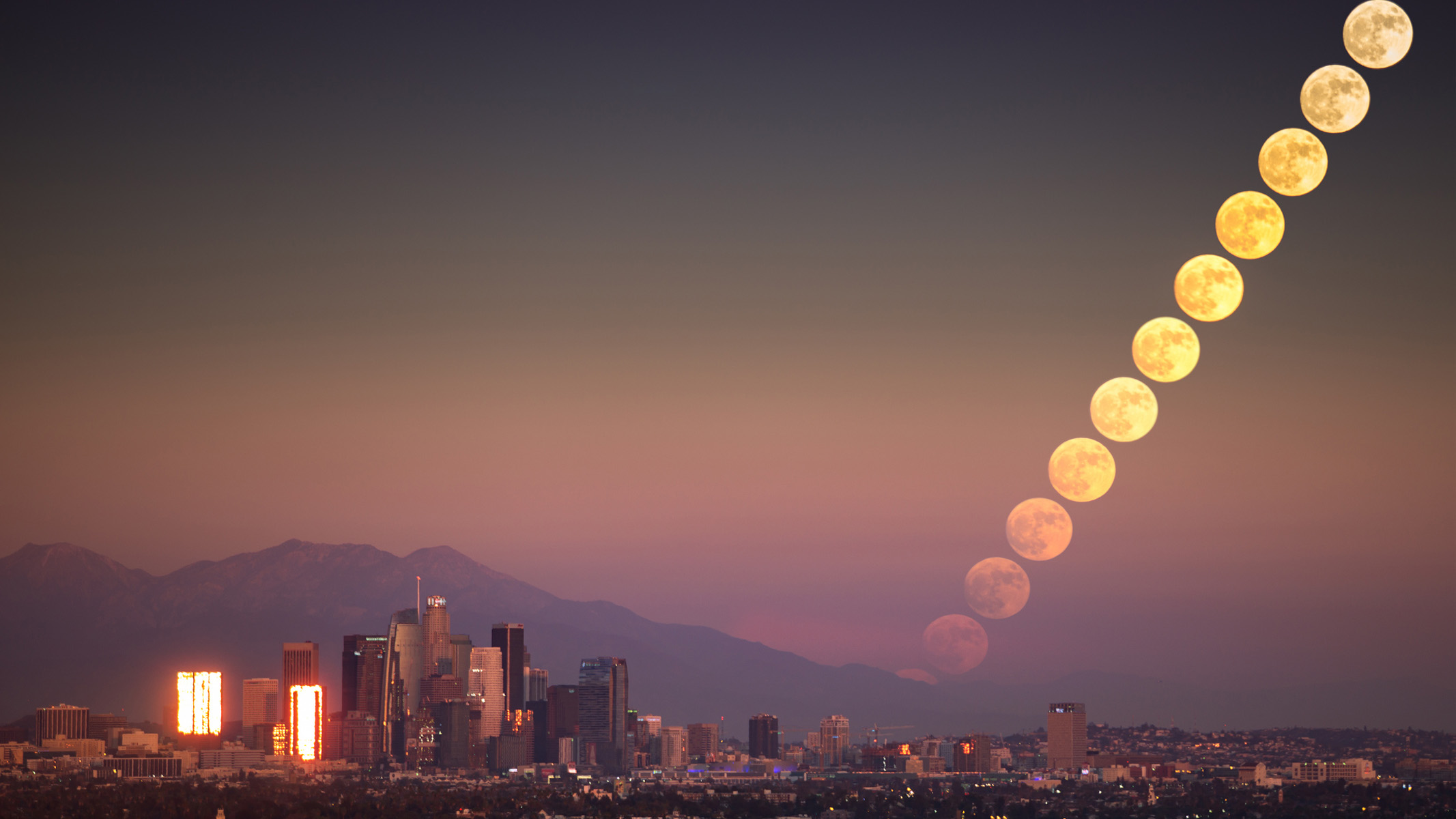
The 2026-2027 winter season is defined by a series of high-profile lunar and planetary events that serve as anchor points for the celestial calendar. Foremost among these are the three consecutive supermoons. A supermoon occurs when a full moon coincides with its perigee—the point in its elliptical orbit closest to Earth. This proximity results in the moon appearing up to 14% larger and 30% brighter than at apogee.
The sequence begins with the "Cold Moon" supermoon, which reaches peak illumination on December 24, 2026, at 01:28 UTC. This event, occurring on Christmas Eve, is followed by the "Wolf Moon" on January 22, 2027, at 12:17 UTC. The final event in this series, the "Snow Moon" supermoon, occurs on February 20, 2027, at 23:24 UTC. The February event is of particular interest to researchers and observers, as it coincides with a penumbral lunar eclipse. During this period, the moon passes through the Earth’s faint outer shadow, resulting in a subtle but observable dimming of the lunar surface, providing a unique data-gathering opportunity for lunar photometry.
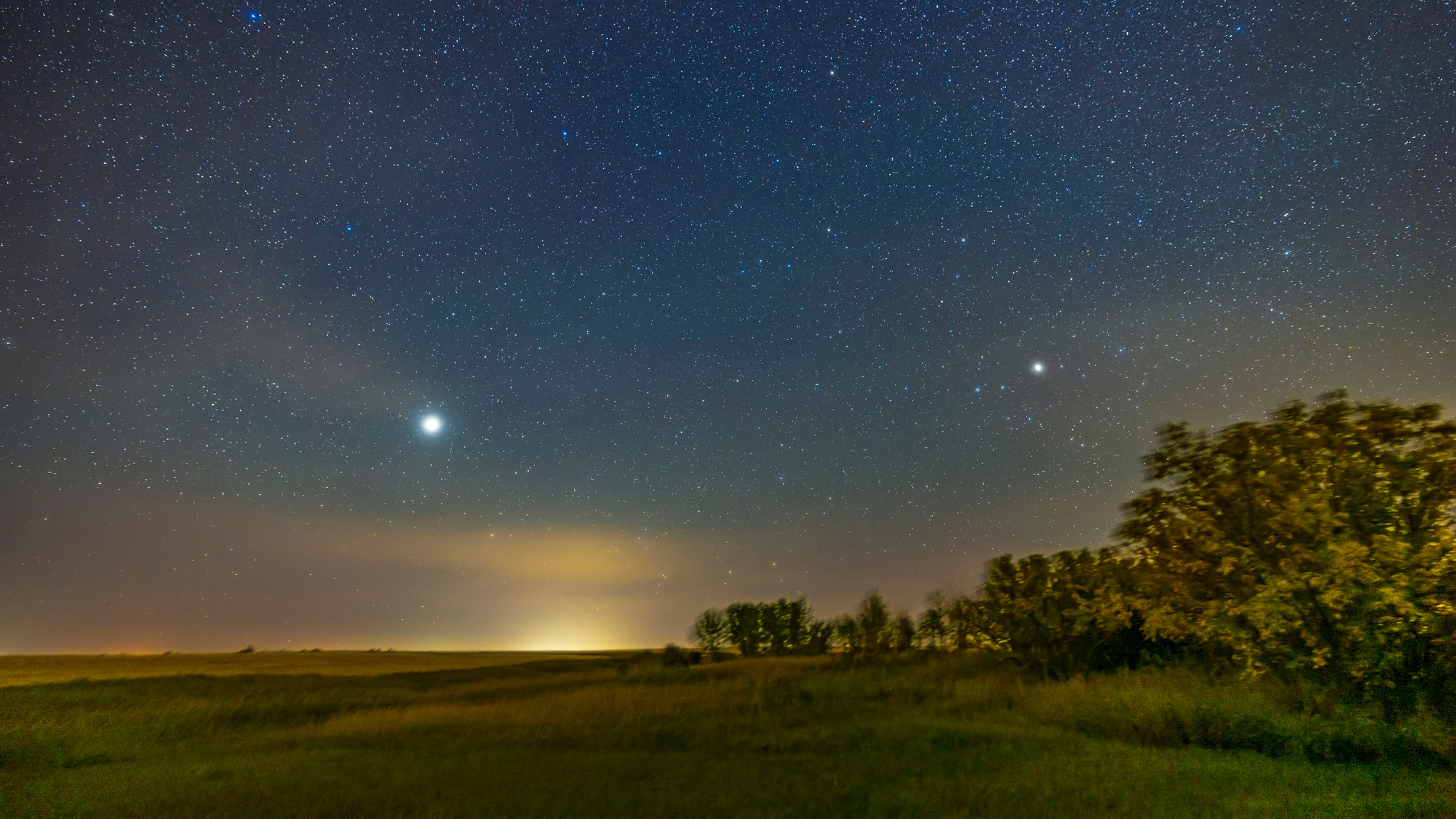
Parallel to these lunar events, the outer gas giants are entering prime viewing windows. Saturn, having returned to the evening sky during the autumn, continues to rise earlier, offering extended observation times. While the planet’s rings are currently in a cycle of subtle narrowing as viewed from Earth—a phenomenon that will not return to its full-tilt maximum for several years—astronomers are reporting increased success in identifying atmospheric banding. For those utilizing telescopes with an aperture of at least 4 to 5 inches and magnification exceeding 100x, the planet provides a stark contrast against the dark background.
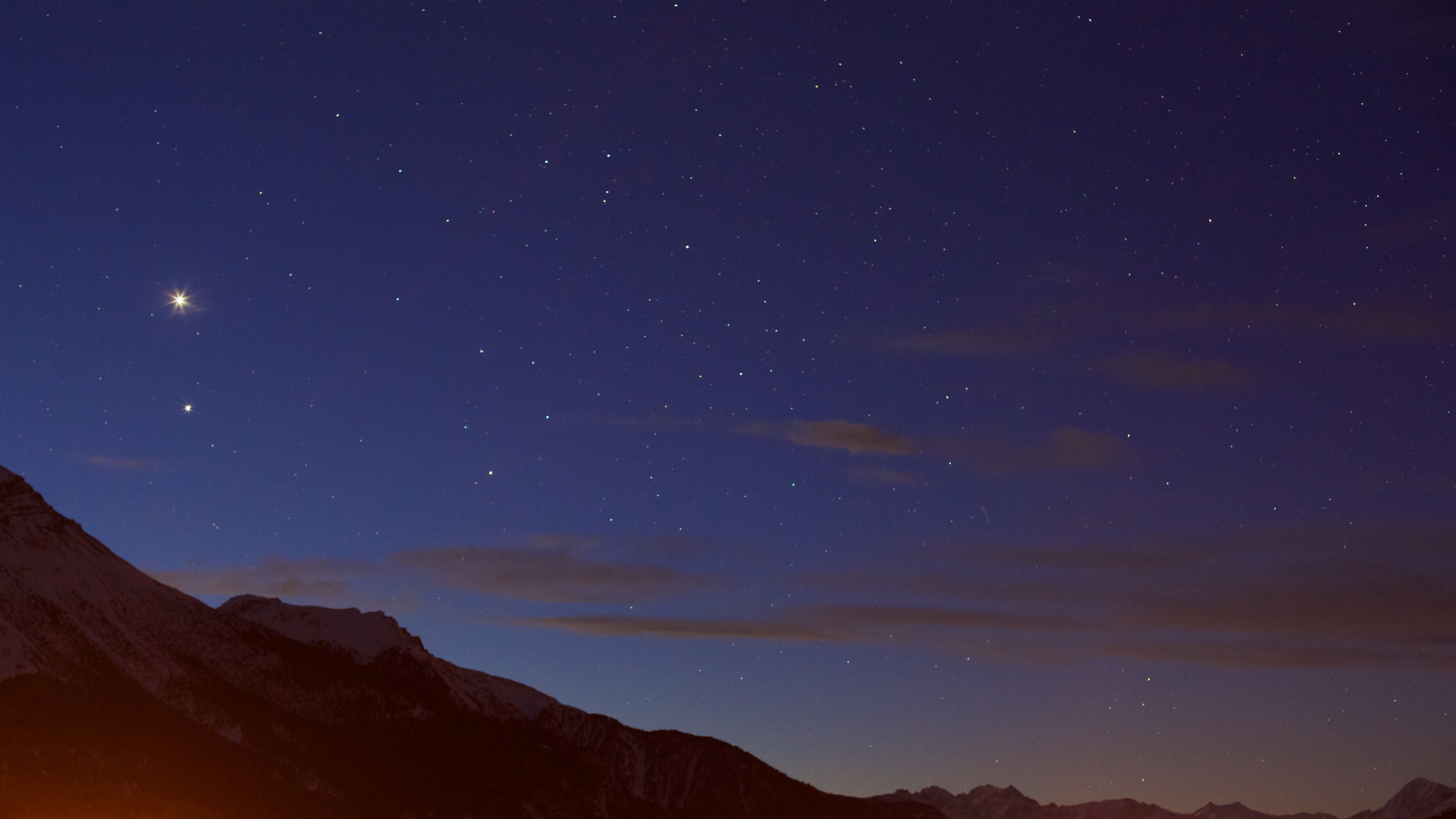
Jupiter will reach opposition on February 10-11, 2027. Opposition occurs when the Earth passes directly between the sun and a superior planet, placing the planet at its closest approach to Earth for the year. During this window, Jupiter will reach its peak apparent magnitude, appearing as the brightest object in the night sky after the moon and Venus. This is the optimal time for identifying the Great Red Spot and the transits of the four Galilean moons: Io, Europa, Ganymede, and Callisto.
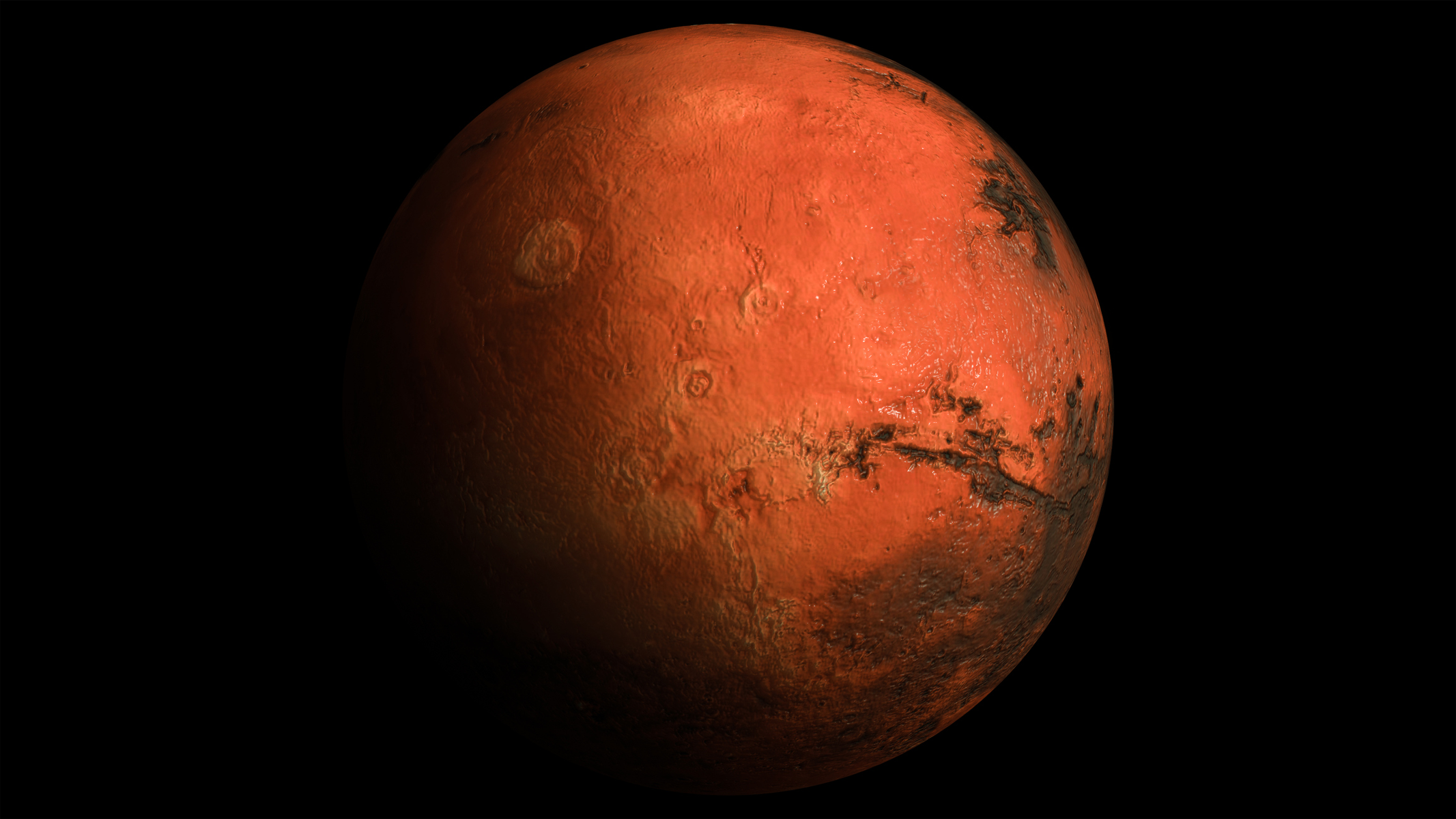
Mars will also reach opposition on February 19, 2027. Unlike the gas giants, Mars presents a greater challenge due to its smaller size and lower-contrast surface features. Even at its closest approach, Mars requires high-quality optics, motorized tracking mounts, and favorable atmospheric "seeing" conditions to distinguish topography beyond simple orange hues.
Meteor Showers and Solar Phenomena
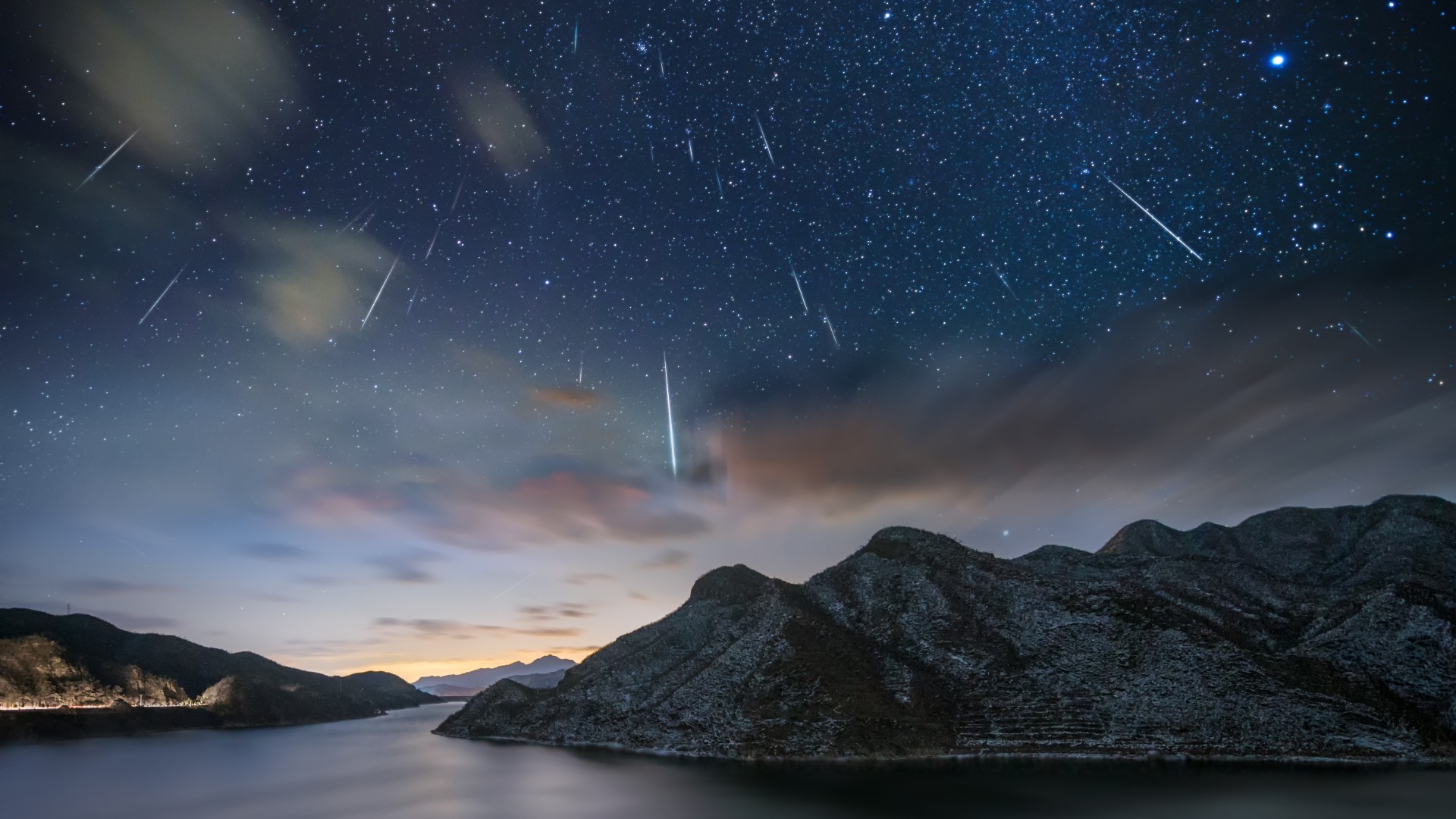
Beyond planetary motion, the winter sky features three distinct meteor showers, each with unique origins and characteristics. The Geminids, active from December 4 to 20, reach their peak on the night of December 13-14, 2026. Unlike most meteor showers which originate from the debris of icy comets, the Geminids are associated with the asteroid 3200 Phaethon. Because this debris is denser than typical cometary dust, the resulting meteors often manifest as brighter, high-velocity fireballs. With an expected peak rate of 120 to 150 meteors per hour, the Geminids are widely considered the most prolific annual meteor event.
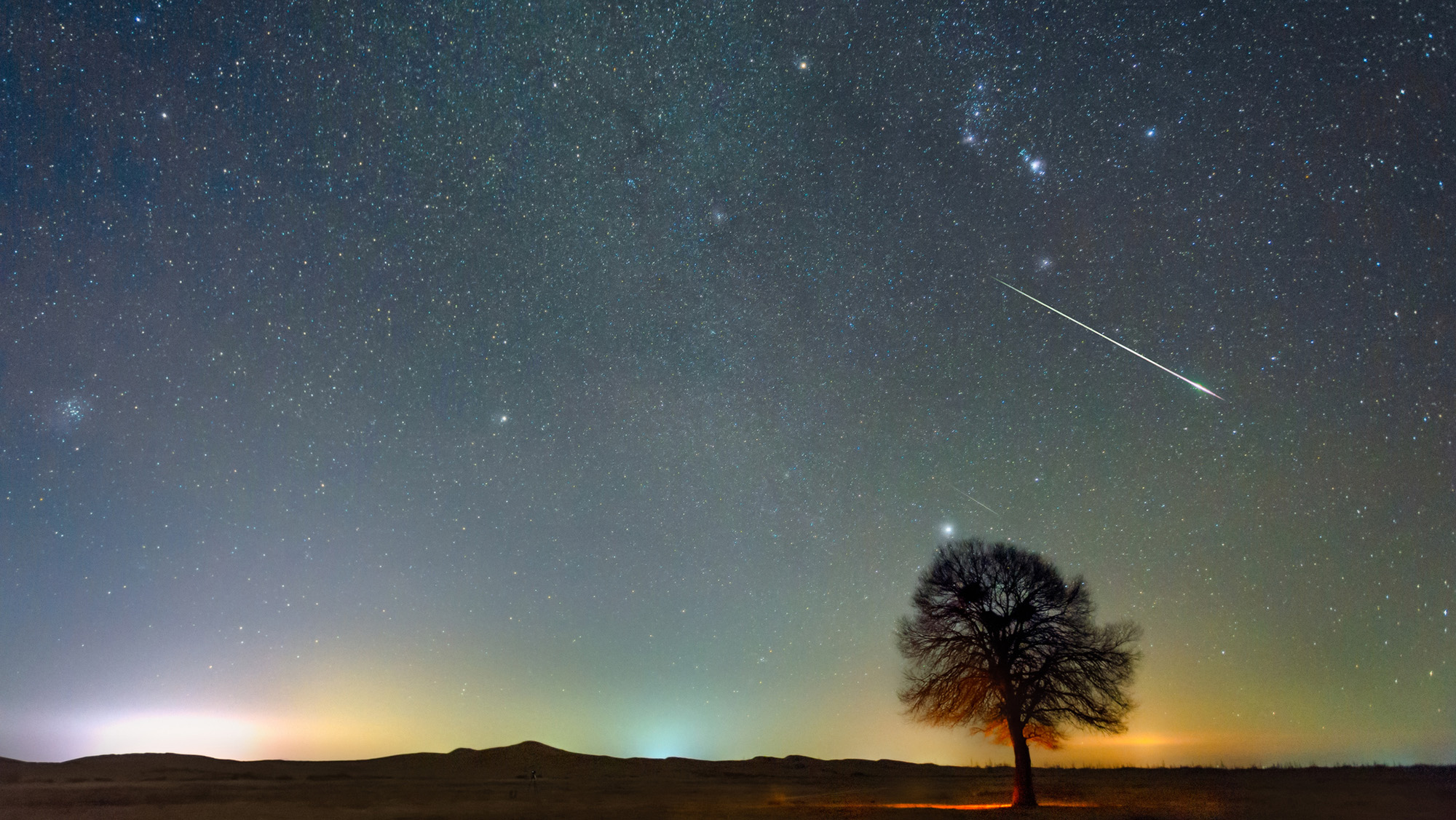
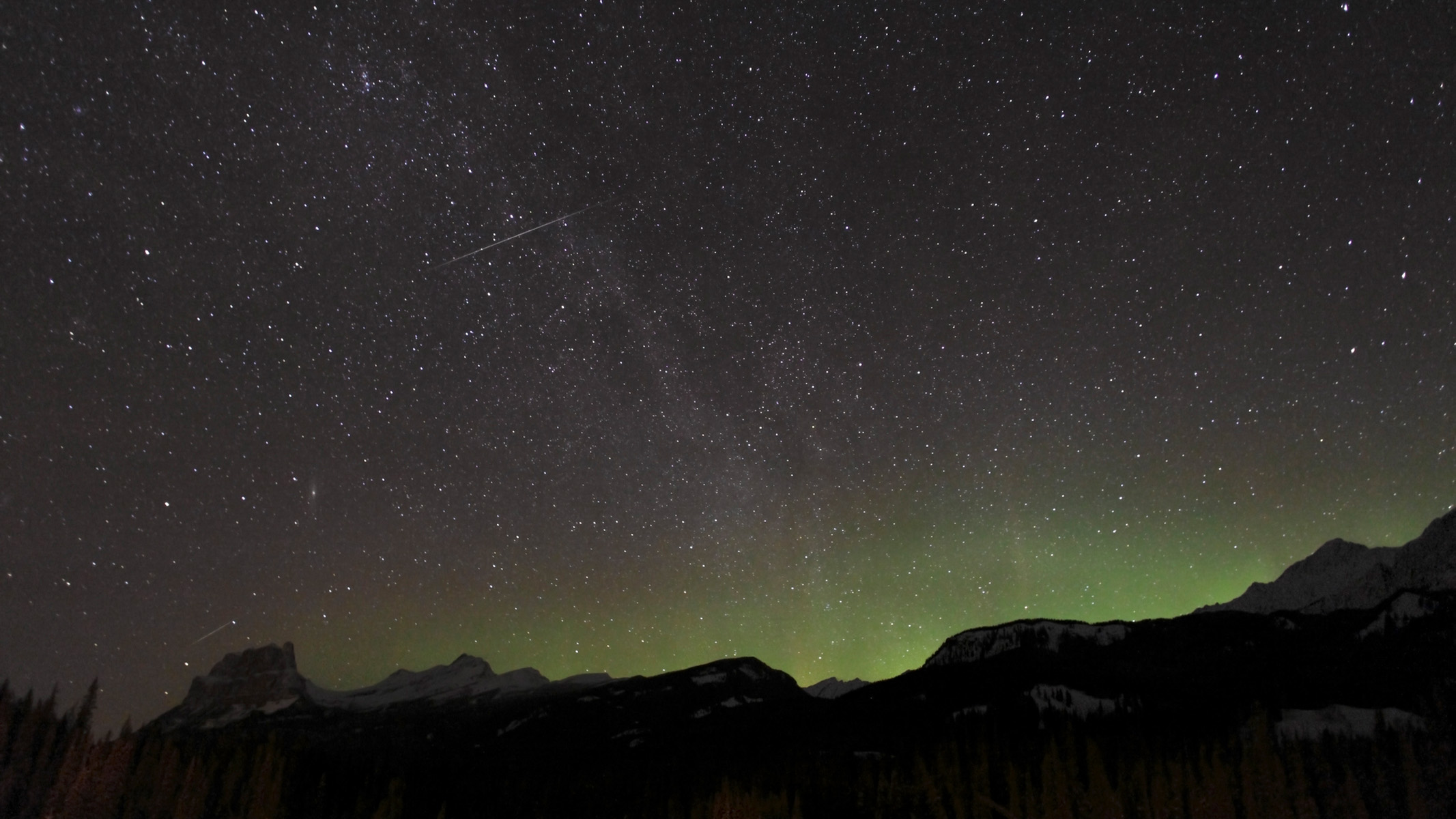
Following the Geminids, the Ursids peak on December 22-23, 2026. While the Ursids are more modest in activity—averaging 5 to 10 meteors per hour—they are notable for their proximity to the celestial pole, making them a consistent feature for Northern Hemisphere observers. Finally, the Quadrantids, which peak on the night of January 3-4, 2027, offer a late-season display with up to 120 meteors per hour. The radiant point for the Quadrantids is located in the constellation Boötes.
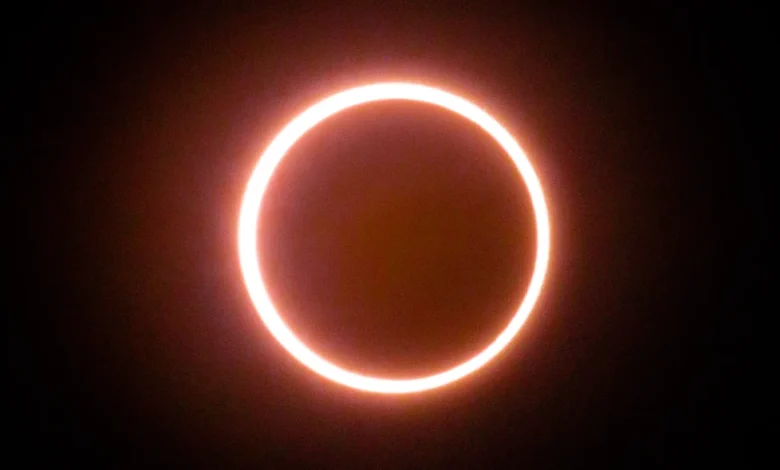
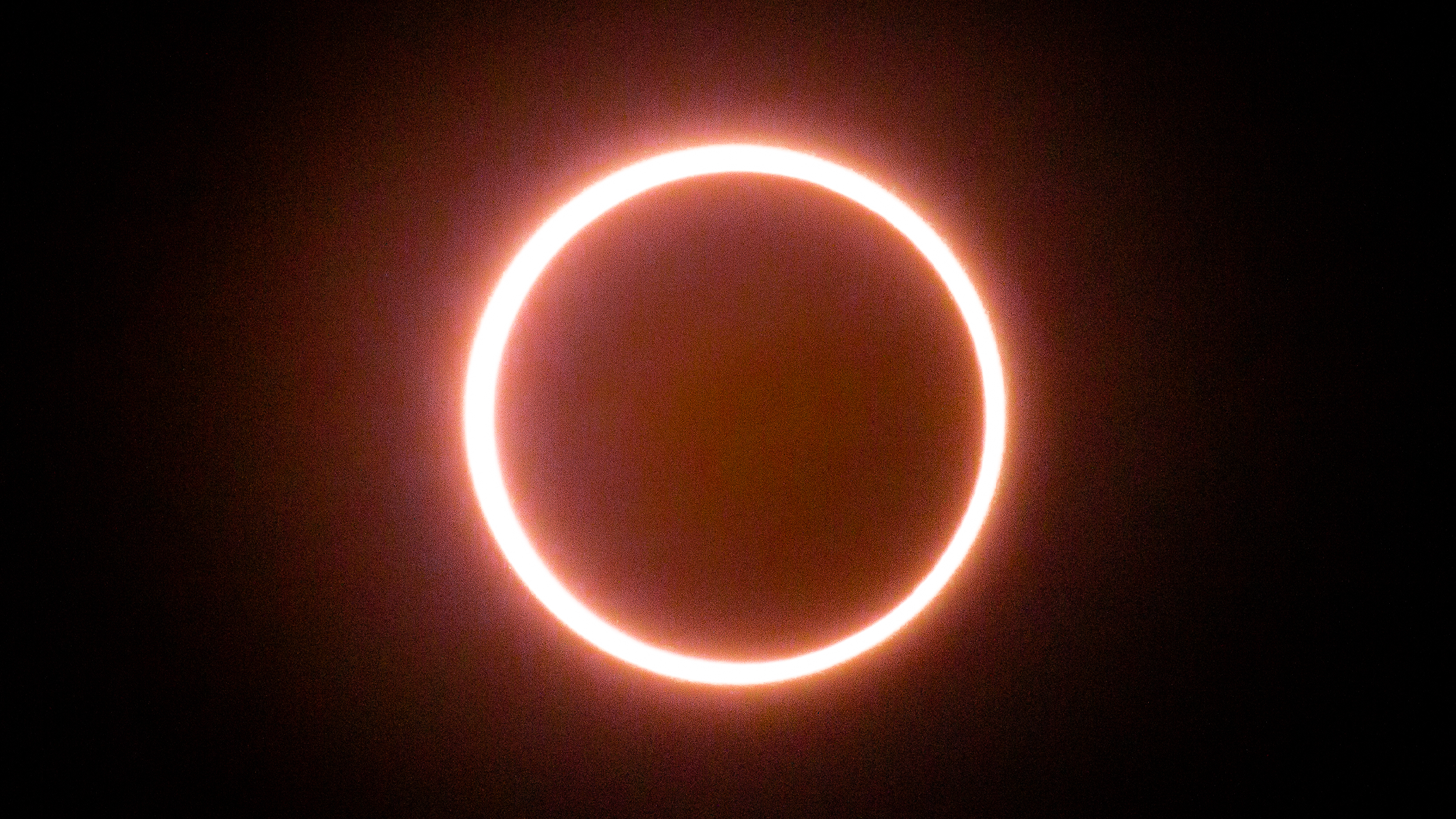
Solar observers in specific regions of the Southern Hemisphere—notably South America and parts of Africa—will witness an annular solar eclipse on February 6, 2027. This "ring of fire" eclipse occurs when the moon, at its farthest point from Earth (apogee), covers the center of the solar disk. The resulting visual effect leaves a thin ring of sunlight visible, distinct from a total solar eclipse where the sun is entirely obscured.
Constellations and Galactic Landmarks
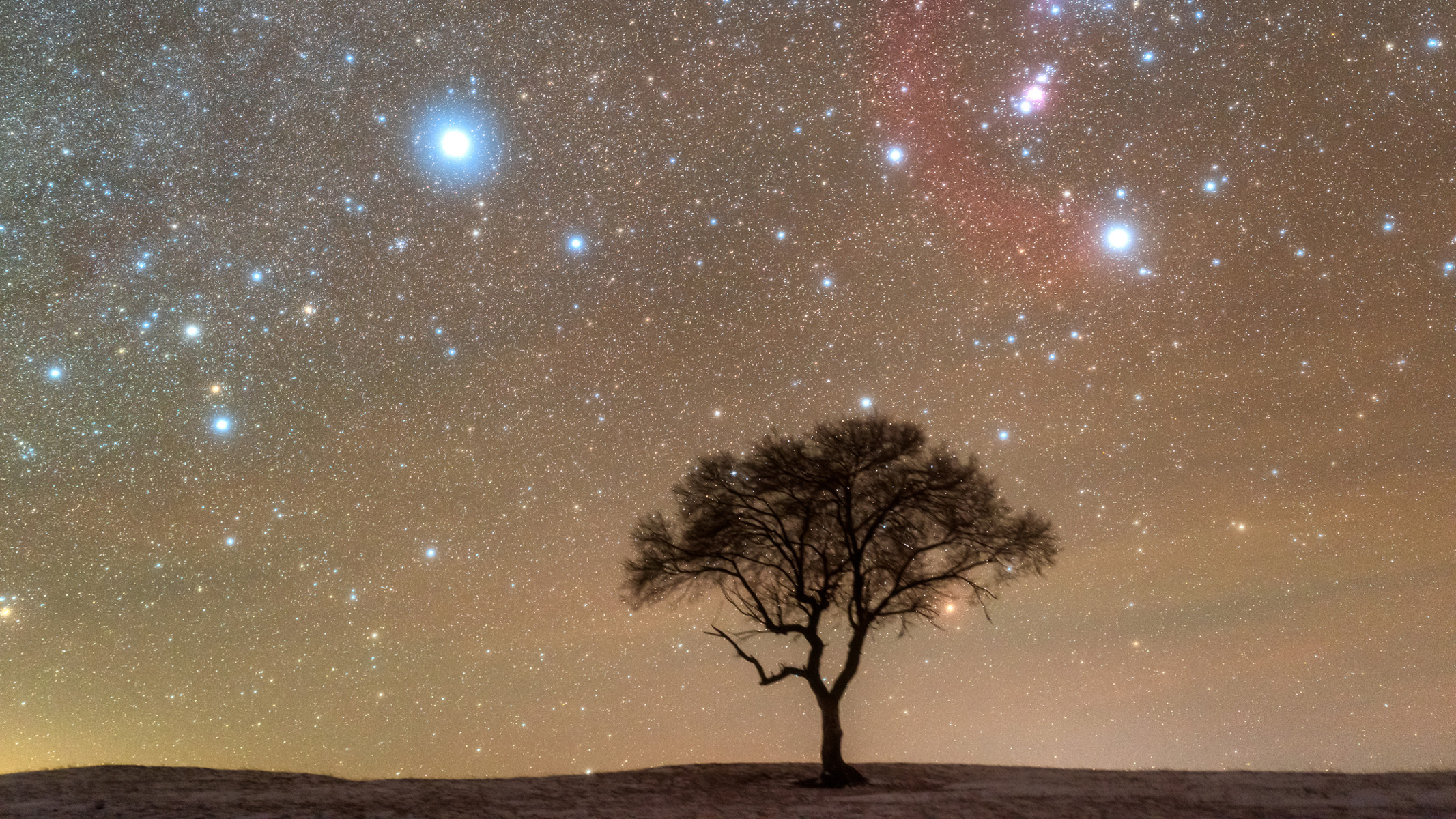
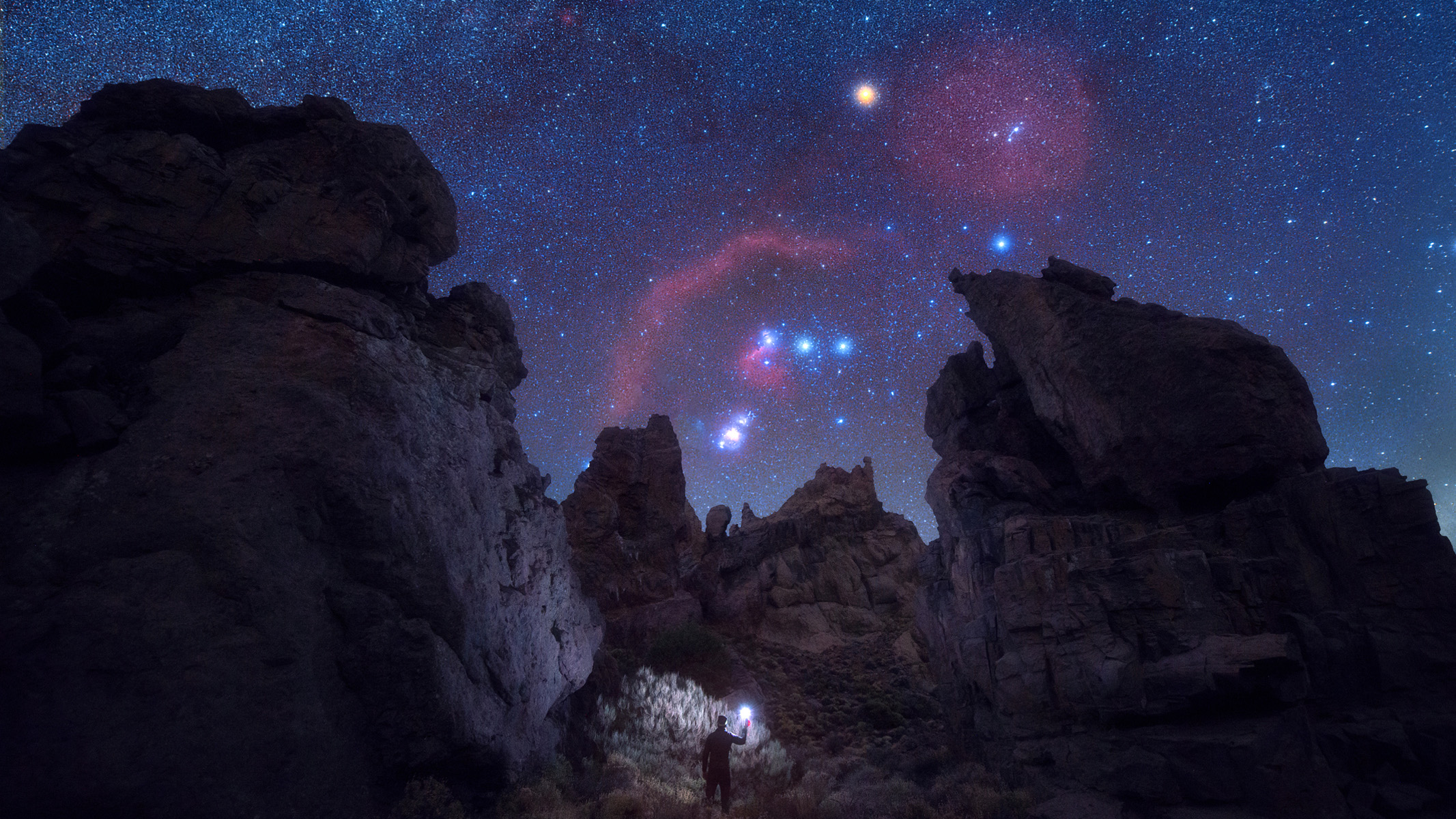
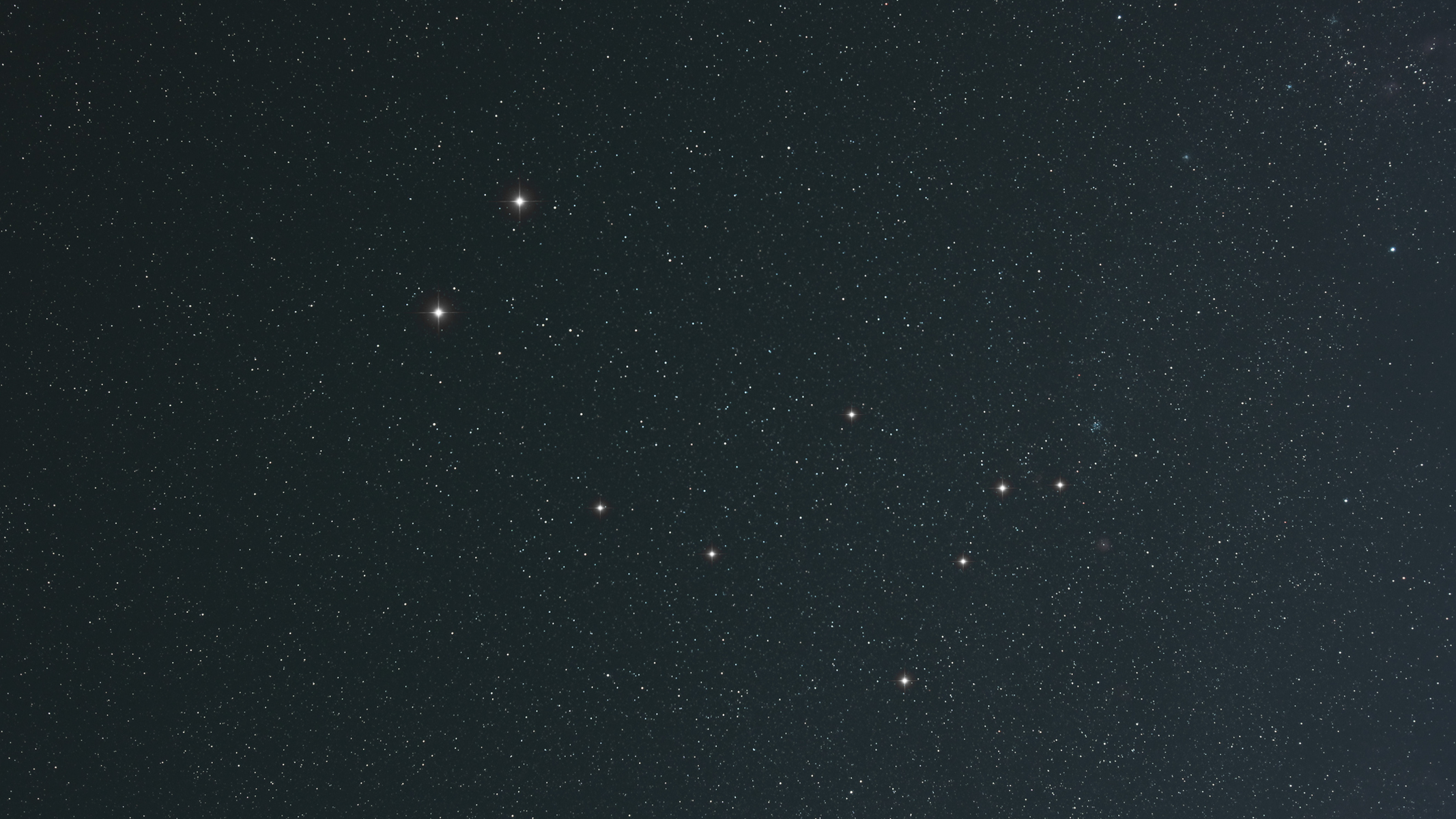
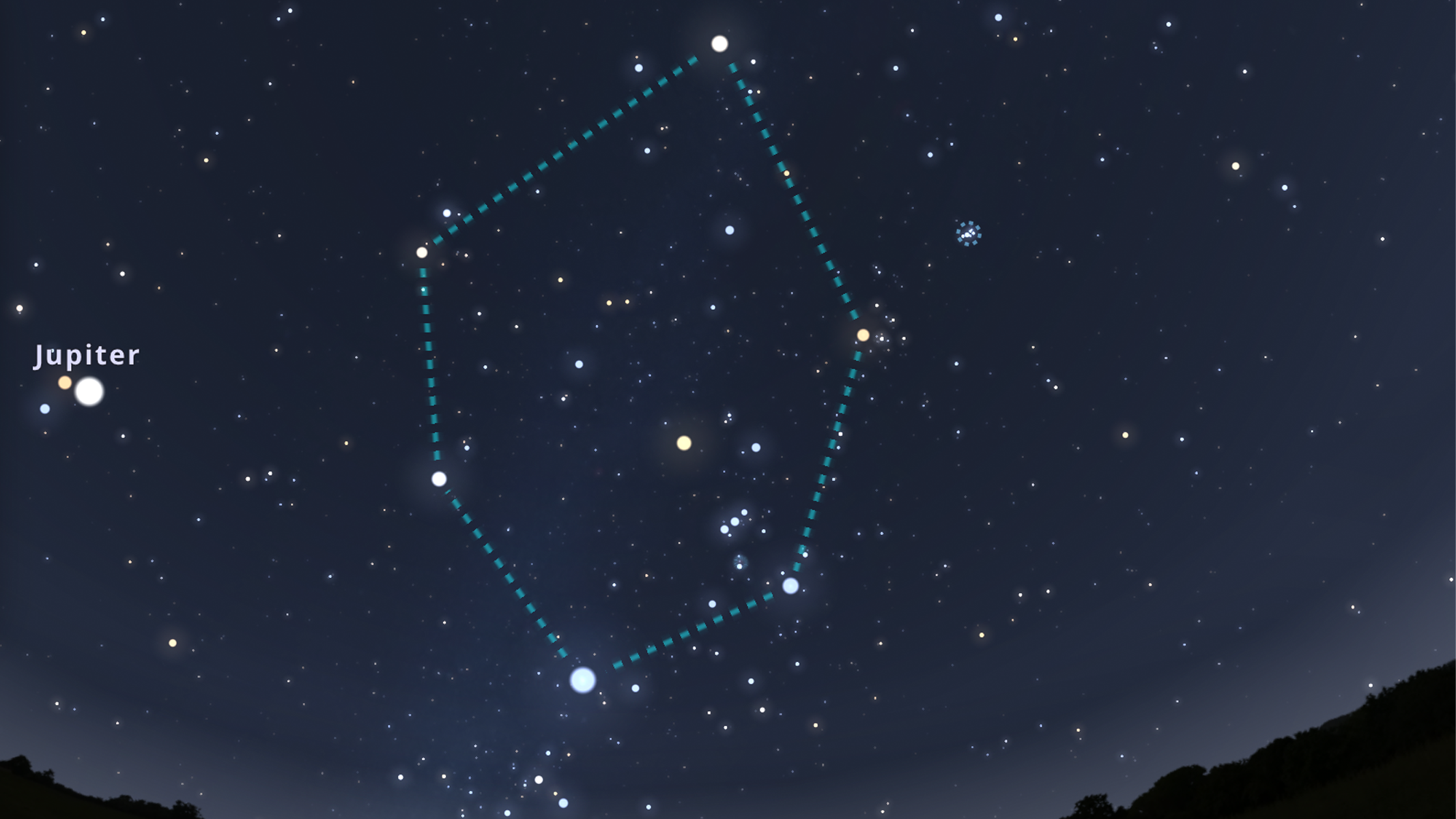
The winter night sky is dominated by the Orion constellation, which acts as a primary navigation hub for amateur astronomers. Orion’s belt, consisting of Alnitak, Alnilam, and Mintaka, serves as a high-contrast guidepost to other landmarks. The red supergiant Betelgeuse, located at the hunter’s shoulder, remains a focal point for studies in stellar evolution; the star is currently in a late stage of its life cycle and is anticipated to undergo a supernova event within the next 100,000 years.
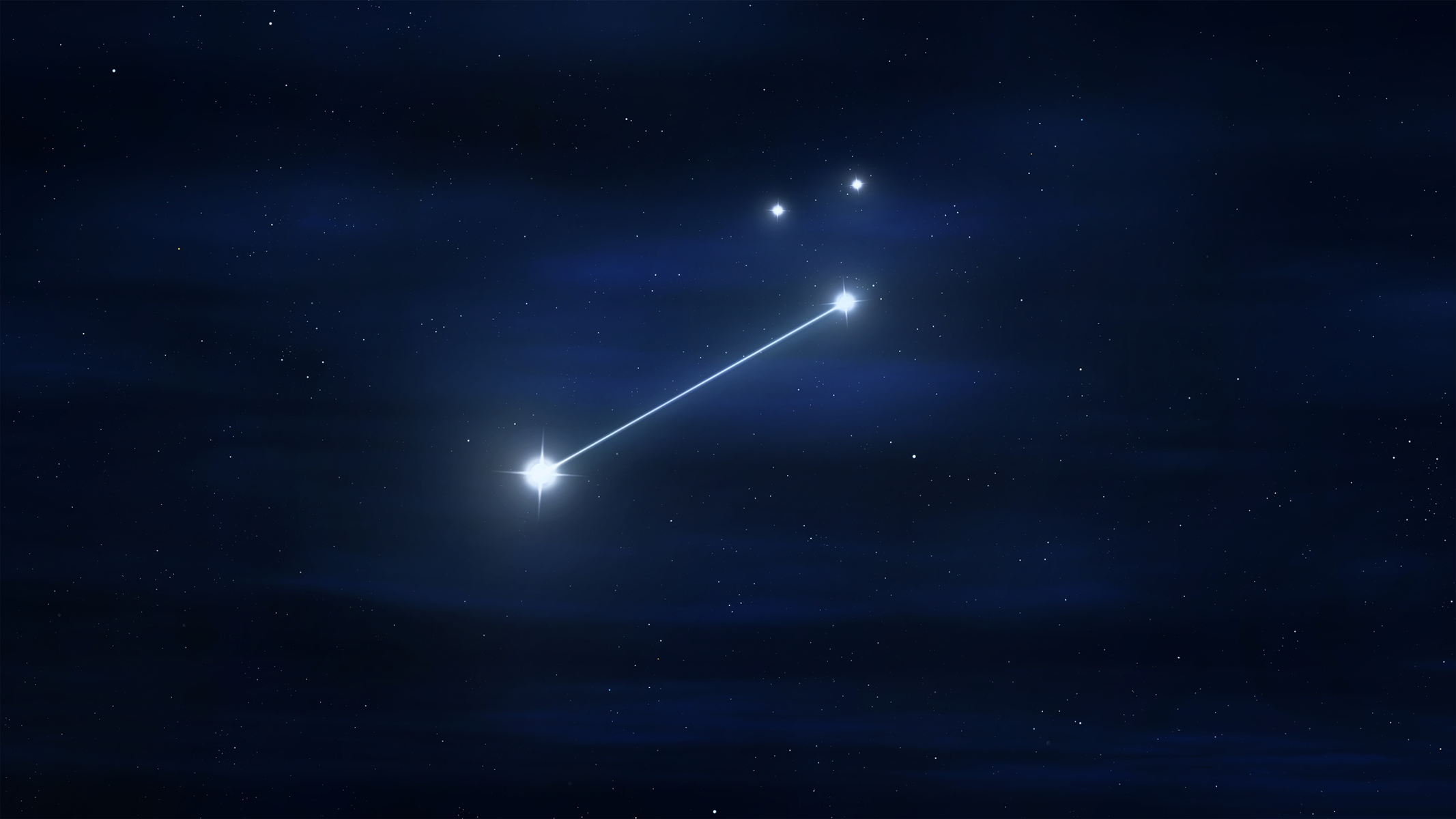
Complementing Orion are the constellations Canis Major and Canis Minor. Canis Major contains Sirius, the brightest star in the night sky, located just 8.6 light-years from our solar system. Sirius is a prime example of stellar scintillation—the atmospheric turbulence that causes stars to "twinkle" and shift in color as their light passes through varying layers of the Earth’s atmosphere.
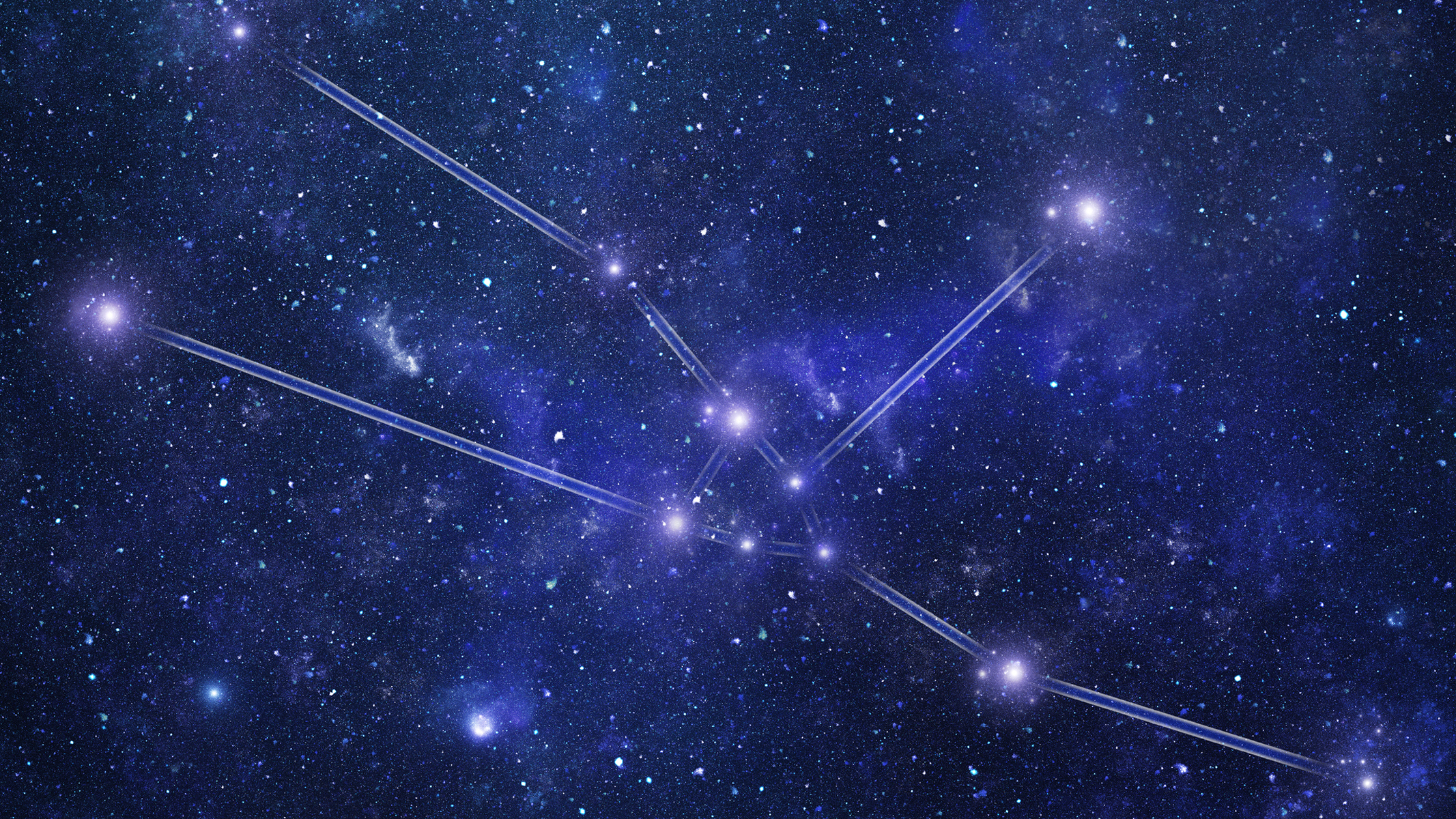
To the north of Orion lies Taurus, home to two of the most significant open star clusters: the Pleiades (M45) and the Hyades. The Pleiades, often called the "Seven Sisters," is an ideal target for entry-level smart telescopes and long-exposure smartphone photography. Further north, the pentagon-shaped constellation Auriga offers a dense collection of clusters, including M36 (the Pinwheel Cluster), M38 (the Starfish Cluster), and M37 (the Salt and Pepper Cluster), each providing a distinct visual density for those with mid-range equipment.
Deep-Sky Nebulae: The Focus for Astrophotography
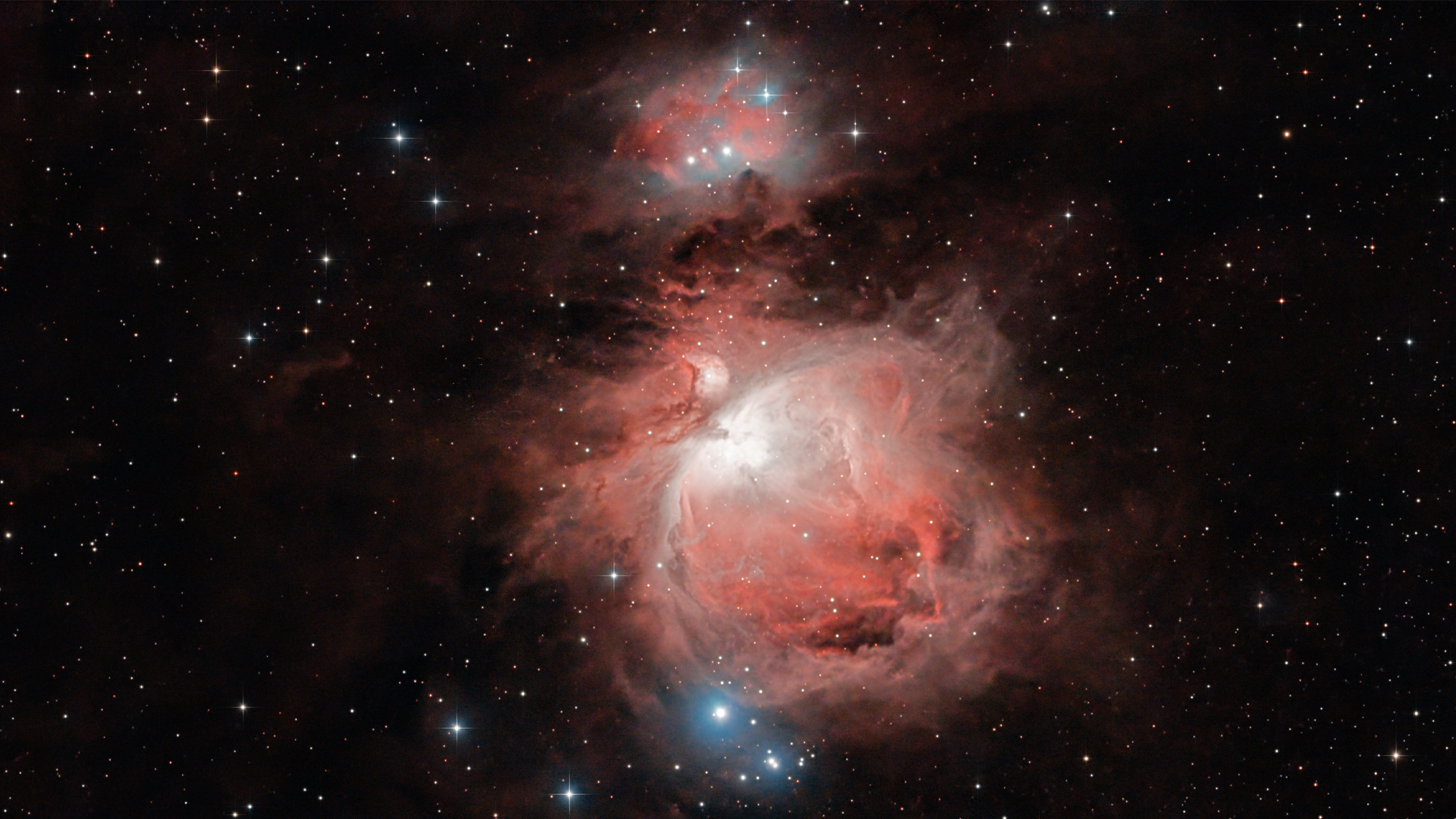
The winter sky is uniquely suited for the study of diffuse and emission nebulae. The Orion Nebula (M42), situated in the "sword" of Orion, is the most accessible nebula for all skill levels. It is a massive star-forming region where ionized gases glow under the radiation of young, hot stars.
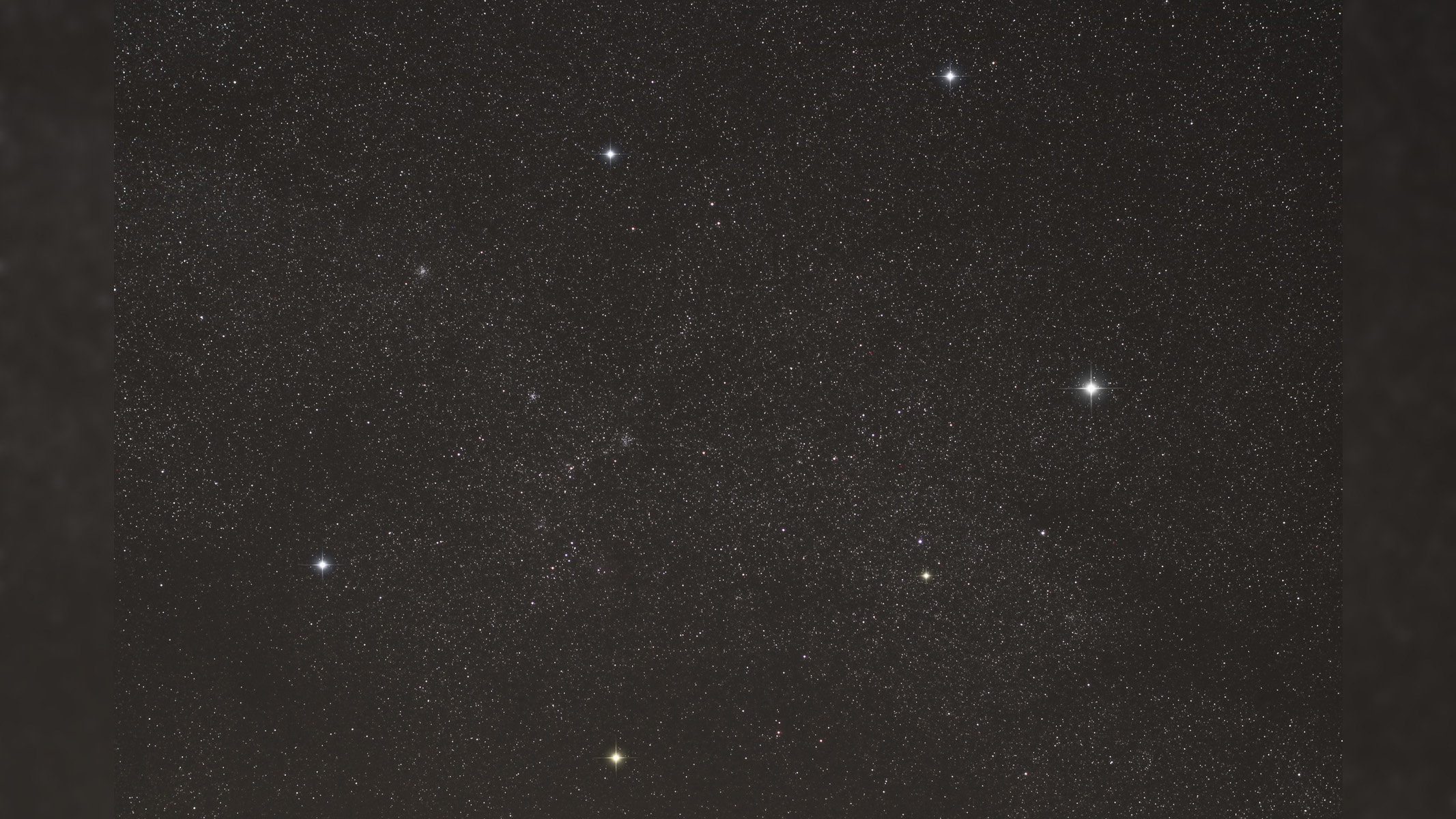
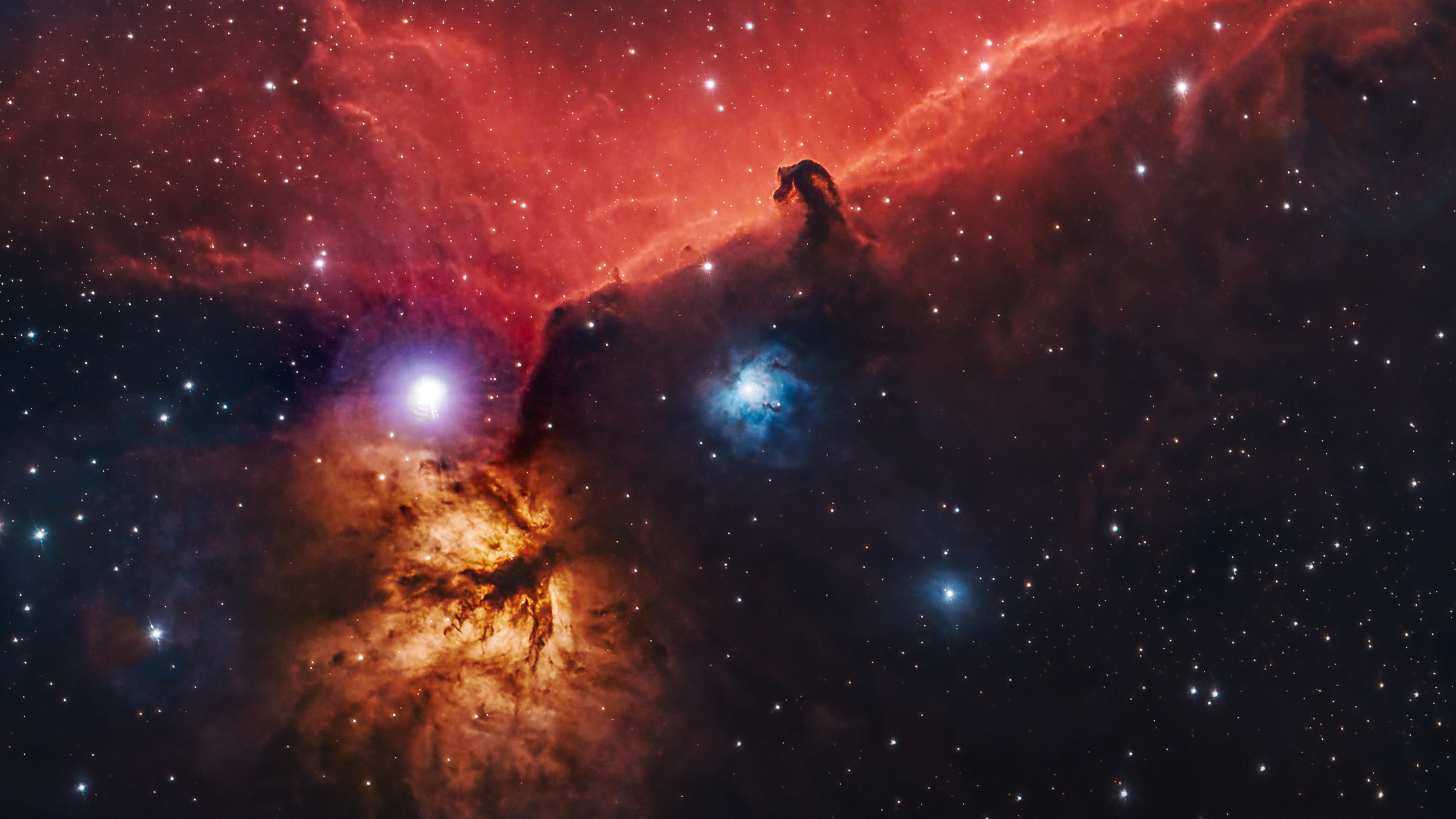
For those engaging in astrophotography, the winter months provide an opportunity to capture the Horsehead Nebula (IC 434) and the Flame Nebula (NGC 2024). While the Horsehead is a dark nebula that requires high-contrast imaging, it is frequently paired with the vibrant emission of the Flame Nebula within a single field of view.
Other significant targets for the 2026-2027 season include:
- The Rosette Nebula (NGC 2237): Located in Monoceros, this vast floral-shaped star-forming region is best observed starting in January as it reaches its highest point in the evening sky.
- The California Nebula (NGC 1499): Situated in Perseus, this emission nebula’s distinct shape is a common subject for wide-field imaging.
- The Tadpole Nebula (IC 410): Located 12,000 light-years away in Auriga, this nursery of stellar formation requires longer integration times for optimal detail.
- The Flaming Star Nebula (IC 405): Also in Auriga, this nebula provides a complex study of both emission and reflection, requiring the use of both broadband and narrowband filters to distinguish between the red ionized gases and the blue reflected light.
Scientific and Technical Implications
The increased public interest in stargazing has led to a surge in the adoption of "smart telescopes." These devices, which utilize integrated sensors and automated plate-solving software, have significantly lowered the barrier to entry for observing deep-sky objects. Experts in the field of amateur astronomy note that the ability to capture high-quality, stackable data in environments with moderate light pollution has changed the demographic of the hobby.
However, researchers emphasize that the value of these observations extends beyond recreation. The systematic documentation of meteor showers and the monitoring of long-term stellar changes in stars like Betelgeuse contribute to the broader body of astronomical data. As urban light pollution continues to grow, the reliance on digital, automated imaging is becoming a standard methodology for both hobbyists and citizen scientists.
In summary, the winter season of 2026-2027 offers a rare convergence of events. From the technical challenges of imaging Mars to the visual majesty of the Orion Nebula, the period provides a comprehensive curriculum for those interested in the mechanics of our solar system and the wider galactic structure. As the nights grow longer, the sky invites a rigorous and rewarding period of observation.
Related posts: