Grimes Challenges Elon Musk Over Artificial Intelligence and the Ethics of Digital Personhood

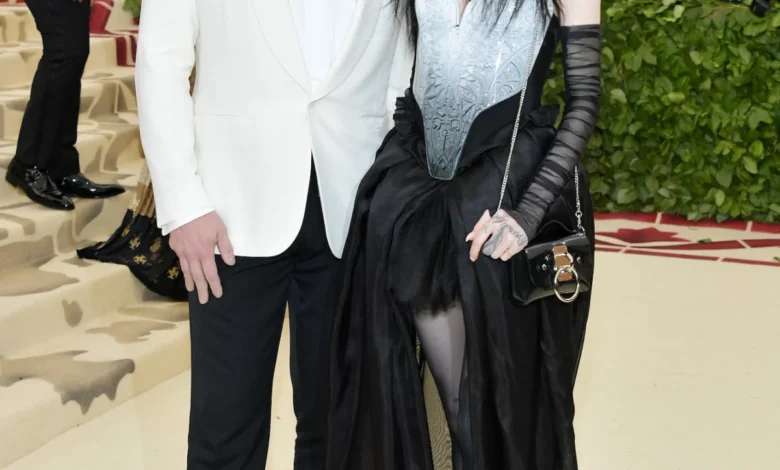
The intersection of technology, celebrity culture, and parental responsibility has once again become a flashpoint for public debate, as musician and artist Grimes, born Claire Boucher, has launched a pointed critique against her former partner, Elon Musk. The dispute centers on the rapid evolution of artificial intelligence, specifically the emergence of AI-generated influencers, which Grimes characterizes as a dangerous descent into "aggressive nihilism" that threatens human social structures and ethical standards.
The catalyst for this latest exchange was a post shared on Tuesday, November 17, by Elon Musk on the X platform (formerly Twitter). Musk, 55, reshared an announcement regarding the debut of a sophisticated AI-generated influencer, accompanying the post with a stark observation: "Super intelligence will hack your limbic system." This comment, while ostensibly a warning about the potency of advanced AI, prompted a swift and sharp rebuttal from Grimes, 38, who challenged the underlying intent behind the creation and promotion of human-like digital entities.
The Philosophical Clash
In a series of comments that quickly gained traction online, Grimes interrogated the fixation on artificial women, labeling it as a form of psychological displacement or "cope." She drew a distinction between functional AI and the trend of anthropomorphizing digital constructs. "The fixation on fake women feels like cope," she wrote. "I’m a fan of Claudia, but she doesn’t have a birkin deal and she isn’t a she, she’s an alien creature who’s both blessed and haunted by the entirety of ancestral memory."
Grimes further articulated her concerns by invoking the philosophy of Friedrich Nietzsche, specifically his concept of "the last man." Nietzsche, in his 1883 work Thus Spoke Zarathustra, used the term to describe a state of societal decay where individuals lose their capacity for creativity, struggle, and profound experience, settling instead for a life of comfort and aimless existence. By "sexualizing a species that cannot have sex," Grimes argued that society is engaging in the "ultimate definition of Nietzsche’s last man," suggesting that reducing non-human entities to objects of desire is a regressive step that undermines human dignity and creative potential.
A History of Divergent Perspectives
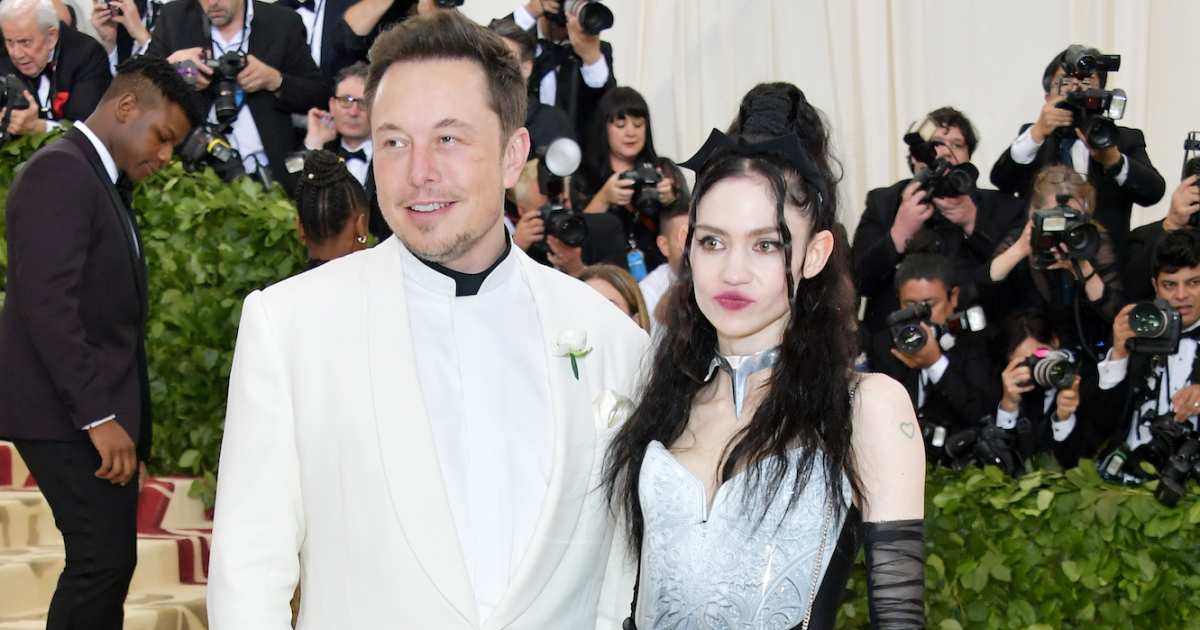
This public disagreement is merely the latest chapter in a long-standing pattern of conflicting viewpoints between the two, who were in a relationship from 2018 to 2022 and share three children: sons X Æ A-Xii and Techno Mechanicus, and daughter Exa Dark Sideræl. Their history is marked by a recurring tension between Musk’s role as a primary driver of technological acceleration and Grimes’s increasingly critical stance on the societal impacts of such progress.
The relationship has navigated several high-profile challenges, including disagreements over the public exposure of their children. In March 2025, Grimes publicly expressed her frustration over the lack of privacy afforded to their offspring, stating that she had repeatedly pleaded with Musk to keep their children out of the public eye. Her concerns highlight a broader dilemma faced by parents in the digital age: the inability to control the dissemination of personal images once they enter the global information ecosystem.
"I, unfortunately, do not control the internet and cannot wipe this from the internet," Grimes noted at the time. "I have tried begging the public and my kids’ dad to keep them offline. The state of my children’s lives being public is of grave concern to me and I think about how to solve this every day."
Official Stances and Institutional Concerns
Following the recent social media exchange, representatives for both parties have sought to clarify their positions. Mitchell Jackson, acting as a spokesperson for Grimes, issued a formal statement addressing the singer’s broader opposition to the consolidation of power within the tech industry.
"Grimes opposes unelected power, and that includes Mr. Musk’s unelected power," Jackson stated. "Given Mr. Musk’s power, Grimes believes it’s ridiculous that Mr. Musk behaves this way and spends his free time promoting AI slop while needlessly lowering morale and alienating the people."

The statement underscored a profound disappointment in the current trajectory of tech leadership. "Grimes is disappointed in the lack of maturity and leadership from the tech giants. She will continue to speak out on this important topic and welcomes the discourse surrounding these tweets. Grimes believes we cannot afford any more of this aggressive nihilism from those in power."
Furthermore, it was confirmed that these themes of machine welfare and the ethics of artificial consciousness will be central to Grimes’s upcoming musical projects. Her new single, "DeepSeek," is described by her team as an exploration of the responsibilities humans hold toward the machines they create—a direct critique of what she perceives as a lack of concern for AI safety among current industry leaders.
The Broader Implications of AI-Generated Personas
The debate triggered by this exchange touches upon critical questions regarding the future of the digital economy. As AI-generated influencers become more prevalent, brands are increasingly looking toward these entities to replace human models and spokespeople. The primary incentive for this shift is economic; AI influencers do not require travel, rest, or traditional compensation packages, and they can be programmed to remain "on-brand" indefinitely.
However, critics argue that the normalization of these digital constructs risks deepening the social isolation Nietzsche warned against. If individuals spend their time interacting with hyper-realistic, AI-driven personas that are designed to appeal to human desires without the complexities of human reciprocation, the long-term impact on social cohesion remains an open question.
Data from the rapidly expanding AI market suggests that investment in "human-like" interfaces is projected to grow exponentially over the next decade. While companies argue that these tools provide increased efficiency and creative opportunities, public intellectuals and artists like Grimes are beginning to form a coalition of dissent, questioning the lack of regulation and the absence of a "human-first" framework in the development of these technologies.

The "Wild West" of Digital Information
Grimes’s concern regarding her children’s privacy is indicative of a wider lack of legal protection for individuals in the face of rapid technological change. She has previously expressed skepticism about the efficacy of current laws in shielding families from the invasive nature of the modern internet. "I would hope there was some law that would allow a parent to veto small children from living public lives, but I don’t even trust the law to help me now if I tried to invoke it," she claimed.
This sentiment reflects a growing anxiety among public figures regarding the "Wild West" of information content, where the dismantling of privacy is viewed as an inevitable byproduct of current tech trends. The struggle between parental autonomy and the reach of social media platforms represents a significant friction point in contemporary digital rights advocacy.
Conclusion: A Call for Accountability
As of the time of this publication, Elon Musk has not issued a direct response to the criticisms leveled by his former partner. His silence, however, is being interpreted by many as a continuation of his established approach to managing public discourse: prioritizing the rapid iteration of technology while delegating the socio-ethical concerns to the arena of public debate.
For Grimes, the path forward is clear: she intends to utilize her platform as an artist to force a confrontation with these issues. By channeling her frustration into her music and continuing to engage in public discourse, she is attempting to shift the narrative away from the celebration of technological capability toward a more critical examination of what we are losing in the process.
As the industry moves toward the integration of super-intelligent systems into the fabric of daily life, the dialogue between those building the future and those questioning its human cost will likely intensify. Whether this results in meaningful policy shifts or remains confined to the realm of high-profile celebrity debates, the core question remains: are we, as a society, prepared for the consequences of our own creations, or are we truly slipping into the "last man" scenario that Grimes so vehemently rejects?

The ongoing tension between these two prominent figures serves as a microcosm for the larger, more existential struggle between the promise of artificial intelligence and the preservation of human agency. As the boundaries between the physical and digital worlds continue to blur, the voices calling for restraint and ethical rigor are finding themselves increasingly at odds with the momentum of Silicon Valley’s most influential architects. The outcome of this debate may well define the cultural landscape for the coming generation.