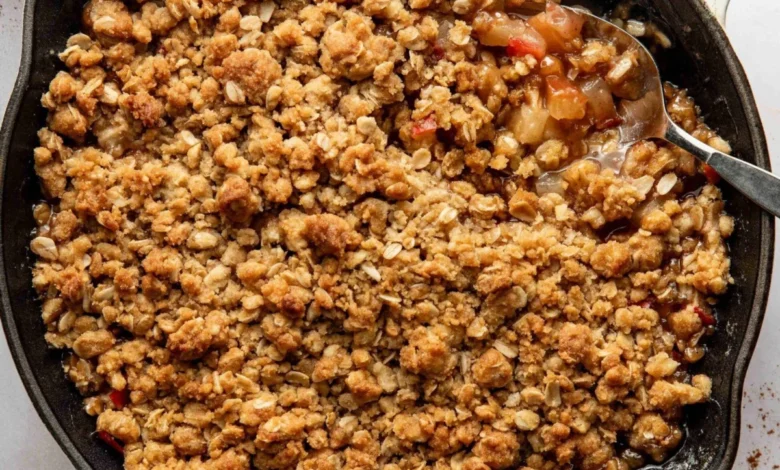
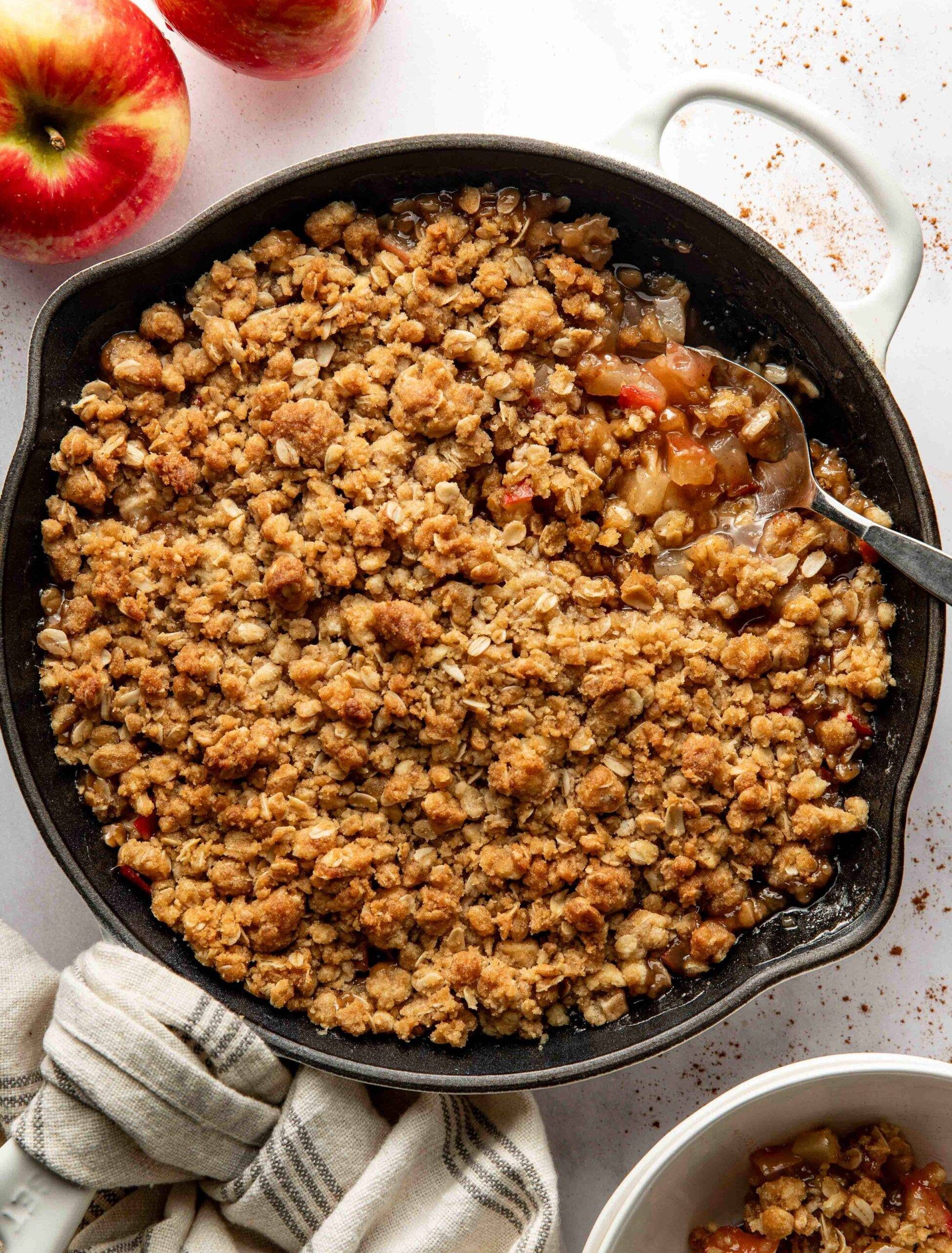
The tradition of the fruit crisp—a quintessential North American dessert characterized by a baked fruit base topped with a mixture of flour, sugar, and fat—traces its culinary roots to the mid-20th century. While similar to the fruit cobbler or the English crumble, the apple crisp distinguishes itself through its reliance on oats in the topping, providing a distinct textural contrast. This specific iteration of the dessert, which has gained prominence in home kitchens for its simplicity and reliance on seasonal produce, serves as a case study in the enduring popularity of comfort-based culinary traditions during the autumnal months.
The Evolution of Autumnal Baking Trends
Data from culinary research groups suggests that interest in "rustic" desserts spikes by approximately 40% between late September and mid-November. This surge coincides with the peak harvest season for Honeycrisp apples, a variety developed by the University of Minnesota and released in 1991. The Honeycrisp, known for its balanced acidity and firm flesh, has become the industry standard for baking due to its ability to retain structural integrity under high heat while developing a "jammy" consistency when broken down with heat and sugar.
The transition from late October through the Thanksgiving holiday represents a period where home-cooked, fruit-forward desserts often supersede more complex pastry-based offerings. Professional pastry chefs note that the apple crisp occupies a unique space in the food industry; it requires minimal equipment—often utilizing cast iron skillets for heat retention and distribution—and appeals to a broad demographic due to its lack of complex dough-work, such as crust rolling or blind baking.

Chronology of Preparation and Culinary Methodology
The preparation of this specific dessert follows a standard sequence that maximizes flavor development while minimizing labor intensity. The process is divided into two distinct technical stages: the fruit preparation and the crumble assembly.
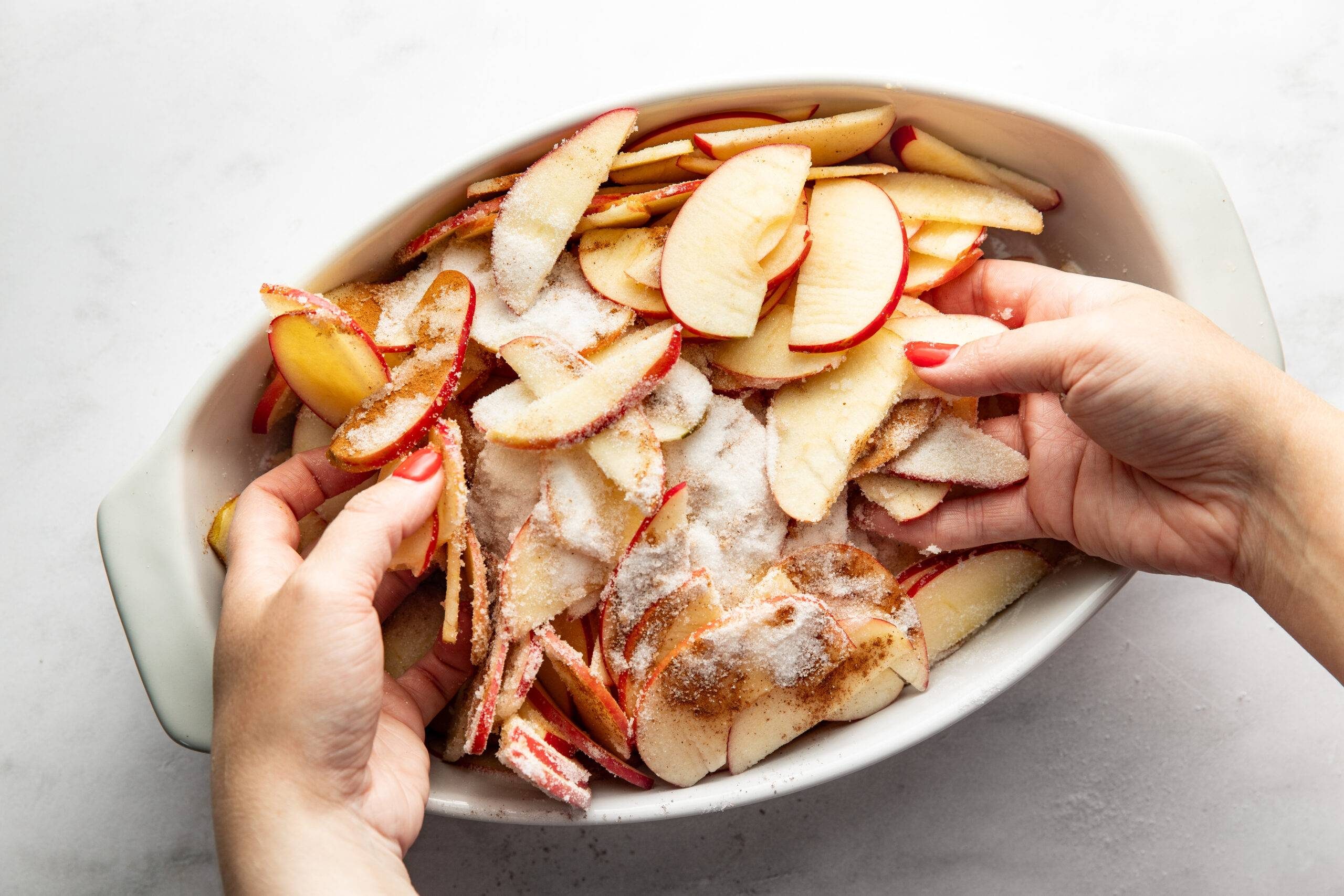
- The Fruit Layer (The Base): Initial preparations involve the reduction of apple slices, typically tossed with granulated sugar, cinnamon, and a small amount of flour. The inclusion of flour acts as a thickening agent, binding the natural pectin released by the apples during the heating process. This creates the "jammy" base characteristic of high-quality crisps.
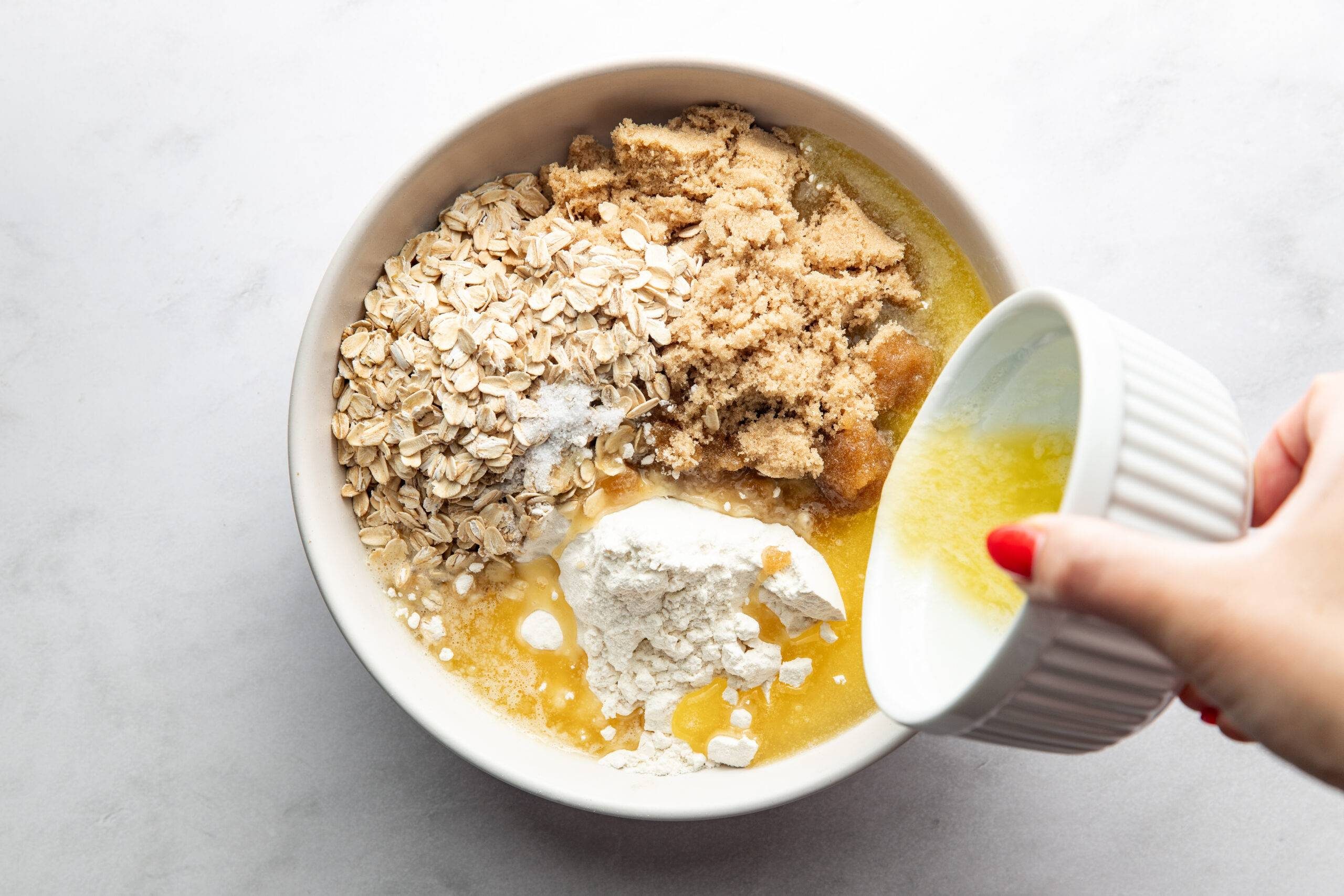
- The Crumble Topping: The topping is formulated through a mechanical mixture of flour, brown sugar, butter, and rolled oats. The incorporation of butter is critical; when subjected to oven heat, the fat undergoes a Maillard reaction, resulting in a golden-brown, caramelized crust.
- The Assembly and Thermal Processing: The fruit is placed in a heat-conductive vessel, such as a cast iron skillet. The layering of the topping ensures that the moisture from the fruit is contained, while the surface area exposed to the oven’s convection currents allows for the necessary crispness.
A notable point of debate among culinary practitioners is the necessity of peeling apples. While professional standards often dictate peeling to ensure a uniform texture, anecdotal data from domestic kitchens suggests that leaving the skin intact does not negatively impact the outcome. The skin undergoes sufficient softening during the baking process, and its presence provides additional dietary fiber, which has prompted a shift toward more rustic, skin-on preparation methods.
Socio-Economic Context of Seasonal Comfort Foods
The rise of the "cozy" food movement, often categorized by social media trends and home-cooking blogs, highlights a shift toward traditional, tactile cooking experiences. Market analysts indicate that during times of economic fluctuation or seasonal transitions, there is a measurable increase in the consumption of "nostalgic" foods. Apple crisp, as a recipe, exemplifies this trend due to its accessibility; it utilizes common pantry staples—oats, flour, and sugar—and avoids the high cost of pre-made frozen desserts or professional-grade pastry ingredients.
The ritualistic nature of the dish—often prepared for dinner parties or small social gatherings—serves as a focal point for communal interaction. As noted in the historical context of the dish’s development, the scent of cinnamon and caramelized sugar during the baking process serves as a sensory marker, which psychologists often link to the formation of positive memory associations during the holiday season.

Fact-Based Analysis of Nutritional and Culinary Implications
From a nutritional standpoint, the apple crisp is a dense source of carbohydrates and lipids. However, when contrasted with traditional apple pies, which rely heavily on butter-laden pastry crusts, the crisp offers a higher concentration of fiber due to the use of oats.
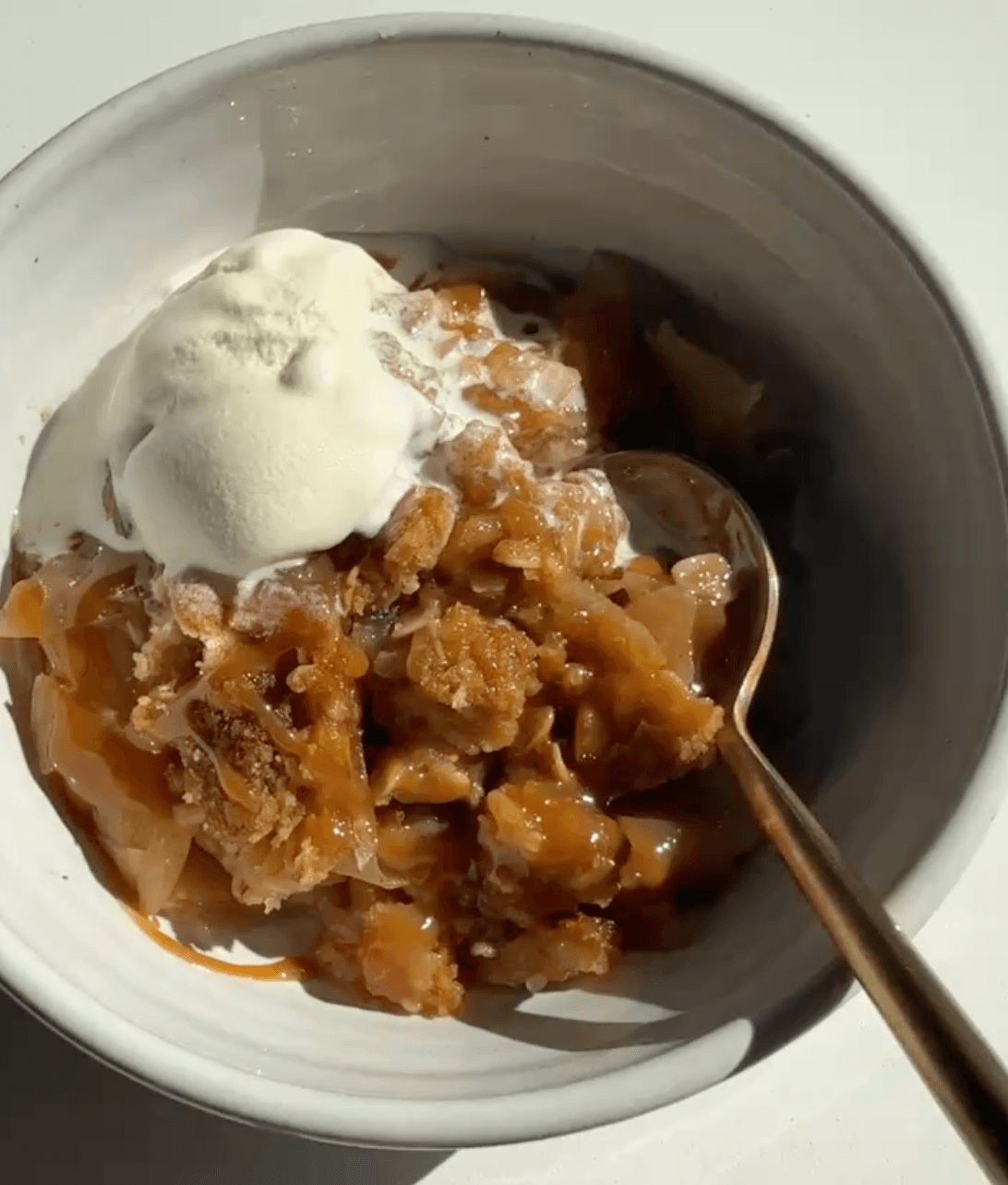
Culinary experts emphasize the importance of temperature control when serving. The interaction between the hot, jammy apple base and cold, dairy-based accompaniments—such as vanilla ice cream or heavy cream—is central to the consumer experience. The thermal shock created by the combination of hot and cold elements is a fundamental principle of plated dessert service, often utilized in high-end culinary environments to enhance the perceived sweetness and texture of the fruit.
Sustainability and Market Trends
The increased demand for localized, seasonal produce during the autumn months has bolstered the market for regional orchards. Utilizing apples at the peak of their season reduces the need for long-haul transportation and storage-based preservation techniques, which can alter the texture of the fruit. Chefs advocate for the use of multiple apple varieties in a single crisp to achieve a complex flavor profile, blending tart varieties like Granny Smith with sweeter options like Honeycrisp or Gala.
Furthermore, the longevity of this specific recipe in the digital landscape—often archived in personal mobile devices or cloud-based note systems—reflects the shift toward paperless culinary documentation. Digital archiving allows for the iterative refinement of recipes, where cooks can adjust ratios of sugar to butter based on previous results, effectively creating a personalized version of the dish that is maintained over several years.
Conclusion: The Enduring Legacy of the Crisp
The apple crisp remains a fixture of the North American culinary lexicon because it bridges the gap between high-effort baking and low-effort, high-reward comfort food. Its reliance on fundamental chemistry—the transformation of starches and sugars through heat—ensures that it remains a reliable constant in the home kitchen. As culinary trends continue to evolve toward simplified, ingredient-focused preparation, the apple crisp stands as a testament to the fact that complexity is not a prerequisite for high-quality results. Whether prepared in a rustic cast iron skillet or a standard ceramic baking dish, the dish serves as an essential component of the autumnal culinary tradition, offering a balance of texture and flavor that has remained largely unchanged for generations.
By prioritizing the structural integrity of the apple and the textural contrast of the oat-based topping, this recipe continues to function as a benchmark for home bakers seeking a reliable, seasonal dessert that minimizes waste while maximizing the potential of the fruit harvest. The continued popularity of this dish suggests that as long as there is an autumn harvest, there will be a sustained demand for the simple, jammy, and crisp satisfaction that this classic preparation provides.