Rethinking Suicide Prevention: Why Experts Say Limiting Access to Lethal Means Is Saving Lives Amid Policy Debates


For decades, the standard paradigm of mental health care and suicide prevention has relied heavily on individual identification, clinical therapy, and psychotropic medications. Yet, despite continuous advancements in clinical psychiatry, public health officials and medical professionals face a persistent and sobering reality: predicting precisely who will experience a fatal suicidal crisis remains an elusive science. According to longitudinal data cited by public health researchers, predictions regarding individual suicide risk are historically shown to be only slightly more accurate than a coin toss—a statistical baseline that has seen virtually no meaningful improvement over the past five decades.
This inherent unpredictability has catalyzed a fundamental paradigm shift among leading epidemiologists, psychiatrists, and policymakers. Rather than focusing exclusively on the exhaustive, and often impossible, task of identifying every individual at elevated risk before a crisis unfolds, a growing coalition of public health experts is advocating for broader, systemic interventions. Chief among these strategies is the restriction of access to lethal means—a public health approach that aims to save lives by creating physical and procedural barriers during moments of acute emotional distress, regardless of whether an individual has previously sought mental health treatment or been formally diagnosed with a psychiatric condition.
The Urgency of the Firearm Suicide Crisis in the United States
The debate over lethal means restriction is particularly critical when examining firearms, which remain the most common and lethal method for suicide in the United States. According to preliminary federal data compiled from public health reporting agencies, more than 28,000 people died by firearm suicide last year, accounting for more than half of all national suicide fatalities. Even as overall national suicide rates have experienced periodic downward fluctuations in recent years, firearm-related suicides have broken historical records for five consecutive years.
Historically, the demographics most severely impacted by firearm suicide have included middle-aged white men and military veterans—two populations that have exhibited disproportionately high rates of self-harm for decades. However, recent epidemiological tracking reveals an alarming expansion across other demographics. Gun suicides have risen noticeably among women, as well as among specific minority populations, including Black and Latino men. Public health researchers note that a substantial surge in first-time gun ownership during the COVID-19 pandemic—when nearly 30 million firearms were acquired, including 11 million by first-time buyers—has further underscored the urgent necessity for broad-based, population-level safety interventions that transcend traditional clinical settings.
The Short Duration of Suicidal Crises and the Science of Means Substitution
A common skepticism voiced against restricting access to lethal means is the assumption of absolute substitution: the belief that individuals determined to end their lives will simply find an alternative method if their preferred means is blocked. However, decades of empirical research consistently refute this hypothesis. Studies examining structural interventions—such as installing physical barriers on bridges and tall buildings, or regulating the dispensing quantities of prescription medications—demonstrate that creating obstacles for one specific method rarely results in a wholesale migration to another.
This phenomenon is closely tied to the temporal nature of acute emotional distress. Extensive data compiled by Harvard’s Means Matter research project indicates that suicidal crises are frequently impulsive and transient. For a significant portion of individuals, the duration between the initial decision to die and the execution of the act is less than an hour, and in many cases, lasts five minutes or less.
Consequently, any systemic barrier that introduces a delay—such as requiring a firearm to be unloaded, locked securely in a safe, or subjected to a mandatory waiting period—can provide a critical window of time. This pause often allows the acute wave of intense suicidal ideation to recede, or affords a family member, friend, or bystander an opportunity to intervene and alter the tragic trajectory of the moment.

The Parallels of Road Safety and Public Health Architecture
To articulate the rationale behind broad systemic interventions, medical professionals frequently draw comparisons to historical public health triumphs in other domains, such as automotive safety. Dr. Paul Nestadt, a psychiatrist, medical director at the Johns Hopkins Center for Suicide Prevention, and a leading researcher in the field, emphasizes that modern transportation safety was never achieved by attempting to predict which drivers were destined to crash based on their reaction times or driving habits.
Instead, governments and regulatory bodies fundamentally altered the physical and regulatory environment. They established enforced speed limits, mandated seat belt usage, and required automotive manufacturers to install standardized safety equipment such as airbags and shatter-resistant windshields. As a result of these structural mandates, the national traffic fatality rate declined precipitously over decades.
Applying this exact public health model to suicide prevention involves implementing broad policy frameworks that do not single out individuals based on psychiatric diagnoses. These measures include comprehensive background checks for all firearm purchasers, permit-to-purchase licensing systems, and mandated waiting periods. Empirical evaluations underscore the efficacy of these laws: one widely cited study published in scientific literature found that the enactment of a permit-to-purchase handgun law in Connecticut correlated with an estimated 15% reduction in firearm suicide rates, whereas the legislative repeal of a similar law in Missouri was linked to a 16% increase in firearm suicides.
Furthermore, approximately three dozen states and the District of Columbia have enacted Child Access Prevention (CAP) laws, which legally require firearm owners to securely lock up weapons in households where minors reside. These regulations have been shown to directly reduce youth suicides. This protection is especially vital given that federal health data indicates firearm suicide rates among Black youths have surged by 245%, and among Latino youths by 98%, since 2014.
Clinical Limitations and the Reality of Unseen Vulnerability
While broad legislative frameworks are supported by public health advocates, targeted measures such as Extreme Risk Protection Orders (ERPOs)—commonly known as red flag laws—have gained legislative traction in 22 states and the District of Columbia. These legal mechanisms empower judges to temporarily remove firearms from individuals when clear evidence indicates they pose an imminent danger to themselves or others. Academic studies examining red flag laws indicate that for every 10 to 20 firearms legally removed under these protocols, one suicide is successfully averted.
Yet, clinicians and family advocates emphasize that even the most robust red flag laws possess inherent structural limitations. These measures fundamentally rely on someone recognizing warning signs and reporting the individual at risk. This reliance highlights a profound vulnerability in modern prevention efforts: the individuals most susceptible to firearm suicide are frequently those least likely to exhibit observable indicators or seek professional intervention.
Data compiled by clinical psychologists, including Michael Anestis, executive director of the New Jersey Gun Violence Research Center, reveals that individuals who complete suicide using a firearm are statistically less likely to have engaged with mental health care services in the months preceding their death. Furthermore, a vast majority of veterans and active-duty service members who die by firearm suicide never verbally disclose their suicidal ideation to family, friends, or military medical personnel.
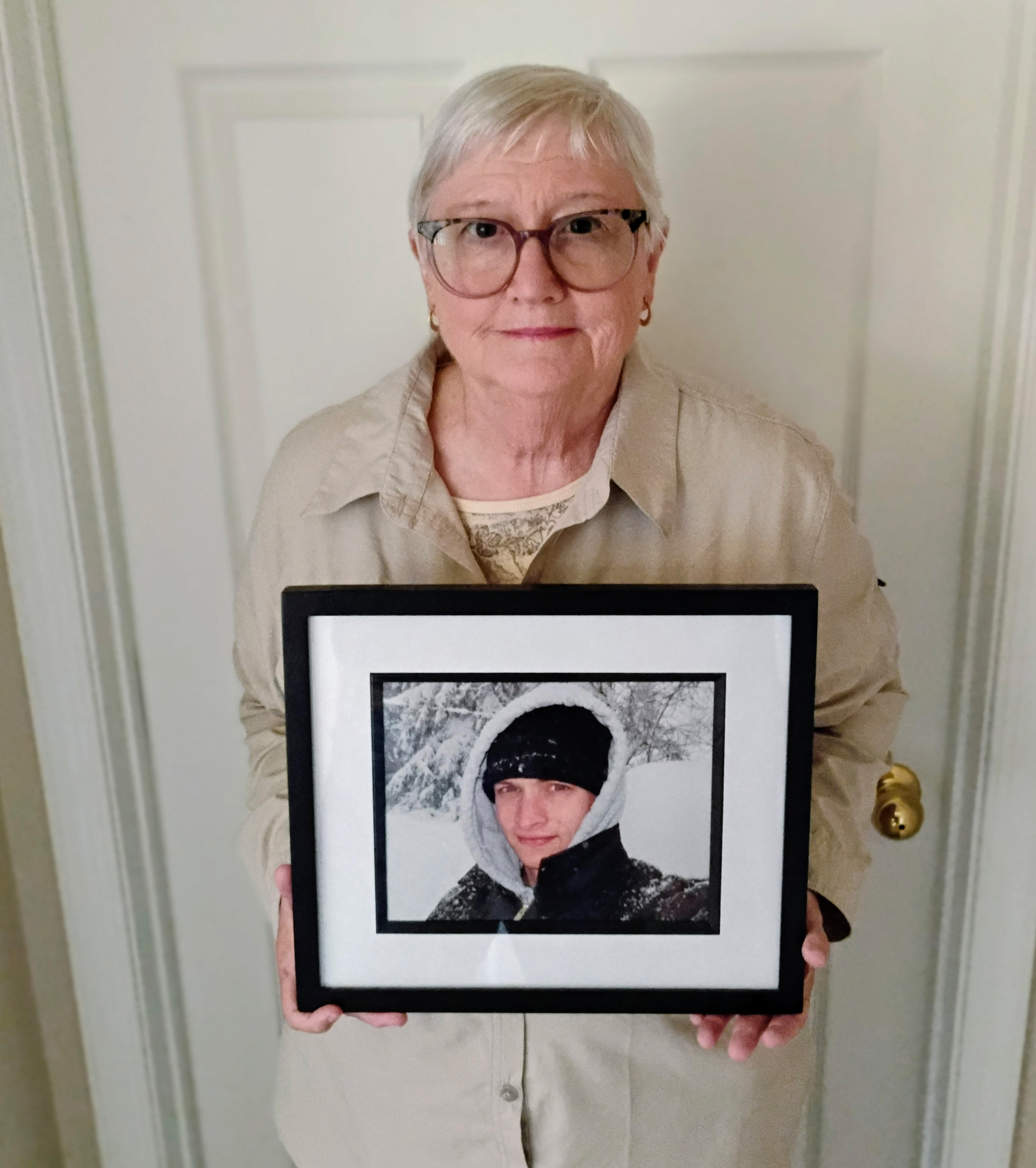
The personal tragedy of this unseen vulnerability is exemplified by advocates like Dorothy Paugh. In 1965, Paugh lost her father to a firearm suicide following a sudden job loss. Decades later, in 2012, Paugh experienced an even more profound loss when her 25-year-old son, Peter, fatally shot himself. Unlike her father, who exhibited recognizable signs of severe distress and prepared critical documents before his death, Peter displayed no discernible warning signs. He had recently purchased a home with his girlfriend, celebrated his brother’s birthday, and purchased Mother’s Day gifts in advance. Paugh notes that even if comprehensive red flag laws had been in place at the time, she would not have known to utilize them, underscoring why targeted orders must be complemented by universal, population-level safety measures.
Political Polarization and the Legislative Landscape
Despite the mounting body of epidemiological research supporting lethal means restriction, discussions surrounding firearms remain one of the most politically polarized subjects in the United States. Even within the traditionally bipartisan realm of suicide prevention, proposals involving universal background checks, waiting periods, or regulatory oversight frequently trigger intense partisan debate.
Gun rights organizations and firearm trade associations consistently argue that sweeping legislative restrictions infringe upon the constitutional rights of law-abiding citizens under the Second Amendment, while failing to address the fundamental root causes of mental illness and psychological distress. Representatives from organizations such as the National Rifle Association (NRA) have maintained that suicide is a complex crisis requiring clinical treatment and targeted intervention for dangerous individuals, rather than broad policies that restrict firearm ownership for the general public.
At the federal level, executive priorities reflect these deep political divisions. Administrations allied with gun owners have historically rolled back federal firearms regulations, rescinded prior public health advisories designating gun violence as a national health crisis, and reallocated or cut federal funding dedicated to community-based gun violence research and prevention programs. While federal spokespersons consistently affirm a broad commitment to improving national mental health—pointing to funding allocations for veteran suicide prevention grants and exploratory psychiatric treatments—advocates for lethal means restriction argue that addressing the leading mechanism of suicide remains an indispensable component of any comprehensive public health strategy.
Collaborative Grassroots Initiatives and the Path Forward
Amid the broader national polarization, unique grassroots coalitions are quietly bridging the divide between public health advocates, firearm industry representatives, and local communities. Programs such as the Armory Project, gun shop safety campaigns, and partnerships between public libraries and law enforcement agencies have successfully distributed free cable locks, established voluntary temporary firearm storage networks during acute personal crises, and trained retail gun dealers to recognize indicators of acute distress and safely decline sales to individuals experiencing mental health emergencies.
For advocates like Dorothy Paugh, these collaborative community efforts, alongside persistent legislative advocacy for waiting periods and safe storage laws, represent a vital path forward. While acknowledging that no single policy serves as a complete panacea for the complex tragedy of suicide, public health experts and families left in the wake of loss agree that every systemic barrier erected, and every life saved, makes an immeasurable difference to families and communities across the nation.
If you or someone you know is struggling or in crisis, help is available. In the United States, you can call or text 988 or chat at 988lifeline.org to reach the Suicide & Crisis Lifeline.