The Closure of a Rural Dialysis Unit Leaves Patients in Nebraska Facing Grim Choices


The sun was just warming the horizon as Mark Pieper left his house near his cattle ranch on a crisp February morning. It’s not unusual for the rancher to wake up early to tend to livestock, but at 5:45 a.m. this day, his cattle wouldn’t come first. For the past three and a half years, three days a week, Pieper has made an early-morning commute to get dialysis at the nearest hospital. He lives outside Hay Springs, a town of just 599 residents, and makes sure not to forget his chocolate-brown cowboy hat before starting up his pickup truck for the half-hour drive to Chadron. That February morning was one of his last dialysis sessions there before the hospital shuttered the service at the end of March, a decision that has sent ripples of anxiety and disruption through the small rural community and highlighted a growing crisis in healthcare access across America’s heartland.
“I guess I’ll just bloat up and die in a month,” Pieper remembered thinking when he learned the center was closing, eliminating the only option near his home. He needs dialysis to survive after cancer treatment damaged his kidneys. Pieper and 16 other patients relied on Chadron Hospital for the life-sustaining therapy that filters waste and fluid from their blood – a job their failing kidneys could no longer do. Each treatment lasts about four hours, a significant time commitment that became increasingly challenging with the closure.
The shuttering of the dialysis unit at Chadron Hospital is not an isolated incident but a stark illustration of the long, protracted decline of healthcare services in rural America. This region, often characterized by its vast landscapes and close-knit communities, paradoxically faces higher rates of many chronic conditions while simultaneously experiencing dwindling access to essential medical care. This trend has been a persistent concern for years, and despite promises from federal administrations to address it, the challenges persist, leaving vulnerable populations like Pieper’s without critical services.

A Community’s Lifeline Severed
For Pieper and the other 16 patients, Chadron Hospital’s dialysis unit was more than just a medical facility; it was a lifeline. The closure, announced as Nebraska officials celebrated a significant influx of federal funding for rural health initiatives, has left these individuals scrambling for alternatives, forcing difficult decisions that impact their health, finances, and daily lives.
The Rural Health Transformation Program, launched by the Trump administration with an initial promise of $50 billion, was intended to revitalize rural healthcare. However, its structure, designed to encourage innovation and new models of care rather than prop up existing services, means that funding is not readily available to simply keep financially strained units like Chadron’s operational. The program’s stipulations limit the amount states can use for direct patient care reimbursement, making it difficult for facilities operating on thin margins to continue offering services that are vital but costly.
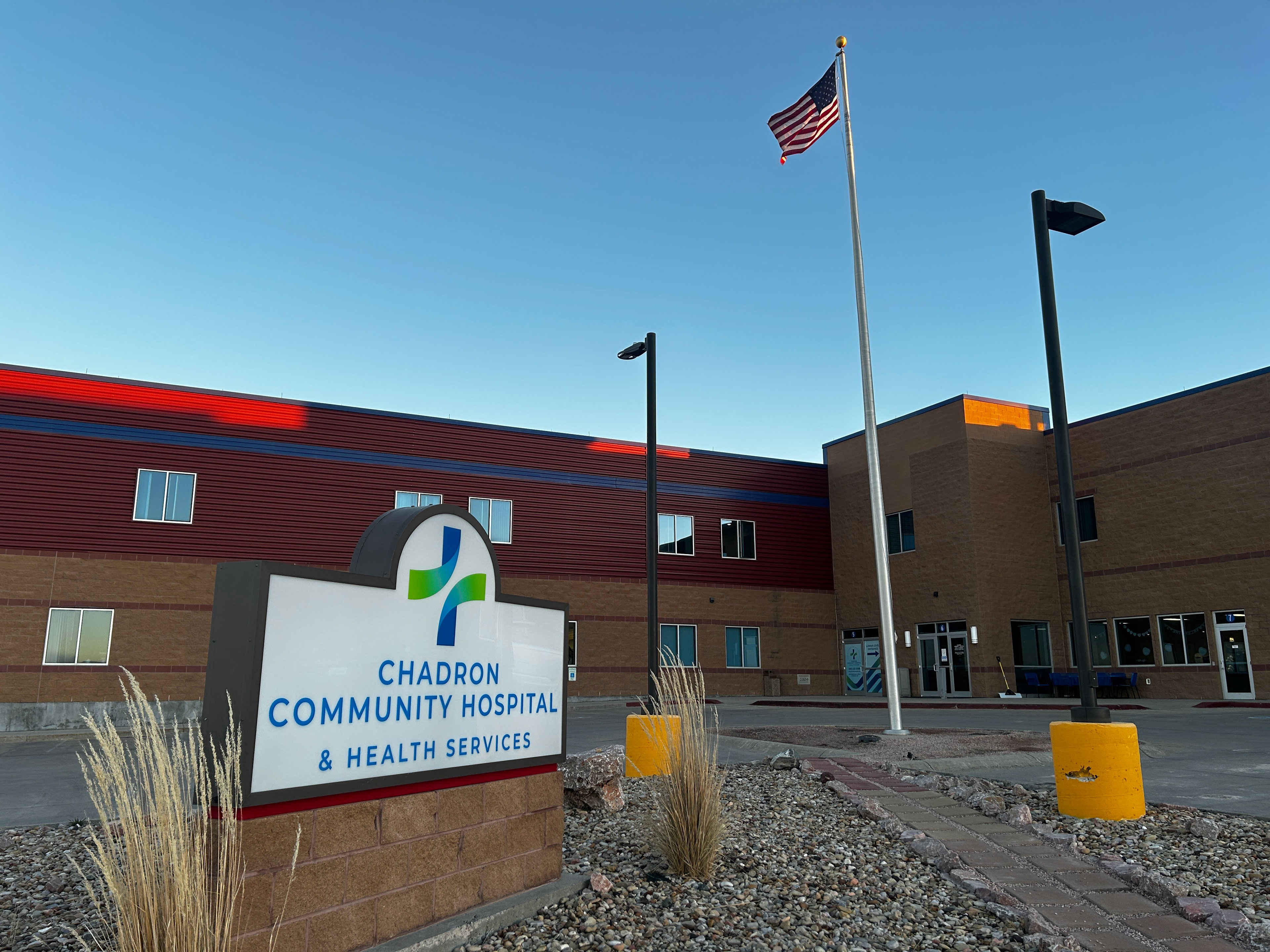
Jon Reiners, CEO of the independent, nonprofit Chadron Hospital, expressed the difficulty of the decision to end dialysis services. He explained that the hospital lost approximately $1 million annually on its dialysis service due to low Medicare reimbursement rates that failed to cover operational costs. "We wrestled with this decision for a long time," Reiners stated. "We explored every avenue, including reaching out to private companies, but the financial reality was unsustainable. The reimbursement rates, particularly for outpatient dialysis, simply do not cover the cost of providing the specialized care and staffing required."
Chadron Hospital operates as a critical access hospital, a designation designed to support small, rural facilities by offering increased Medicare reimbursement rates. However, this designation does not extend to outpatient dialysis services, leaving a significant gap in financial support for this specific program. Reiners elaborated that the hospital had been in discussions with four private companies to potentially take over the dialysis center, but all declined after assessing the financial viability.
The Human Toll of Healthcare Deserts
The closure has forced patients to make arduous adjustments. Some have relocated entirely to be closer to functioning dialysis centers, including several nursing home residents who now find themselves further from their families. Others are undertaking extensive daily or weekly travel, significantly increasing their burden.
Mark Pieper, after the closure, eventually secured treatment in Scottsbluff, the largest city in the Panhandle region with approximately 14,000 residents. This new arrangement triples his weekly travel time on the road, extending his commute from a manageable half-hour to over nine hours each week. His situation underscores the harsh reality for many in rural areas: the nearest accessible care is often a considerable distance away.
Jim and Carol Wright have adopted a different strategy, renting a small home near Rapid City, South Dakota, to live there on weekdays so Jim can receive his dialysis treatment. While this reduces their drive time compared to traveling all the way back to their ranch near Chadron each day, it incurs additional expenses for housing and creates a disruptive separation from their home. "We understand that rural hospitals face financial challenges," Jim Wright said, "but we’re talking about something that’s lifesaving. It’s not a matter of, ‘Oh, I would like to be there’ getting treatment. It’s a case that if you don’t, you die." The couple, who have spent years building a life in their cherished home within the scenic Nebraska National Forest, now face the prospect of eventually selling it and moving to a larger city to be closer to consistent medical care.
Linda Simonson described the prolonged journeys her husband, Alan, must now undertake for his treatment. The round trip from their ranch to Scottsbluff takes over four hours. During one of Alan’s final treatments in Chadron, Linda sat in the waiting room, her yellow legal pad filled with scribbled phone numbers of politicians and calculated driving distances to various regional dialysis centers. She noted that facilities closer to their ranch either have no room for new patients or lack convenient stopping points for breaks during bad weather, especially critical during Nebraska’s unpredictable climate. "It’s just unreal," she lamented. Even considering public transportation, she feels she would have to accompany her husband to provide support during the extended travel and treatment sessions.

Systemic Challenges and Potential Solutions
The closure in Chadron is symptomatic of a broader, systemic issue plaguing rural healthcare across the United States. A study published in the American Journal of Nephrology in 2024 highlighted significant disparities in kidney health and treatment for individuals in rural America. These populations are more likely to develop end-stage kidney disease and face higher mortality rates post-diagnosis, according to data from the National Institutes of Health.
Nephrologist Mark Unruh, Chair of the Internal Medicine Department at the University of New Mexico, commented on the broader implications of such closures. "You do end up in situations where you have people who are displaced like this, and it’s just sad," he stated. Unruh emphasized that the most effective approach to combatting the rise of end-stage renal disease lies in prevention. He pointed to initiatives like Project ECHO, a tele-education program designed to equip primary care physicians in rural and underserved areas with the knowledge to prevent kidney failure.
Another critical area for improvement, Unruh suggested, is increasing kidney transplantation rates for rural patients. He is involved in a study exploring the efficacy of "fast-tracking" transplant evaluation tests, consolidating them over a few days to minimize travel burdens for patients. Furthermore, Unruh stressed the urgent need for the U.S. health system to bolster its capacity to train more healthcare professionals who can then train patients and their caregivers to administer dialysis at home.
Exploring Home Dialysis and Future Outlook
Home dialysis offers a potential alternative for rural patients, as data from the National Institutes of Health indicates that rural populations are more inclined to utilize this option than their urban counterparts. In 2023, nearly 18% of rural patients and approximately 14% of urban patients were receiving dialysis at home. However, the implementation of home dialysis presents its own set of logistical and training challenges, particularly in remote areas.
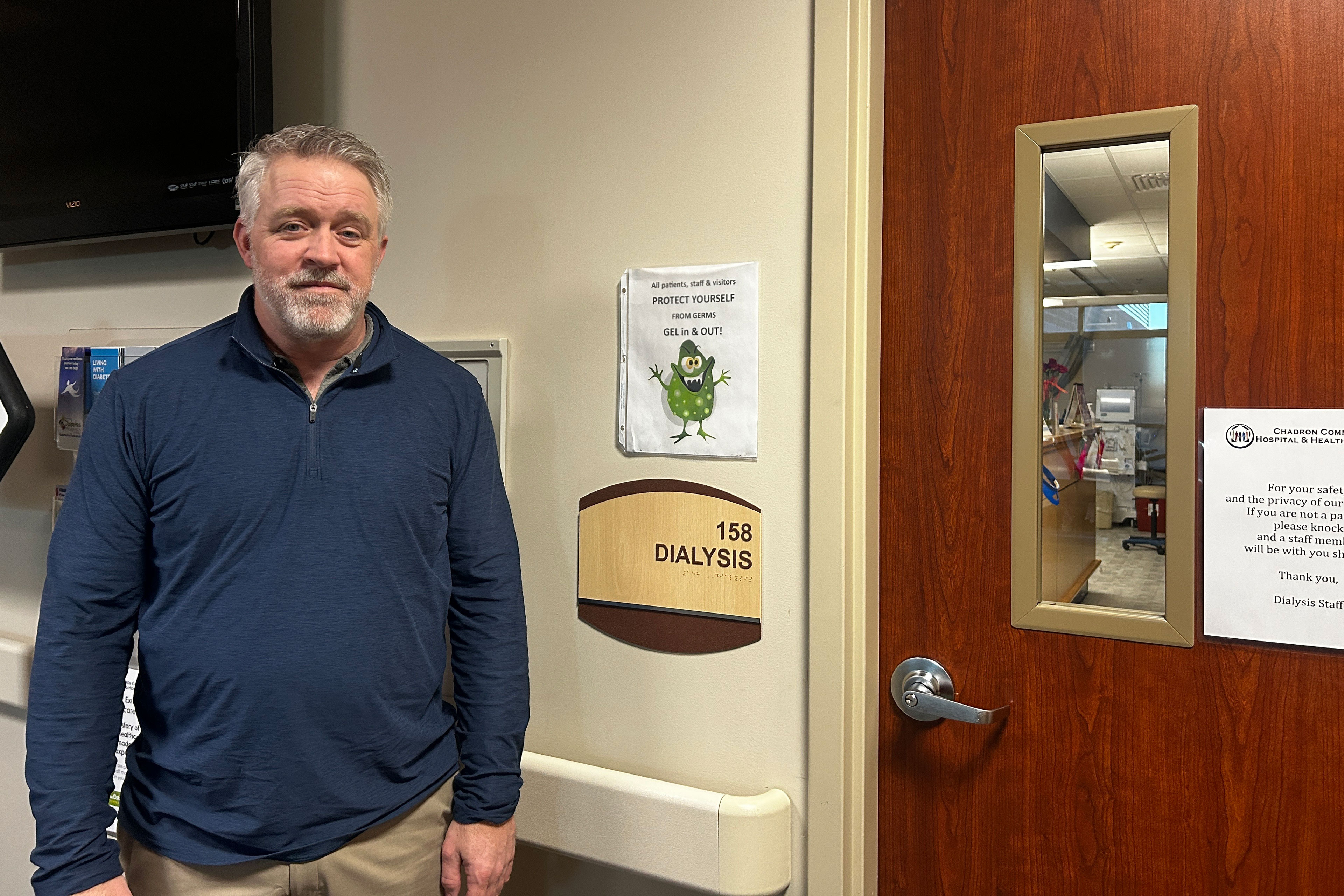
Peritoneal dialysis, one form of home dialysis, requires surgical implantation of a catheter and up to 15 days of training. The alternative, hemodialysis at home, can require up to eight weeks of intensive training. For patients near Chadron, the nearest facility offering training for peritoneal dialysis is in Scottsbluff, while training for home hemodialysis is three hours away in Cheyenne, Wyoming.
Mark Pieper has been informed by his doctors that he is not a suitable candidate for home dialysis or a kidney transplant. While a rural transit system exists in the Panhandle, its schedule is incompatible with his treatment needs, leaving him with no alternative but to undertake the substantial 200-mile round trip to Scottsbluff for his care.
The experiences of these patients highlight the profound impact of rural healthcare closures. The Wrights, in their efforts to keep the Chadron unit open, have written to politicians and hospital leaders, advocating for the use of federal rural health funding. Carol Wright expressed frustration with the lack of response, stating, "It feels like they don’t know that we exist at this end of the state." This sentiment reflects a broader concern among rural residents that their healthcare needs are overlooked by policymakers and distant healthcare institutions.
As the Wrights prepare for another phase of their temporary relocation, surrounded by packed boxes, their situation serves as a poignant reminder of the sacrifices demanded by the current rural healthcare landscape. The closure of vital services like the dialysis unit at Chadron Hospital not only disrupts individual lives but also erodes the foundational support systems that allow rural communities to thrive. The ongoing struggle of these Nebraskans underscores the urgent need for sustainable solutions that ensure equitable access to life-sustaining medical care, regardless of geographic location.