Renewed Global Alliance Launched to Confront the Escalating Threat of Online Child Exploitation

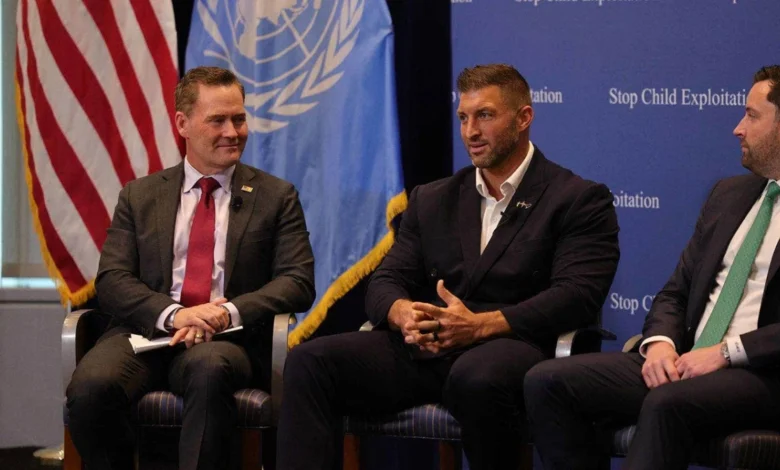
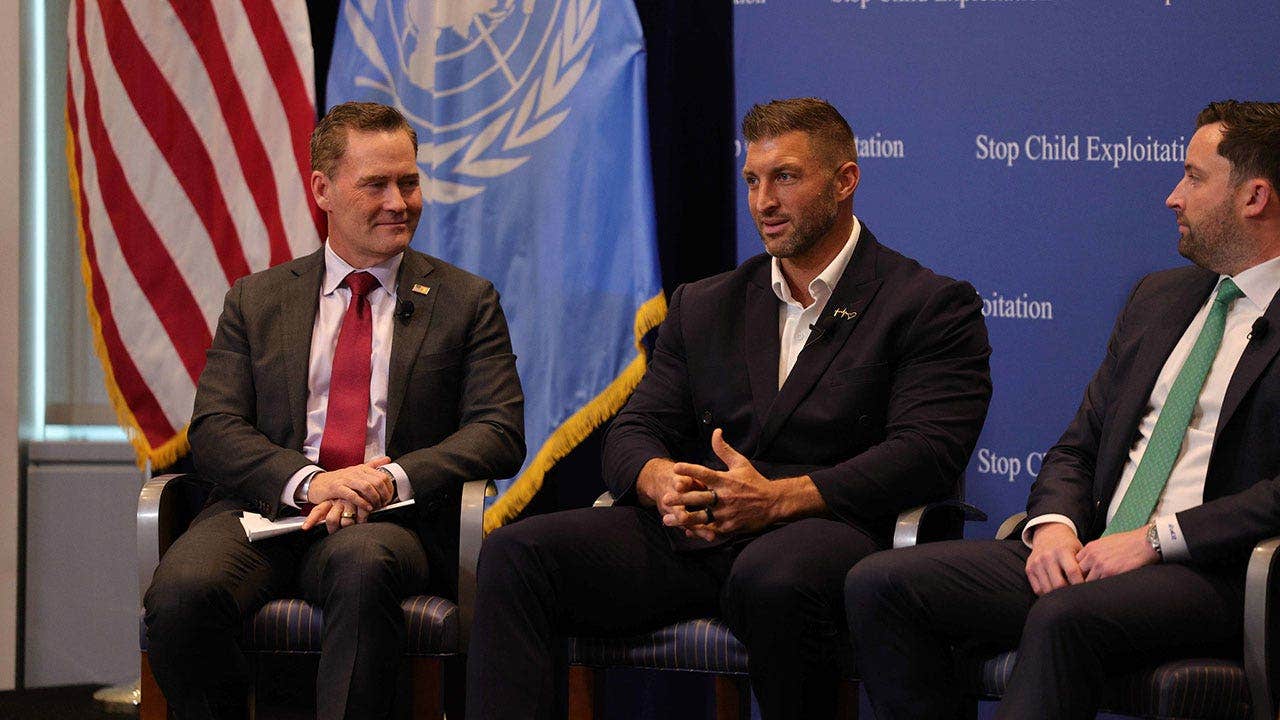
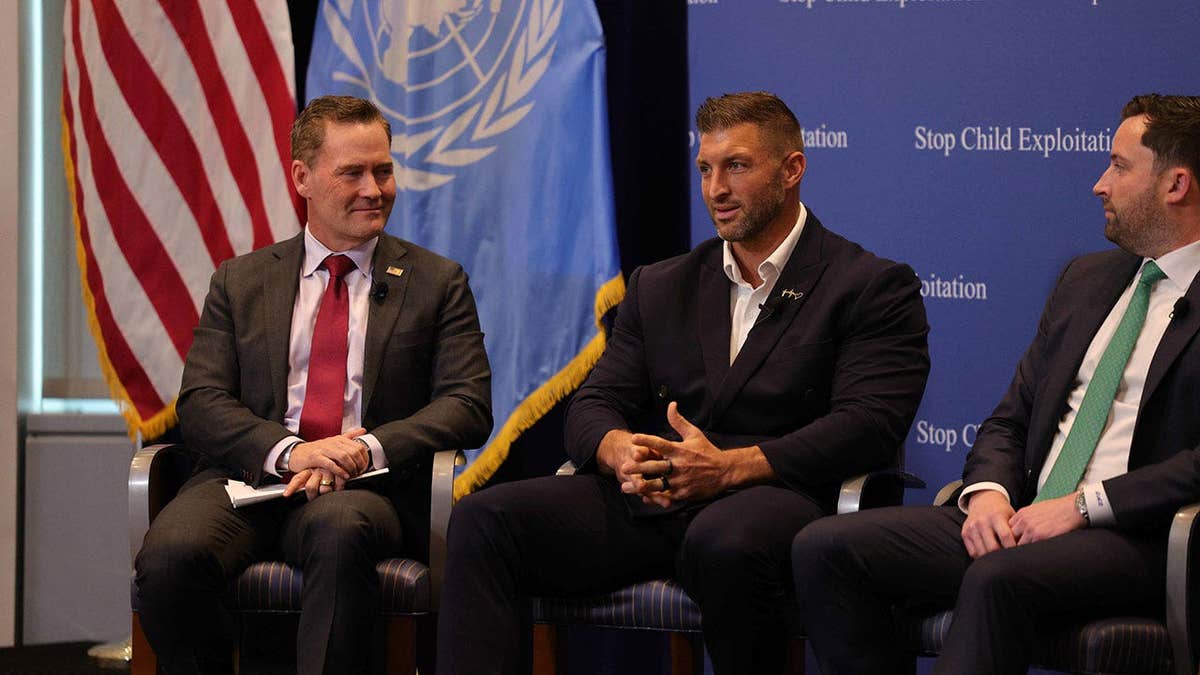
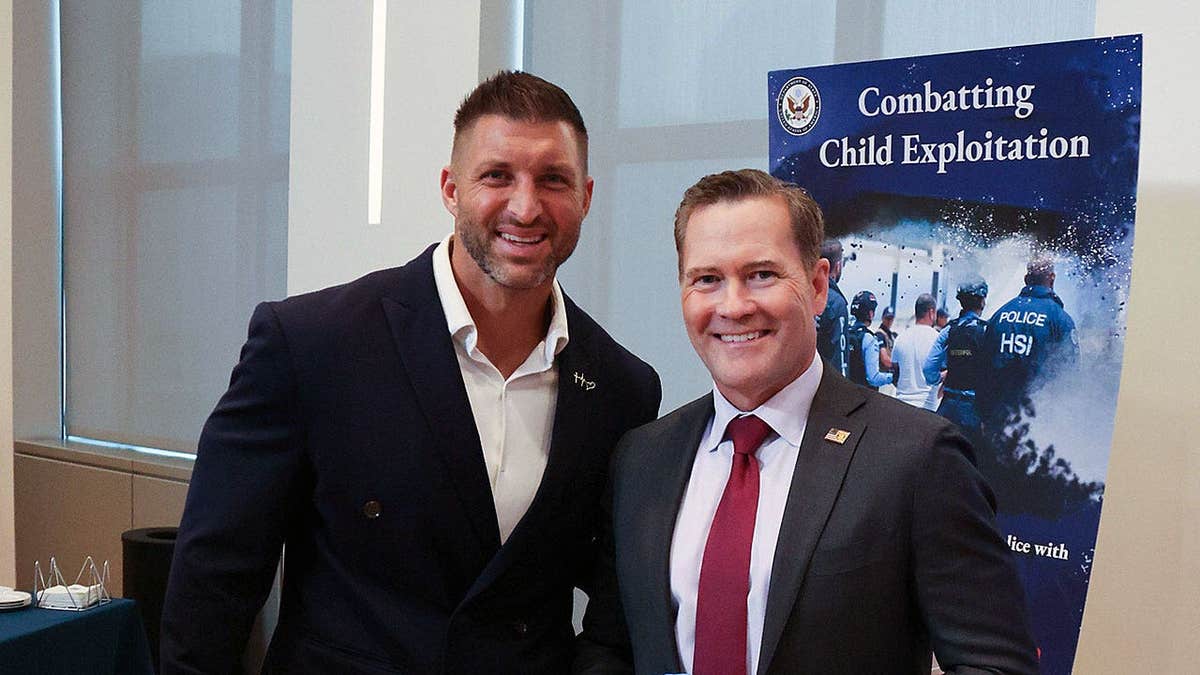
A significant international initiative to combat online child exploitation was unveiled on Thursday by U.S. Ambassador to the United Nations Mike Waltz and former NFL quarterback Tim Tebow. The collaborative effort, which brought together a diverse group of government officials, law enforcement leaders, and anti-human trafficking advocates—including Tebow’s foundation—aims to fortify global cooperation against predators who operate seamlessly across national borders. The announcement underscores a growing urgency to address a pervasive and evolving threat that reaches into communities worldwide.
Following the high-profile event at the U.S. Mission to the United Nations in New York, Ambassador Waltz and Tebow engaged in an exclusive discussion with Fox News Digital, where Tebow delivered a stark warning to parents. He stressed that the menace of child exploitation is not confined to distant nations or the obscure corners of the dark web but is, alarmingly, "happening in their backyard." This statement served as a potent reminder of the immediate and widespread nature of the threat, challenging common perceptions that such dangers are geographically or digitally remote.
The Pervasive Threat: A Global Crisis Demanding Unified Action
The scale of online child exploitation has reached unprecedented levels, fueled by rapid advancements in technology and the widespread availability of internet access. Reports from organizations like the National Center for Missing and Exploited Children (NCMEC) consistently show a dramatic increase in reports of online child sexual abuse material (CSAM) and child sextortion incidents. In 2022 alone, NCMEC received over 36 million reports of suspected CSAM, a figure that highlights the sheer volume of illicit content circulating online and the staggering number of children being victimized globally. The United Nations Office on Drugs and Crime (UNODC) further emphasizes that human trafficking, often intertwined with child exploitation, is a multi-billion-dollar criminal enterprise affecting every country, with children constituting a significant percentage of victims.
Ambassador Waltz articulated the imperative for a coordinated global response, stating, "Child exploitation criminals operate across borders, so a global response is critical. We need to work together to protect our children from predators." This sentiment resonated throughout the event, which spotlighted the United States’ commitment to collaborating with international partners to rescue exploited children, dismantle sophisticated human trafficking networks, and ensure the prosecution of child predators. Officials referenced recent successful international operations, new funding allocated by Congress to bolster these efforts, and a critical U.S.-led U.N. resolution specifically targeting online sextortion.
Sextortion, a particularly insidious form of online exploitation where predators coerce children into sending sexually explicit images or videos, then threaten to distribute them unless further demands are met, has seen a sharp rise. The U.S.-led U.N. resolution represents a vital step towards establishing a unified international legal framework and operational protocols to combat this specific threat, providing member states with tools to address it more effectively.
Chronology of Escalation and Response
The fight against child exploitation is not new, but its digital manifestation has added layers of complexity and urgency.
- Early 2000s: The advent of widespread internet access begins to reveal new avenues for child predators, moving from physical exploitation to online grooming and distribution of illicit content.
- Mid-2000s: Law enforcement agencies globally recognize the need for specialized cybercrime units to address the growing threat, but cross-border jurisdiction remains a significant hurdle.
- 2010: The Tim Tebow Foundation is established, with a core mission to combat human trafficking and child exploitation, recognizing the critical role of non-governmental organizations in this fight.
- 2015-Present: A surge in social media use and online gaming platforms creates new fertile grounds for predators. Incidents of online grooming, sextortion, and the rapid dissemination of CSAM escalate dramatically. International bodies like Interpol and Europol intensify their cross-border operations, but the sheer volume of cases overwhelms resources.
- Recent Years: Increased legislative focus in several countries, including the U.S., on holding technology giants accountable for child safety on their platforms. New Mexico’s recent push for massive penalties against Meta after a jury found the tech giant liable for endangering children, as highlighted in the original article, underscores this shift.
- Current Initiative (Thursday’s Event): The renewed international effort at the U.N. signifies a political commitment at the highest levels to galvanize global resources, harmonize legal frameworks, and strengthen investigative capabilities. The U.S.-led U.N. resolution on online sextortion is a direct outcome of this intensified focus.
The Dire Warning to Parents and the Imperative of Digital Vigilance
Tebow’s analogy for unprotected online access was stark and impactful: "If it’s unprotected, it’s similar to dropping them off at a playground knowing that pedophiles are circling that playground. You would never do it." This powerful statement serves as a wake-up call, urging parents to internalize the severe risks inherent in their children’s online interactions.
He emphasized that the danger facing children online demands constant parental awareness and engagement. Predators are relentless in their search for vulnerabilities, employing sophisticated tactics of grooming, luring, and sextorting young victims. Tebow characterized online child exploitation as "one of the worst evils in the world," a sentiment echoed by child protection advocates globally.

To counter these threats, parents are strongly encouraged to utilize available online safety tools, implement robust parental controls, and maintain open, honest communication with their children about their digital activities. Education about digital citizenship, privacy settings, and the dangers of sharing personal information online is paramount. It is no longer sufficient to simply provide access; active supervision and ongoing education are essential components of safeguarding children in the digital age.
Bridging Gaps: International Cooperation and Capacity Building
A significant challenge in combating cross-border child exploitation lies in the disparate legal frameworks and investigative capacities across nations. When asked by Fox News Digital whether some countries were refusing to cooperate, Ambassador Waltz clarified that the primary obstacle is often a lack of resources and legal infrastructure rather than outright refusal.
"I don’t know that there’s countries refusing to cooperate," Waltz explained, "But what I can tell you, there’s countries all over the world [where] they don’t have the laws on the books that make these things a crime. They don’t have the extradition treaties. They don’t have the prosecutors or the investigators that know how to handle the electronic evidence in the right way."
This highlights a critical area for international intervention: capacity building. U.S. agencies, in collaboration with United Nations partners and other international bodies, are actively working to assist countries in strengthening their legal frameworks, developing robust extradition treaties, and training law enforcement personnel in forensic digital evidence collection and prosecution. This support is crucial for creating a truly global net to catch perpetrators, regardless of their physical location or where their digital crimes originate. Without harmonized laws and trained professionals, international investigations hit jurisdictional dead ends, allowing criminals to evade justice by exploiting legal loopholes and national borders.
The Nexus of Migration and Exploitation
Ambassador Waltz also drew a critical link between migration and human trafficking, asserting that vulnerable girls, in particular, are frequently exploited by criminal organizations along migration routes. This connection underscores the multifaceted nature of child exploitation, which often preys on the most vulnerable populations. Displaced children, those seeking asylum, or those migrating for economic reasons are disproportionately targeted by traffickers who exploit their precarious circumstances, lack of support networks, and desperation.
International organizations like UNICEF and the International Organization for Migration (IOM) have long documented how children caught in migration flows are at heightened risk of sexual exploitation, forced labor, and other forms of trafficking. Addressing this aspect requires not only law enforcement efforts but also humanitarian aid, protection services for child migrants, and comprehensive strategies to dismantle the criminal networks that profit from their suffering.
The Specialist’s Challenge: Identifying Victims in a Shadow World
Tim Tebow further elaborated on the immense challenges investigators face in identifying victims, emphasizing that offenders deliberately work to avoid detection. "When we also talk about this, there are so many places that are underfunded, under-equipped, and it does take some training and understanding of what is happening online so we can best use victim identification," Tebow stated. He lauded the "incredible" work of victim identification specialists, noting their unique expertise in navigating the complex digital landscape where perpetrators conceal their tracks.
These specialists are highly trained professionals who analyze vast amounts of digital data, including metadata, IP addresses, and behavioral patterns, to trace illicit content back to its source and, more importantly, to identify the victims. Their work is painstaking and often emotionally taxing, requiring a deep understanding of cyberforensics, psychology, and the ever-evolving tactics of online predators. The global nature of the internet means that these specialists must often collaborate across international lines, sharing intelligence and resources to piece together fragments of evidence that can lead to rescues and arrests.
The Tim Tebow Foundation, through its extensive network and partnerships, plays a crucial role in supporting these efforts, not only in aiding investigations but also in providing care and rehabilitation for survivors. Their comprehensive approach acknowledges that combating exploitation extends beyond law enforcement to encompass prevention, rescue, and restorative justice for the victims.
Broader Impact and a Call for Sustained Commitment
The collaboration between the U.S. Mission to the United Nations, the Tim Tebow Foundation, and international law enforcement partners signals a renewed and invigorated commitment to a global problem. This alliance is designed to strengthen cross-border efforts through expanded cooperation, leveraging advanced technology, and coordinating complex international investigations. The goal is clear: to create an environment where child predators find no refuge, and every exploited child is brought into freedom.
This initiative is expected to have several far-reaching implications:
- Enhanced Intelligence Sharing: Increased trust and formalized agreements among nations will facilitate faster and more efficient sharing of critical intelligence regarding perpetrators and victims.
- Technological Advancement: The focus on technology will likely spur innovation in forensic tools, AI-driven detection systems for CSAM, and secure communication platforms for international operations.
- Legislative Harmonization: The U.S.-led U.N. resolution and capacity-building efforts will encourage more countries to adopt robust laws against online child exploitation, including provisions for sextortion, and to streamline extradition processes.
- Increased Public Awareness: High-profile events involving figures like Tim Tebow raise public awareness, encouraging parents and communities to be more vigilant and proactive in protecting children online.
- Victim Support and Rehabilitation: A stronger emphasis on identifying victims will be paired with efforts to provide them with the necessary psychological, medical, and social support for recovery.
The battle against online child exploitation is an ongoing one, constantly adapting to new technologies and criminal methodologies. As Tebow emphasized, "No child should be invisible, and no predator should be able to hide." This renewed global alliance represents a critical step towards realizing that vision, ensuring that the safety and well-being of children remain a paramount international priority. The effectiveness of this initiative will ultimately be measured by its ability to dismantle criminal networks, bring perpetrators to justice, and, most importantly, protect and liberate the most vulnerable members of society.