The Bantu Expansion: How a Massive Migratory Wave Reshaped the Demographics, Technology, and Languages of Sub-Saharan Africa

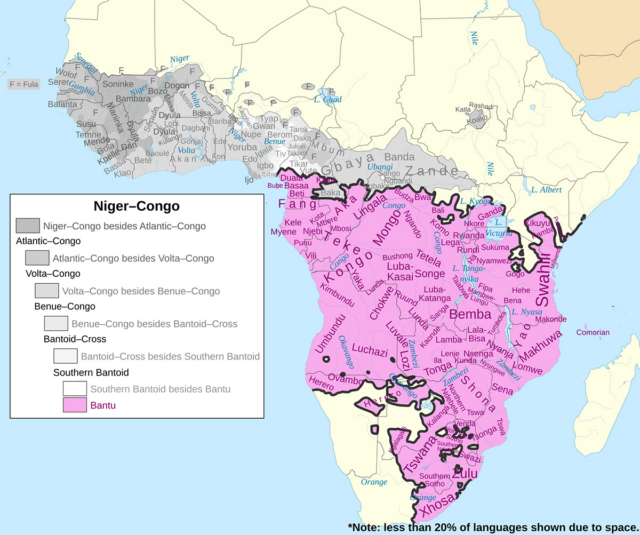
The history of the African continent is defined by one of the most significant and transformative human migrations in global history: the Bantu expansion. Over the course of several millennia, starting roughly 6,000 years ago, groups of people from western Africa—modern-day Cameroon and the surrounding region—began a slow, persistent migration that would eventually stretch across the continent to the southern tip of Africa. This movement was not merely a relocation of people; it was the catalyst for the spread of agriculture, iron metallurgy, and a linguistic family that now unites hundreds of millions of people. Today, modern science, blending archaeology, genetics, and linguistics, is finally piecing together the complex puzzle of how this expansion fundamentally altered the trajectory of sub-Saharan Africa.
The Technological Vanguard: Iron and Agriculture
Central to the success of the Bantu speakers was their mastery of technologies that allowed them to thrive in diverse environments. While the expansion is often remembered for its scale, it was underpinned by the development of the "Bantu package": a sedentary lifestyle rooted in farming, the domestication of livestock, advanced pottery-making, and, perhaps most crucially, the ability to smelt iron.
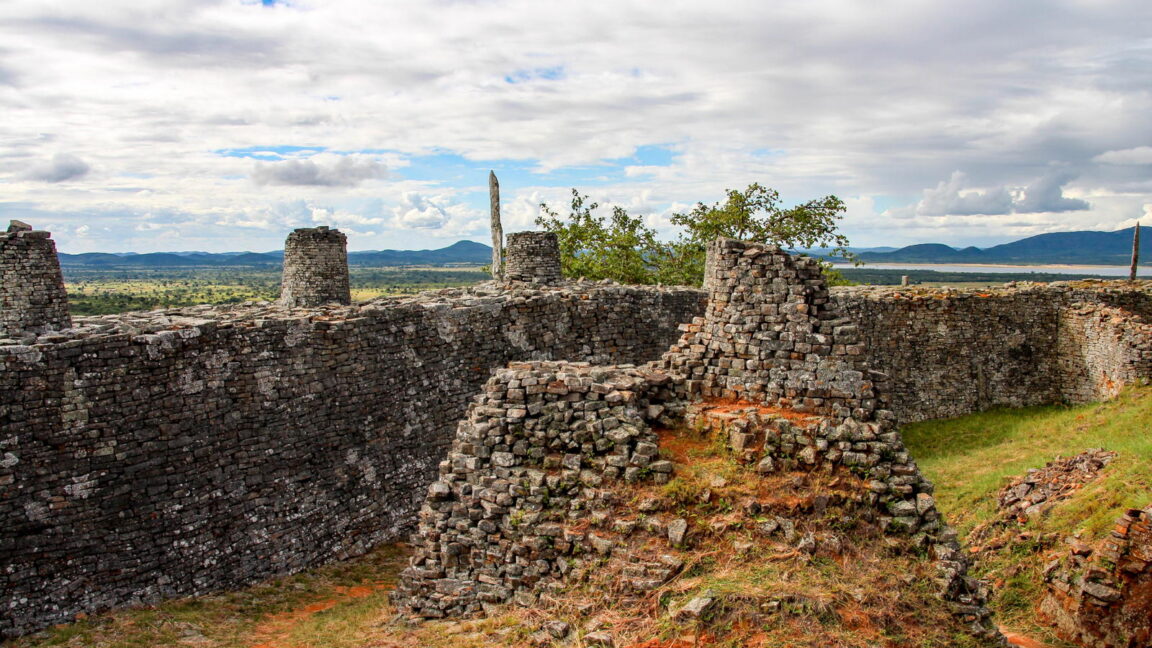
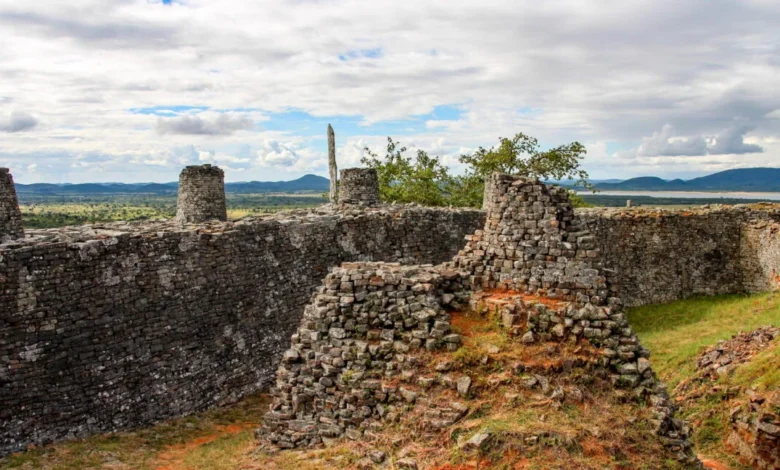
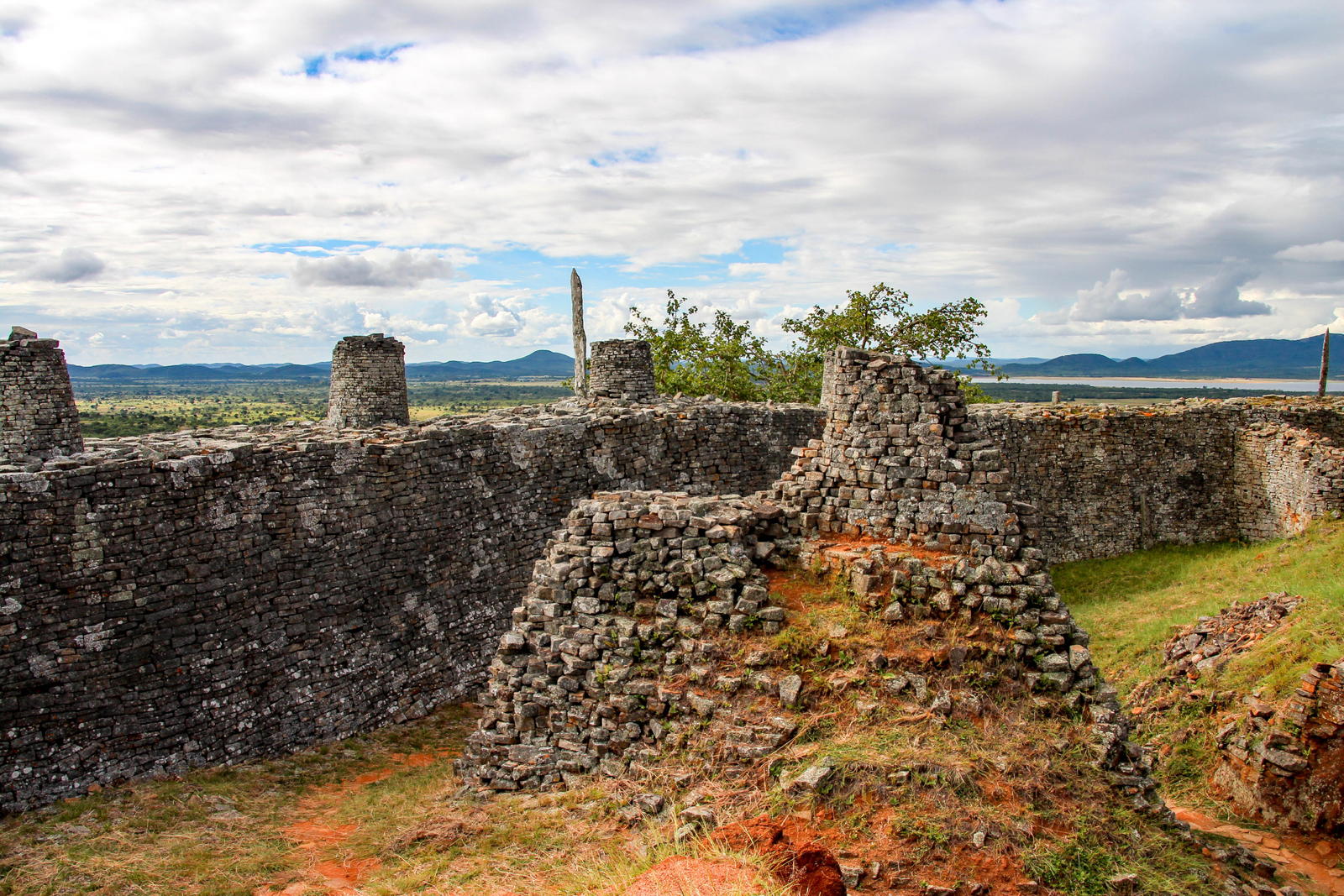
The ruins of Great Zimbabwe, which flourished between 1000 and 1700 AD, serve as a poignant monument to this legacy. Recent studies of the region’s iron-smelting furnaces have revealed a sophisticated understanding of thermodynamics. At sites like Mashava, archaeologists have discovered furnaces capable of reaching temperatures exceeding 2,100 degrees Fahrenheit. Unlike contemporary furnaces that relied on manual bellows, these structures were engineered to utilize natural draft technology, pulling air through chimneys to achieve the heat necessary for high-quality iron production. This innovation allowed for the mass production of tools, including hoes, axes, and arrowheads, which in turn increased agricultural output and supported larger, more stable populations.
A Chronological Reconstruction of the Expansion
The Bantu expansion was a long-term process, unfolding in phases over thousands of years. While early evidence is difficult to pinpoint, linguistic research provides the most reliable timeline for the initial dispersion. Linguists have noted that the greatest diversity of Bantu languages exists in western Africa, suggesting this was the cradle of the migration.
- 6,000 to 4,000 Years Ago: The ancestral Bantu speakers begin their gradual migration from the Grassfields region of Cameroon.
- 3,500 to 2,500 Years Ago: Migrants reach the fringes of the Congo rainforest. It is during this period that researchers believe the population split into distinct streams, with some groups moving eastward and others pushing southward.
- 2,300 to 2,000 Years Ago: Evidence of Bantu-style pottery appears along the Congo River, marking the arrival of the first settlers in the heart of the forest.
- 1,000 to 1700 AD: The establishment of complex state societies, such as the Kingdom of Great Zimbabwe, which utilized sophisticated trade networks to export gold, ivory, and iron across the Indian Ocean.
Genetic Evidence and Population Dynamics
For decades, the mechanism of the Bantu expansion—whether it was a true migration of people or a cultural diffusion of ideas—was a subject of intense academic debate. Genetic research has largely settled this question. By analyzing the DNA of modern African populations, scientists have confirmed that Bantu-speaking communities across vast geographic distances share significant ancestral ties, with genetic diversity decreasing as the distance from the western African homeland increases.
A 2024 genomic study of 1,763 individuals reinforced this, showing a clear signature of a population expanding from a single point of origin. Furthermore, genetic data has provided insight into the interaction between the Bantu-speaking migrants and the indigenous hunter-gatherer populations they encountered, such as the rainforest foragers and the Khoisan peoples. The data indicates that these encounters were not merely competitive but characterized by complex social mixing. In southern Africa, specifically, genetic markers suggest that early Bantu-Khoisan interactions often involved the intermarriage of Bantu men and Khoisan women, a pattern that left a lasting imprint on both the genetic makeup and the linguistic landscape of the region, including the adoption of unique click sounds into languages like Zulu and Xhosa.
Linguistic Evolution and Cultural Exchange
The linguistic legacy of the Bantu expansion is perhaps its most visible mark on the modern world. Today, approximately 350 million people speak one of the roughly 500 distinct Bantu languages. When the Portuguese explorer Vasco da Gama reached southeastern Africa in 1497, his crew was able to communicate with local populations using a language translator who had been stationed in west-central Africa—a testament to the deep, shared roots of the linguistic family.
However, the expansion was not a unilateral imposition of culture. The interaction between Bantu farmers and existing hunter-gatherer societies was a two-way street of exchange. Archaeologists like Décio Muianga have found sites in Mozambique where hunter-gatherers utilized Bantu-style pottery, suggesting that these groups were not simply displaced or absorbed, but were active participants in a regional economy of trade and cultural borrowing. Even the practice of iron smelting, while a hallmark of Bantu innovation, likely involved exchanges with other iron-extracting cultures across the continent.
Current Limitations and Future Research
Despite the progress made in reconstructing this history, researchers remain cautious. Linguistic trees are often incomplete, as many ancestral languages have gone extinct over time. Furthermore, the reliance on computational models that assume isolation can be misleading, as they fail to account for the frequent cross-pollination between languages that occurred during the expansion.
Geneticists are now shifting their focus to the analysis of ancient DNA from archaeological remains to provide a more granular view of the migration. This work is essential for understanding the timing of specific movements and the nuances of population replacement and integration. Yet, the field faces significant hurdles, primarily regarding funding. Much of the research into African prehistory remains heavily dependent on European institutions. Leading scholars like Shadreck Chirikure of the University of Oxford have consistently argued that for the field to progress, there must be a greater investment in African laboratories and local research initiatives. Without such support, the ability to formulate and test new hypotheses remains constrained.
The Broader Impact: A Legacy of Diversity
The Bantu expansion did more than just move people and technologies; it created the cultural foundation of modern sub-Saharan Africa. The resulting blend of philosophies, agricultural practices, social structures, and linguistic traditions created a level of cultural diversity that is unique on the global stage.

The kingdoms that rose from this expansion, such as Great Zimbabwe, were global players, linked to the wider world through extensive maritime trade. They were not isolated societies, but sophisticated centers of production and exchange. As researchers continue to bridge the gaps between the archaeological record, genetic data, and linguistic evidence, the narrative of the Bantu expansion is shifting from a simplistic story of conquest to one of profound human resilience, adaptation, and integration.
The implications of this research extend far beyond the ivory tower. For the millions of people who trace their ancestry to the Bantu migration—including large populations in Africa, as well as the African diaspora in the Americas—this history provides a deeper understanding of their origins. As scientists continue to uncover the complexities of this long-distance migration, they reveal a story that is not just about the past, but about the enduring connections that define the African continent today.
The ongoing effort to document this history is a testament to the importance of interdisciplinary cooperation. By combining the tools of the modern age—from genome sequencing to computer-aided linguistics—with the patient, manual labor of archaeological excavation, the global scientific community is slowly reclaiming a chapter of human history that was once relegated to the shadows of the past. The result is a richer, more nuanced, and ultimately more accurate depiction of a migration that fundamentally defined the heart of the African experience.