Former Democratic Fundraiser Lindy Li Alleges Kamala Harris Orchestrated ‘Charade’ to Secure Donor Support Before Biden Exited 2024 Race

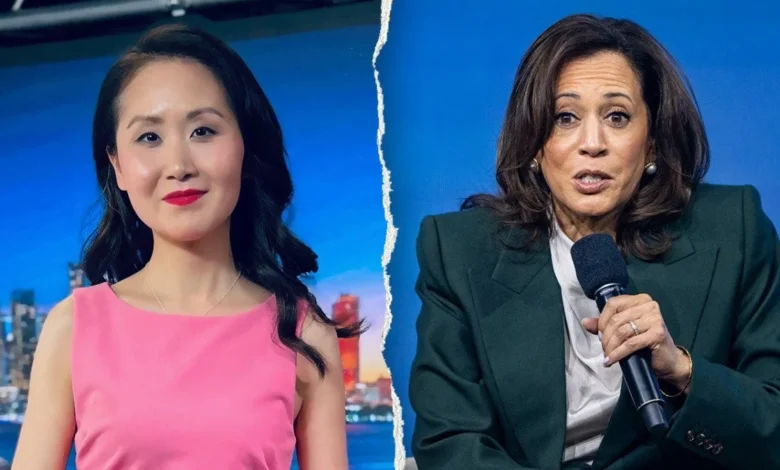
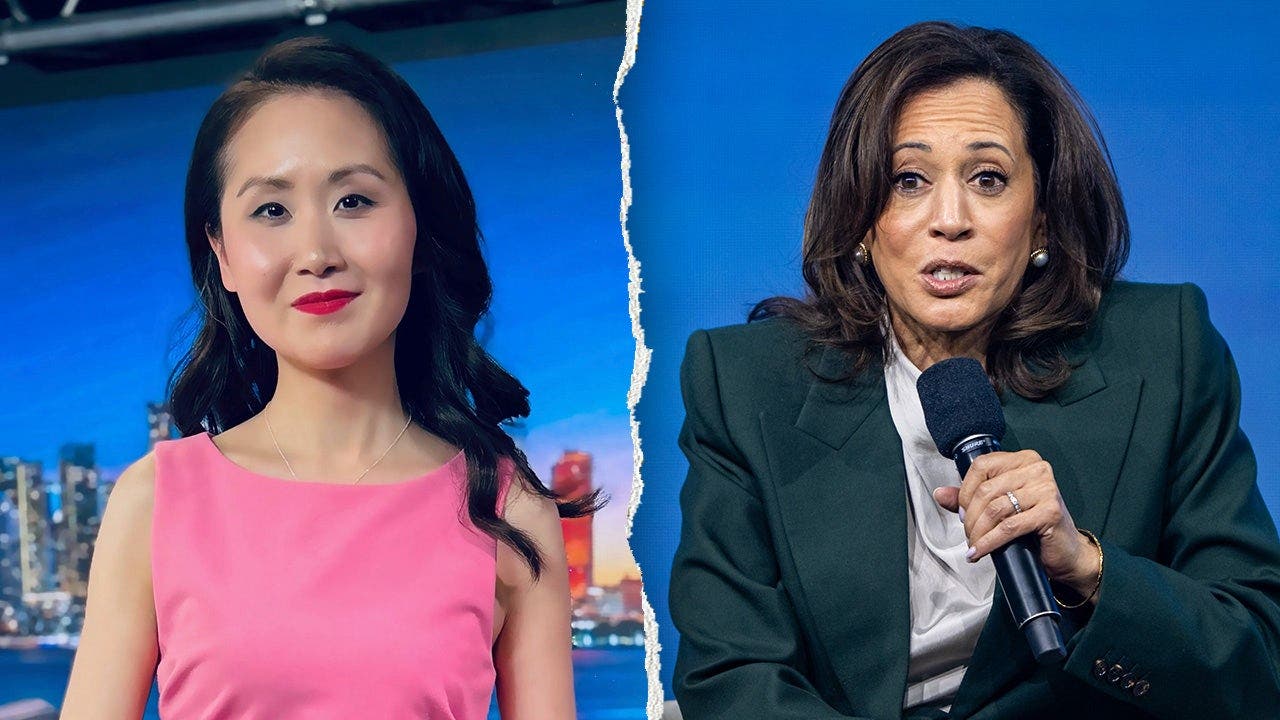
In the volatile landscape of the 2024 United States presidential election, few moments match the historic and sudden upheaval of President Joe Biden’s decision to end his reelection campaign. Months after the dust has settled, new insider accounts continue to shed light on the inner workings of the Democratic Party during that turbulent summer. Among the most prominent whistleblowers is Lindy Li, a former high-profile fundraiser for the Democratic National Committee (DNC) and a former supporter of both President Joe Biden and Vice President Kamala Harris. In her newly released book, "Unburdened," and in subsequent exclusive interviews, Li has detailed a narrative of deep internal friction, orchestrated deception, and strategic positioning within the upper echelons of the Democratic Party as Biden’s political viability rapidly deteriorated.
According to Li, who eventually switched her party affiliation following what she describes as unheeded warnings regarding Biden’s cognitive and physical decline, Vice President Kamala Harris was engaged in a calculated political maneuver just days before Biden’s historic exit. Li alleges that Harris utilized donor calls to publicly project unwavering support for Biden’s continued candidacy while simultaneously positioning herself to inherit his vast financial network. This revelation provides a granular look at the friction between public loyalty and private contingency planning that characterized the final weeks of the Biden-Harris ticket.
The Build-Up to the 2024 Debate and Institutional Silence
The narrative surrounding the 2024 Democratic primary and subsequent general election campaign is inextricably linked to the June 27, 2024, presidential debate between Joe Biden and Donald Trump. The debate performance, widely described by political analysts and voters alike as disastrous for the incumbent president, accelerated existing private concerns about Biden’s age, stamina, and cognitive fitness into a public crisis.
For months prior to the debate, figures within the party machinery—including major donors, bundlers, and grassroots organizers—had privately voiced anxieties regarding Biden’s candidacy. However, according to Li and other party insiders who have recently broken their silence, an institutional culture of enforced optimism and loyalty discouraged open dissent. Party leaders repeatedly urged donors and staffers to downplay visible signs of the president’s aging, dismissing media reports as partisan attacks.
Li’s chronicle in "Unburdened" suggests that this enforced silence created a pressurized environment where insiders felt compelled to toe the party line publicly, even as private panic mounted. As a top-tier fundraiser who had cultivated relationships with some of the wealthiest and most influential donors in the Democratic coalition, Li found herself caught between her professional obligations to the campaign and her growing conviction that the ticket was headed toward an insurmountable defeat.
The Final Days: A Chronology of the 2024 Campaign Upheaval
To understand the gravity of Li’s allegations, it is essential to examine the precise timeline of the days immediately preceding President Biden’s July 21 announcement that he would suspend his reelection campaign.
On or around July 19, 2024, Vice President Harris reportedly convened a conference call with some of the Democratic Party’s most prominent and high-net-worth donors. According to Li, who participated in the call, Harris addressed mounting rumors regarding Biden’s potential exit with absolute denial.
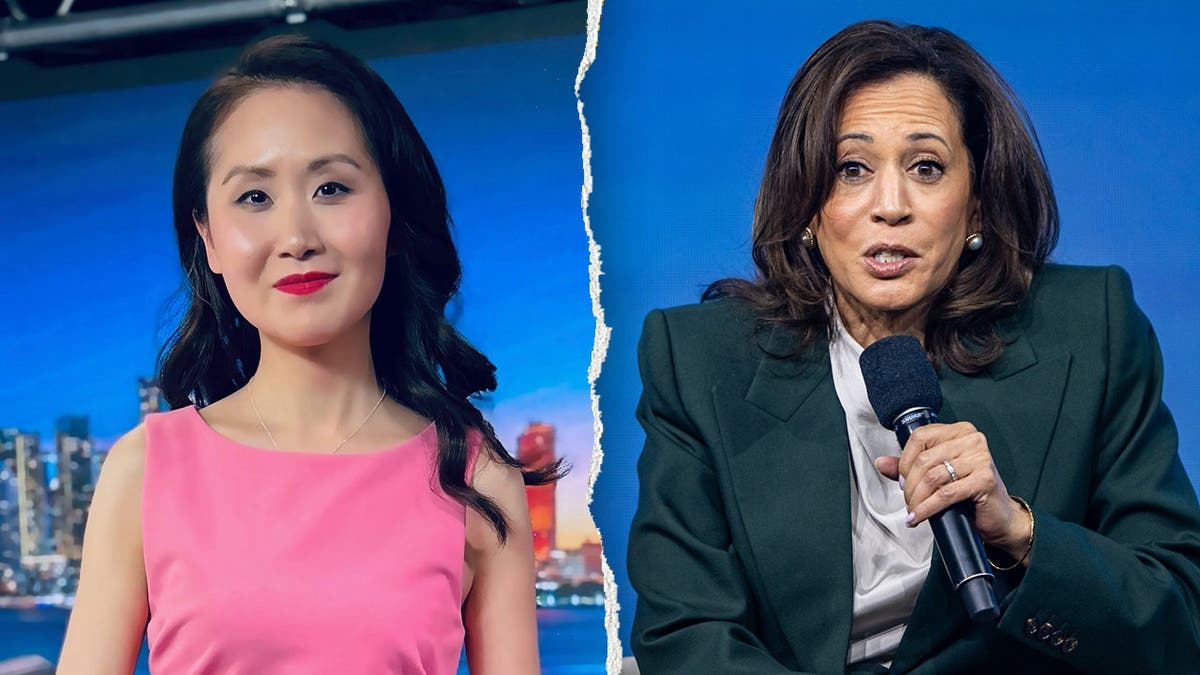
"She was host to calls with donors and pretend to support Biden and say there’s no daylight between Biden and herself," Li stated during an interview. "All the while, she was auditioning for those very donors."
Li specifically recalled that on July 19, Harris assured the influential gathering that Biden had no intention of dropping out of the race and that she would remain steadfastly by his side through the conclusion of the election cycle. Just 48 hours later, on Sunday, July 21, President Biden released a written statement announcing his withdrawal from the 2024 presidential race, instantly altering the trajectory of modern American politics.
The Rapid Consolidation of Power
Following Biden’s Sunday afternoon announcement, the Democratic Party was plunged into a high-stakes scramble to determine its standard-bearer ahead of the Democratic National Convention. While potential primary challengers weighed their options, Vice President Harris executed what political strategists have described as a remarkably swift and effective consolidation of institutional support.
Li characterized the first 24 hours post-announcement as an intensive charm offensive led by Harris and her inner circle. By reaching out directly to party leaders, elected officials, and key delegates, the vice president worked rapidly to secure endorsements and prevent a messy, protracted open convention.
However, Li noted that this swift transition was accompanied by complex dynamics regarding presidential backing. According to Li’s insider perspective, President Biden did not immediately issue an endorsement of his vice president when he announced the end of his campaign. Instead, approximately 30 minutes after his initial withdrawal announcement, Biden released a second statement officially endorsing Harris. Li alleges that this brief delay reflected hesitation within the outgoing president’s camp, even as Harris moved aggressively to claim the mantle of presumptive nominee.
Donor Reactions and the Perception of Deceit
While Harris’s rapid consolidation successfully cleared the path for her nomination, the maneuver left lingering resentment among key segments of the donor class who had participated in the final days of pre-withdrawal fundraising calls. Li revealed that private group chats among wealthy donors buzzed with frustration and disillusionment immediately following the revelations of Biden’s true condition and the sudden pivot.
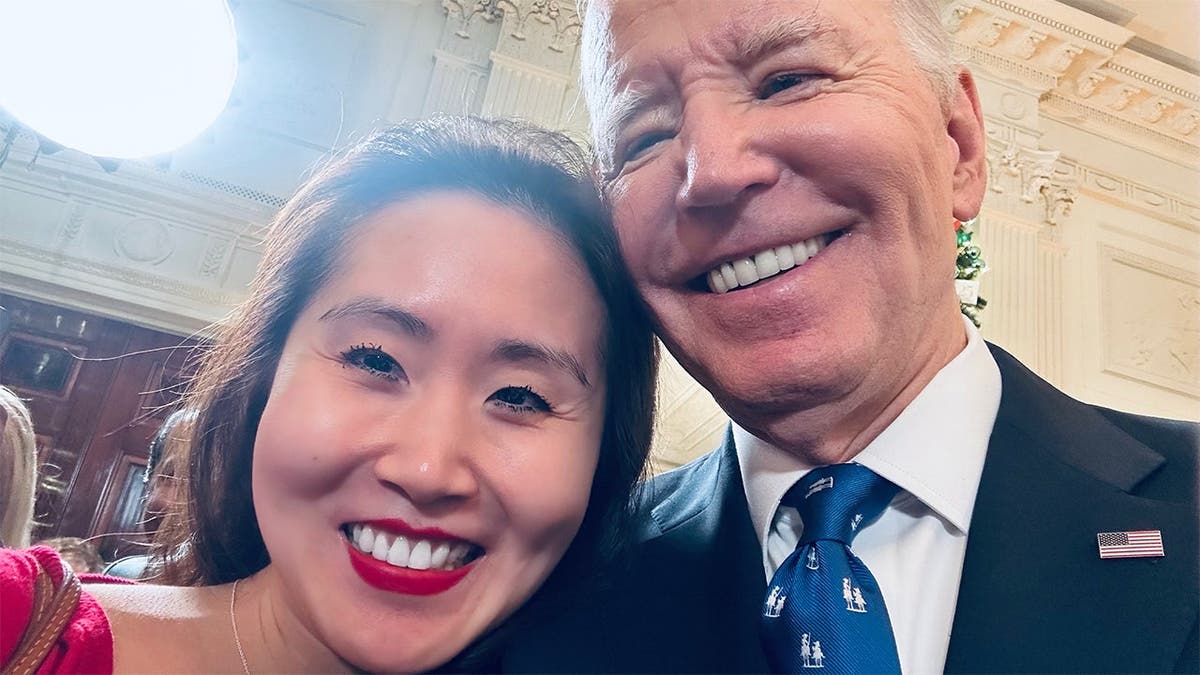
"A lot of us have group chats, and the immediate reaction is what an effing waste of time. What a charade, how fake," Li recounted. She emphasized that donors, many of whom had contributed millions of dollars to the campaign infrastructure, felt insulted by what they perceived as a deliberate effort to mislead them about the president’s health and the viability of the ticket.
For these financial backers, the stark contrast between being told on July 19 that Biden was fully capable and fully committed, and witnessing his exit on July 21, underscored a profound lack of transparency from party leadership. This disillusionment has fueled a broader post-election reckoning within the Democratic Party regarding candor, accountability, and the management of leadership transitions.
Broader Implications for the Democratic Party
The publication of insider memoirs and retrospective analyses, such as Lindy Li’s "Unburdened," highlights ongoing debates about the future direction of the Democratic Party as it looks toward the 2026 midterm elections and the 2028 presidential cycle.
Political analysts suggest that the transparency crisis of 2024 has permanently altered how party insiders, donors, and voters evaluate political messaging. The episode has sparked intense discussions about the balance between institutional loyalty and objective reality, particularly when dealing with aging leadership or unexpected political crises. Furthermore, reports regarding Harris’s outreach to diverse political factions—including recent diplomatic engagements with figures across the party’s ideological spectrum—indicate that potential groundwork for future political ambitions is already being laid.
As representatives for Vice President Harris and other key figures navigate these ongoing disclosures, the political fallout from the 2024 campaign continues to reverberate. Li’s account serves as a prominent data point in the historical record of a historic election, illustrating the complex intersection of ambition, loyalty, and crisis management at the highest levels of American government.