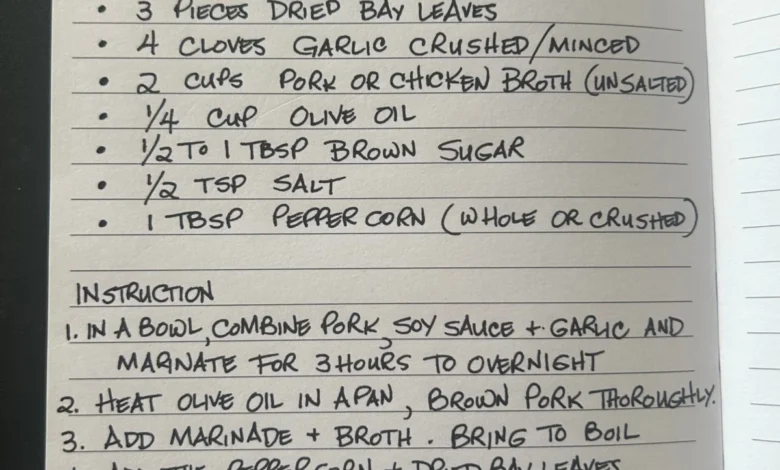
As global food inflation continues to impact household budgets, the intersection of culinary tradition and fiscal responsibility has become a focal point for home cooks. With rising grocery costs consistently challenging the feasibility of nutritious, scratch-made meals, a new monthly series titled The $25 Dinner has launched to demonstrate that high-quality, culturally significant cuisine remains attainable on a strict budget. The inaugural installment of this project features a recipe for Filipino chicken adobo paired with coconut rice, curated by cookbook author and culinary developer Casey Elsass.
Economic Framework and Methodology
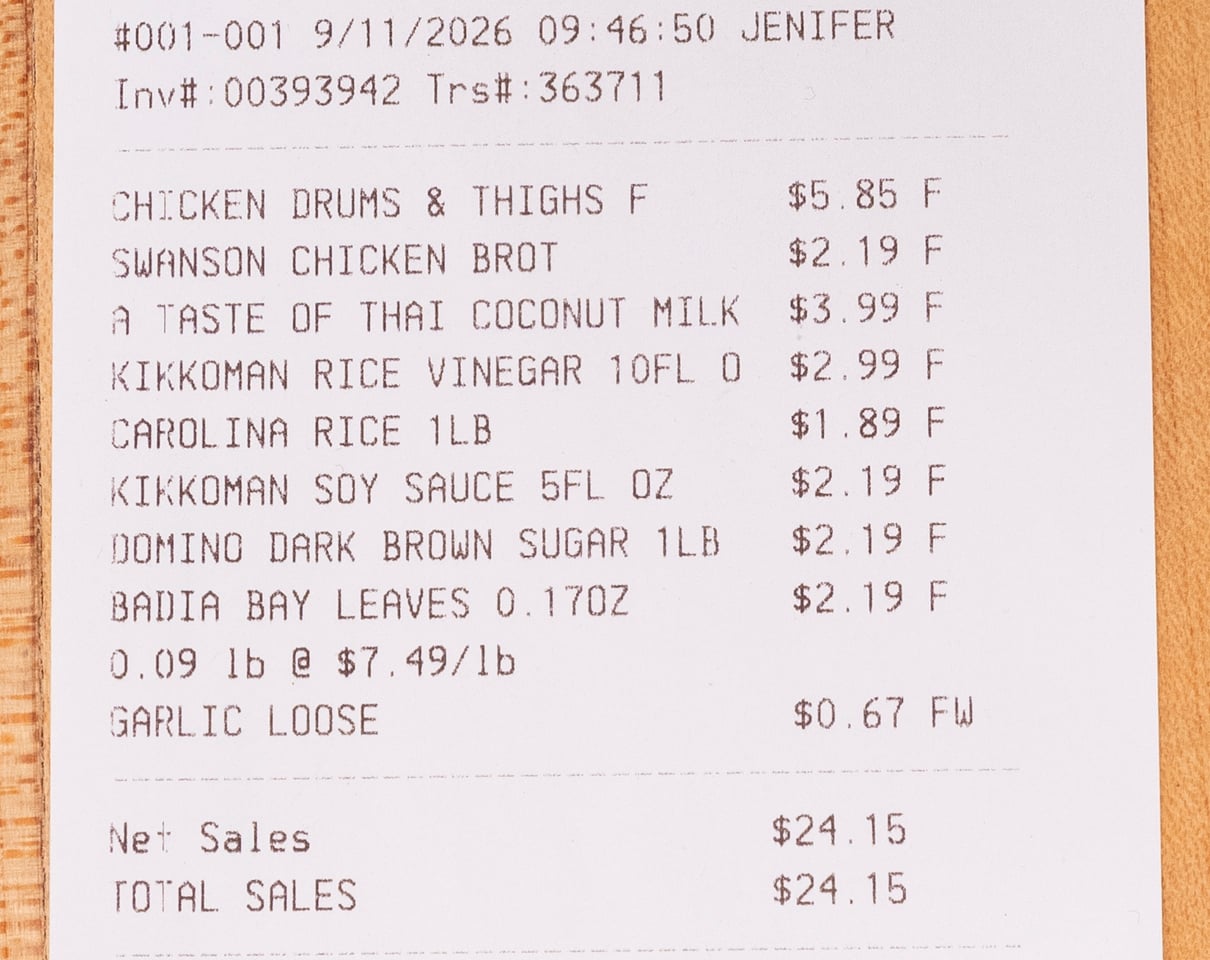
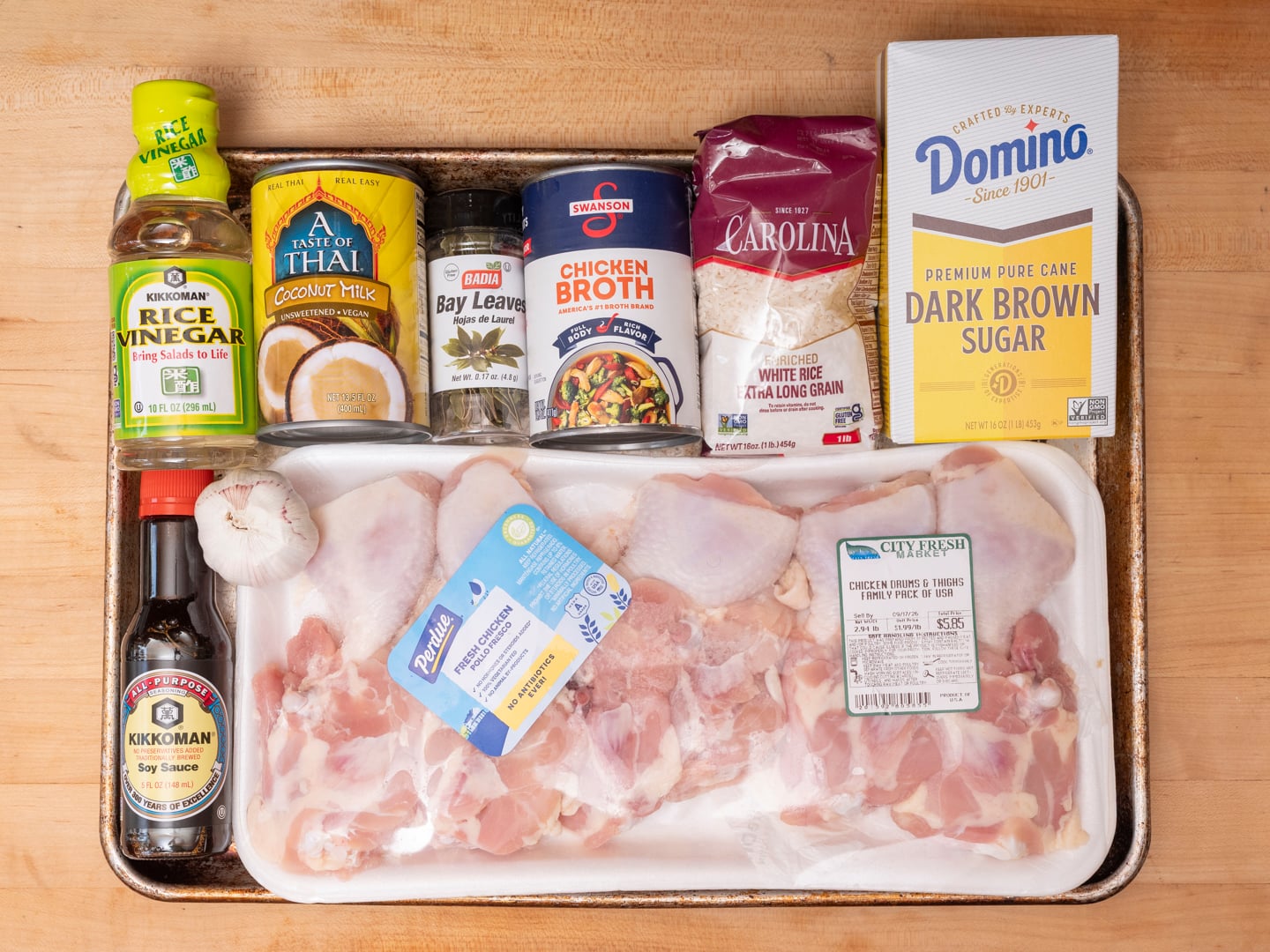
The project operates under a set of rigid economic constraints designed to simulate a "worst-case scenario" for the average consumer. To maintain transparency and accuracy, the series mandates four primary ground rules: all pantry staples—excluding water, oil, salt, and pepper—must be factored into the $25 budget; total package costs are used rather than per-unit pricing to avoid "sneaky math"; all ingredients are purchased at a standard, mid-priced urban grocery retailer to reflect current market rates; and full financial disclosures, including itemized receipts, are provided for each meal.
By eschewing the potential savings found at deep-discount retailers, the project aims to provide a realistic benchmark for urban shoppers. The inaugural shopping trip, conducted at a Brooklyn-based grocery store, resulted in a total expenditure of $24.15. This figure accounts for every ingredient used, confirming that a protein-forward, complex dinner for four can be achieved under the $25 threshold even when starting with a depleted pantry.

The Historical and Culinary Significance of Adobo
Adobo occupies a central position in Filipino gastronomy, serving as both a staple home-cooked meal and a cultural touchstone. The dish, characterized by the braising of meat in a mixture of soy sauce, vinegar, garlic, bay leaves, and peppercorns, traces its roots to pre-colonial culinary preservation techniques. Before the advent of modern refrigeration, the acidic environment created by vinegar served as a primary method for extending the shelf life of proteins in the tropical climate of the Philippines.
When Spanish colonial forces arrived in the archipelago in the 16th century, they observed this indigenous cooking style and applied the term "adobo," derived from the Spanish word for marinade. Over the subsequent centuries, the recipe underwent various regional evolutions. The introduction of soy sauce, likely via trade routes with China, replaced salt as the primary seasoning agent in many iterations. Other variations incorporate coconut milk, ginger, or onions, illustrating that adobo is not a static dish but a fluid tradition adaptable to regional availability and personal preference.
Chronology of the Preparation Process
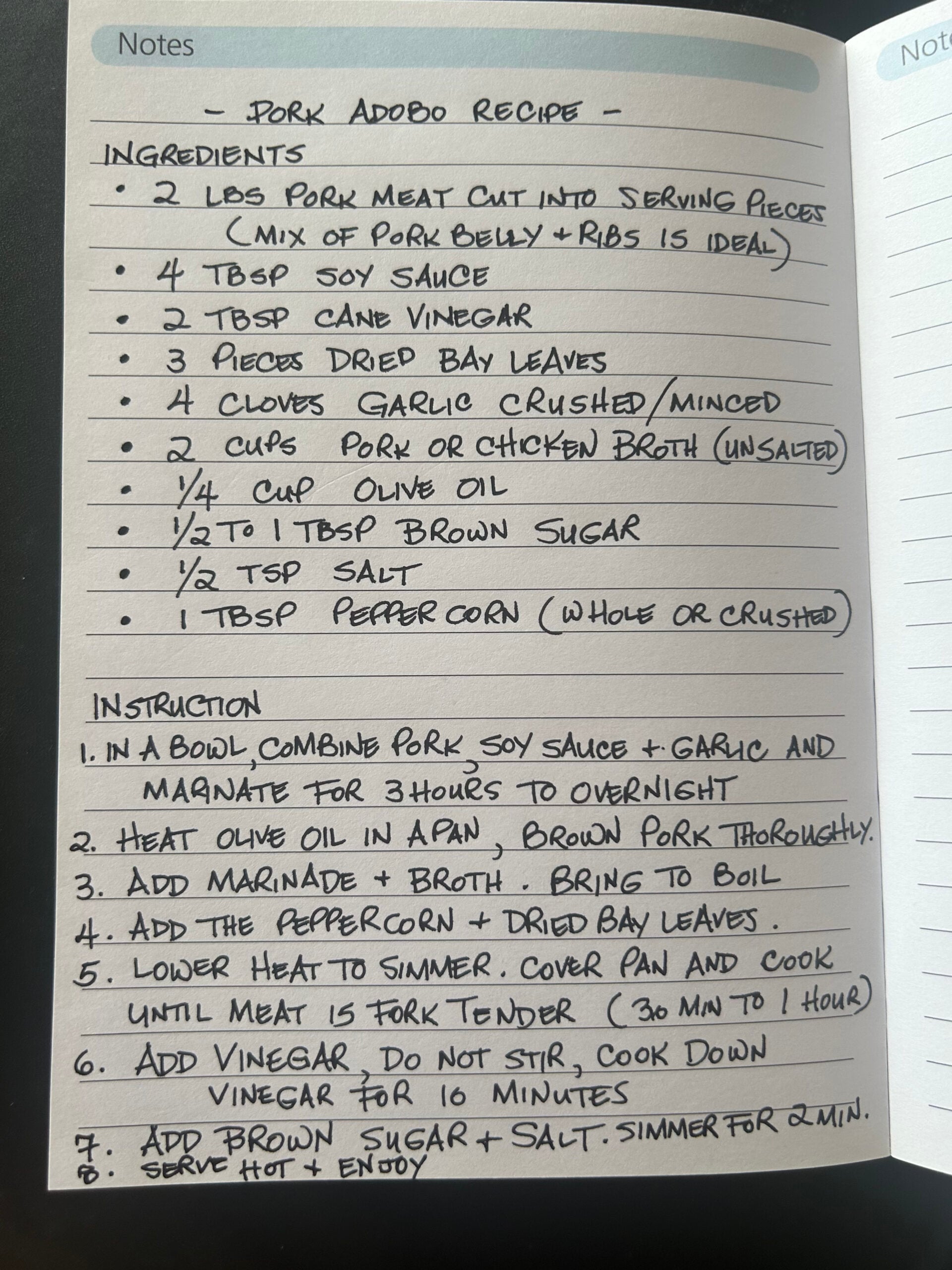
The preparation of the featured chicken adobo is a multi-stage process that prioritizes flavor development through time-managed techniques. The protocol involves:
- Marination: The chicken, consisting of bone-in, skin-on thighs and drumsticks, is combined with soy sauce and aromatics for a minimum of three hours, with a maximum window of 24 hours to allow the marinade to permeate the muscle tissue.
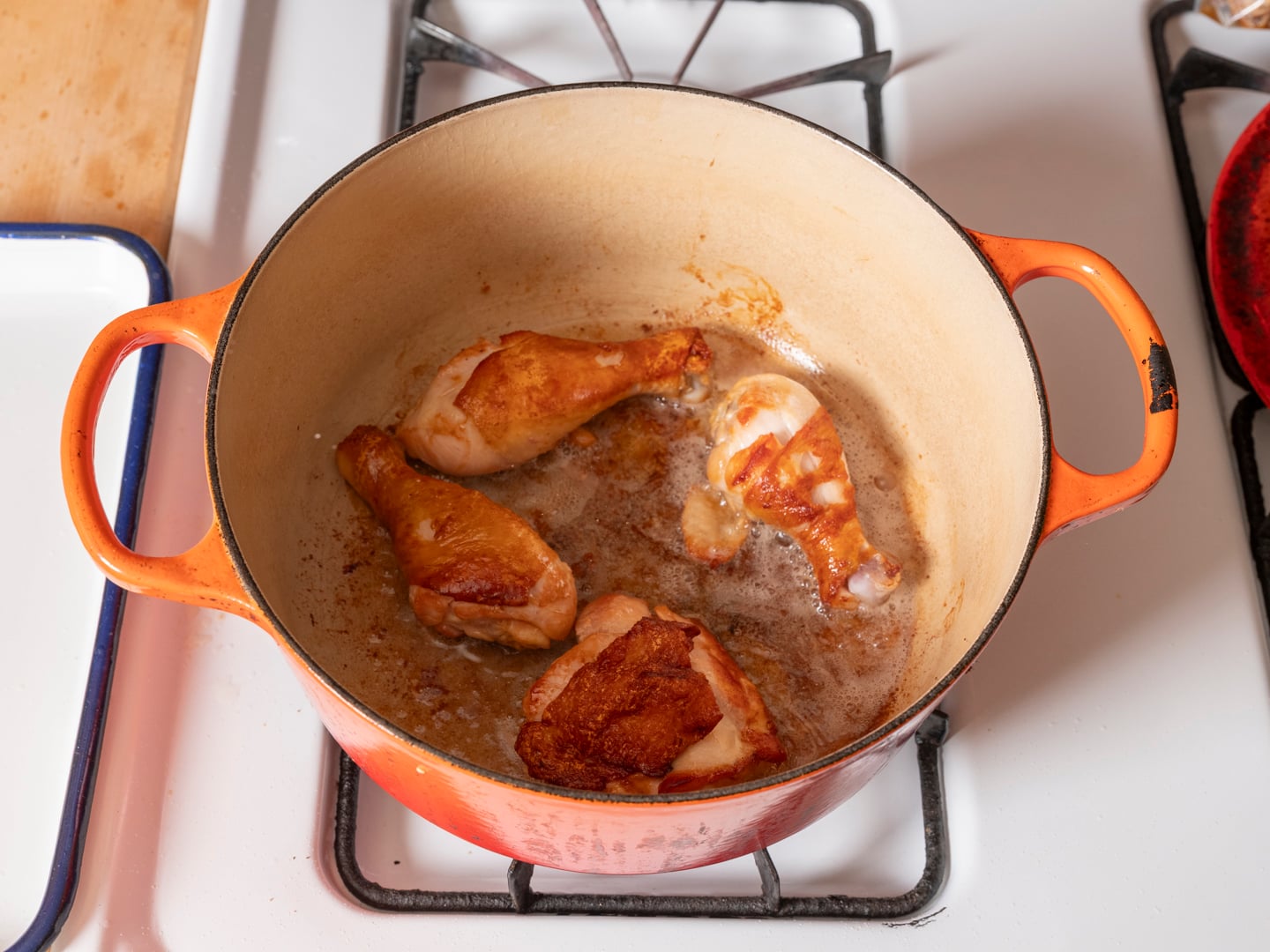
- Searing: The protein is browned in a high-sided vessel to develop the Maillard reaction, which is essential for the depth of the final sauce. The process requires careful heat management to ensure consistent browning without crowding the pan.
- Braising: The reserved marinade and chicken broth are added to the pot. The mixture is brought to a simmer, allowing the collagen in the bone-in chicken to break down into gelatin, resulting in a tender texture.
- Acidification: A critical, scientifically grounded step in the recipe is the addition of rice vinegar after the initial braise. According to culinary practitioners, introducing the vinegar without immediate agitation allows for a balanced reduction, preventing the dish from becoming excessively sharp.
- Reduction and Emulsification: The final stage involves reducing the sauce to achieve the desired viscosity and balancing the acidity with a sweetener—typically brown sugar or honey—to round out the profile.
The accompanying coconut rice is prepared by rinsing long-grain white rice to remove excess surface starch, a step that ensures the final product is fluffy rather than gummy. By substituting a portion of the cooking water with canned unsweetened coconut milk, the dish gains a rich, fat-forward profile that complements the savory and acidic notes of the adobo.
Economic and Societal Implications
The launch of this series arrives at a time when food insecurity and the rising cost of living are prominent subjects in public discourse. According to recent consumer price index data, food-at-home costs have experienced significant volatility over the past three years. Projects that emphasize the "democratization of fine cooking"—the idea that high-quality, flavorful meals do not require expensive ingredients or specialty sourcing—serve an important function in modern food media.
The reliance on bone-in, skin-on chicken, which is generally more cost-effective than boneless cuts, reflects a broader trend in budget-conscious cooking: prioritizing value-dense ingredients. Furthermore, the use of shelf-stable items like soy sauce, vinegar, and rice allows consumers to maintain a flexible pantry that can support multiple meals over a longer timeframe, lowering the "per-meal" cost beyond the initial $25 investment.
Expert Perspectives and Culinary Adaptability
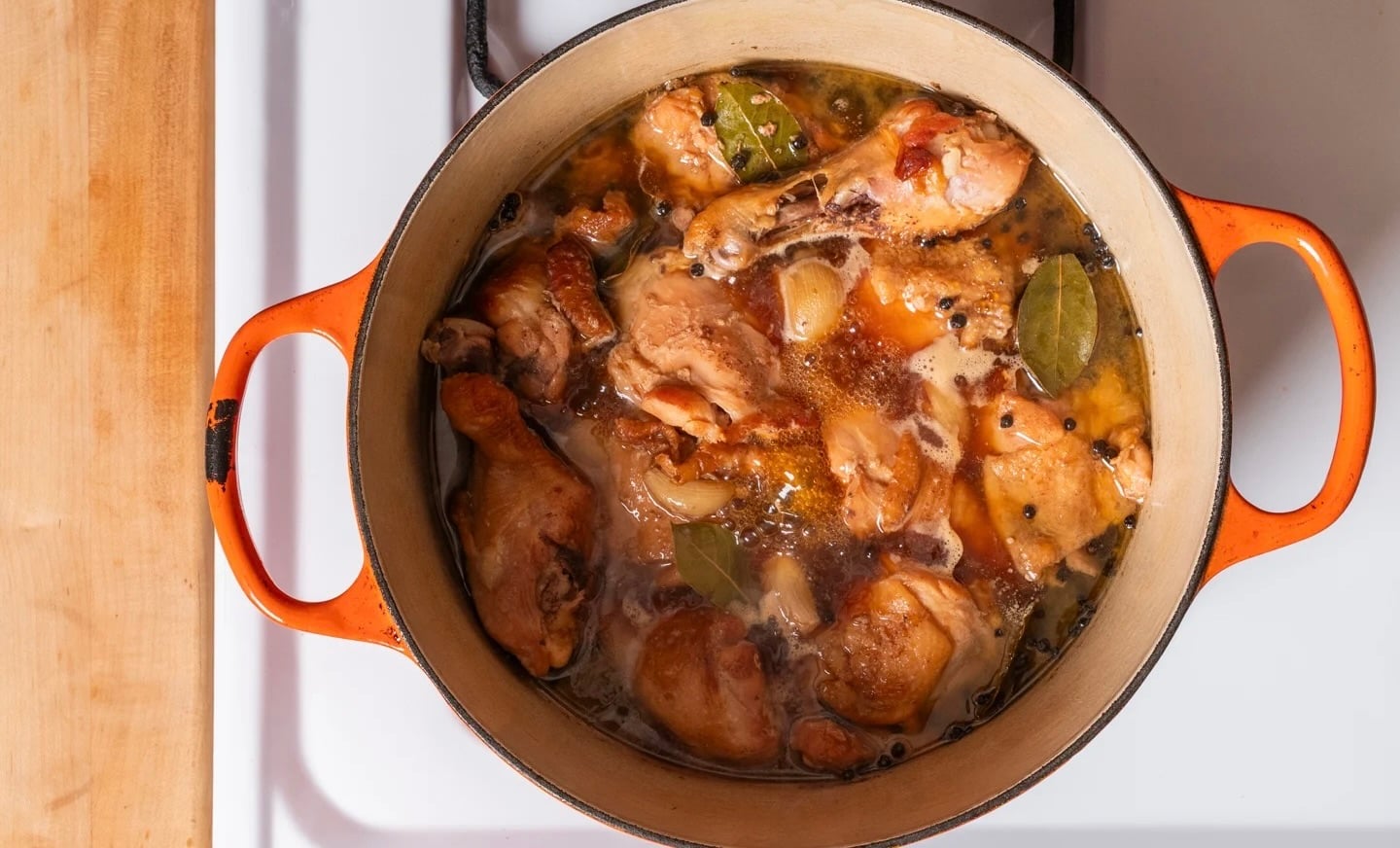
Casey Elsass, who has co-authored over 30 cookbooks and written extensively for national publications, emphasizes the importance of community knowledge in the transmission of cooking skills. The featured recipe, sourced from Sol Guevarra, underscores the role of intergenerational knowledge in preserving authentic techniques. By documenting the recipe as it was handed down, the series highlights the importance of oral history in culinary arts.
The inclusion of specific, expert-led tips—such as the prohibition against stirring the vinegar—adds a layer of technical rigor to the series. Such instructions suggest that the "correct" way to cook a dish is often rooted in physical chemistry; in this case, the interaction between acetic acid and heat. The flexibility allowed regarding sweeteners (honey vs. brown sugar) acknowledges that the domestic kitchen is an environment defined by limited resources and the necessity of substitution.
Broader Impact on Home Cooking Trends
As the $25 Dinner series continues, it is expected to provide a roadmap for navigating the complexities of meal planning under financial pressure. By shifting the focus from "cheap eating" to "smart shopping," the project provides a blueprint that is both replicable and scalable. The success of this inaugural meal suggests a growing appetite for content that reconciles the desire for culturally diverse, high-quality home cooking with the harsh realities of current grocery pricing.
The series serves as a reminder that cooking is a form of labor that, when managed effectively, can significantly mitigate the impact of external economic forces on the household. By validating the use of accessible ingredients and providing detailed, step-by-step guidance, the initiative encourages home cooks to engage with their kitchens as sites of both economic agency and cultural expression. Future installments of the series are expected to explore other global cuisines through this same lens of fiscal constraint, further diversifying the accessible repertoire for the average home cook.