As autumn weather patterns finally take hold across major metropolitan centers, the global menswear market experiences its most anticipated seasonal transition. Retailers and style enthusiasts alike mark the arrival of sub-seventy-degree temperatures as the official commencement of serious sartorial planning. Following months of lightweight summer tailoring, resort-wear packing lists, and minimalist warm-weather staples, the transition into cooler months introduces an intricate playbook dominated by tactile layering, heavier fabrications, and heritage footwear. Early indicators from international fashion weeks and major luxury forecasting groups point toward a refined convergence of heritage utility, workwear-inspired silhouettes, and elevated everyday luxury.

The Macro Shifts in Autumn-Winter Menswear
The commercial and creative direction for the current season builds heavily upon predictions established earlier in the year. Industry analysts note a distinct movement away from the hyper-relaxed silhouettes that dominated previous cycles, favoring instead a more structured, balanced approach. Slimmer-cut denim, traditional plaid pattern variations, and rugged chore coats form the bedrock of this seasonal shift. Rather than leaning exclusively into extreme cold-weather outerwear prematurely, current wardrobe strategies prioritize transitional layering—allowing wearers to adapt seamlessly to shifting autumnal climates.
Major luxury platforms, most notably online menswear authority Mr Porter, report an immediate surge in demand for foundational investment pieces. Consumer behavior data indicates a growing preference for garments that offer longevity, superior craftsmanship, and historical pedigree over fleeting micro-trends. This shift reflects a broader consumer mindset focused on sustainable value, where pieces are expected to transcend a single season.

Footwear Foundations: Reinterpreting Heritage Silhouettes
Footwear remains the cornerstone of any cold-weather wardrobe, and the current market highlights a sophisticated evolution of traditional staples. For decades, the arrival of autumn signaled an immediate pivot toward heavy work boots, classic Chelsea boots, and moc-toe designs. However, contemporary style guidelines place renewed emphasis on the versatile chukka boot—a silhouette historically appreciated for its understated elegance.
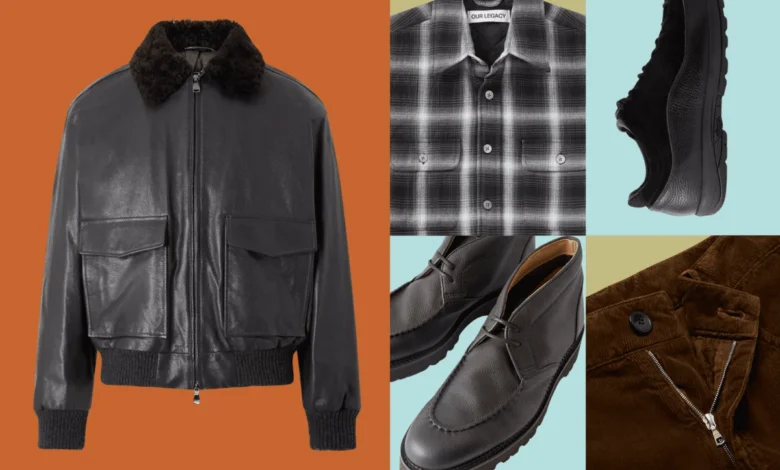
A primary example of this reinvention is the John Lobb Field Full-Grain Leather Desert Boot. Originating from a 177-year-old shoemaking lineage, this iteration reinterprets the traditional desert boot through the lens of modern luxury. Featuring pebbled-grain leather, a durable rubber outsole, and a deep dark-brown palette, the design bridges the gap between formal heritage footwear and practical everyday wear. Industry experts note that such high-end foundational pieces appeal to consumers seeking enduring quality rather than seasonal novelties.

Concurrently, the hybrid footwear market continues its steady ascent into mainstream luxury. Approach shoes—historically engineered for alpine terrain—have been successfully co-opted by both technical outdoor labels and high-fashion houses. The Diemme Bardolino Suede and Leather Sneaker exemplifies this cross-pollination, offering the rugged utility of Vibram outsoles combined with the refined aesthetics required for urban settings.
Knitwear and Texture: The Core of Autumnal Layering
As temperatures dip, the focus shifts decisively toward texture-rich knitwear. Seasonal palettes are heavily influenced by earthy tones, incorporating rich shades of chestnut, burnt orange, and deep forest green. The demand for natural fibers such as virgin wool, cashmere, and merino blends has surged, driven by consumer awareness regarding material performance.

Virgin wool, utilized by heritage-focused knitwear brands like Casey Casey in garments such as the Panno Wool-Knitted Cardigan, offers natural antimicrobial properties that reduce the frequency of required laundering. This functional benefit resonates strongly with modern consumers prioritizing garment care and longevity. Similarly, luxury labels like Ghiaia Cashmere and Aton continue to dominate the premium knitwear sector by focusing on exceptionally soft, uncompromised yarn sourcing.
Styling paradigms for these knitwear pieces favor thoughtful contrast. Pairing a textured wool or cashmere cardigan with a crisp corporate button-down shirt—such as those from Mfpen—and relaxed-fitting denim creates a balanced silhouette suitable for both creative leadership environments and traditional corporate offices.

Outerwear and Utility: From Workwear to Luxury Investment
Outerwear occupies the highest tier of seasonal expenditure, with consumers increasingly willing to invest in heirloom-quality jackets and coats. The workwear aesthetic, long a staple of Americana style, has been thoroughly elevated by European and Japanese luxury houses.
Visvim continues to set a high benchmark for denim outerwear with its meticulous reproduction and treatment of classic silhouettes, such as the Type I denim jacket. By employing advanced whiskering, fading, and distressing techniques, the brand transforms a utilitarian workwear staple into a high-value collector’s item. Similarly, Drake’s has cemented its reputation in the luxury sector through pieces like the Welder Suede Chore Jacket, combining traditional British tailoring sensibilities with robust outdoor durability.

For severe cold-weather preparation, shearling-trimmed leather jackets—exemplified by Valstar’s Smith Shearling-Trimmed Full-Grain Leather Jacket—offer an immediate visual and physical upgrade. Industry analysts attribute the popularity of these statement pieces to a renewed consumer appetite for unabashedly bold menswear, reminiscent of classic cinematic style icons.
The Economic Implications of Timeless Retail
The current retail landscape reflects a maturing menswear consumer base. Data from major e-commerce platforms indicates that shoppers are consolidating their budgets around fewer, higher-quality purchases. Instead of acquiring multiple low-cost seasonal items, buyers are allocating capital toward verified pedigree brands—including The Row, Our Legacy, and Dries Van Noten—that guarantee superior construction and timeless design.

This trend has significant implications for manufacturing and supply chains. Independent brands that emphasize sustainable production methods, recycled cotton blends (as seen with Jeanerica), and traceable wool sourcing are capturing an increasingly large share of the luxury market. Retailers response has been swift, curating dedicated edits that highlight the provenance and craftsmanship behind each item.
Ultimately, the transition into autumn-winter dressing serves as a reminder of menswear’s cyclical yet progressive nature. By anchoring seasonal wardrobes in versatile footwear, tactile knitwear, and foundational outerwear, consumers are not merely preparing for colder weather—they are investing in a curated aesthetic designed to endure for decades.