Using This Under-Pillow Speaker Is Way More Comfortable Than Sleeping With Earbuds

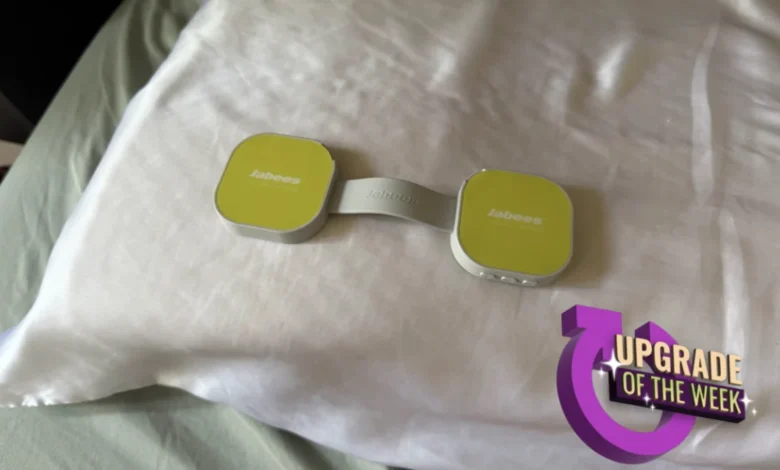
The Evolution of Sleep Audio Technology
For decades, the standard for private nighttime listening was the wired or wireless earbud. While effective at isolating sound, the physical profile of these devices poses a significant ergonomic challenge for side sleepers. When an individual rests their head against a pillow, an earbud creates a pressure point, forcing the device into the ear canal. Over an eight-hour sleep cycle, this can cause cartilage irritation, ear canal sensitivity, and, in some cases, long-term discomfort.
The industry attempted to solve this with "sleep headbands"—soft fabric bands containing flat speakers. While these mitigated the pressure issue, they introduced heat retention and hygiene concerns, as the fabric required regular washing and could become uncomfortable in warmer climates. The Jabees Peace Duo represents the next step in this evolution by utilizing bone conduction-adjacent technology to project audio through the medium of the pillow itself, bypassing the need for wearable hardware entirely.
How Under-Pillow Audio Works
The core of the Jabees Peace Duo is its reliance on a localized transducer system. By placing two distinct speaker units under the pillow, the device creates a localized sound field. Unlike a bedside speaker, which broadcasts audio throughout the room and potentially disturbs a partner, these transducers are designed to focus the vibration through the pillow material.
The physics of this approach is straightforward: the pillow acts as a secondary resonator. By converting electrical signals into mechanical vibrations, the device transmits sound waves through the stuffing of the pillow. Because the user’s ear is in direct contact with the pillow, the listener perceives the audio clearly, while the sound profile drops off rapidly as the distance from the pillow increases. This provides a "private listening zone" that effectively satisfies the user’s need for audio without requiring a physical attachment to the head or ears.

Supporting Data and User Ergonomics
Market research into sleep hygiene suggests that "sound-assisted sleep" is a growing segment of the wellness industry. According to data from the National Sleep Foundation, nearly 40% of adults utilize some form of background noise—ranging from white noise machines to podcasts—to manage sleep onset latency. Despite this, the dissatisfaction rate with wearable sleep audio remains high, with nearly 25% of users reporting that they stop using their audio devices due to "mechanical discomfort."
The Jabees Peace Duo addresses these statistics with specific technical specifications:
- Dual-Speaker Configuration: This allows for true stereo separation, which is crucial for listeners who utilize ASMR or immersive soundscapes that rely on directional audio.
- Battery Performance: With a 10-hour battery life, the device comfortably covers the average adult’s sleep duration, eliminating the need for mid-night recharging.
- Wireless Connectivity: By utilizing Bluetooth 5.0+ protocols, the device ensures minimal latency and a stable connection, reducing the likelihood of audio dropouts that could wake a user.
Chronology of Sleep Tech Innovation
The timeline of audio-based sleep aids has moved rapidly over the last fifteen years:
- 2010–2015: The era of the "bedside speaker." These devices were effective but often intrusive to partners, and they lacked the intimate, high-fidelity experience required for complex audiobooks or podcasts.
- 2016–2020: The rise of the "sleep earbud." Companies released miniaturized, low-profile earbuds designed specifically for side sleepers. While innovative, the hardware was fragile and easily lost in bedding.
- 2021–2025: The integration of bone conduction and under-pillow transducers. This period saw the normalization of non-wearable audio, prioritizing long-term comfort and the removal of "foreign objects" from the ear canal.
Analysis of Implications for Sleep Hygiene
The shift toward under-pillow audio is not merely a matter of convenience; it is a shift in how we approach sleep architecture. By removing the physical barrier between the listener and the audio source, users are less likely to experience "micro-arousals"—brief moments of wakefulness caused by adjusting an earbud or dealing with a tangled cable.
Furthermore, the "muffled" quality of the audio, often cited by critics as a downside, may actually be a functional advantage. When audio is filtered through a pillow, the high-frequency harshness of digital sound is attenuated. This creates a softer, more atmospheric audio profile that mimics natural ambient sounds, which many sleep experts argue is more conducive to the brain’s transition into REM sleep.

Expert Perspectives and Market Reception
While official responses from sleep specialists remain cautious regarding the volume levels of such devices—emphasizing that prolonged exposure to any sound source, even through a pillow, should be kept at a moderate volume to protect auditory health—the general reception has been positive.
The primary critique of the Jabees Peace Duo and similar technology is the reliance on the user’s specific pillow density. A very thick, memory-foam pillow may dampen the sound too much, while a thin down pillow may provide insufficient diffusion. Despite this, the consensus among tech reviewers is that the trade-off—sacrificing absolute acoustic precision for the sake of physical comfort—is a net positive for the average consumer.
Broader Impact on the Wellness Industry
The success of the Jabees Peace Duo signals a broader trend toward "invisible technology." Consumers are increasingly seeking solutions that integrate into their existing environments without requiring a change in behavior. By turning a standard pillow into an audio device, the technology respects the sanctity of the sleep environment.
As we look toward the future of sleep technology, we can expect to see further refinement in transducer efficiency and better integration with smart-home ecosystems. Potential advancements include auto-shutoff features based on biometric sleep data and adaptive volume control that adjusts based on the ambient noise of the room.
In conclusion, for the millions of people who struggle with the physical demands of nightly audio consumption, the Jabees Peace Duo provides a practical, efficient, and comfortable path forward. By focusing on the intersection of audio quality and ergonomic reality, it successfully solves the age-old problem of how to enjoy a bedtime story without the discomfort of modern electronics. As the market for sleep-related technology continues to expand, it is likely that non-wearable solutions will become the standard, further cementing the role of technology in the daily pursuit of better, more restorative rest.